316L Stainless Steel Composition: Properties, Advantages, and Industrial Applications Guide

All Categories

Get a Free Quote

Our representative will contact you soon.
Email
Mobile/WhatsApp
Name
Company Name
Message
0/1000

composition 316l stainless steel

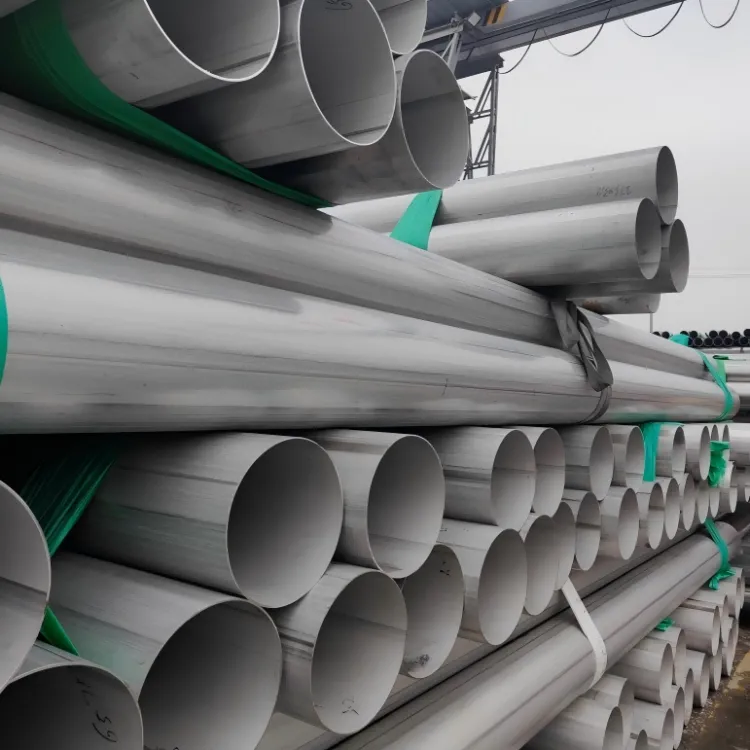
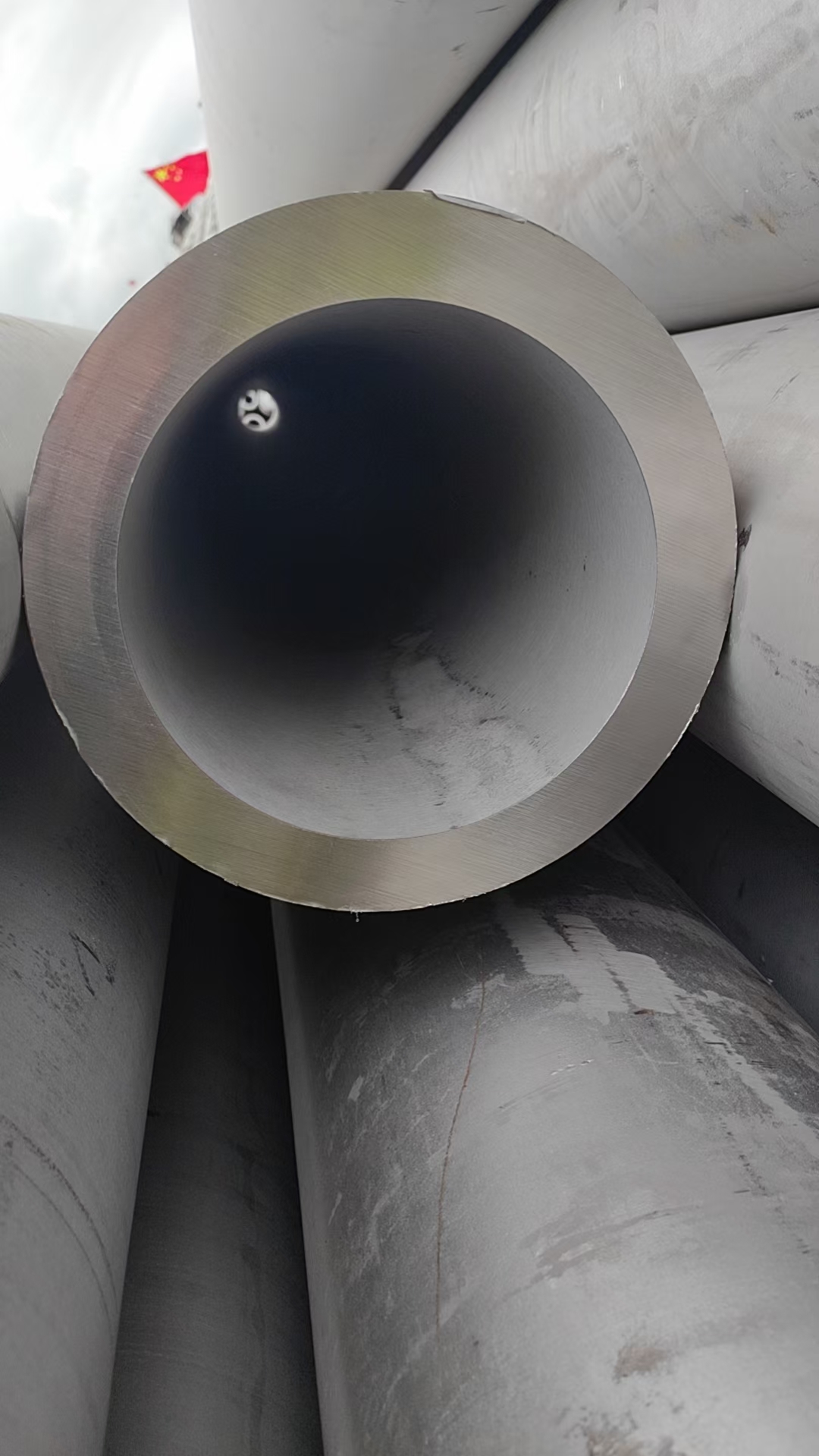
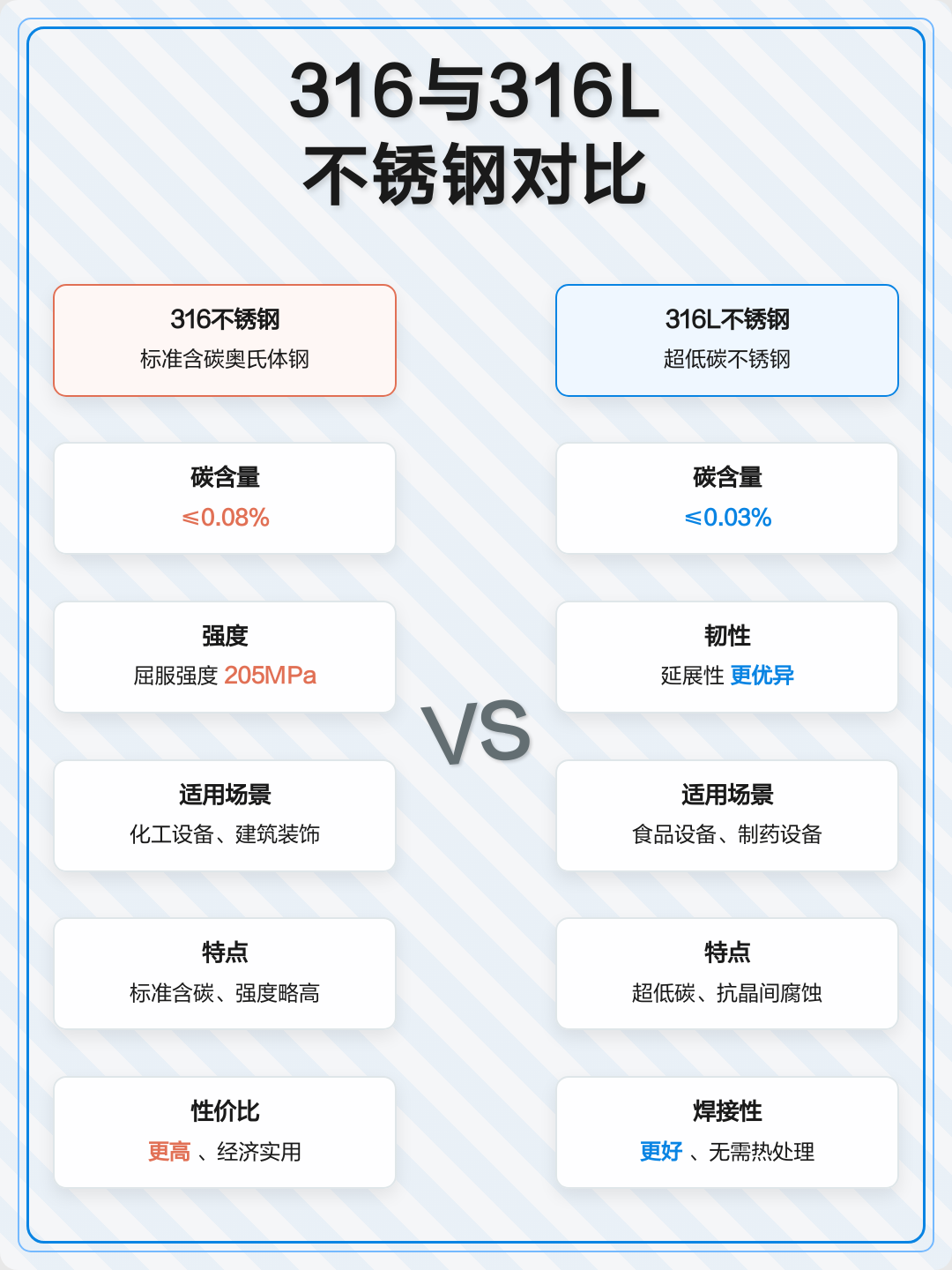
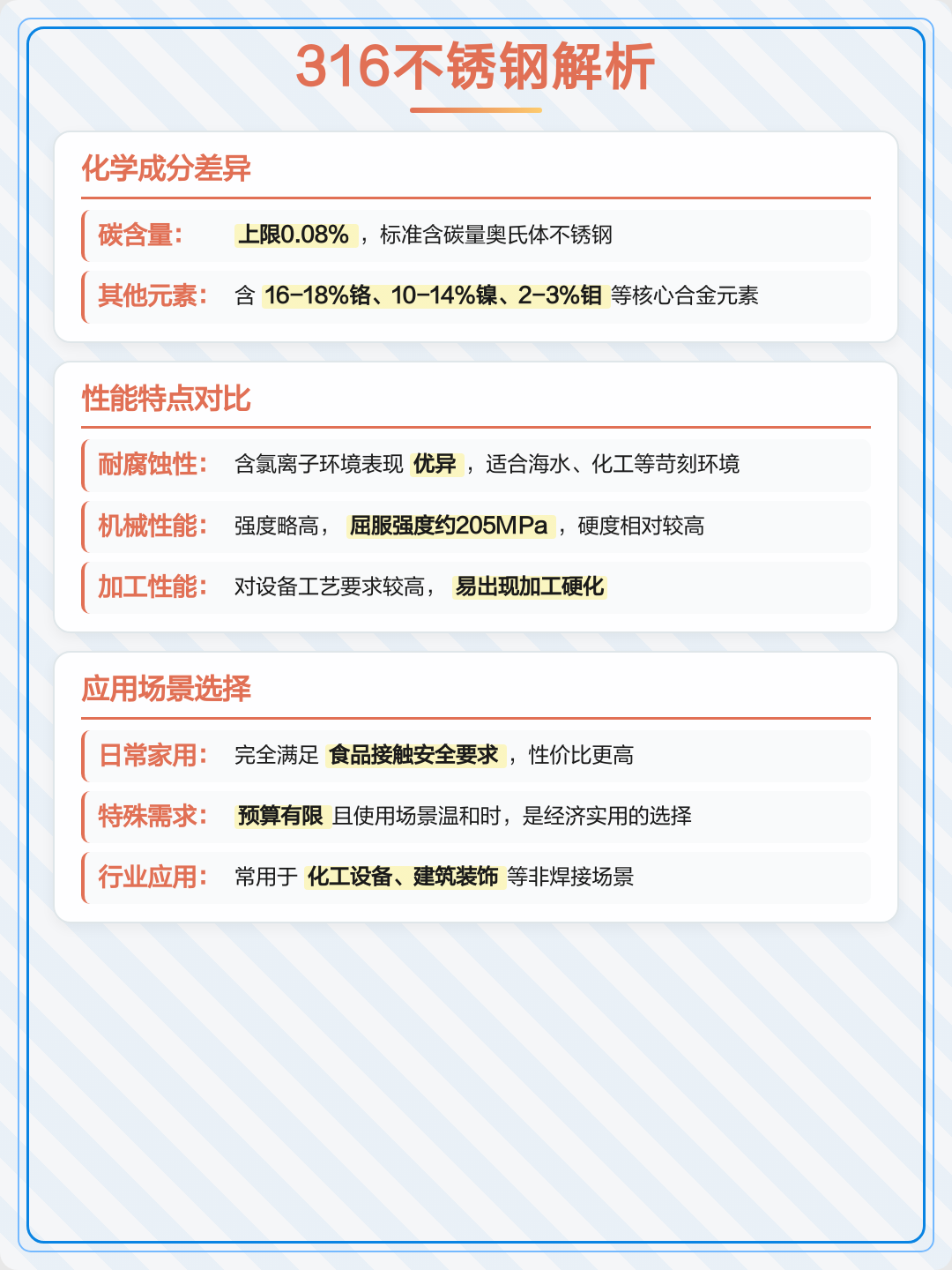
The composition 316l stainless steel represents one of the most versatile and widely utilized austenitic stainless steel grades in modern industrial applications. This low-carbon variant of 316 stainless steel contains approximately 17-20% chromium, 10-14% nickel, and 2-3% molybdenum, with carbon content reduced to a maximum of 0.03%. The composition 316l stainless steel also includes small amounts of manganese, silicon, phosphorus, and sulfur, creating a balanced alloy that delivers exceptional performance across diverse environments. The primary function of composition 316l stainless steel centers on providing superior corrosion resistance, particularly against chloride environments, acids, and marine conditions. Its technological features include excellent weldability, formability, and strength retention at both ambient and elevated temperatures. The molybdenum content significantly enhances the material's resistance to pitting and crevice corrosion, making composition 316l stainless steel ideal for harsh chemical processing environments. Manufacturing processes benefit from the material's excellent machinability and ability to maintain structural integrity under stress. The composition 316l stainless steel finds extensive applications in pharmaceutical equipment, food processing machinery, marine hardware, chemical processing plants, and medical devices. Architecture and construction industries frequently specify composition 316l stainless steel for coastal structures, handrails, and decorative elements exposed to salt air. The automotive sector utilizes this grade for exhaust systems and fuel injection components. Aerospace applications include fuel lines, hydraulic systems, and structural components where weight savings and corrosion resistance are critical. The composition 316l stainless steel also serves in pulp and paper industries, textile processing equipment, and water treatment facilities, demonstrating its remarkable versatility and reliability across multiple sectors.

New Products

The composition 316l stainless steel offers numerous practical advantages that directly benefit end users across various industries. First, this material provides exceptional corrosion resistance that significantly extends equipment lifespan and reduces maintenance costs. The composition 316l stainless steel resists attack from chlorides, acids, and alkaline solutions, ensuring reliable performance in challenging environments where standard materials would fail quickly. This corrosion resistance translates to lower replacement costs and reduced downtime for critical operations. Second, the composition 316l stainless steel delivers excellent weldability without requiring post-weld heat treatment in most applications. This feature saves time and money during fabrication and repair processes, allowing manufacturers to complete projects faster and more efficiently. The low carbon content prevents carbide precipitation during welding, maintaining the material's corrosion resistance properties throughout the welded joint. Third, composition 316l stainless steel maintains superior strength and ductility across wide temperature ranges, from cryogenic conditions to elevated temperatures up to 870 degrees Celsius. This temperature stability ensures consistent performance in applications involving thermal cycling or extreme operating conditions. Fourth, the material exhibits excellent formability and workability, allowing complex shapes and intricate designs without compromising structural integrity. Manufacturers can easily bend, form, and machine composition 316l stainless steel using standard equipment and techniques. Fifth, composition 316l stainless steel offers outstanding hygiene properties, making it ideal for food processing, pharmaceutical, and medical applications. The smooth surface finish resists bacterial growth and allows thorough cleaning and sterilization. Sixth, the material provides long-term economic benefits through reduced lifecycle costs. While initial material costs may be higher than carbon steel alternatives, the composition 316l stainless steel eliminates the need for protective coatings, reduces maintenance requirements, and extends service life significantly. Finally, composition 316l stainless steel supports sustainable manufacturing practices through its complete recyclability and durability, contributing to environmental responsibility while maintaining superior performance standards.

Latest News

Strongwin Stainless Steel Group Achieves ISO 90012015 Certification and AD 2000 Merkblatt Approval

28

Feb

Strongwin Stainless Steel Group Achieves ISO 90012015 Certification and AD 2000 Merkblatt Approval

View More
Strongwin Stainless Steel Group Announces Major Production Capacity Expansion to Meet Growing Global Demand

11

Mar

Strongwin Stainless Steel Group Announces Major Production Capacity Expansion to Meet Growing Global Demand

View More
Strongwin Stainless Steel Group Announces Strategic Partnership with Leading European Engineering Firm

11

Mar

Strongwin Stainless Steel Group Announces Strategic Partnership with Leading European Engineering Firm

View More

Get a Free Quote

Our representative will contact you soon.
Email
Mobile/WhatsApp
Name
Company Name
Message
0/1000

composition 316l stainless steel

Unmatched Corrosion Resistance Performance

Unmatched Corrosion Resistance Performance

The composition 316l stainless steel stands apart from other stainless steel grades through its exceptional corrosion resistance capabilities, particularly in chloride-rich and acidic environments. The molybdenum content, typically ranging from 2-3%, creates a protective barrier that significantly enhances the material's ability to withstand pitting corrosion, crevice corrosion, and general corrosion attacks. This superior protection stems from the formation of a stable, self-healing passive oxide layer that regenerates when damaged, ensuring continuous protection throughout the material's service life. The composition 316l stainless steel demonstrates remarkable resistance to seawater, salt spray, and marine atmospheres, making it the preferred choice for coastal construction, offshore platforms, and marine equipment. Chemical processing industries rely heavily on composition 316l stainless steel because it withstands exposure to sulfuric acid, hydrochloric acid, and various organic acids that would rapidly degrade lesser materials. This corrosion resistance translates directly into substantial cost savings for businesses through reduced equipment replacement, minimal maintenance requirements, and extended operational lifecycles. Pharmaceutical and food processing facilities benefit enormously from the composition 316l stainless steel's ability to maintain surface integrity while resisting contamination from cleaning chemicals and sterilization processes. The material's resistance to stress corrosion cracking under tensile loads in chloride environments provides additional security for critical applications where failure could result in catastrophic consequences. Industries operating in harsh environments, such as pulp and paper production, chemical manufacturing, and wastewater treatment, experience significant operational improvements when utilizing composition 316l stainless steel components. The long-term reliability provided by this exceptional corrosion resistance reduces unplanned shutdowns, minimizes safety risks, and ensures consistent product quality. Furthermore, the composition 316l stainless steel maintains its protective properties without requiring additional surface treatments or coatings, simplifying maintenance procedures and reducing total cost of ownership for end users across diverse applications.
Superior Weldability and Fabrication Flexibility

Superior Weldability and Fabrication Flexibility

The composition 316l stainless steel offers outstanding weldability characteristics that provide significant advantages during fabrication, installation, and repair operations. The low carbon content, maintained below 0.03%, prevents the formation of chromium carbides during welding, which could otherwise compromise the material's corrosion resistance and mechanical properties. This characteristic allows welders to join composition 316l stainless steel components without the need for post-weld heat treatment in most applications, substantially reducing fabrication time and costs. The material accepts various welding techniques including TIG, MIG, plasma arc, and resistance welding methods, providing flexibility for different manufacturing requirements and production environments. Fabricators appreciate how composition 316l stainless steel maintains its metallurgical properties throughout the welding process, ensuring consistent performance across welded joints and base material. The excellent weld penetration and fusion characteristics result in strong, reliable joints that match or exceed the strength of the parent material. This superior weldability extends beyond initial fabrication to field repairs and modifications, allowing maintenance teams to address issues quickly without compromising structural integrity or corrosion resistance. The composition 316l stainless steel's compatibility with standard welding consumables and techniques reduces training requirements and inventory costs for fabrication shops and maintenance departments. Complex assemblies, intricate geometries, and precision components can be successfully fabricated using composition 316l stainless steel without concerns about heat-affected zone degradation or weld defects. Industries such as pharmaceutical equipment manufacturing, food processing machinery production, and chemical plant construction benefit tremendously from this exceptional weldability. The ability to create leak-tight joints without additional sealing measures proves particularly valuable in pressure vessel applications and piping systems handling corrosive fluids. Additionally, the composition 316l stainless steel's weldability supports automated and robotic welding processes, enabling high-volume production while maintaining consistent quality standards. This fabrication flexibility allows designers greater freedom in creating innovative solutions while ensuring reliable, long-lasting performance in demanding service conditions.
Exceptional Temperature Stability and Mechanical Properties

Exceptional Temperature Stability and Mechanical Properties

The composition 316l stainless steel demonstrates remarkable mechanical properties and temperature stability that make it suitable for demanding applications across extreme operating conditions. This austenitic stainless steel maintains excellent strength, ductility, and toughness from cryogenic temperatures as low as -196 degrees Celsius up to elevated temperatures reaching 870 degrees Celsius, providing unmatched versatility for diverse industrial requirements. The material's retained strength at high temperatures ensures structural integrity in applications involving thermal cycling, continuous heat exposure, and extreme temperature variations. At cryogenic temperatures, composition 316l stainless steel actually increases in strength while maintaining sufficient ductility to prevent brittle failure, making it ideal for liquefied gas storage, aerospace applications, and scientific instrumentation. The austenitic crystal structure remains stable throughout this temperature range, preventing phase transformations that could compromise mechanical properties or dimensional stability. The composition 316l stainless steel exhibits excellent resistance to thermal shock and fatigue, crucial characteristics for equipment subjected to repeated heating and cooling cycles. Industries such as power generation, petrochemical processing, and heat exchanger manufacturing rely on these properties to ensure reliable operation under challenging thermal conditions. The material's low thermal expansion coefficient and high thermal conductivity contribute to dimensional stability and efficient heat transfer in critical applications. Creep resistance at elevated temperatures allows composition 316l stainless steel components to maintain their shape and strength under sustained loading conditions, essential for pressure vessels, piping systems, and structural applications. The combination of high-temperature strength and oxidation resistance eliminates the need for protective coatings or frequent component replacement in many applications. Cold working characteristics of composition 316l stainless steel allow for significant strength increases through controlled deformation, enabling designers to optimize mechanical properties for specific applications. The material's work hardening rate provides excellent formability during manufacturing while developing enhanced strength in service. These exceptional mechanical properties, combined with temperature stability, make composition 316l stainless steel the preferred choice for critical applications where reliability, safety, and long-term performance are paramount considerations.

Get a Free Quote

Our representative will contact you soon.
Email
Mobile/WhatsApp
Name
Company Name
Message
0/1000