composition of 316l
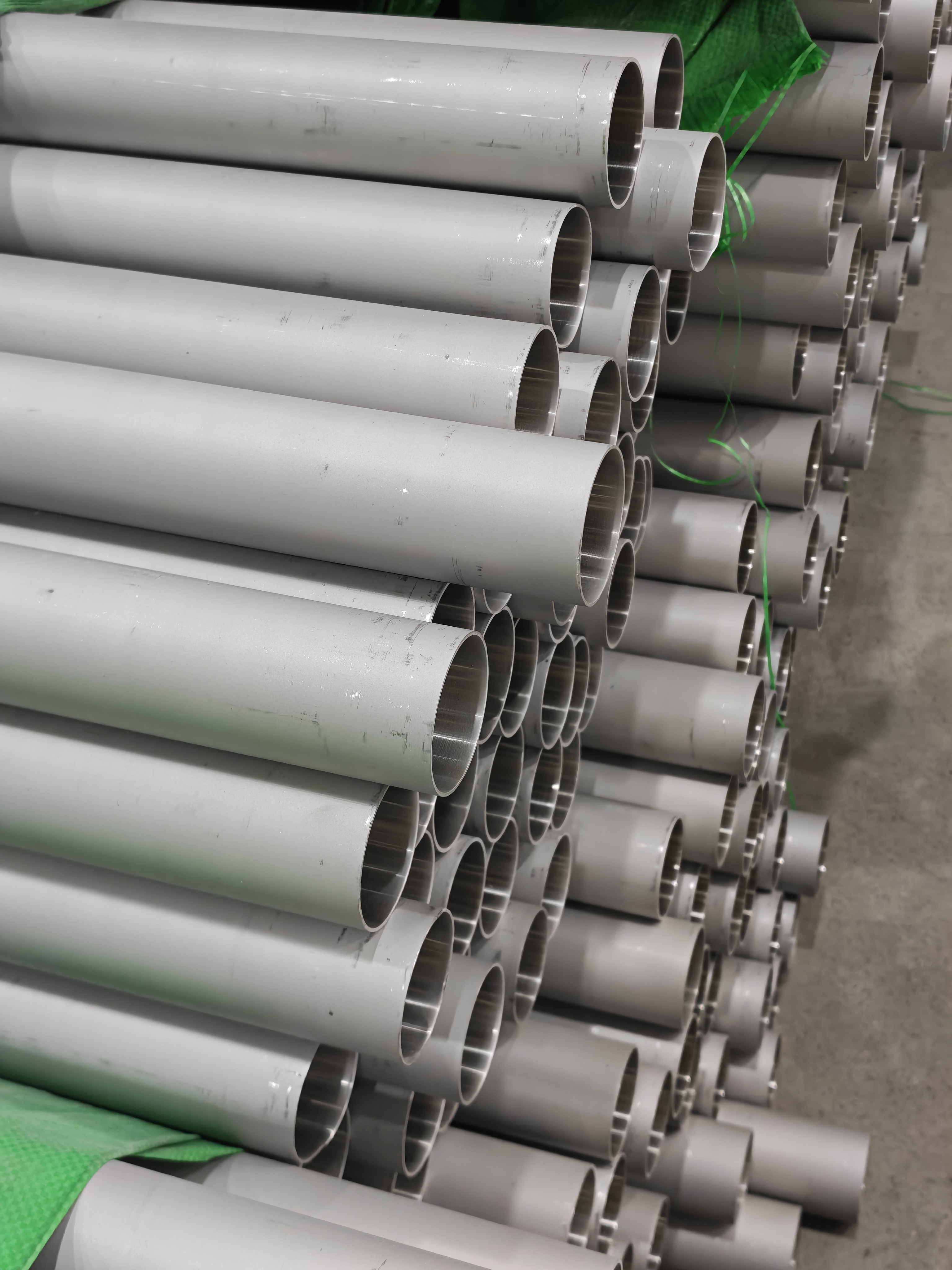
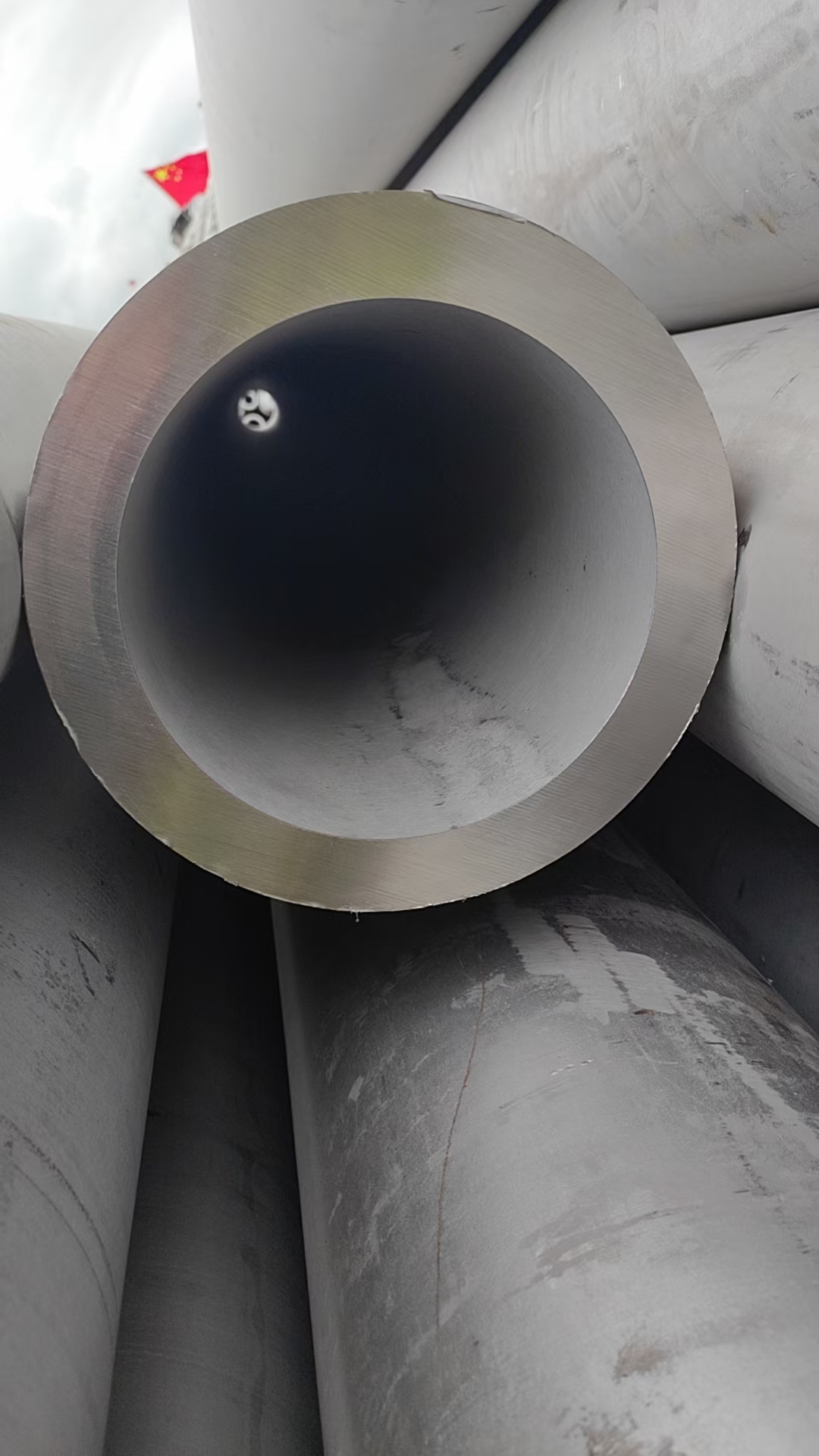
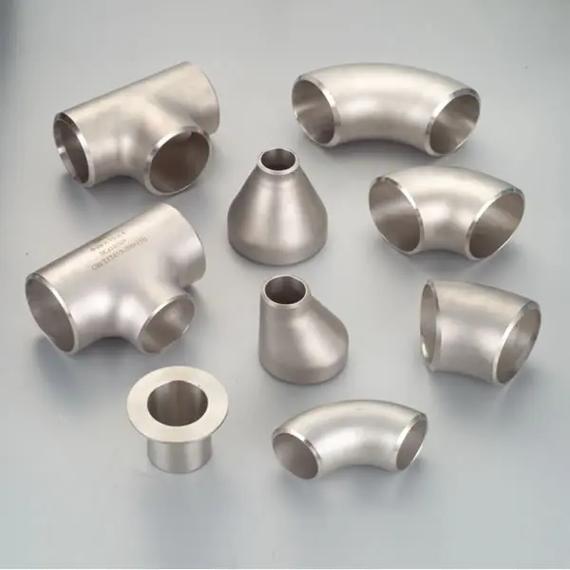
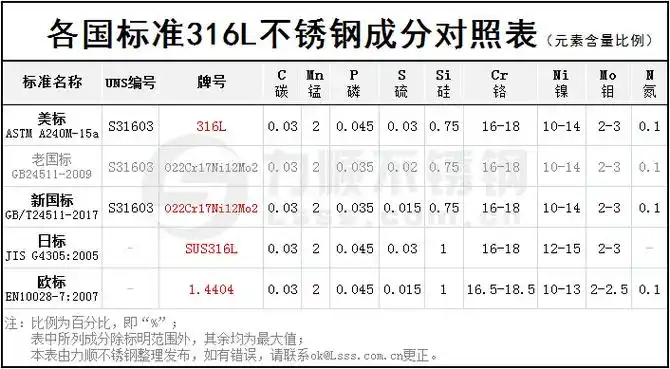
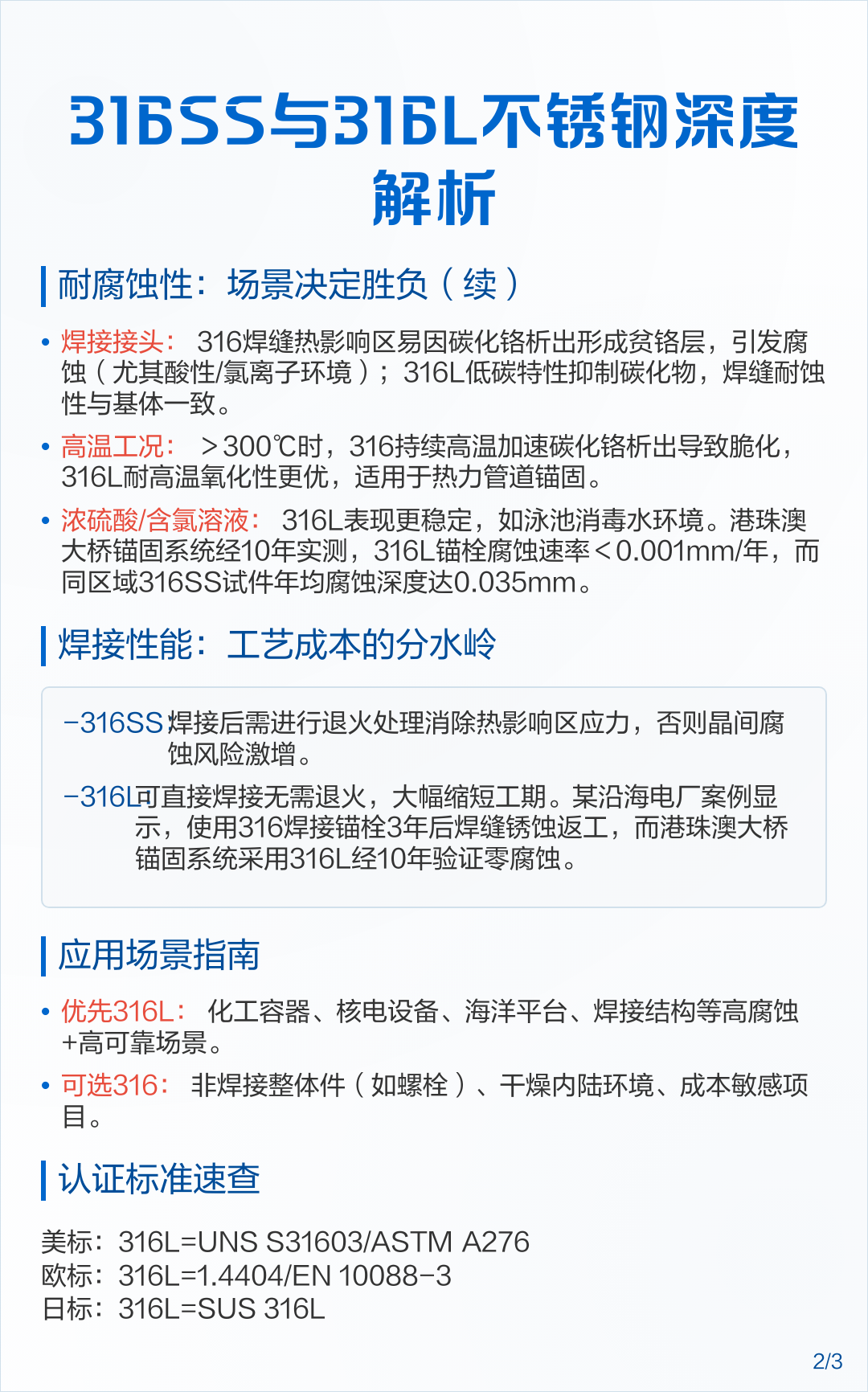
The composition of 316L stainless steel represents one of the most versatile and reliable alloy formulations available in modern manufacturing and construction industries. Understanding the composition of 316L is essential for professionals seeking superior corrosion resistance and durability. This austenitic stainless steel grade contains iron as its primary base element, complemented by chromium, nickel, and molybdenum. The composition of 316L specifically includes approximately 16-18% chromium, 10-14% nickel, and 2-3% molybdenum, which work synergistically to enhance material properties. The composition of 316L delivers exceptional resistance to pitting and crevice corrosion, particularly in chloride-rich environments. The low carbon content in this composition of 316L, typically below 0.03%, minimizes carbide precipitation and prevents sensitization during welding processes. This advanced composition of 316L finds applications across chemical processing, pharmaceutical manufacturing, marine environments, and food production facilities. The technological features embedded in the composition of 316L include excellent weldability, outstanding formability, and superior strength retention at elevated temperatures. Industries rely on the composition of 316L for critical applications demanding long-term reliability and minimal maintenance requirements. The composition of 316L provides consistent performance across diverse operational conditions, making it the preferred choice for demanding industrial applications. Its unique elemental balance ensures optimal mechanical properties while maintaining exceptional corrosion resistance throughout the material's service life.
 EN
EN