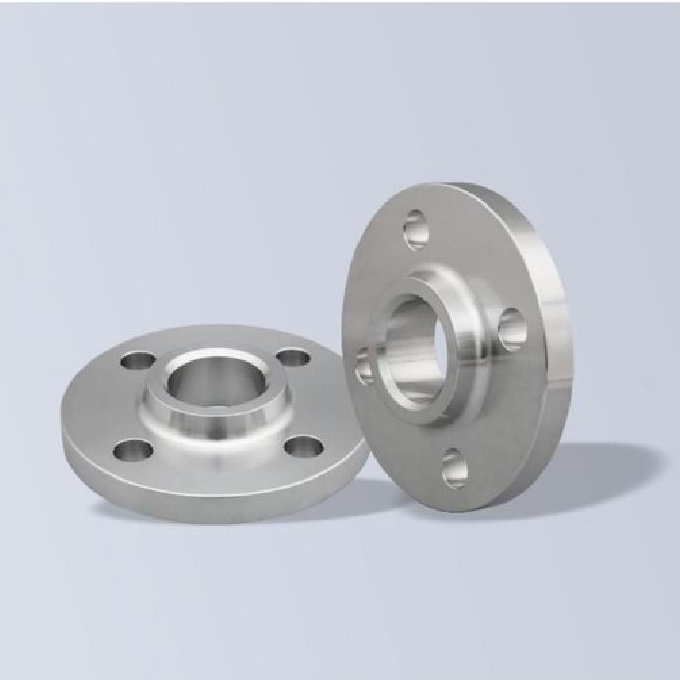
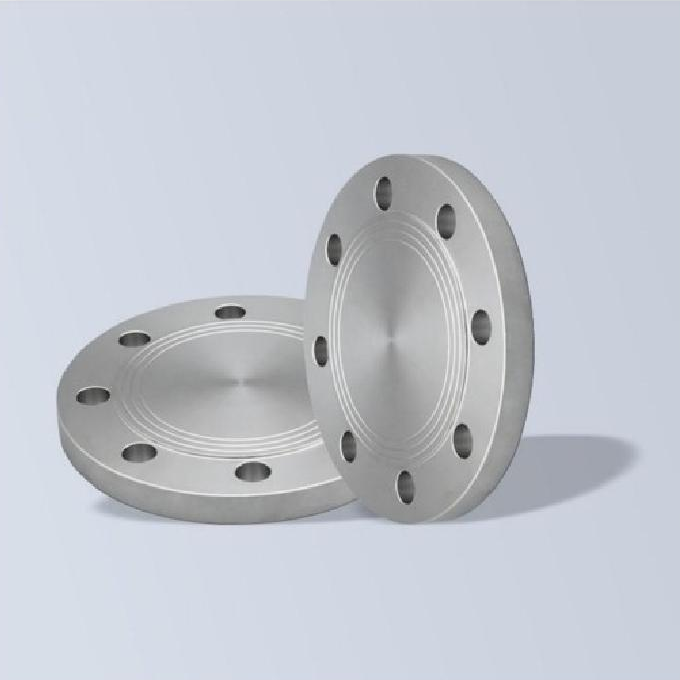
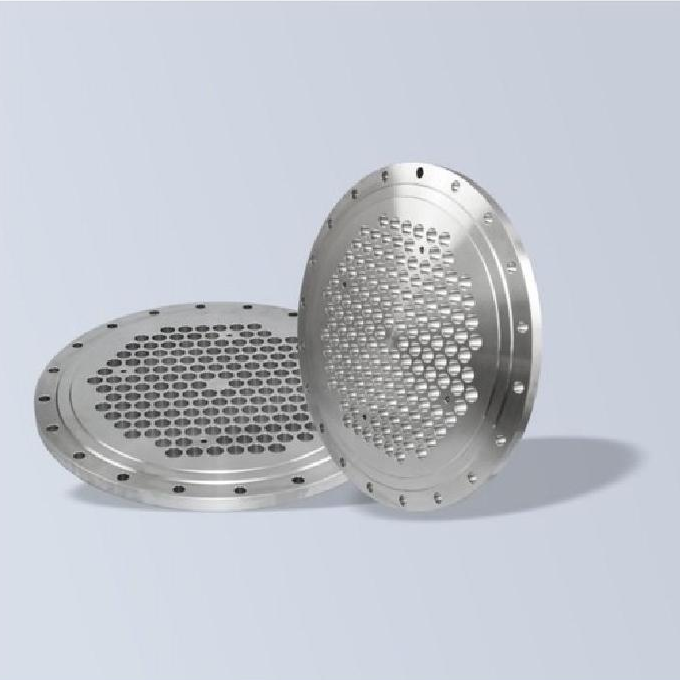
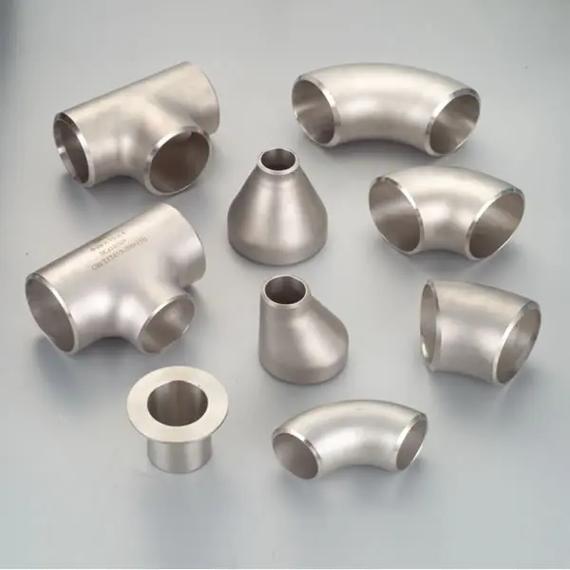
316l stainless steel chemical composition
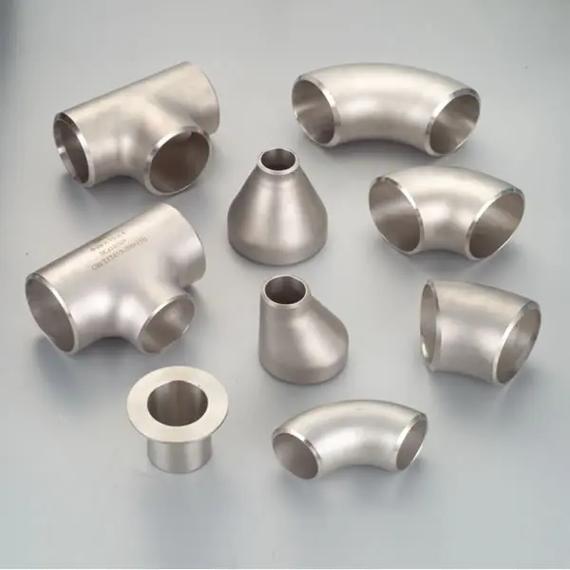
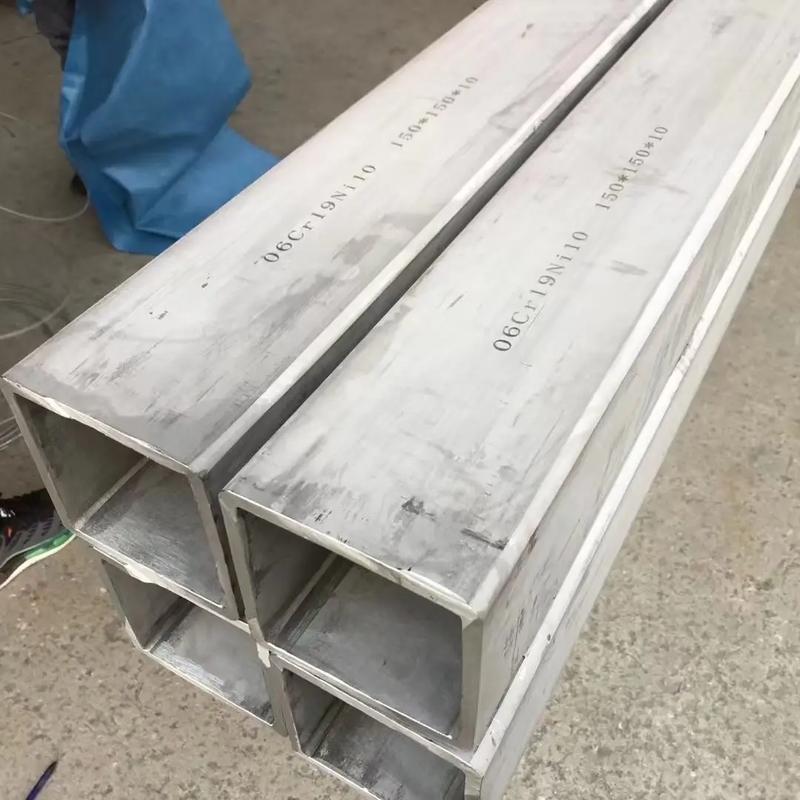
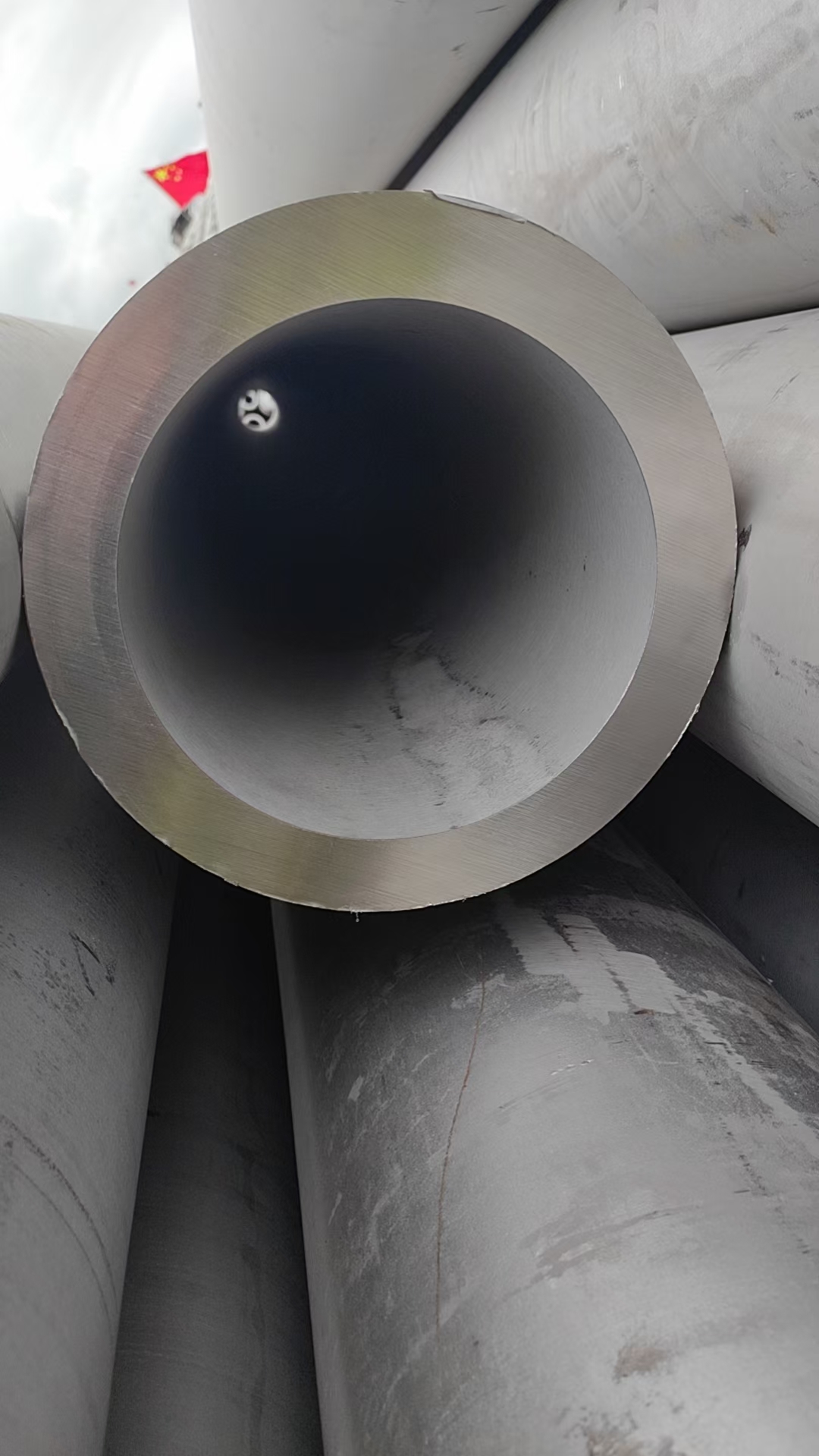
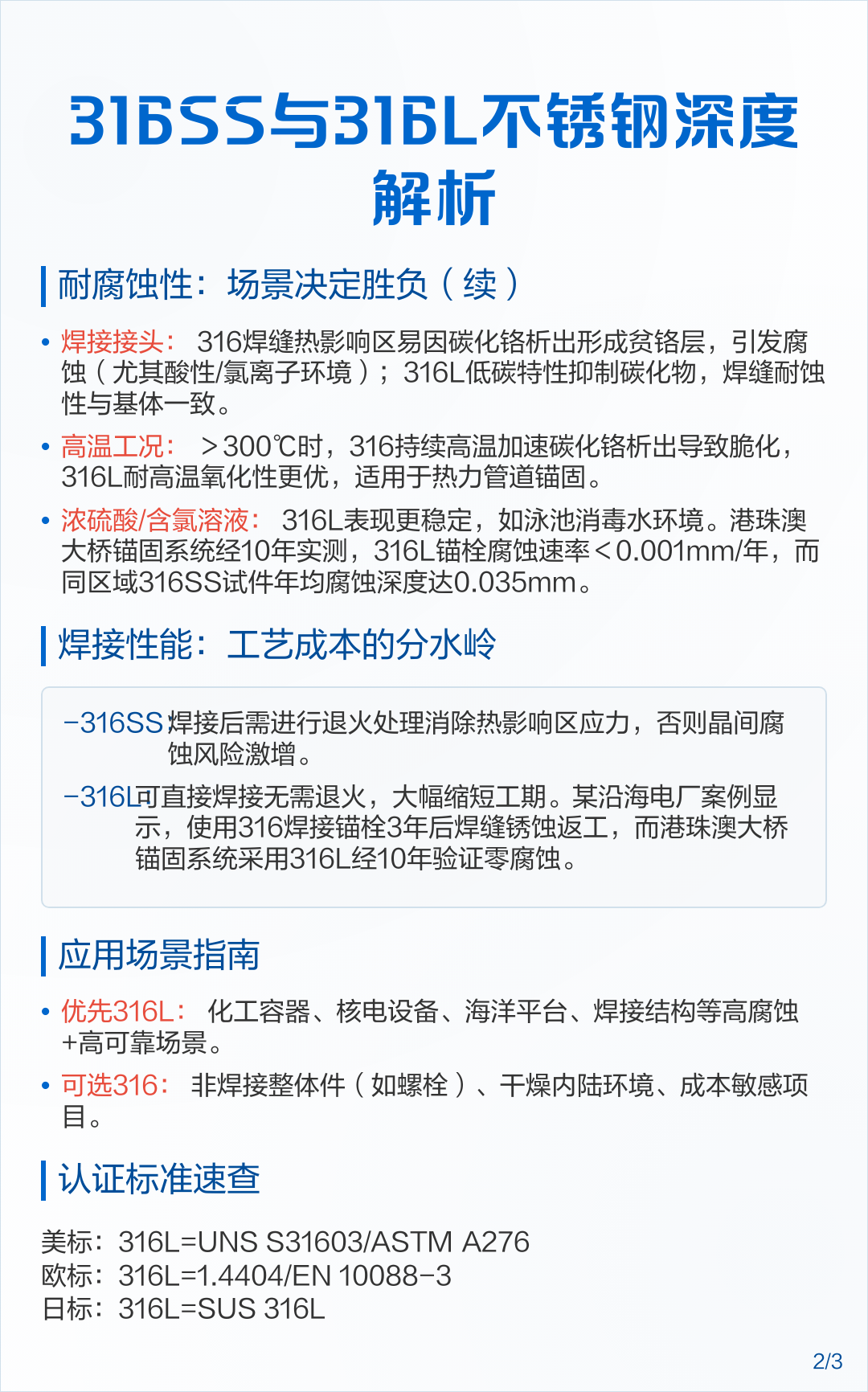
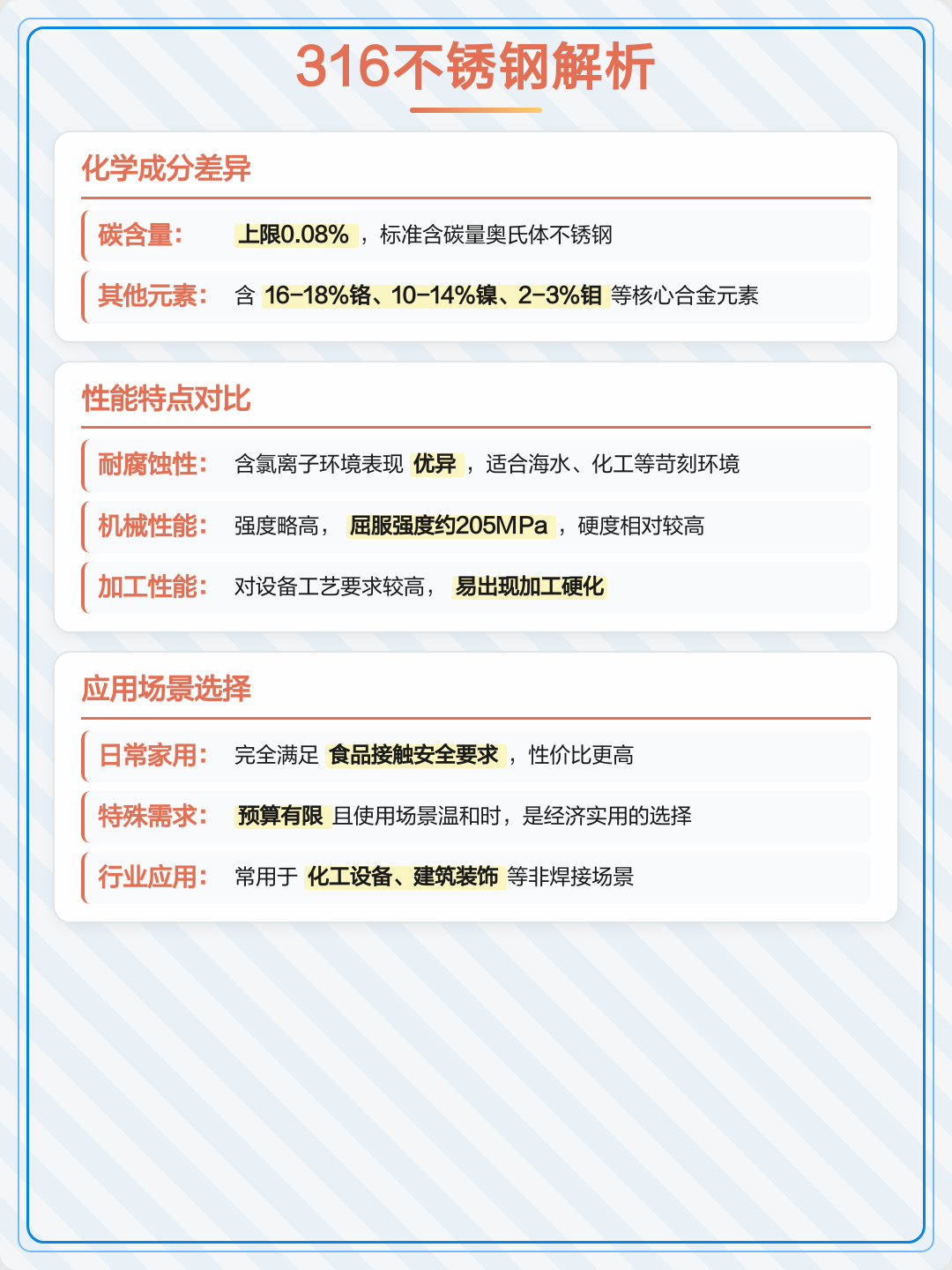
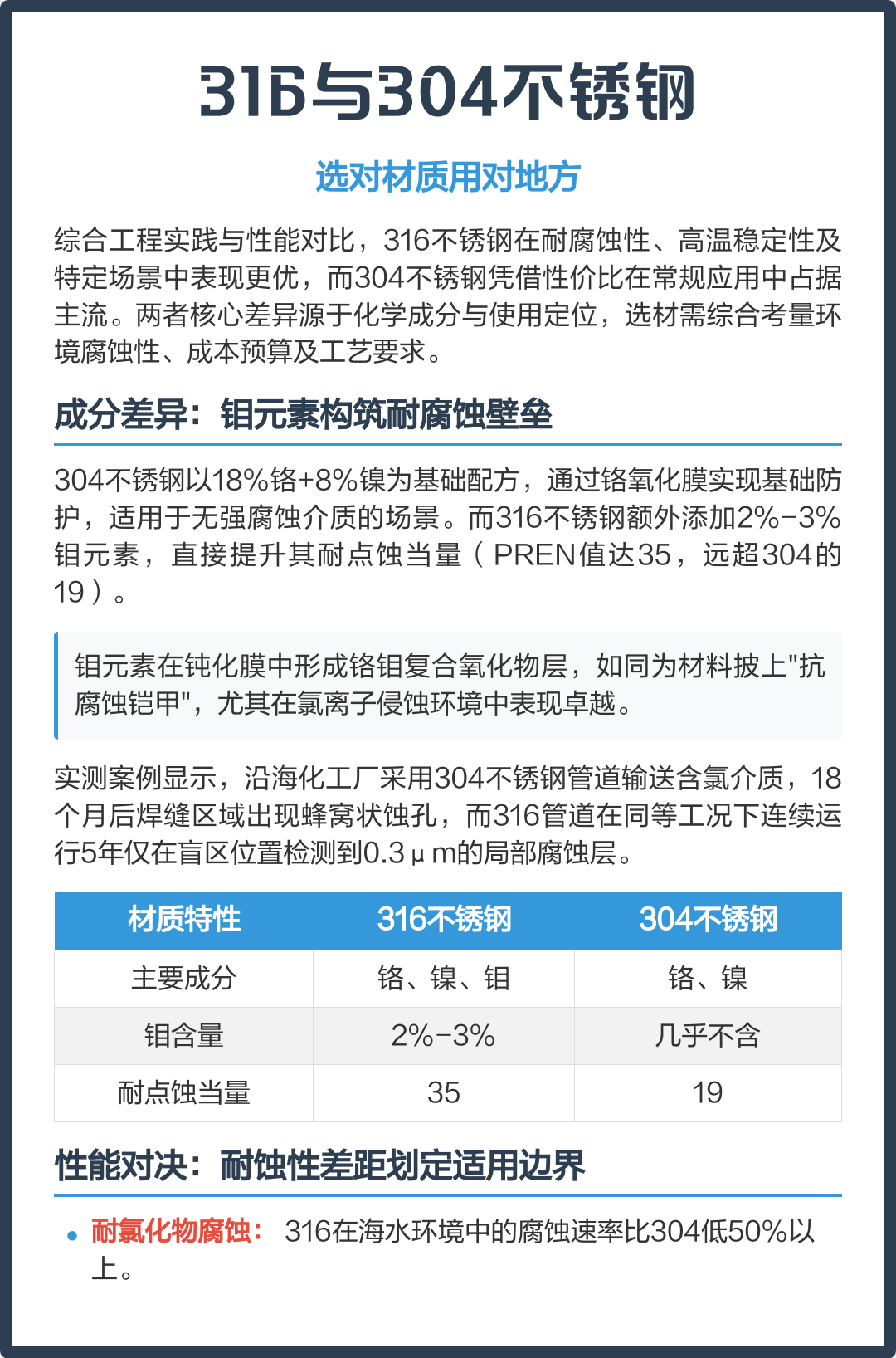
316L stainless steel chemical composition represents one of the most versatile and reliable materials used across multiple industries today. This austenitic stainless steel variant contains essential elements that work synergistically to create exceptional performance characteristics. The 316L stainless steel chemical composition includes iron as the base element, chromium ranging from 16-18 percent, nickel at 10-14 percent, molybdenum at 2-3 percent, and carbon content below 0.03 percent. These carefully balanced elements define the material's outstanding properties and durability. Molybdenum within the 316L stainless steel chemical composition significantly enhances resistance to corrosion, particularly in chloride environments where standard stainless steels may fail. The low carbon content prevents carbide precipitation, maintaining the steel's strength and corrosion resistance over extended use periods. Functionally, 316L stainless steel chemical composition delivers superior weldability, making it ideal for fabrication projects requiring complex joint configurations. The material resists pitting, crevice corrosion, and stress corrosion cracking effectively. Technologically, this composition enables seamless integration into critical applications demanding both reliability and longevity. Industries utilizing 316L stainless steel chemical composition include petrochemical processing, pharmaceutical manufacturing, marine engineering, food processing, and medical device production. Applications span from heat exchangers and pressure vessels to surgical instruments and marine hardware. The composition's ability to maintain structural integrity in demanding environments makes it invaluable for professionals seeking dependable material solutions.
 EN
EN