Professional Pipe Seam Welding Solutions: Advanced Manufacturing Technology for High-Quality Pipeline Systems

All Categories

Get a Free Quote

Our representative will contact you soon.
Email
Mobile/WhatsApp
Name
Company Name
Message
0/1000

pipe seam welding

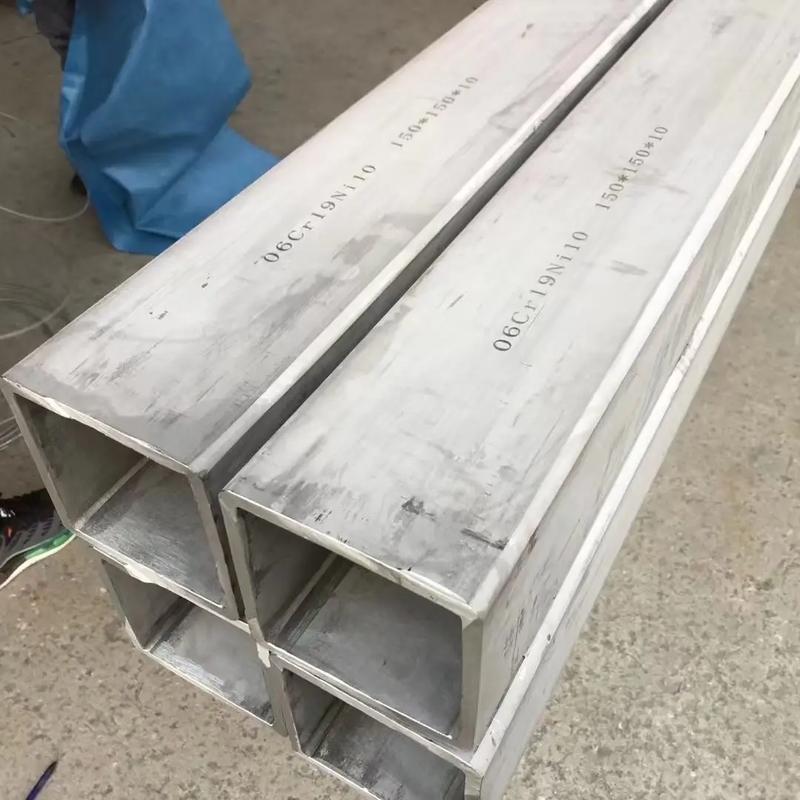
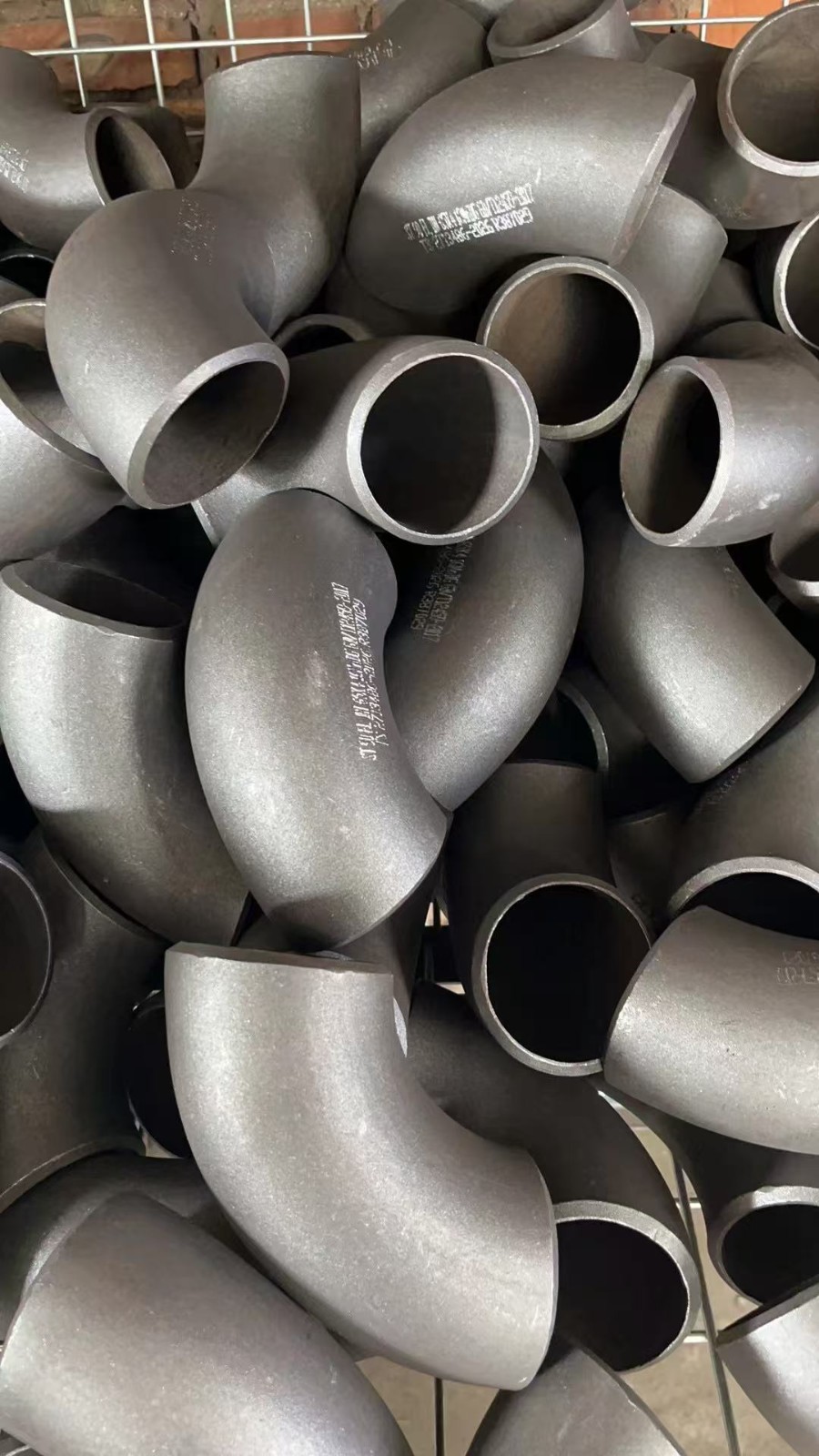
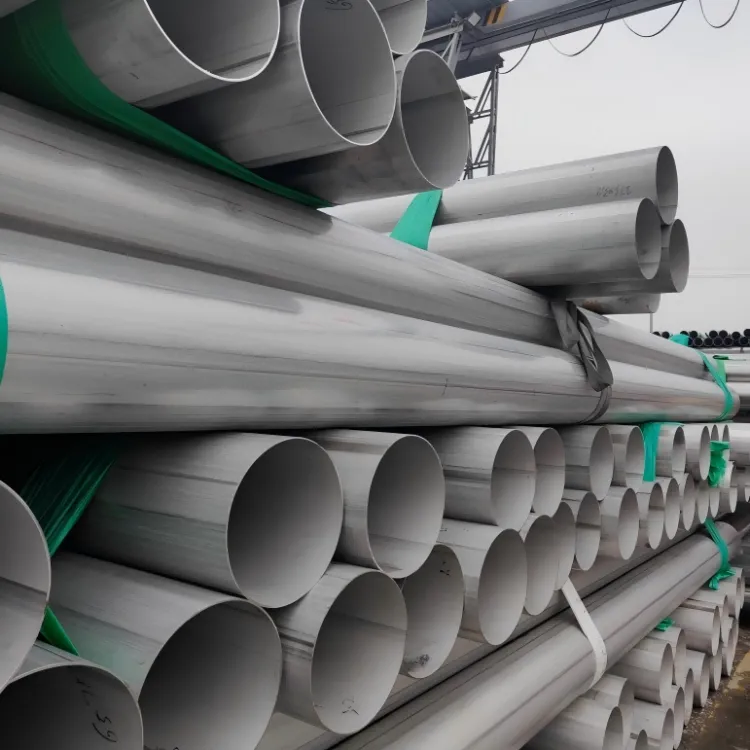
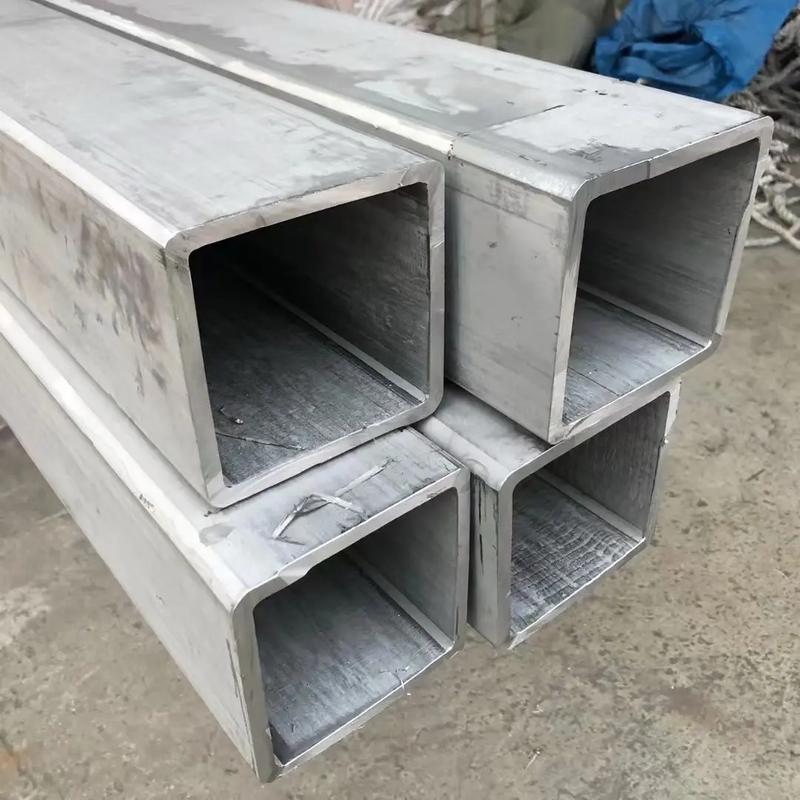
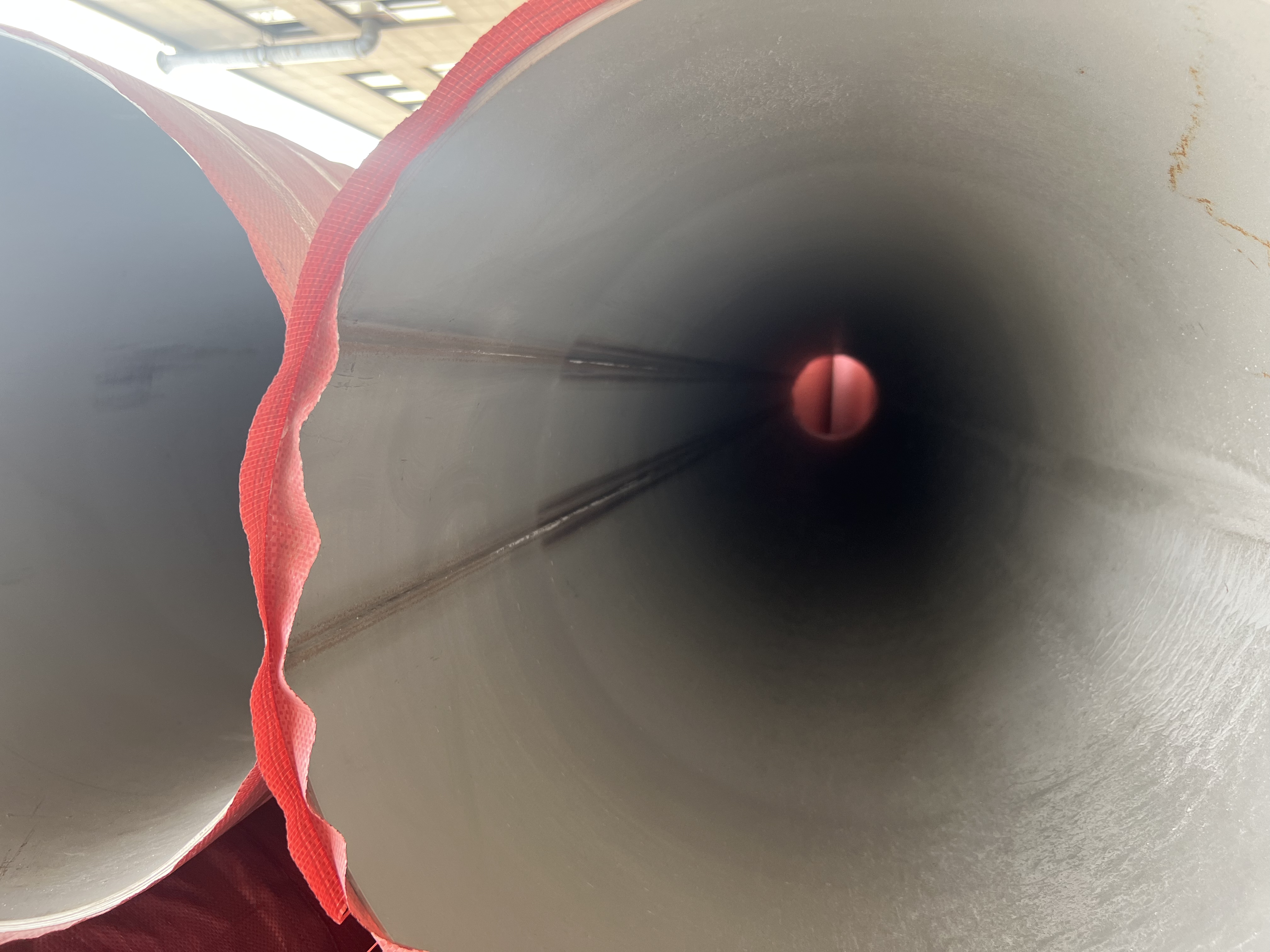
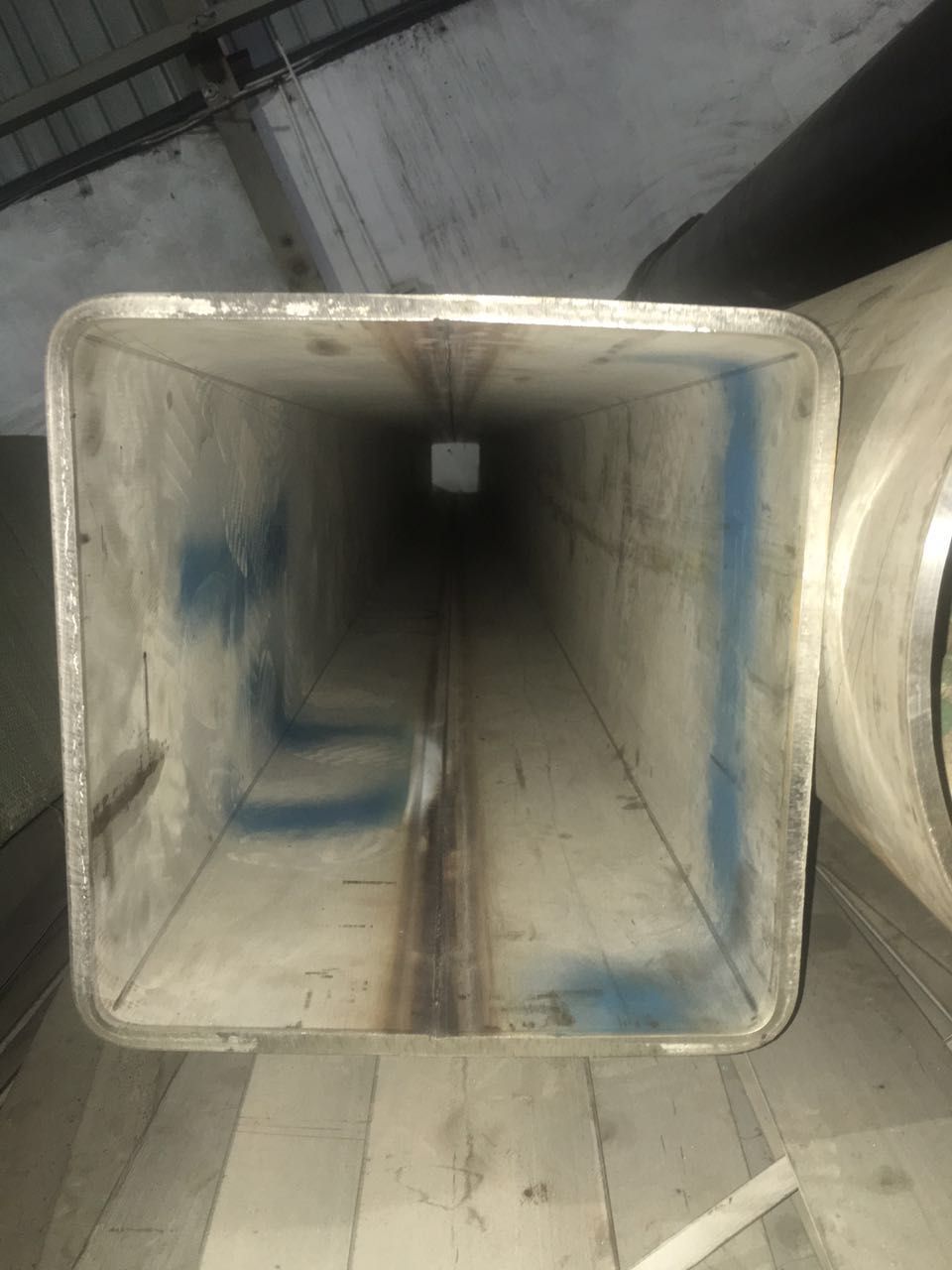
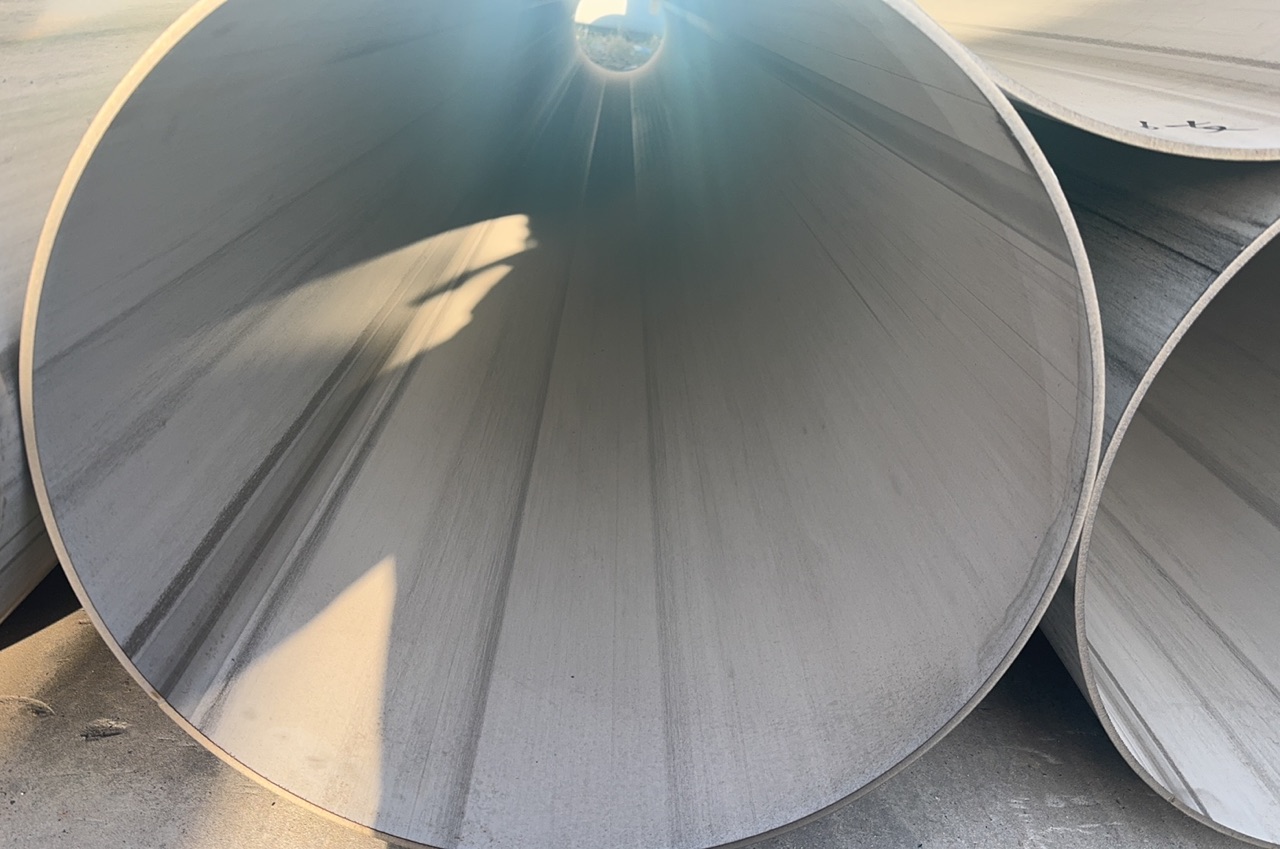
Pipe seam welding represents a critical manufacturing process that creates strong, continuous joints along the longitudinal edges of metal pipes. This sophisticated technique transforms flat metal sheets or strips into cylindrical pipe structures by precisely joining their edges through controlled heat application and metallurgical fusion. The process begins with carefully prepared metal edges that undergo thorough cleaning and alignment to ensure optimal welding conditions. During pipe seam welding operations, intense heat melts the base materials along the joint line, creating a molten pool that solidifies into a permanent bond stronger than the original pipe material. Modern pipe seam welding systems incorporate advanced automation technologies that monitor temperature, speed, and penetration depth throughout the entire welding cycle. The main functions of pipe seam welding include creating leak-proof barriers for fluid transportation, establishing structural integrity for pressure-bearing applications, and ensuring dimensional accuracy across extended pipe lengths. Technological features encompass precise heat input control, real-time quality monitoring systems, and adaptive welding parameters that automatically adjust to material variations. The process utilizes various welding methods including electric resistance welding, laser welding, and plasma arc welding, each selected based on specific pipe specifications and performance requirements. Applications span numerous industries from oil and gas pipeline construction to automotive exhaust systems and HVAC ductwork manufacturing. Pipe seam welding enables the production of custom pipe diameters, wall thicknesses, and material grades that meet exact project specifications while maintaining consistent quality standards. The technology supports both high-volume manufacturing environments and specialized custom fabrication requirements, making it indispensable for modern infrastructure development and industrial applications requiring reliable pipe systems.

New Product Recommendations

Pipe seam welding delivers exceptional cost efficiency by transforming readily available flat metal stock into custom pipe configurations without requiring expensive pre-formed materials or complex tooling setups. This process eliminates the need for costly pipe inventory storage while enabling just-in-time production that reduces working capital requirements and warehouse overhead expenses. Manufacturing flexibility stands as another significant advantage, allowing producers to create pipes in virtually any diameter, wall thickness, or length specification within equipment capabilities. The technology adapts quickly to changing project requirements, supporting everything from small-diameter precision tubes to large-scale pipeline sections without major equipment modifications or lengthy setup procedures. Quality consistency represents a fundamental benefit of modern pipe seam welding systems that incorporate computerized controls and real-time monitoring capabilities. These automated systems maintain precise welding parameters throughout production runs, ensuring uniform joint strength, dimensional accuracy, and surface finish quality that meets or exceeds industry standards. The welded seam typically achieves strength characteristics equivalent to or superior to the base pipe material, creating reliable joints that perform under demanding pressure and temperature conditions. Production speed advantages become apparent in high-volume manufacturing scenarios where pipe seam welding systems can continuously produce pipes at rates significantly faster than alternative forming methods. Automated feeding mechanisms, consistent welding speeds, and minimal setup times between different pipe specifications contribute to enhanced throughput and reduced labor costs per unit. Material utilization efficiency reaches optimal levels since pipe seam welding processes generate minimal waste compared to traditional pipe forming methods that require extensive machining or cutting operations. The ability to use standard width metal coils or sheets maximizes raw material yield while minimizing scrap generation and associated disposal costs. Environmental benefits include reduced energy consumption per pipe unit compared to seamless pipe manufacturing processes, lower transportation costs due to efficient material utilization, and decreased carbon footprint through optimized production workflows that minimize waste and energy usage throughout the manufacturing cycle.

Tips And Tricks

Strongwin Stainless Steel Group Achieves ISO 90012015 Certification and AD 2000 Merkblatt Approval

28

Feb

Strongwin Stainless Steel Group Achieves ISO 90012015 Certification and AD 2000 Merkblatt Approval

View More
Strongwin Stainless Steel Group Announces Major Production Capacity Expansion to Meet Growing Global Demand

11

Mar

Strongwin Stainless Steel Group Announces Major Production Capacity Expansion to Meet Growing Global Demand

View More
Strongwin Stainless Steel Group Announces Strategic Partnership with Leading European Engineering Firm

11

Mar

Strongwin Stainless Steel Group Announces Strategic Partnership with Leading European Engineering Firm

View More

Get a Free Quote

Our representative will contact you soon.
Email
Mobile/WhatsApp
Name
Company Name
Message
0/1000

pipe seam welding

Superior Joint Strength and Structural Integrity

Superior Joint Strength and Structural Integrity

Pipe seam welding creates metallurgically superior joints that often exceed the mechanical properties of the base pipe material itself through controlled fusion processes that eliminate weak points commonly found in alternative joining methods. The welding process generates a heat-affected zone where the molecular structure of the metal undergoes beneficial transformation, resulting in refined grain structure and enhanced tensile strength characteristics. Advanced welding techniques ensure complete penetration through the pipe wall thickness, creating a continuous bond that distributes stress evenly across the entire joint area without creating stress concentration points that could lead to premature failure. Modern pipe seam welding systems incorporate sophisticated heat input controls that optimize the fusion process while minimizing distortion and maintaining precise dimensional tolerances throughout the weld zone. The resulting joint exhibits excellent fatigue resistance properties, making it suitable for applications involving cyclic loading, pressure fluctuations, and thermal expansion cycles commonly encountered in pipeline systems and pressure vessel applications. Quality assurance protocols integrated into pipe seam welding processes include real-time penetration monitoring, automatic defect detection systems, and comprehensive testing procedures that verify joint integrity before pipes leave the manufacturing facility. Non-destructive testing methods such as ultrasonic inspection and radiographic examination can easily evaluate pipe seam welding quality, providing documented proof of joint integrity for critical applications requiring certification and regulatory compliance. The uniform heat distribution achieved through controlled pipe seam welding processes eliminates the internal stresses and geometric irregularities associated with mechanical joining methods, resulting in pipes that maintain consistent performance characteristics under extreme operating conditions including high pressures, elevated temperatures, and corrosive environments that would challenge inferior joining techniques.
Exceptional Manufacturing Flexibility and Customization Capabilities

Exceptional Manufacturing Flexibility and Customization Capabilities

Pipe seam welding technology offers unparalleled manufacturing flexibility that enables producers to create custom pipe specifications tailored to exact project requirements without the constraints and lead times associated with standard pipe inventory limitations. This adaptability allows manufacturers to respond quickly to unique customer demands, prototype development needs, and specialized applications that require non-standard dimensions or material combinations. The process accommodates an extensive range of metal alloys including carbon steel, stainless steel, aluminum, copper, and exotic materials used in specialized industrial applications, with each material requiring specific welding parameter optimization to achieve optimal joint properties. Advanced pipe seam welding systems can seamlessly transition between different pipe diameters, wall thicknesses, and material grades within the same production run, maximizing equipment utilization while minimizing setup times and production delays. Custom length capabilities eliminate the waste associated with cutting standard pipes to specific project dimensions, as pipe seam welding systems can produce pipes in exact lengths required for installation, reducing material costs and simplifying logistics. The technology supports both thin-wall applications requiring precise heat control to prevent burn-through and heavy-wall applications demanding deep penetration welding techniques, demonstrating remarkable versatility across diverse industry requirements. Automated programming capabilities allow operators to store and recall welding parameters for frequently produced pipe specifications, ensuring consistent quality while reducing setup complexity and operator skill requirements. Integration with computer-aided design systems enables direct translation of engineering specifications into welding programs, streamlining the transition from design concept to finished pipe product. This manufacturing flexibility extends to surface finish requirements, with pipe seam welding processes capable of producing smooth interior surfaces essential for fluid flow applications or textured surfaces needed for enhanced grip in structural applications, all while maintaining the integrity and strength of the welded joint.
Advanced Quality Control and Process Monitoring Systems

Advanced Quality Control and Process Monitoring Systems

Modern pipe seam welding incorporates sophisticated quality control technologies that provide real-time monitoring and automated adjustment capabilities, ensuring consistent production quality that meets stringent industry standards and customer specifications throughout extended production runs. Integrated sensor systems continuously monitor critical welding parameters including temperature profiles, welding speed, electrode positioning, and penetration depth, automatically making micro-adjustments to maintain optimal welding conditions despite variations in material properties or environmental factors. Advanced vision systems equipped with high-resolution cameras and intelligent image processing algorithms inspect the weld zone during the welding process, immediately detecting potential defects such as incomplete penetration, porosity, or surface irregularities before they can propagate into finished pipe products. Data logging capabilities create comprehensive quality records for each pipe produced, documenting all welding parameters, inspection results, and material traceability information required for quality certifications and regulatory compliance in critical applications. Statistical process control algorithms analyze production data trends to predict potential quality issues before they occur, enabling proactive maintenance scheduling and parameter optimization that prevents defective production and minimizes waste. Automated rejection systems immediately remove pipes that fail to meet established quality criteria, preventing defective products from entering the supply chain while maintaining production flow continuity. The integration of artificial intelligence and machine learning technologies enables pipe seam welding systems to continuously improve their performance by analyzing historical production data and optimizing welding parameters based on successful production outcomes. Remote monitoring capabilities allow quality engineers and production managers to oversee multiple pipe seam welding lines from centralized control rooms, providing real-time visibility into production status, quality metrics, and equipment performance across entire manufacturing facilities. These advanced quality control systems significantly reduce the need for post-production inspection and testing, lowering production costs while improving delivery schedules and customer satisfaction through consistent product quality.

Get a Free Quote

Our representative will contact you soon.
Email
Mobile/WhatsApp
Name
Company Name
Message
0/1000