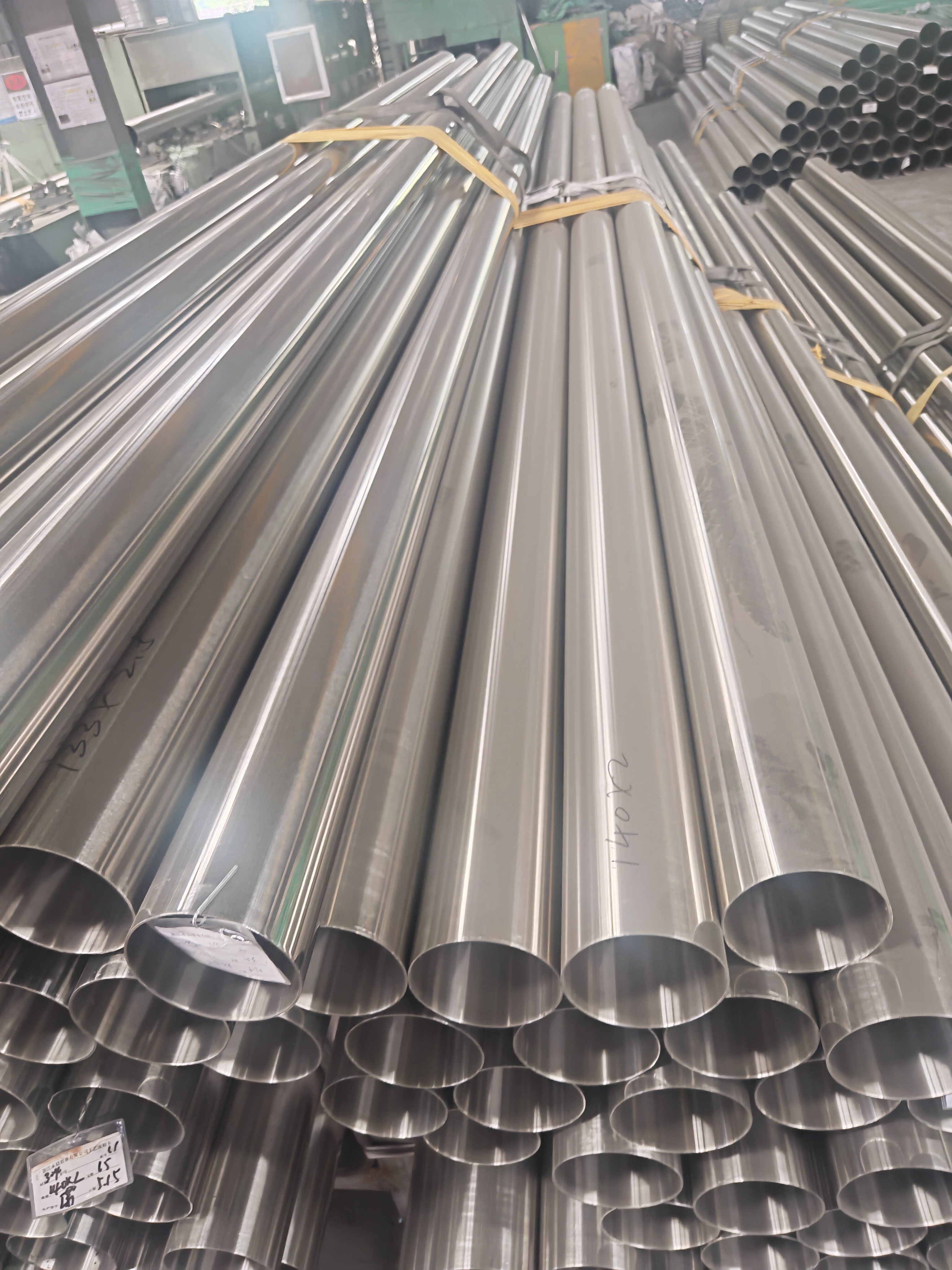
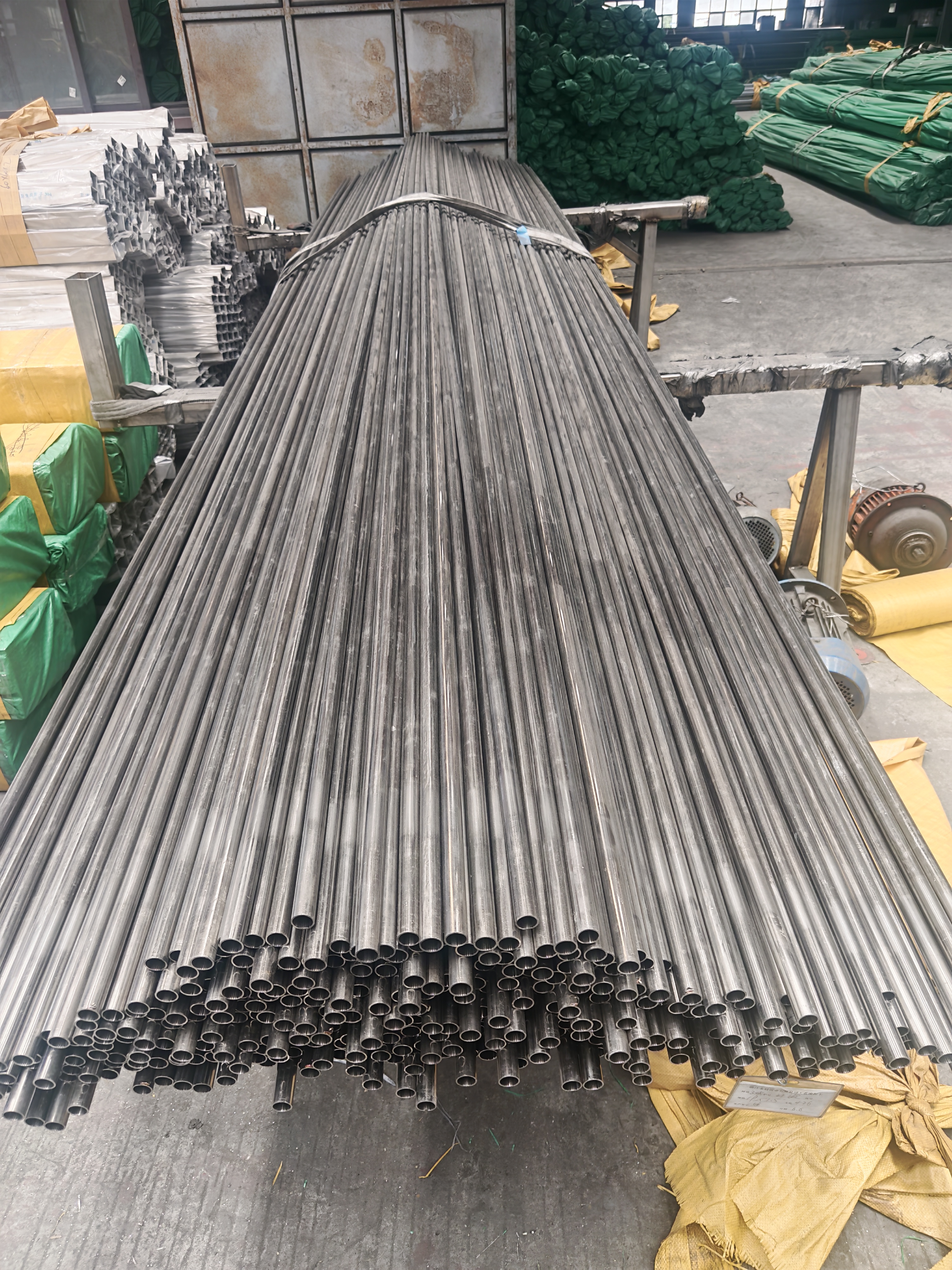
piped seam welding
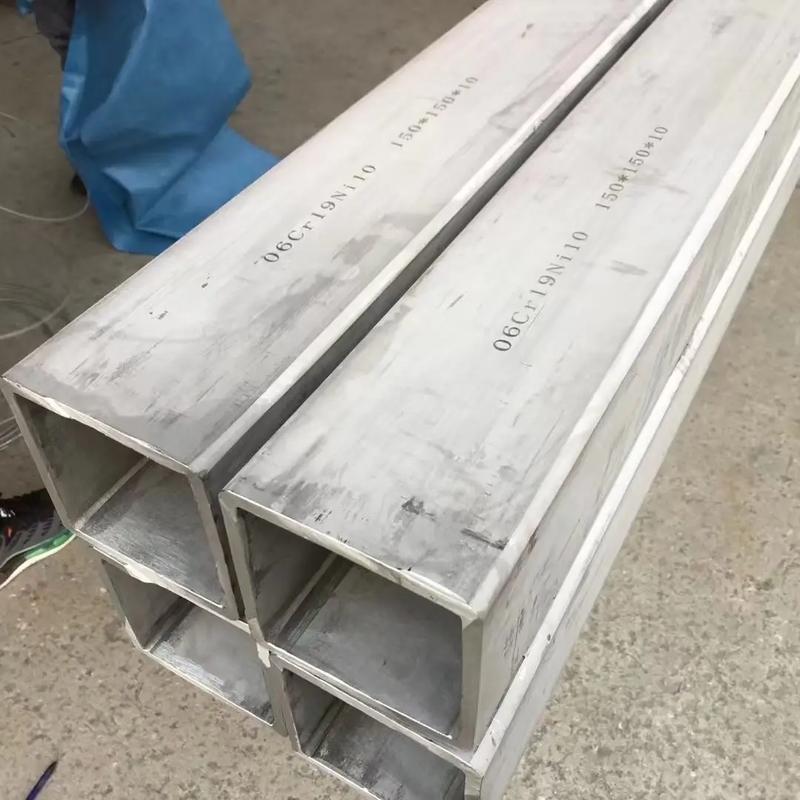
Piped seam welding represents a specialized metal joining technique designed to create strong, reliable connections in tubular and hollow structural components. This advanced process involves welding along the seams of pipes and tubes, ensuring complete fusion between materials while maintaining structural integrity. Piped seam welding utilizes automated or semi-automated equipment that precisely guides the welding torch along the seam, delivering consistent heat and filler material throughout the joint. The technological features of piped seam welding include precision alignment systems, controlled heat input, and continuous monitoring to achieve uniform penetration and bead quality. Modern piped seam welding systems employ various techniques including gas tungsten arc welding and flux-cored arc welding to accommodate different pipe materials and thicknesses. The process requires careful parameter selection, including travel speed, voltage, and amperage adjustments, to optimize results for specific applications. Piped seam welding finds extensive application across industries requiring high-strength pipe connections, including oil and gas transportation, pressure vessel manufacturing, structural steel construction, and HVAC systems. The versatility of piped seam welding makes it essential for producing pipes that must withstand extreme pressures, corrosive environments, and demanding operational conditions. Quality control measures are integral to piped seam welding operations, involving visual inspection, radiographic testing, and pressure testing to verify joint integrity and compliance with industry standards.
 EN
EN