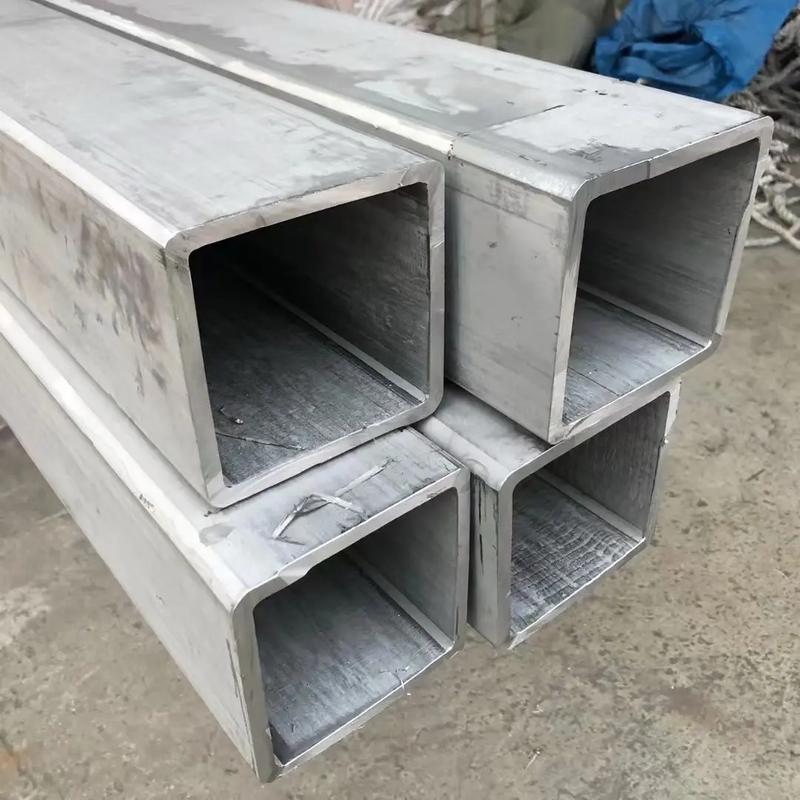
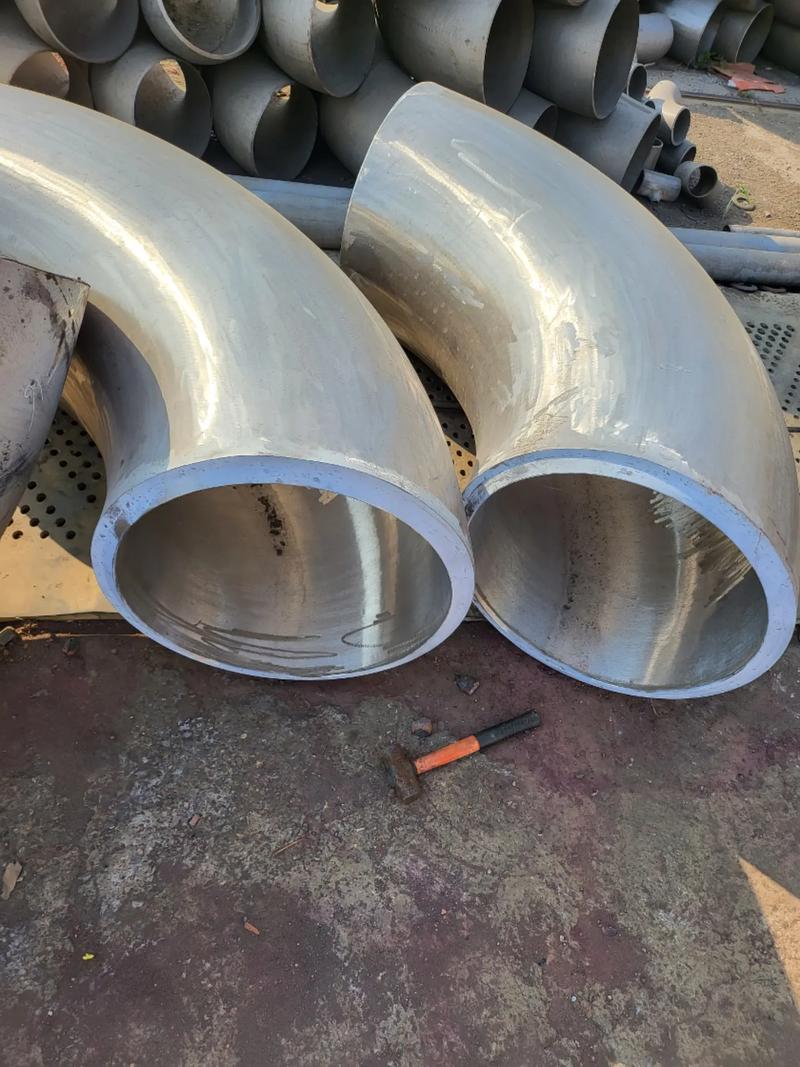
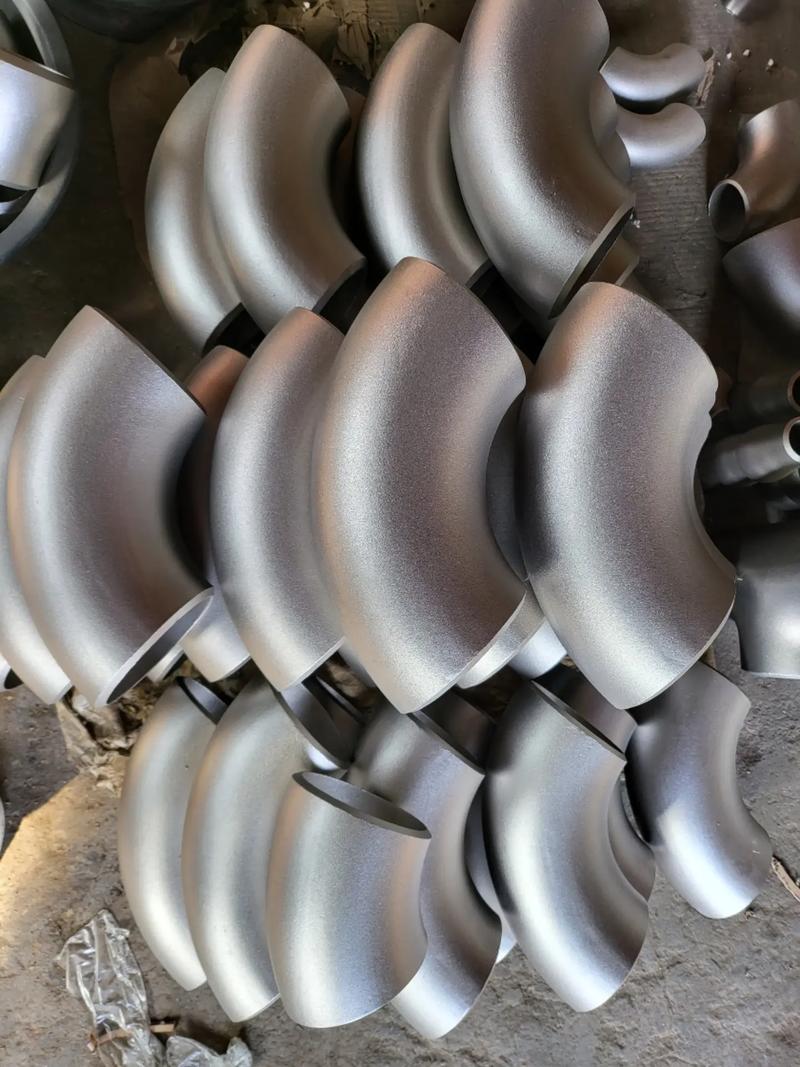
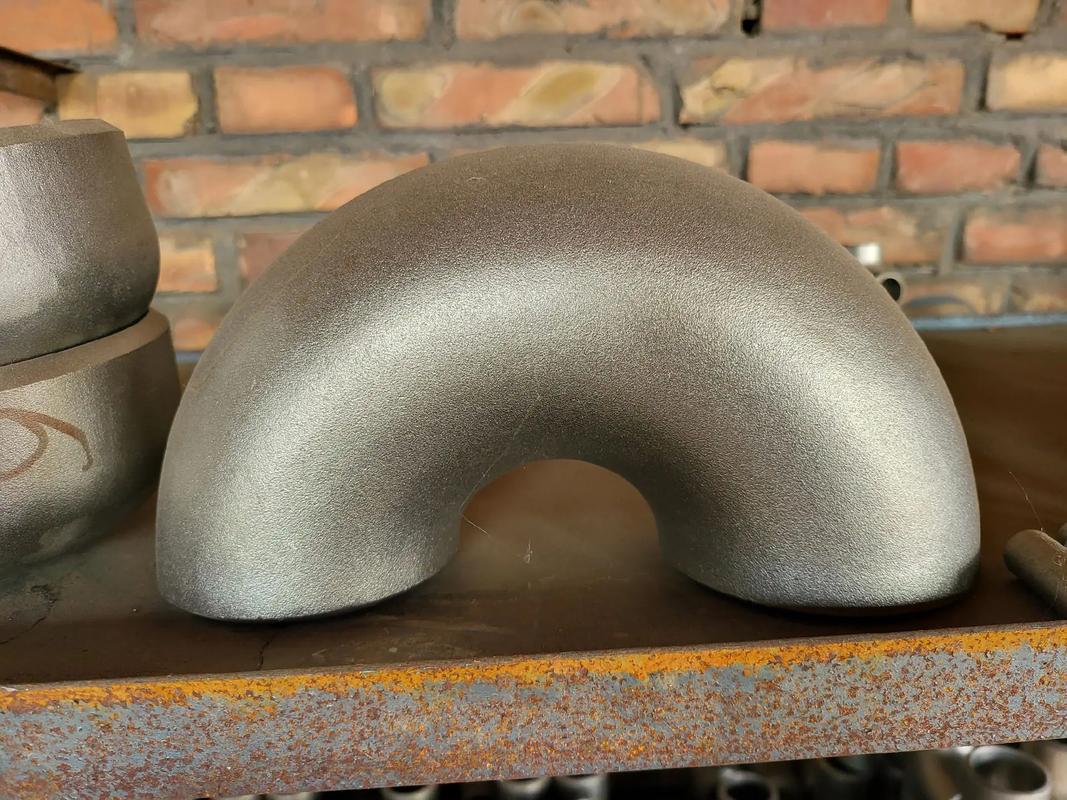
seamless steel elbows
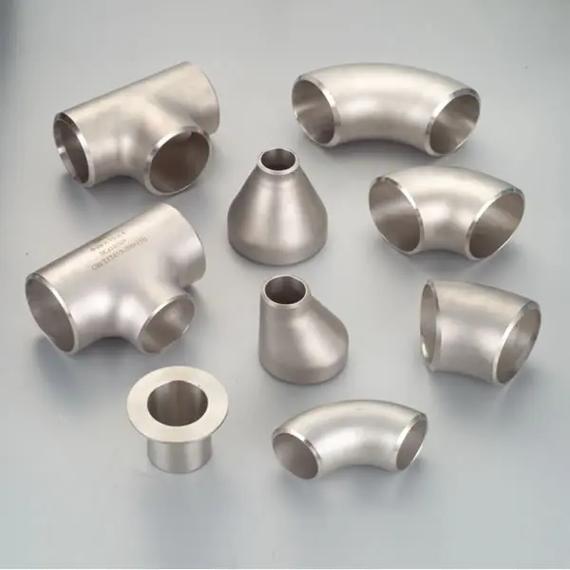
Seamless steel elbows are essential pipe fittings designed to change the direction of fluid or gas flow within piping systems. These specialized components are manufactured without any seams or welded joints, making them highly reliable for demanding industrial applications. Seamless steel elbows come in various angles, typically 45 degrees and 90 degrees, accommodating different directional requirements. The manufacturing process involves drawing seamless tubes and bending them to the desired angle, ensuring uniform wall thickness and superior structural integrity throughout the fitting. Seamless steel elbows function by redirecting flow while maintaining consistent pressure and minimizing turbulence within the system. Their primary applications include oil and gas transportation, chemical processing, power generation, and HVAC systems. The technological features of seamless steel elbows include enhanced corrosion resistance, high-temperature tolerance, and exceptional durability under extreme pressure conditions. These fittings are produced in multiple material grades, including carbon steel, stainless steel, and alloy compositions, allowing customization for specific environmental conditions. Seamless steel elbows provide superior performance compared to welded alternatives due to their seamless construction, which eliminates weak points and potential leak sources. Industries worldwide rely on seamless steel elbows to ensure safe, efficient, and long-lasting piping systems that handle both standard and challenging operational requirements.
 EN
EN