industrial pipe elbows
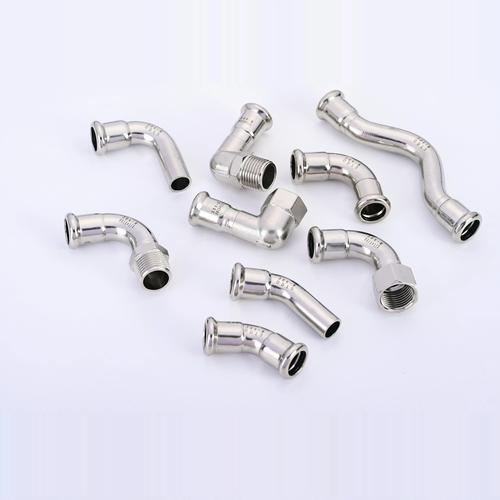
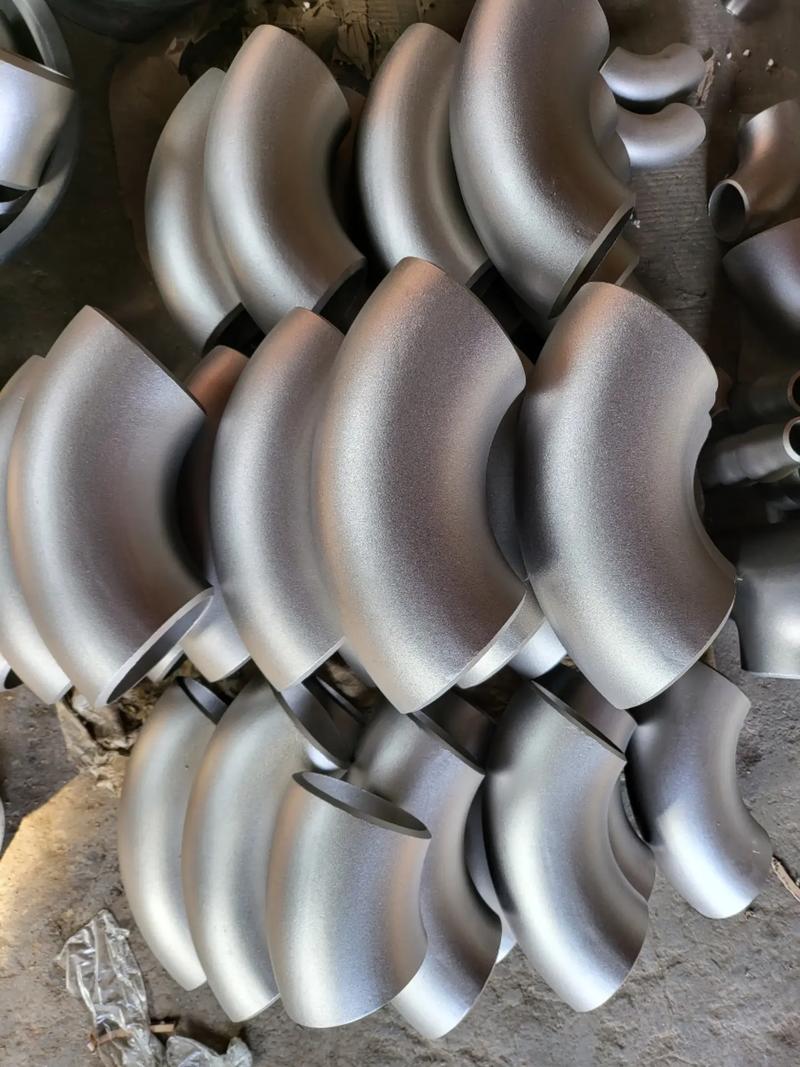
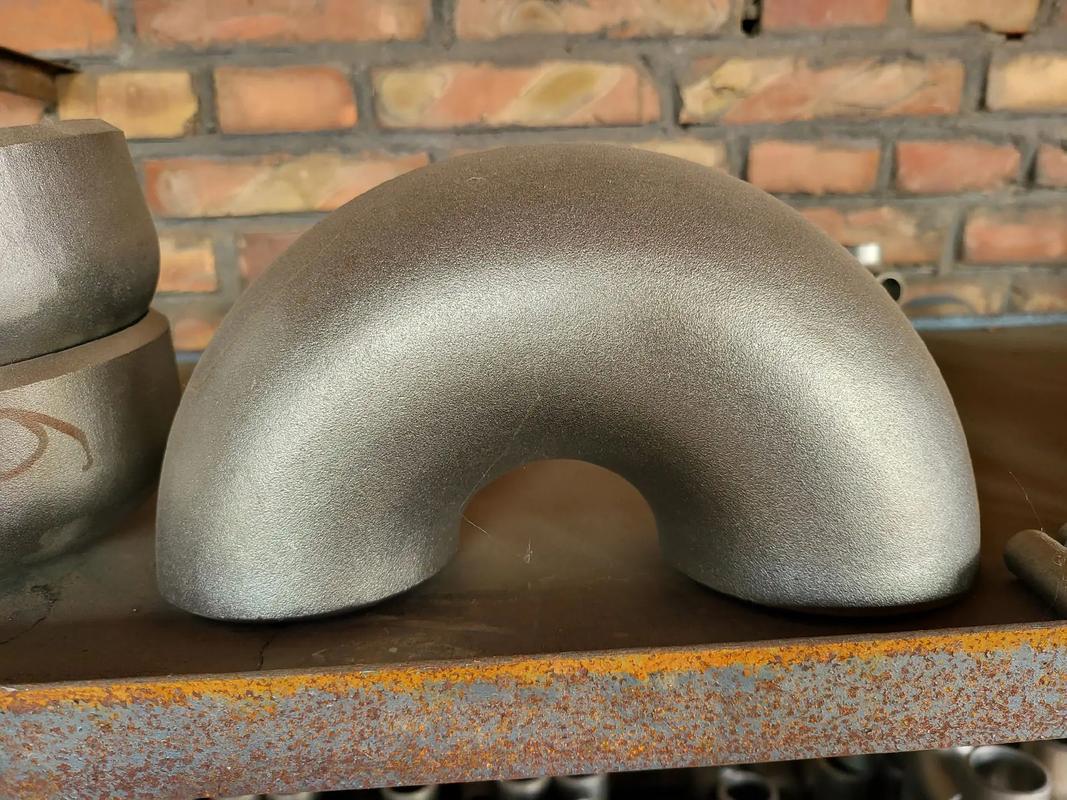
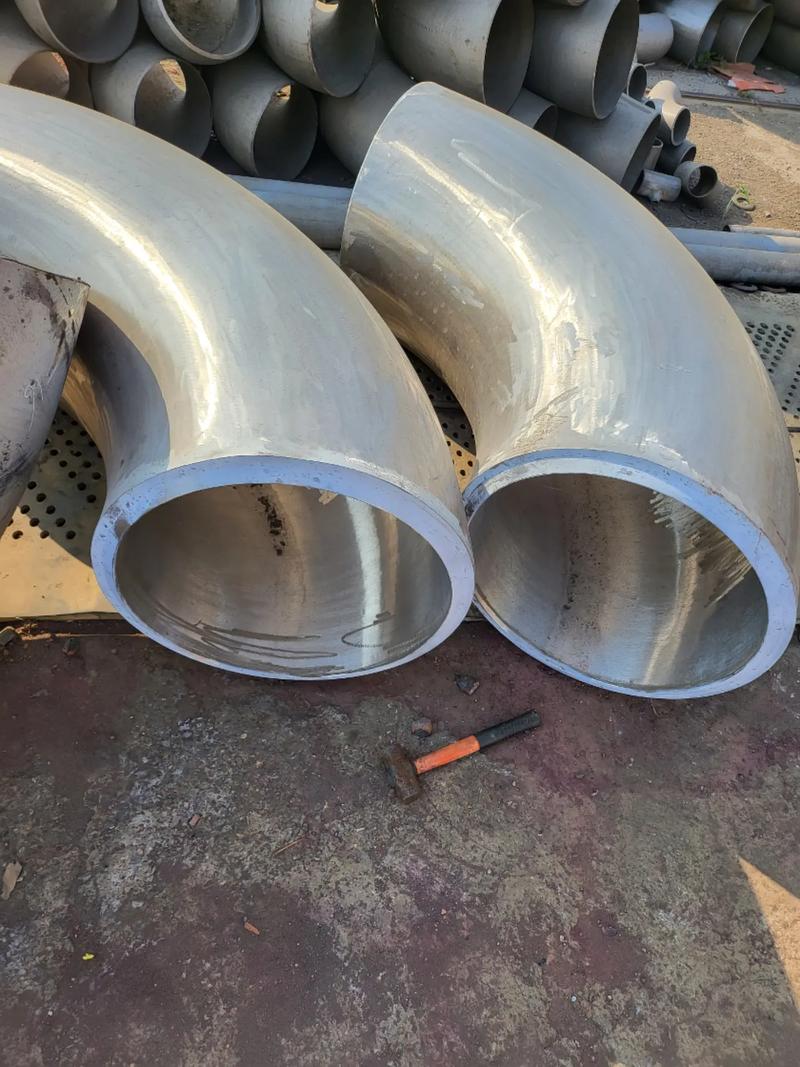
Industrial pipe elbows are essential components designed to change the direction of fluid or gas flow within piping systems. These critical fittings connect pipes at various angles, most commonly at 90 degrees or 45 degrees, enabling efficient routing around obstacles and through complex infrastructure. Industrial pipe elbows serve as fundamental connectors that redirect flow while maintaining system integrity and pressure containment. The primary function of industrial pipe elbows involves redirecting media flow smoothly while minimizing turbulence and energy loss. Technologically, industrial pipe elbows are manufactured using advanced materials including carbon steel, stainless steel, and alloy compositions, each selected based on application requirements. The production process involves precision engineering to ensure optimal flow characteristics and structural durability. Industrial pipe elbows feature seamless or welded construction, with wall thicknesses conforming to industry standards for maximum reliability. These fittings undergo rigorous quality testing to verify pressure ratings, dimensional accuracy, and material composition. Applications for industrial pipe elbows span numerous sectors including oil and gas transportation, chemical processing, water treatment facilities, HVAC systems, and manufacturing plants. Industrial pipe elbows are particularly valuable in applications requiring corrosion resistance, high-temperature operation, or extreme pressure handling. Their versatile design accommodates various pipe diameters and connection methods, including threading, welding, and flanged connections, making industrial pipe elbows indispensable across diverse industrial environments.
 EN
EN