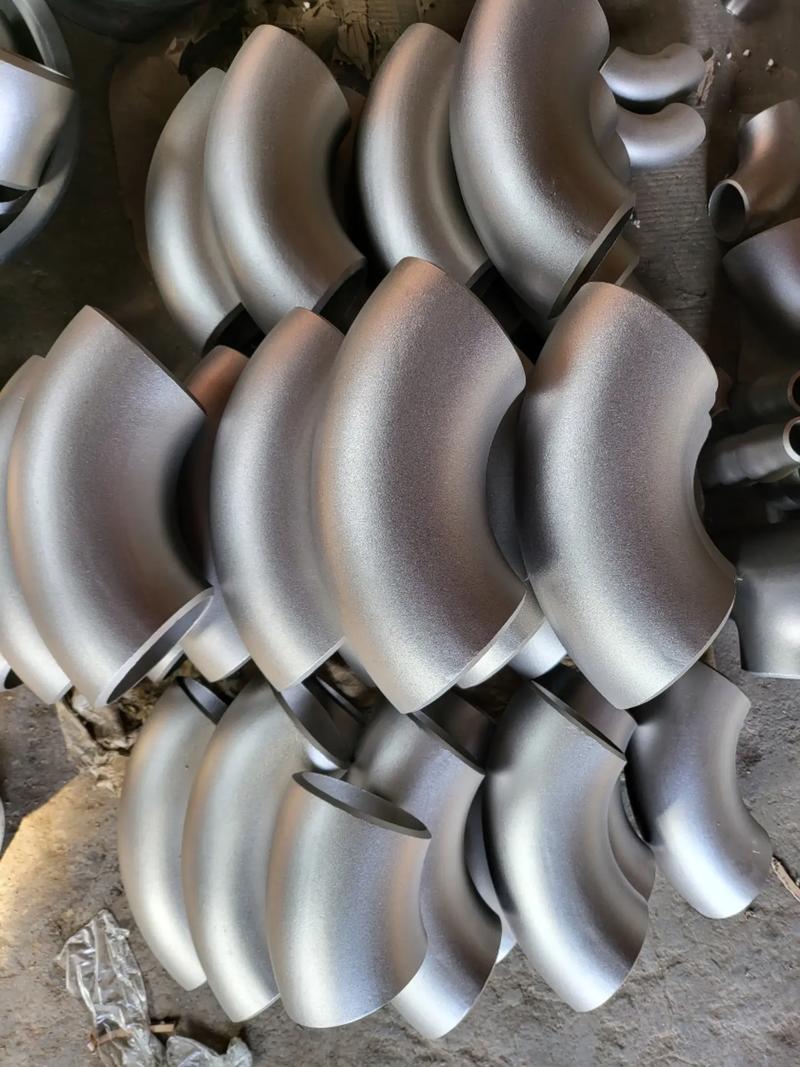
stainless steel pipe elbow fitting
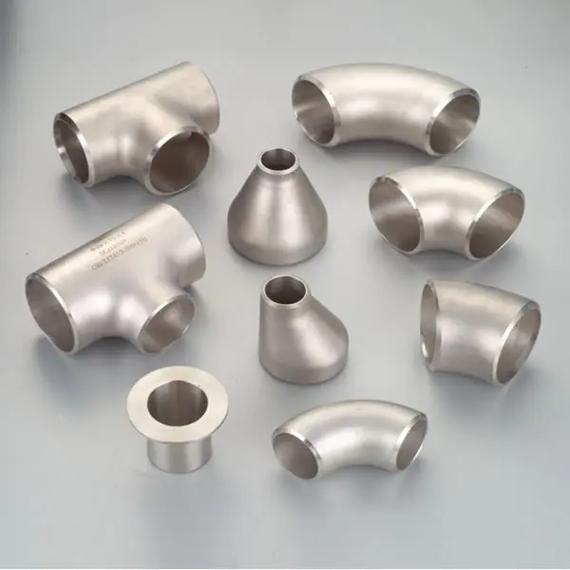
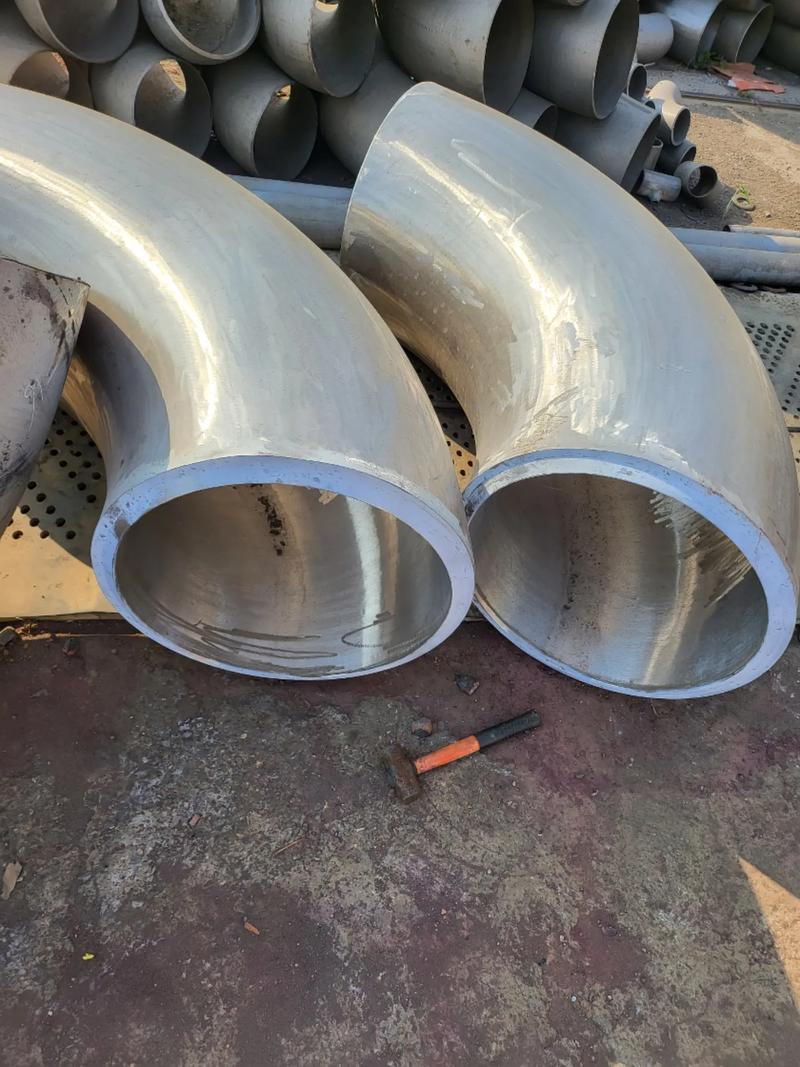
A stainless steel pipe elbow fitting is a crucial component in piping systems that changes the direction of fluid or gas flow at specific angles, most commonly 90 degrees or 45 degrees. This stainless steel pipe elbow fitting serves as a connector that allows pipes to navigate around obstacles, adapt to spatial constraints, and maintain system efficiency. The stainless steel pipe elbow fitting is manufactured from high-grade stainless steel, typically 304 or 316 grade material, ensuring exceptional durability and longevity in demanding environments.
The primary function of a stainless steel pipe elbow fitting involves redirecting flow while minimizing pressure loss and turbulence within the pipeline. Technologically, these fittings feature precision engineering with smooth interior surfaces that reduce flow resistance and prevent sediment accumulation. The stainless steel pipe elbow fitting incorporates advanced welding and threading techniques, creating reliable joints that withstand high-pressure conditions and temperature fluctuations.
Applications for a stainless steel pipe elbow fitting span across numerous industries. Chemical processing facilities rely on these fittings for handling corrosive substances safely. Food and beverage manufacturers utilize them in hygienic processing systems where contamination prevention is critical. Oil and gas operations depend on stainless steel pipe elbow fitting solutions for transporting volatile substances. Pharmaceutical production, water treatment plants, and HVAC systems all benefit from the superior performance characteristics. Additionally, marine and offshore installations require stainless steel pipe elbow fitting components due to their exceptional resistance to saltwater corrosion and harsh environmental conditions.
 EN
EN