Premium Steel Tubing and Fittings - Industrial Grade Solutions for High-Performance Applications

All Categories

Get a Free Quote

Our representative will contact you soon.
Email
Mobile/WhatsApp
Name
Company Name
Message
0/1000

steel tubing and fittings

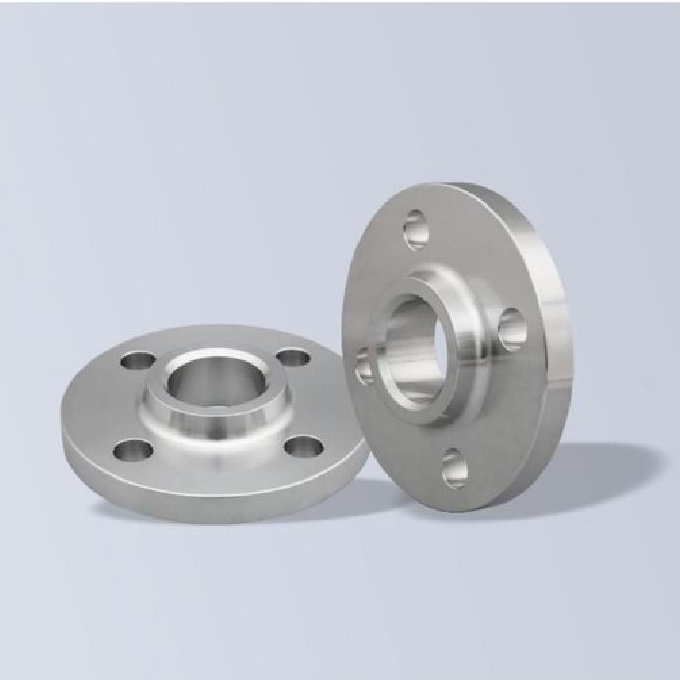
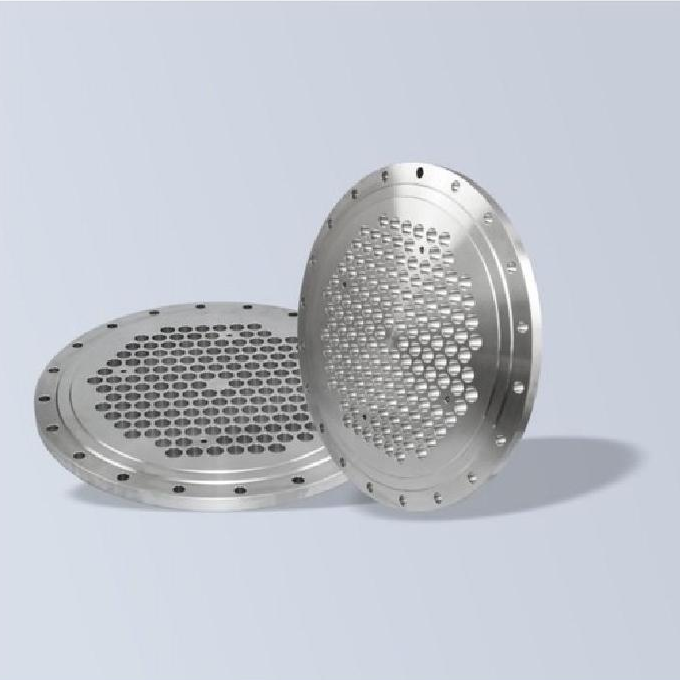
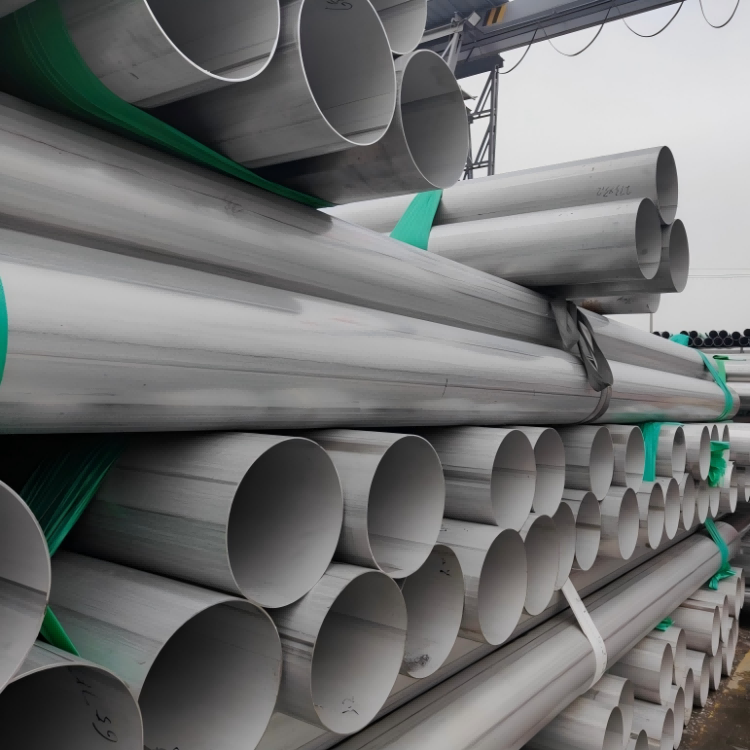
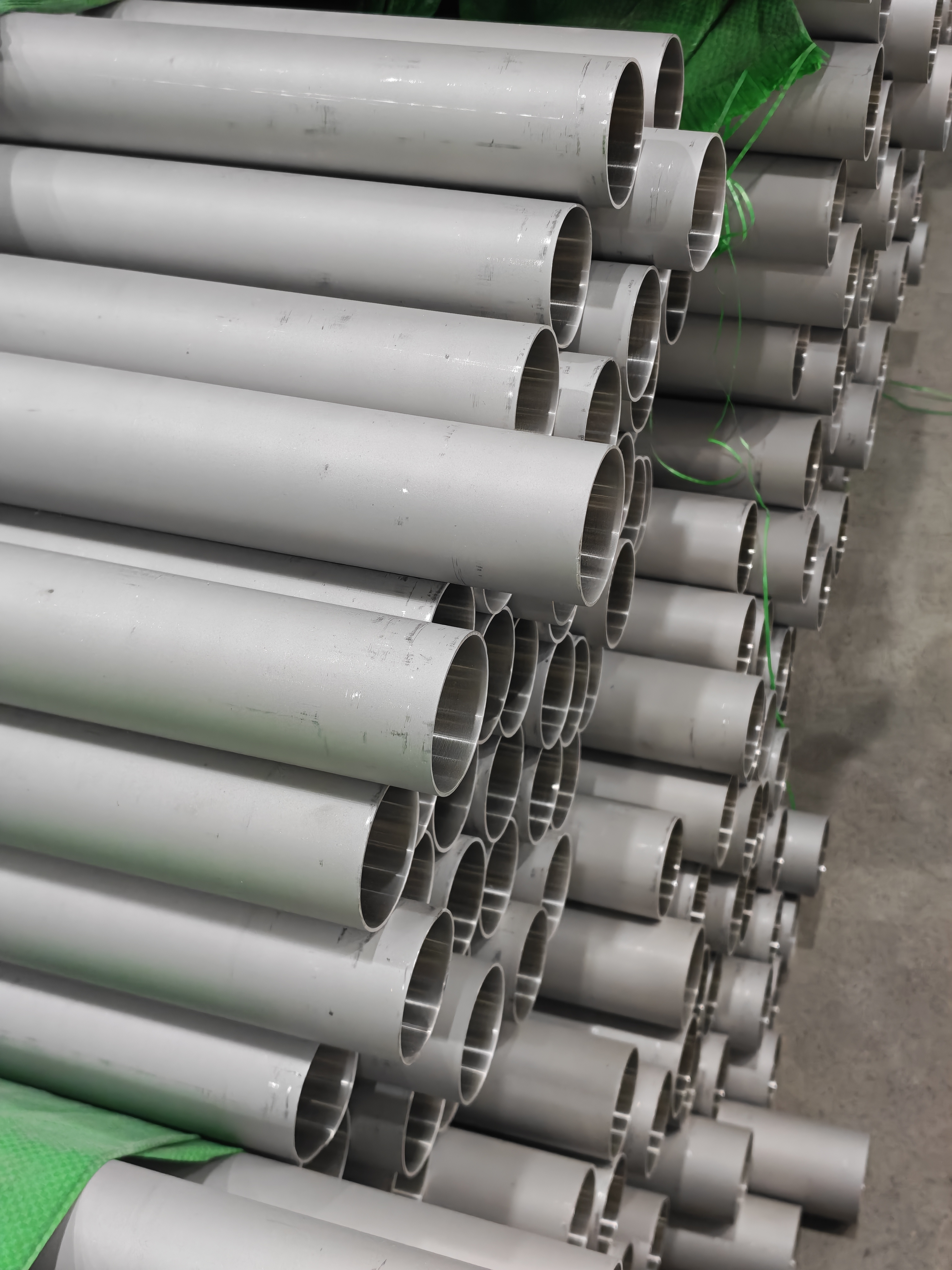
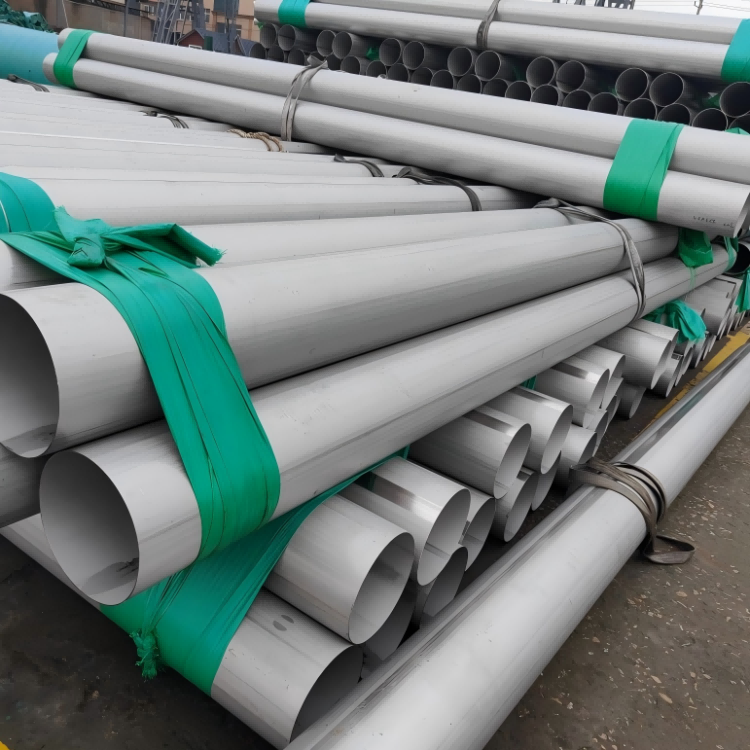
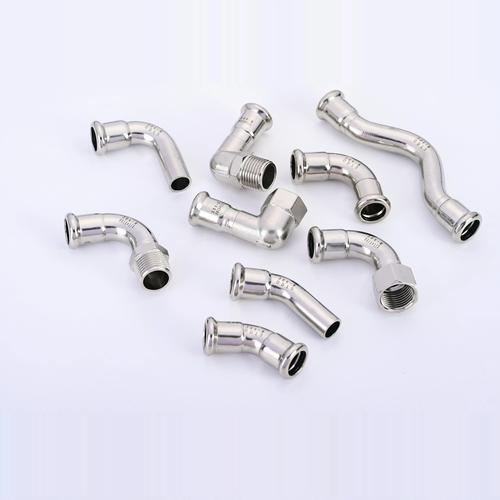
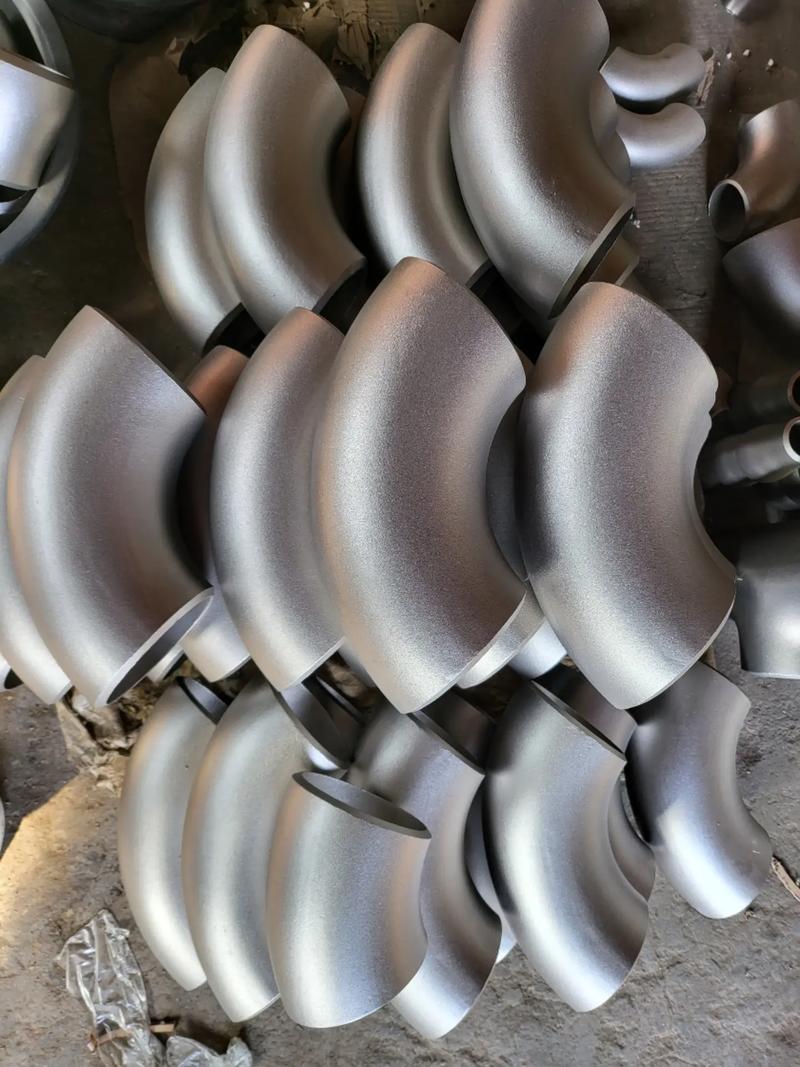
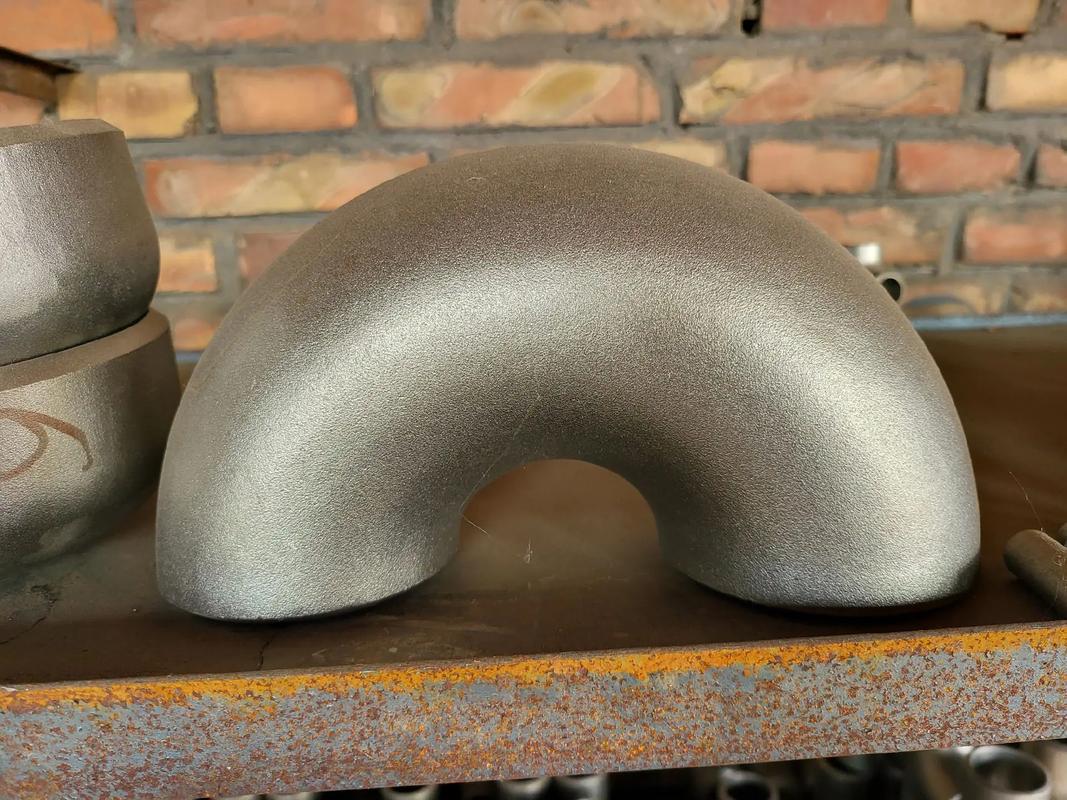
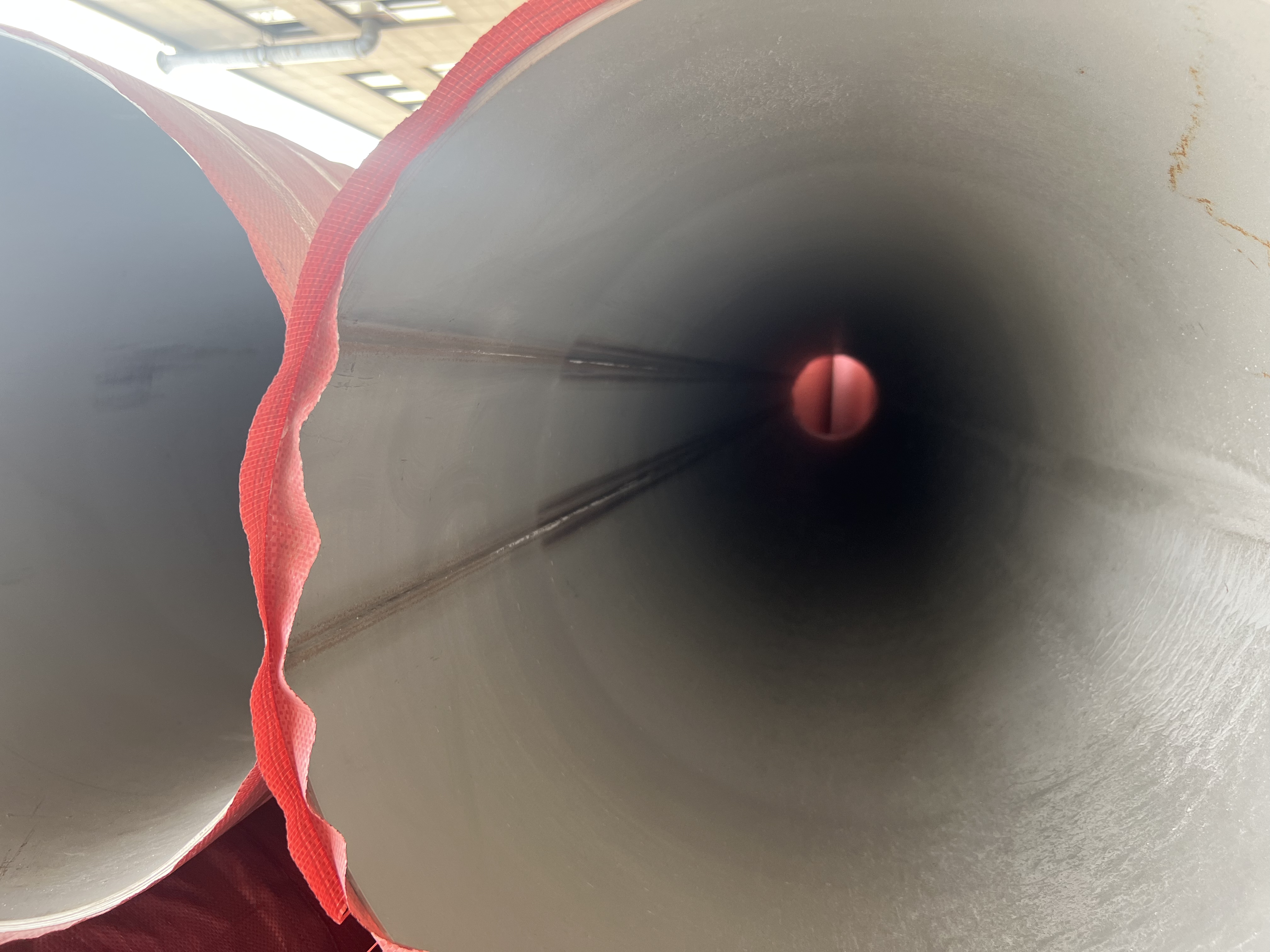
Steel tubing and fittings represent critical components in modern industrial infrastructure, serving as the backbone for fluid and gas transportation systems across numerous sectors. These engineered solutions combine the inherent strength and durability of steel with precision manufacturing techniques to deliver reliable performance in demanding environments. Steel tubing and fittings encompass a comprehensive range of products, including seamless and welded tubes, pipe fittings, connectors, valves, and specialized coupling systems designed to meet specific operational requirements. The main functions of steel tubing and fittings include facilitating secure fluid transfer, maintaining system pressure integrity, enabling directional flow control, and providing connection points between different system components. These systems excel in applications requiring high pressure resistance, temperature stability, and long-term reliability. Technological features of steel tubing and fittings include advanced metallurgy that ensures consistent material properties, precision machining for optimal fit and seal performance, and surface treatments that enhance corrosion resistance. Modern manufacturing processes incorporate computer-controlled production methods, ensuring dimensional accuracy and quality consistency across large production volumes. The steel tubing and fittings industry has embraced innovative alloy compositions that provide enhanced mechanical properties while maintaining cost-effectiveness. Applications for steel tubing and fittings span across petrochemical processing, power generation facilities, pharmaceutical manufacturing, food and beverage production, automotive systems, aerospace applications, and marine environments. In petrochemical plants, steel tubing and fittings handle aggressive chemicals and extreme temperatures while maintaining safety standards. Power generation facilities rely on these components for steam distribution, cooling systems, and fuel delivery networks. The versatility of steel tubing and fittings makes them indispensable in hydraulic systems, pneumatic networks, and instrumentation connections where precision and reliability are paramount for operational success and safety compliance.

New Product Releases

Steel tubing and fittings deliver exceptional value through their superior strength-to-weight ratio, making them ideal for applications where structural integrity cannot be compromised. The robust construction of steel tubing and fittings ensures they can withstand extreme pressures and temperatures that would cause failure in alternative materials, providing peace of mind for operators managing critical systems. This durability translates directly into reduced maintenance costs and extended service life, often spanning decades with proper installation and care. Steel tubing and fittings offer excellent chemical resistance, protecting against corrosion from acids, bases, and other aggressive substances commonly encountered in industrial processes. This resistance maintains system purity and prevents contamination that could compromise product quality or operational safety. The material properties of steel tubing and fittings provide consistent performance across wide temperature ranges, from cryogenic applications to high-heat environments, eliminating the need for frequent component replacements due to thermal cycling. Installation advantages include the ease of joining steel tubing and fittings using standard welding, threading, or compression techniques, allowing maintenance teams to work with familiar tools and procedures. This familiarity reduces training requirements and speeds repair times during emergency situations. Steel tubing and fittings maintain their dimensional stability over time, ensuring proper fit and seal integrity throughout their service life, unlike materials that may creep or deform under continuous stress. The recyclability of steel tubing and fittings supports environmental sustainability goals while providing cost recovery at the end of service life. Economic benefits include lower total cost of ownership compared to exotic alternatives, with steel tubing and fittings offering predictable pricing and widespread availability that simplifies procurement and inventory management. The standardization of steel tubing and fittings across industries ensures compatibility between different manufacturers and systems, reducing the complexity of sourcing replacement parts and enabling competitive bidding processes that control costs while maintaining quality standards.

Practical Tips

Strongwin Stainless Steel Group Achieves ISO 90012015 Certification and AD 2000 Merkblatt Approval

28

Feb

Strongwin Stainless Steel Group Achieves ISO 90012015 Certification and AD 2000 Merkblatt Approval

View More
Strongwin Stainless Steel Group Announces Major Production Capacity Expansion to Meet Growing Global Demand

11

Mar

Strongwin Stainless Steel Group Announces Major Production Capacity Expansion to Meet Growing Global Demand

View More
Strongwin Stainless Steel Group Announces Strategic Partnership with Leading European Engineering Firm

11

Mar

Strongwin Stainless Steel Group Announces Strategic Partnership with Leading European Engineering Firm

View More

Get a Free Quote

Our representative will contact you soon.
Email
Mobile/WhatsApp
Name
Company Name
Message
0/1000

steel tubing and fittings

Unmatched Pressure Rating and Structural Integrity

Unmatched Pressure Rating and Structural Integrity

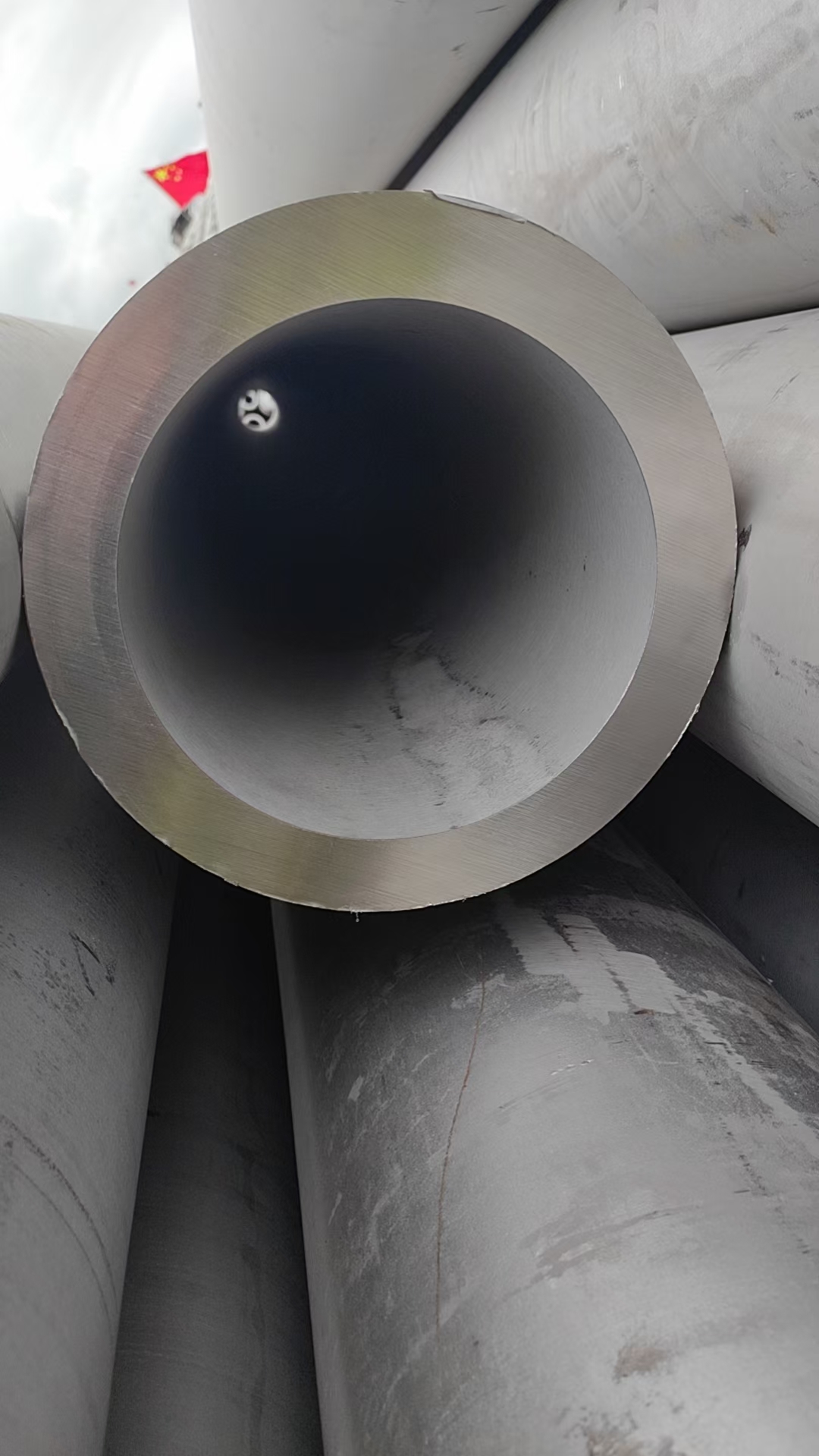
Steel tubing and fittings excel in high-pressure applications where safety and reliability are non-negotiable requirements. The molecular structure of steel provides exceptional tensile strength and yield resistance, enabling steel tubing and fittings to safely contain pressures that would rupture or deform other materials. This capability stems from the crystalline arrangement of iron atoms within the steel matrix, which creates strong metallic bonds that distribute stress evenly across the component structure. Engineering standards for steel tubing and fittings typically specify pressure ratings that exceed operational requirements by significant safety margins, providing confidence for system designers and operators. The manufacturing process for steel tubing and fittings involves controlled cooling and heat treatment procedures that optimize grain structure and eliminate internal stresses that could compromise performance under pressure. Quality assurance protocols include hydrostatic testing that verifies each batch of steel tubing and fittings can safely exceed their rated working pressure without failure or permanent deformation. This testing ensures that installed systems will operate reliably throughout their design life, even when subjected to pressure spikes or surge conditions. The thick wall construction typical of steel tubing and fittings provides additional safety margin beyond minimum design requirements, accommodating unexpected loads or operating conditions that might occur during system upsets. Pressure retention capability of steel tubing and fittings remains stable over time, unlike polymeric materials that may experience stress relaxation or environmental stress cracking that reduces their pressure-handling capacity. This long-term stability eliminates concerns about gradual system degradation and the need for periodic pressure rating downgrades. The robust nature of steel tubing and fittings also provides excellent resistance to water hammer and pressure shock events that can damage lighter-weight alternatives, protecting valuable equipment and preventing costly system failures that could result in production downtime or safety incidents.
Superior Corrosion Resistance and Chemical Compatibility

Superior Corrosion Resistance and Chemical Compatibility

Steel tubing and fittings demonstrate remarkable resistance to chemical attack and environmental degradation through advanced metallurgical engineering and protective surface treatments. The corrosion resistance of steel tubing and fittings can be enhanced through alloying elements such as chromium, nickel, and molybdenum that form passive oxide layers on exposed surfaces, creating natural barriers against aggressive chemicals. This passivation process occurs automatically when steel tubing and fittings are exposed to oxygen, forming a thin, invisible protective film that self-repairs when damaged, providing continuous protection throughout the service life. Stainless steel grades used in steel tubing and fittings offer exceptional resistance to acids, alkalis, and chloride-containing solutions that would rapidly degrade carbon steel or other materials. The chemical inertness of properly selected steel tubing and fittings prevents contamination of process fluids, maintaining product purity in pharmaceutical, food processing, and semiconductor manufacturing applications where trace contamination can ruin entire production batches. Surface finishing techniques applied to steel tubing and fittings, including electropolishing and passivation treatments, create smooth, non-porous surfaces that resist bacterial growth and facilitate thorough cleaning and sanitization procedures required in hygienic applications. The thermal stability of the protective oxide layers on steel tubing and fittings ensures that corrosion resistance is maintained even at elevated temperatures where organic coatings would degrade or fail. Galvanic compatibility of steel tubing and fittings with other metallic system components prevents the formation of corrosion cells that could accelerate material degradation at connection points. The uniform corrosion behavior of steel tubing and fittings, when it does occur, results in predictable metal loss rates that can be incorporated into maintenance planning and replacement scheduling, avoiding unexpected failures that could compromise system integrity or safety. Environmental resistance extends beyond chemical attack to include protection against atmospheric corrosion, UV degradation, and thermal cycling effects that can impact outdoor installations and exposed piping systems.
Cost-Effective Lifecycle Performance and Maintenance Efficiency

Cost-Effective Lifecycle Performance and Maintenance Efficiency

Steel tubing and fittings deliver exceptional economic value through their combination of low initial cost, extended service life, and minimal maintenance requirements that reduce total ownership expenses over decades of operation. The manufacturing efficiency of steel tubing and fittings benefits from established production processes and economies of scale that keep material costs competitive while maintaining consistent quality standards across global suppliers. Installation cost advantages of steel tubing and fittings include compatibility with standard joining methods and tools that most maintenance personnel already possess, eliminating the need for specialized equipment or extensive training programs that add to project expenses. The predictable behavior of steel tubing and fittings under various operating conditions allows for accurate system design and sizing, preventing over-engineering that wastes material and increases unnecessary costs. Maintenance advantages include the ability to perform field repairs using welding, machining, and other conventional techniques that can be executed by local contractors without requiring factory service or specialized technicians. The availability of steel tubing and fittings from multiple suppliers ensures competitive pricing and eliminates single-source dependency that could lead to supply disruptions or price manipulation. Inventory management benefits from the long shelf life of steel tubing and fittings, which do not degrade during storage like rubber or plastic components that may require temperature-controlled warehousing or periodic replacement due to aging. The standardization of steel tubing and fittings across industries enables bulk purchasing agreements and volume discounts that further reduce material costs for large projects or organizations with multiple facilities. Lifecycle cost analysis consistently demonstrates that steel tubing and fittings provide superior value compared to alternatives when factoring in replacement frequency, maintenance labor, and system downtime costs. The recyclability of steel tubing and fittings at end of life provides material recovery value that offsets disposal costs and supports environmental sustainability initiatives. Energy efficiency benefits result from the smooth internal surfaces of steel tubing and fittings that minimize friction losses and reduce pumping costs over the system lifetime, providing ongoing operational savings that compound the initial investment value.

Get a Free Quote

Our representative will contact you soon.
Email
Mobile/WhatsApp
Name
Company Name
Message
0/1000