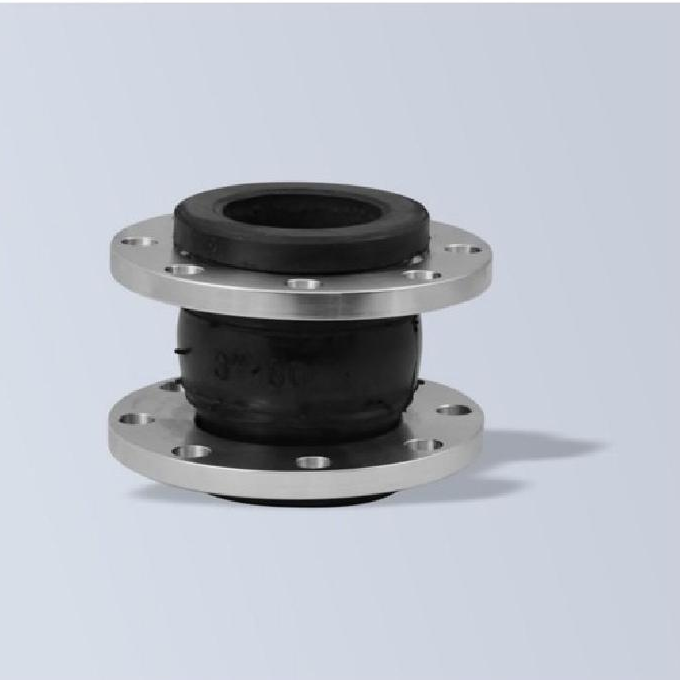
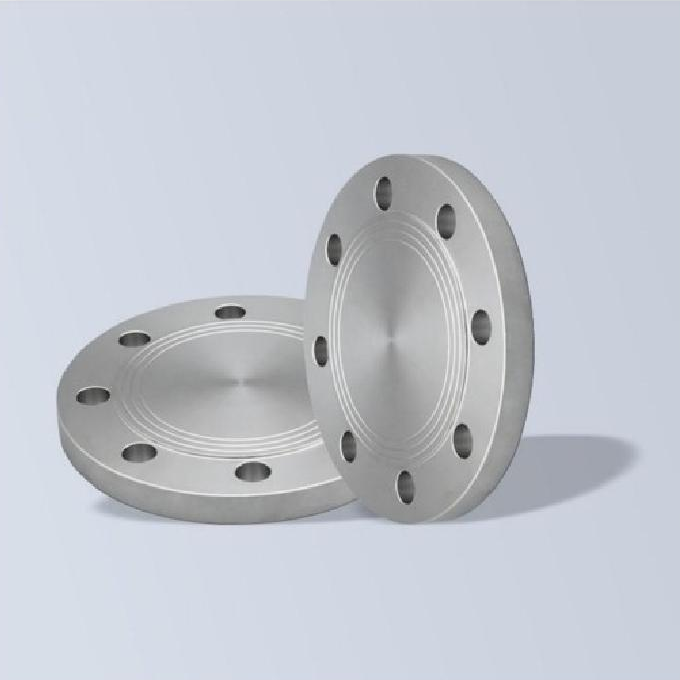
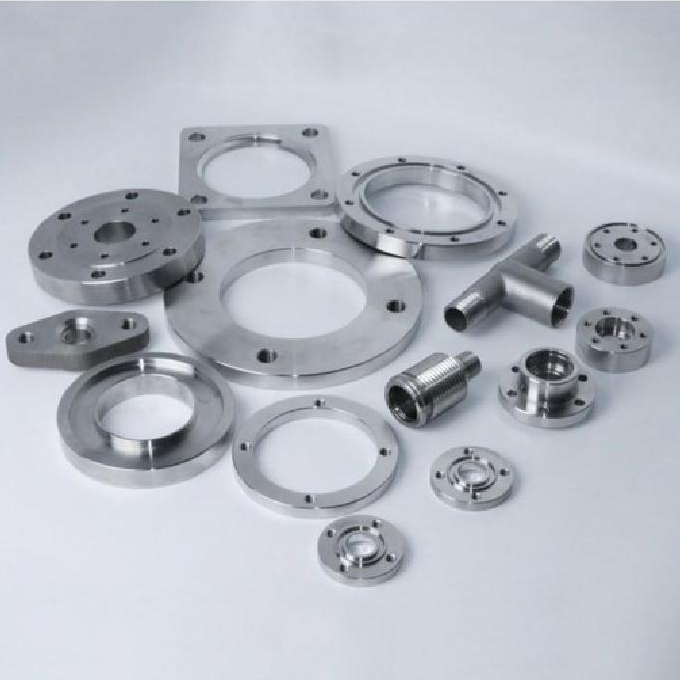
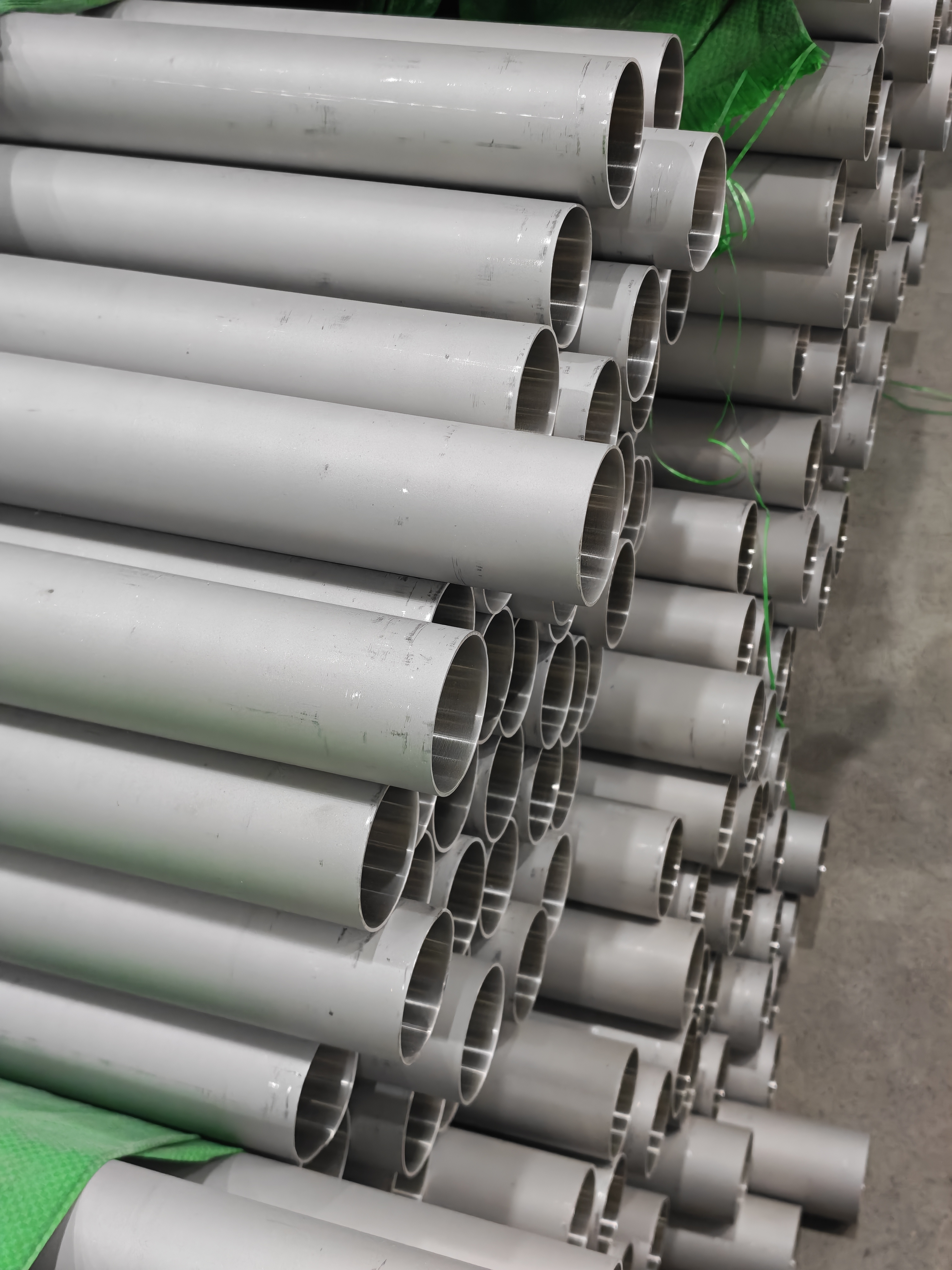
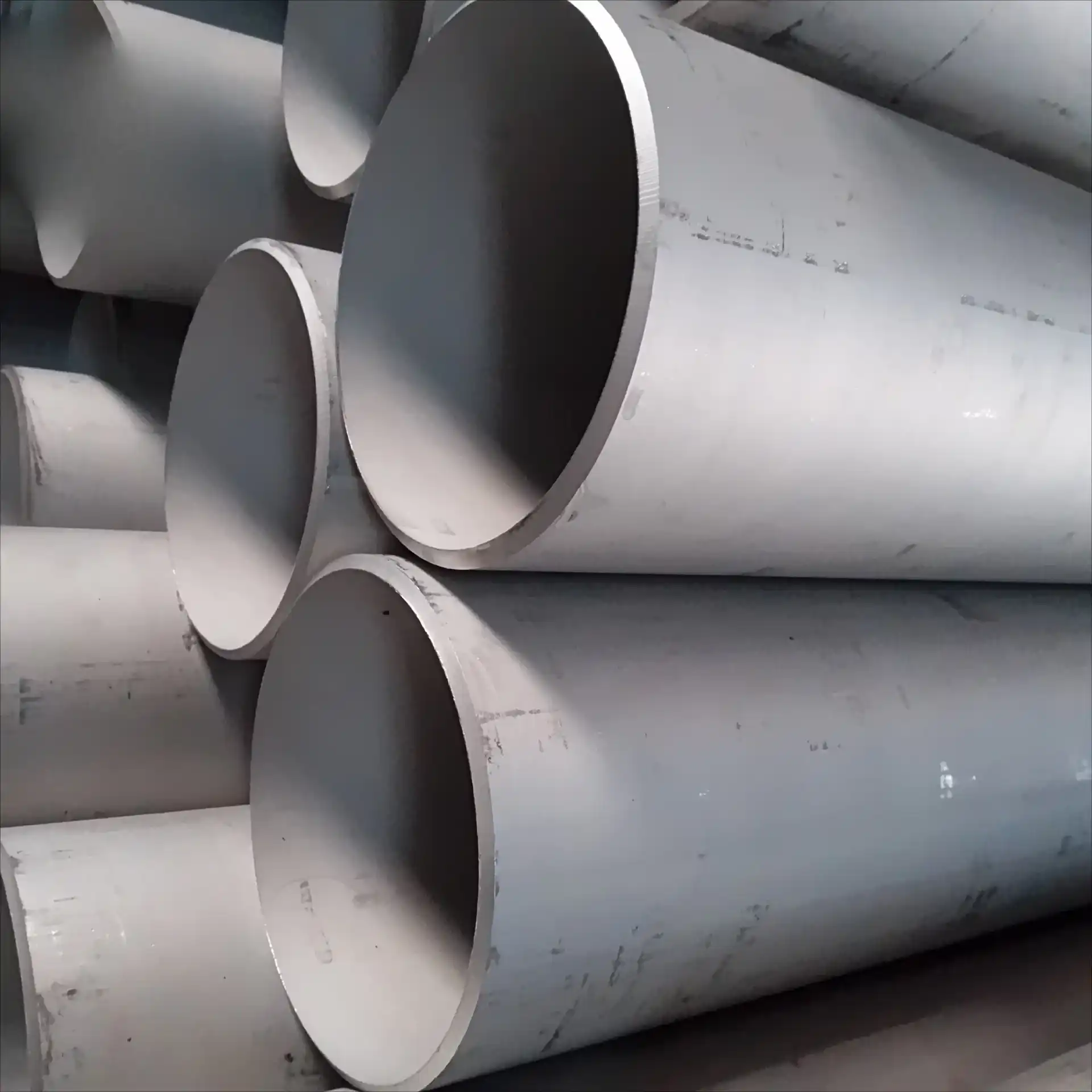
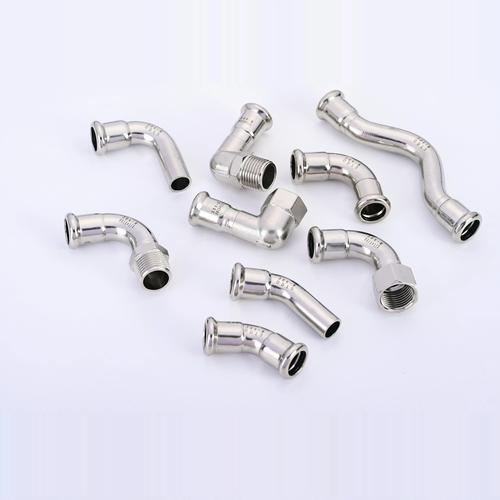
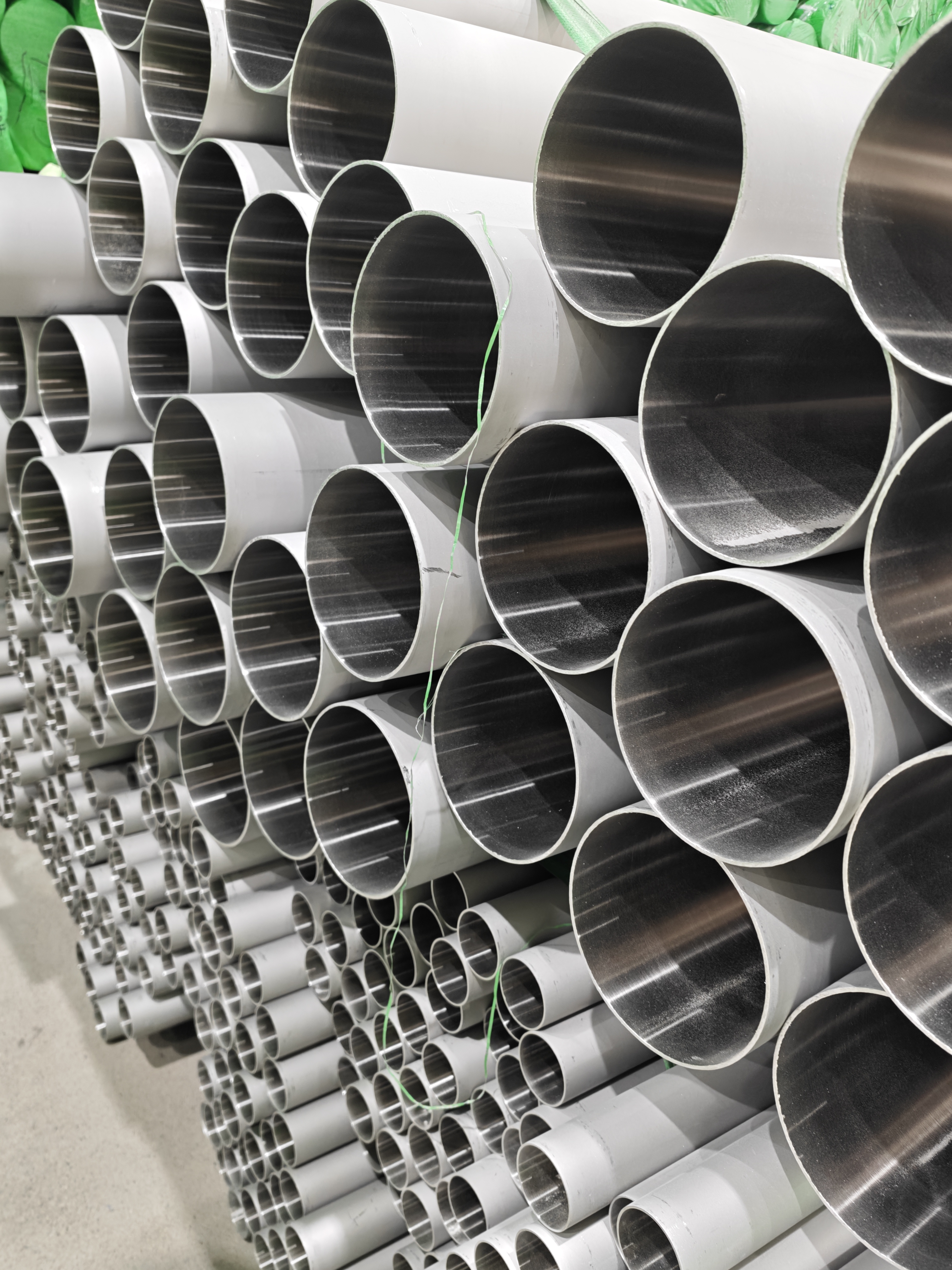
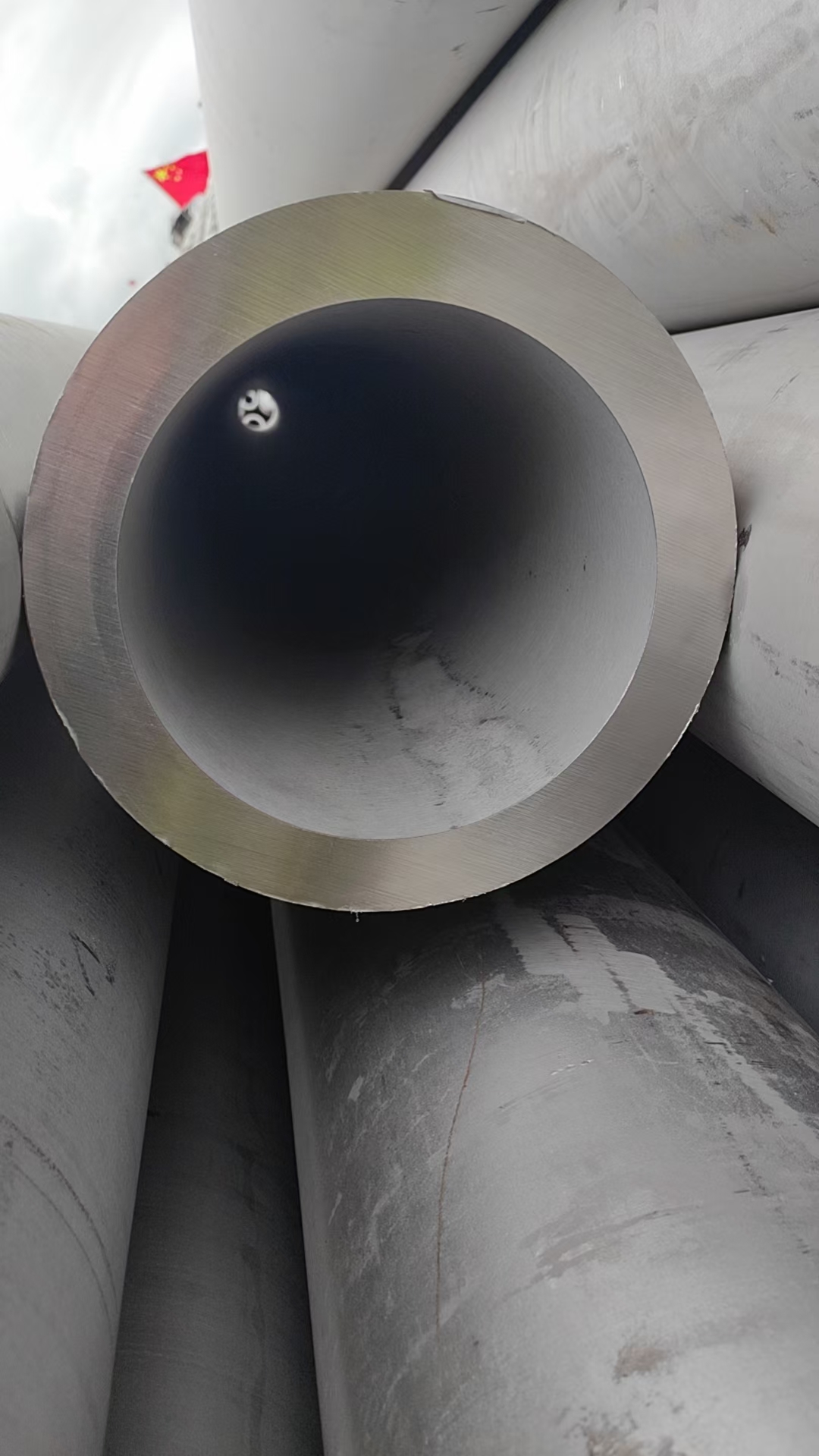
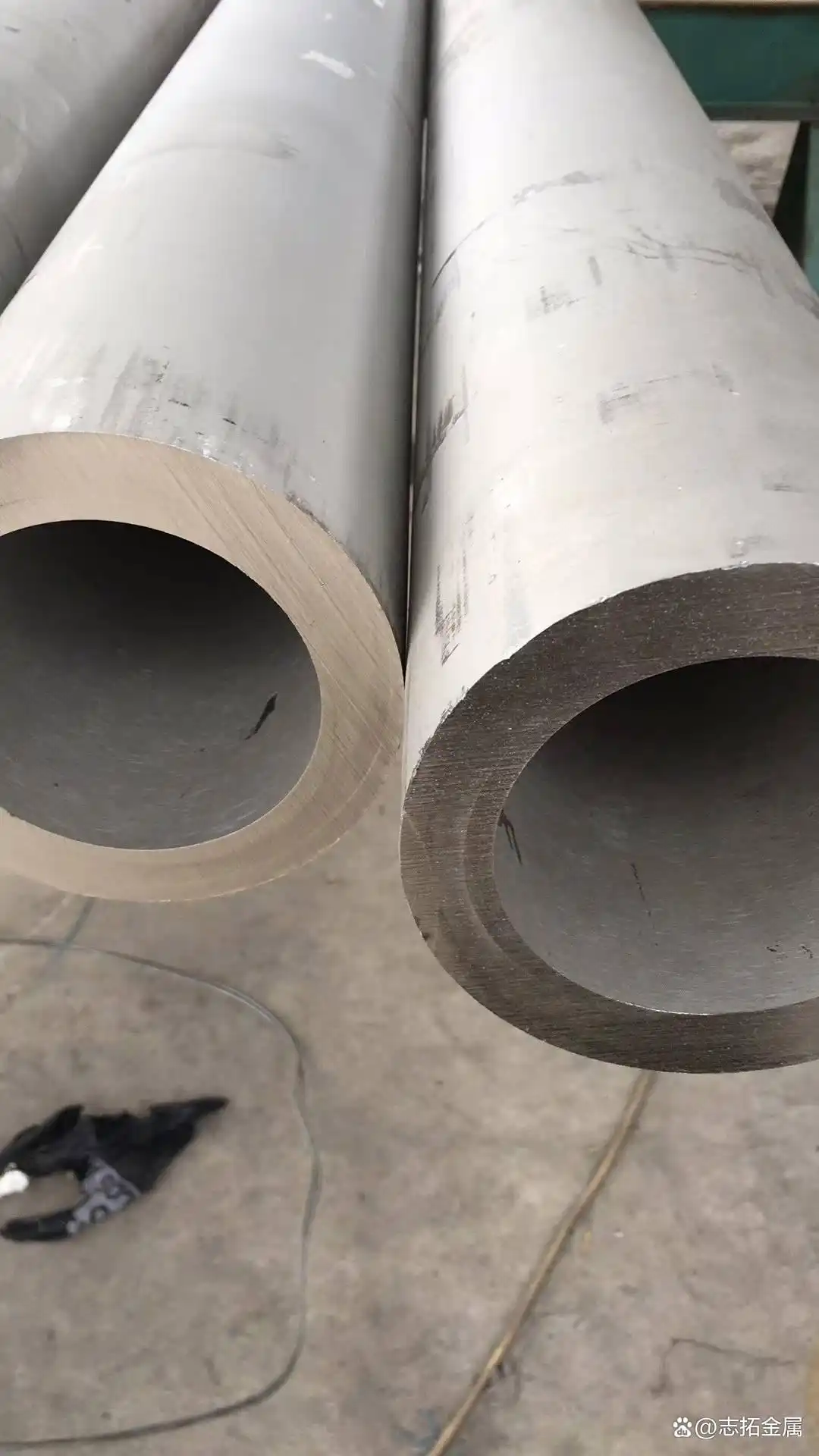
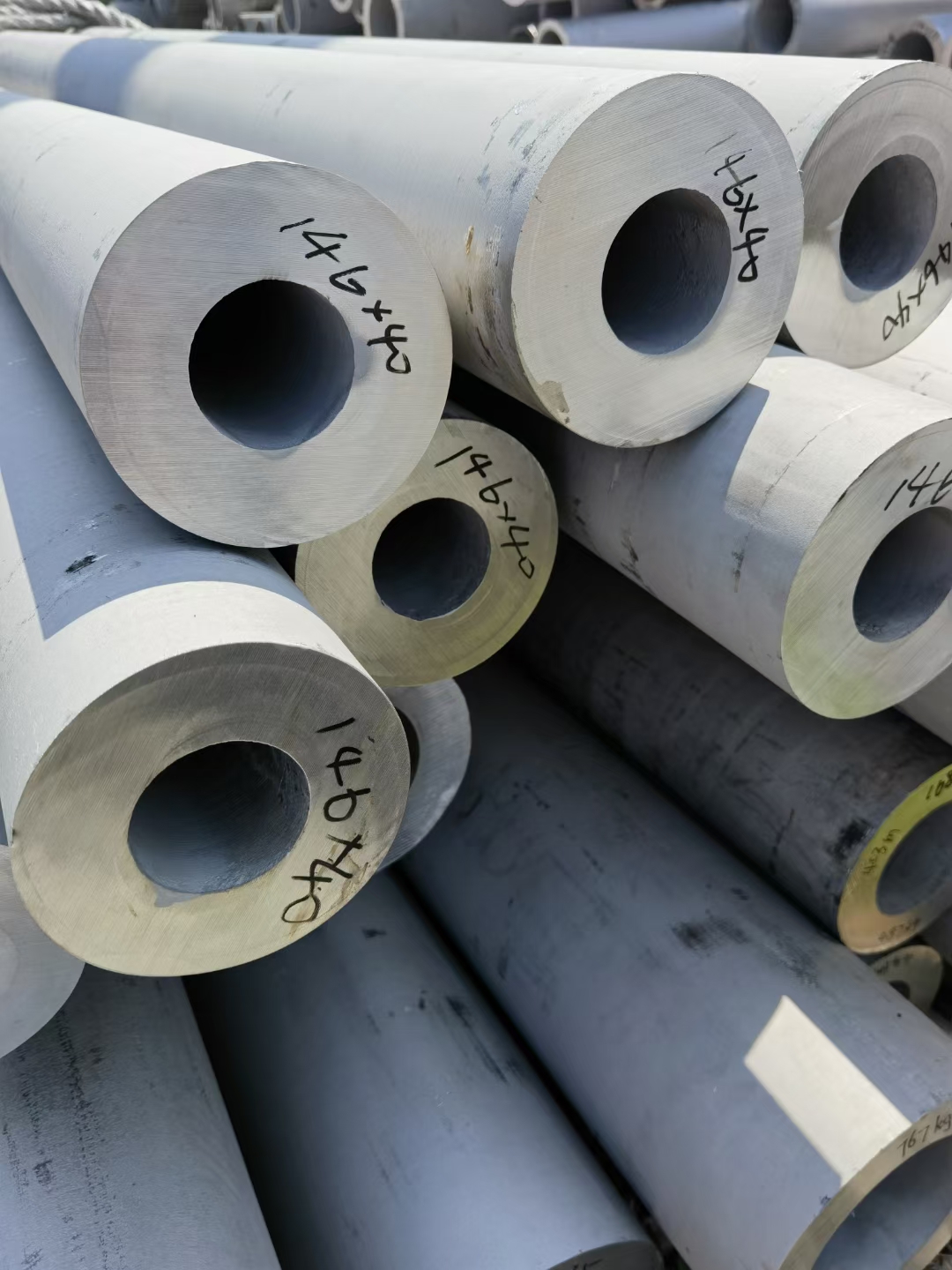
thick wall stainless pipe
A thick wall stainless pipe represents a premium piping solution engineered for demanding industrial applications requiring superior strength and durability. This specialized pipe features significantly reinforced walls that provide exceptional resistance to high pressure, extreme temperatures, and corrosive environments. The thick wall stainless pipe combines the inherent corrosion resistance of stainless steel with enhanced structural integrity, making it ideal for critical systems where failure is not an option.
The main function of a thick wall stainless pipe is to safely transport fluids, gases, and other media under challenging conditions while maintaining structural integrity over extended periods. These pipes perform reliably in petrochemical plants, power generation facilities, pharmaceutical manufacturing, and food processing industries. The technological features of a thick wall stainless pipe include precision manufacturing tolerances, superior weld quality, and consistent material composition throughout the entire length.
Key technological advancements in thick wall stainless pipe production involve advanced metallurgy techniques and rigorous quality control processes. Manufacturers employ sophisticated testing methods including ultrasonic inspection, hydrostatic pressure testing, and chemical composition analysis to ensure each thick wall stainless pipe meets stringent industry standards. The applications for thick wall stainless pipe continue to expand across sectors demanding reliability, including oil and gas operations, chemical processing, desalination plants, and high-pressure steam systems. These pipes deliver performance where standard piping solutions prove insufficient.
 EN
EN