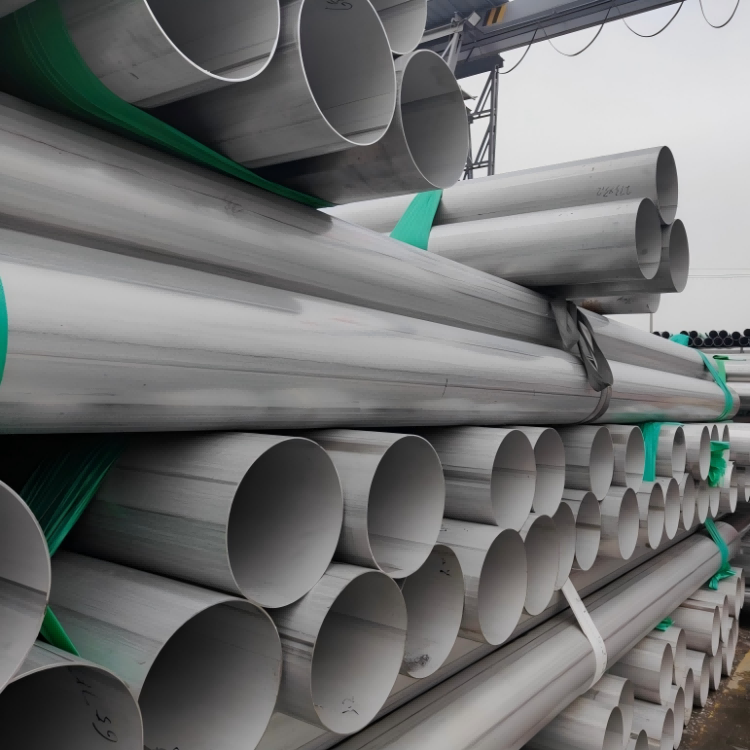
welded pipe and seamless pipe
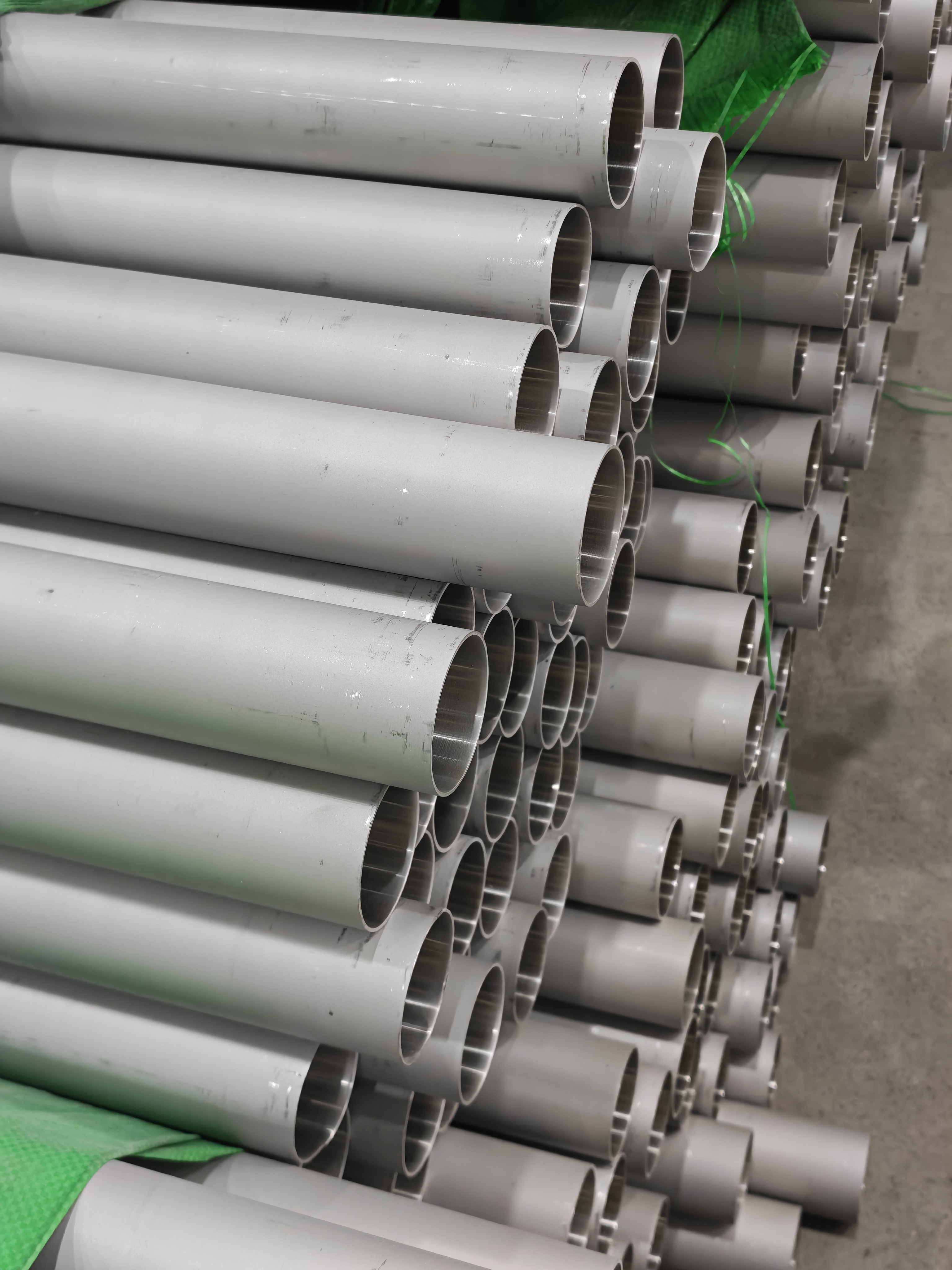
Welded pipe and seamless pipe represent two primary manufacturing methods for producing cylindrical tubes used across numerous industrial applications. Understanding the differences between welded pipe and seamless pipe is essential for selecting the appropriate solution for your specific needs.
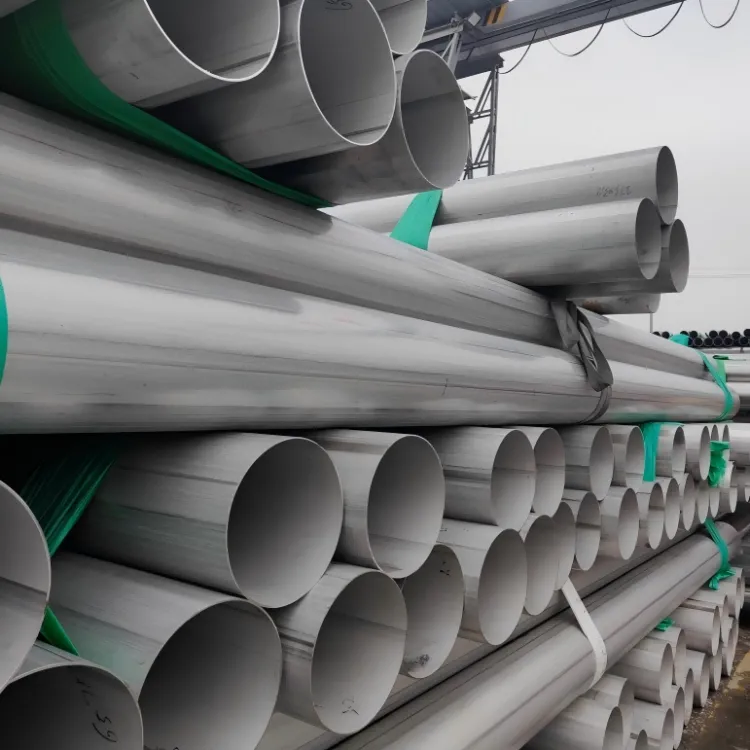
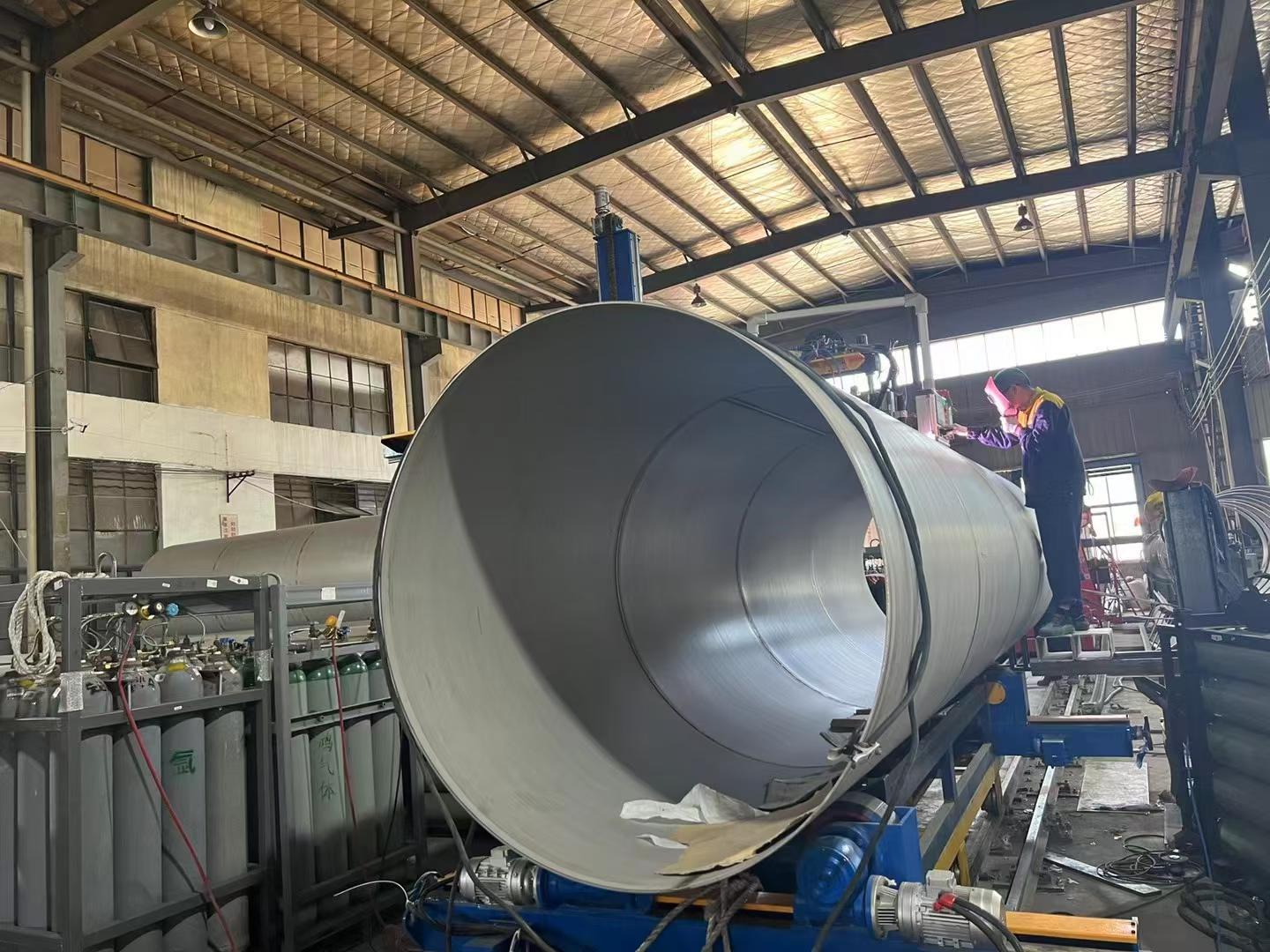
Welded pipe is manufactured by rolling a flat steel plate into a cylindrical shape and joining the edges through welding processes. This method allows for flexible diameter and thickness options, making welded pipe highly adaptable to diverse requirements. The welding process creates a seam along the pipe's length, which is carefully inspected to ensure structural integrity.
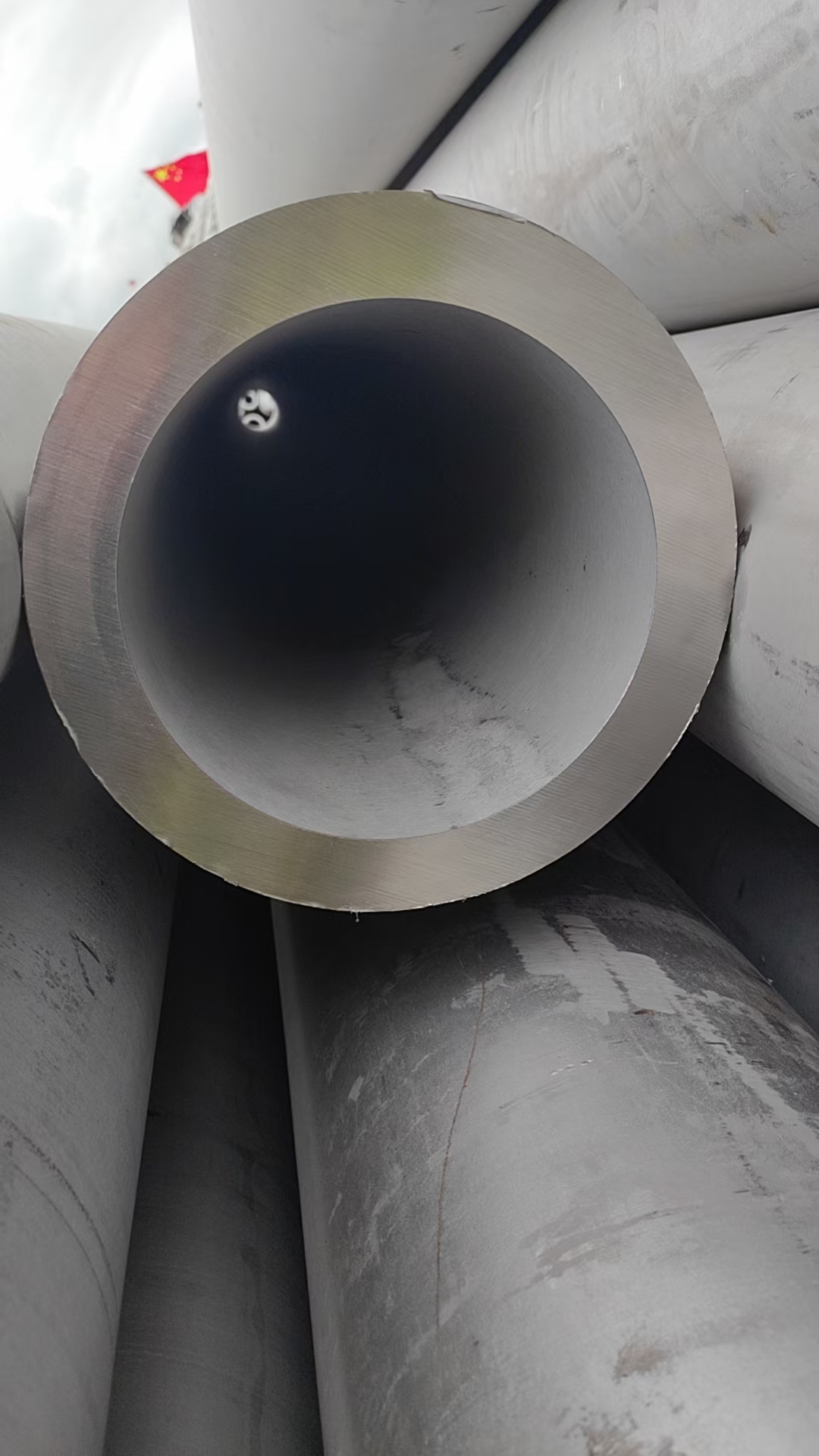
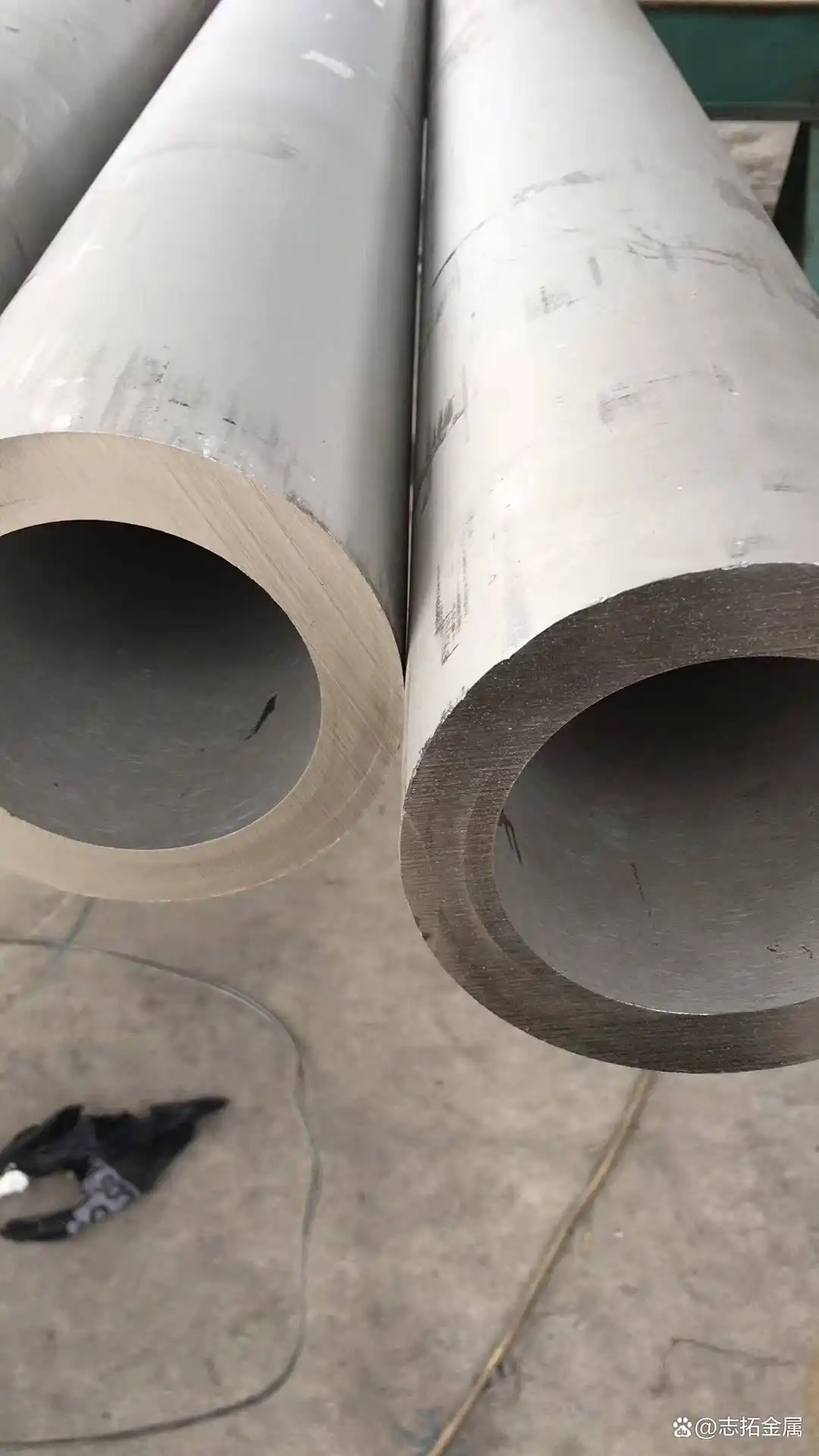
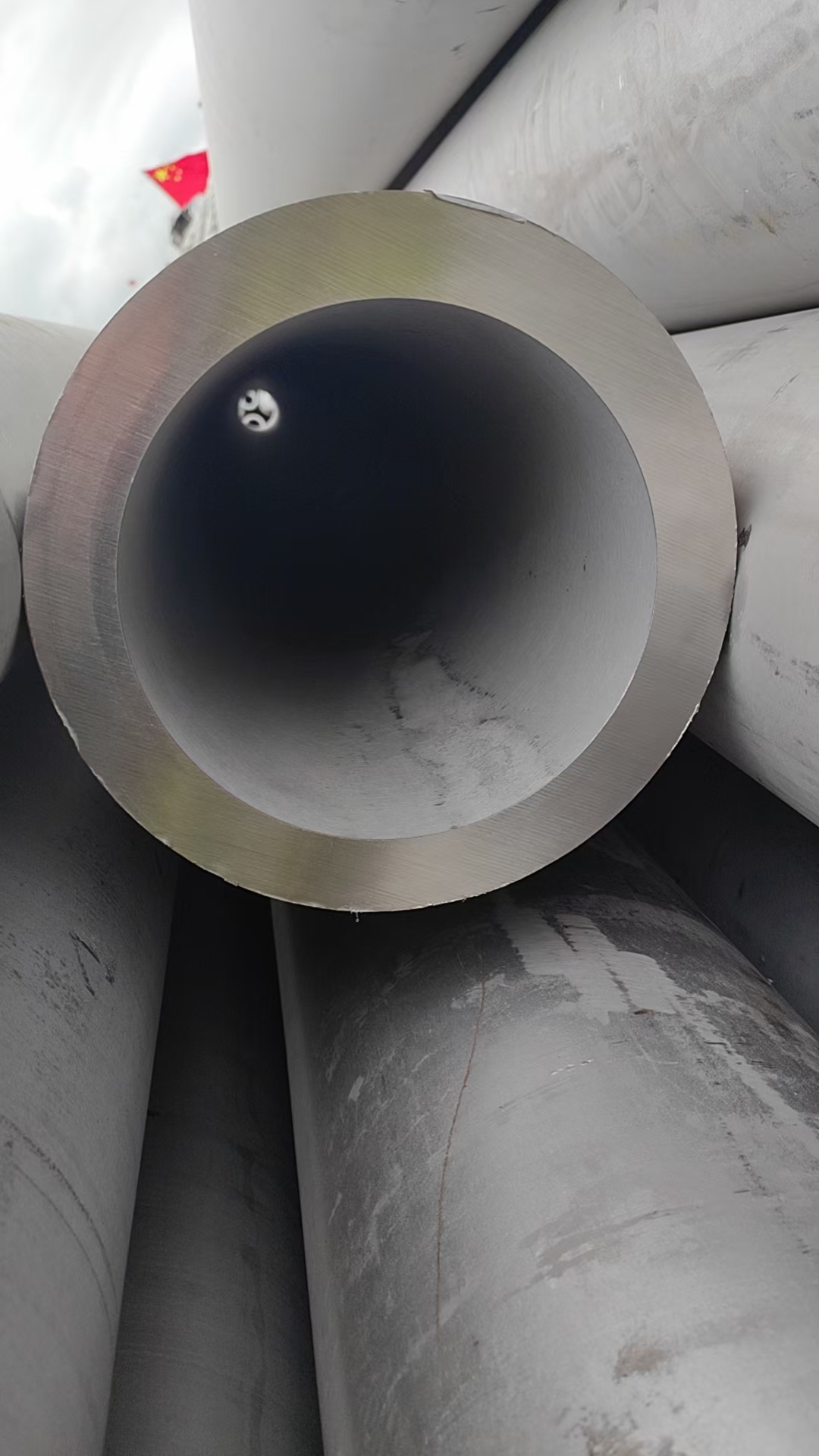
Seamless pipe, conversely, is produced by piercing a solid steel billet and elongating it into a hollow tube without any seams. This manufacturing approach creates a stronger, more homogeneous structure throughout the pipe. Seamless pipe demonstrates superior pressure-handling capabilities and resists corrosion more effectively in challenging environments.
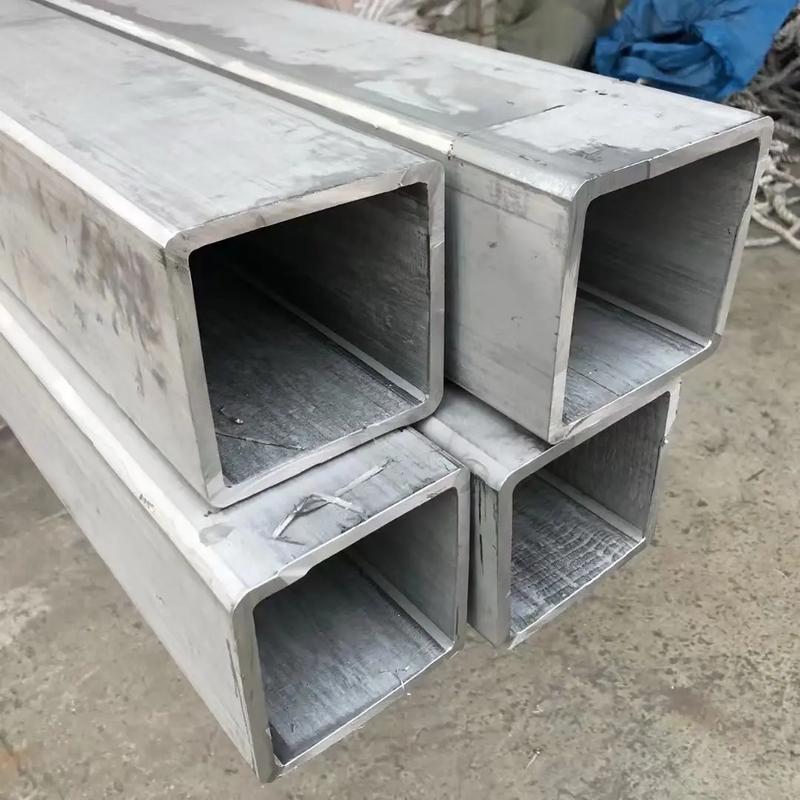
Both welded pipe and seamless pipe serve critical functions in oil and gas transportation, water distribution systems, structural frameworks, and mechanical applications. The technological features of welded pipe include cost efficiency and rapid production rates, while seamless pipe offers exceptional durability and reliability. Welded pipe and seamless pipe each provide distinct advantages depending on operational pressures, temperature ranges, and environmental conditions.
Applications for welded pipe include general construction, automotive manufacturing, and low-pressure fluid transport. Seamless pipe excels in high-pressure environments, cryogenic applications, and situations requiring superior leak resistance. Both products have become indispensable in modern infrastructure development and industrial operations worldwide.
 EN
EN