304 Stainless Steel ASTM Standard: Complete Guide to Specifications, Applications & Benefits

All Categories

Get a Free Quote

Our representative will contact you soon.
Email
Mobile/WhatsApp
Name
Company Name
Message
0/1000

304 stainless steel astm standard

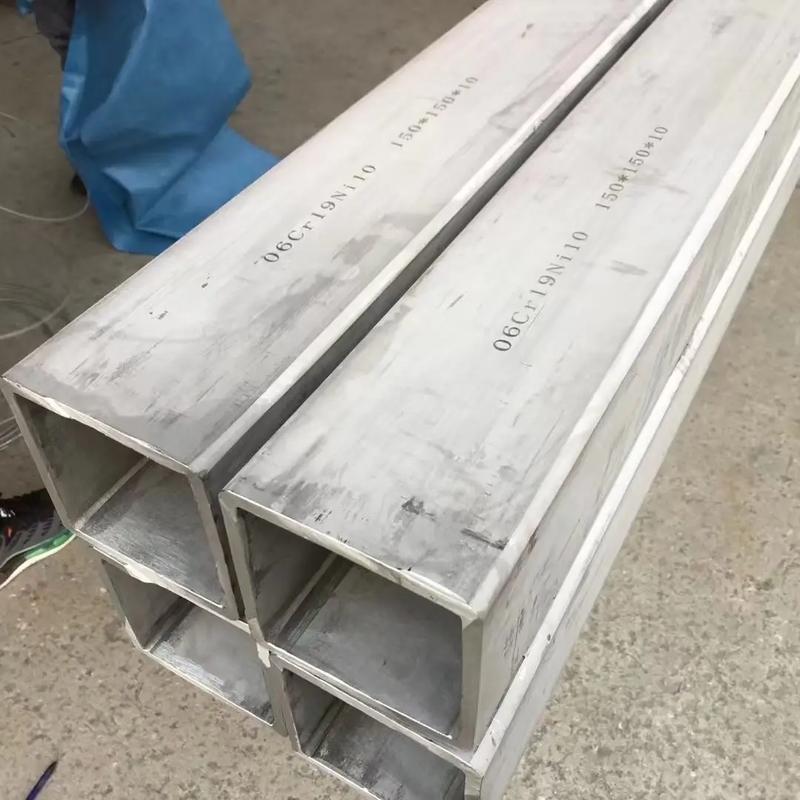
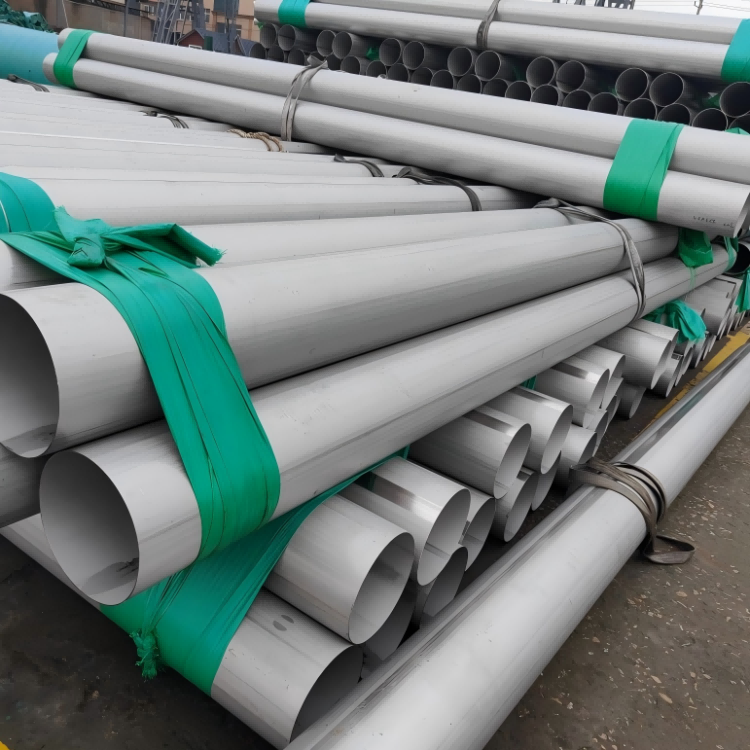
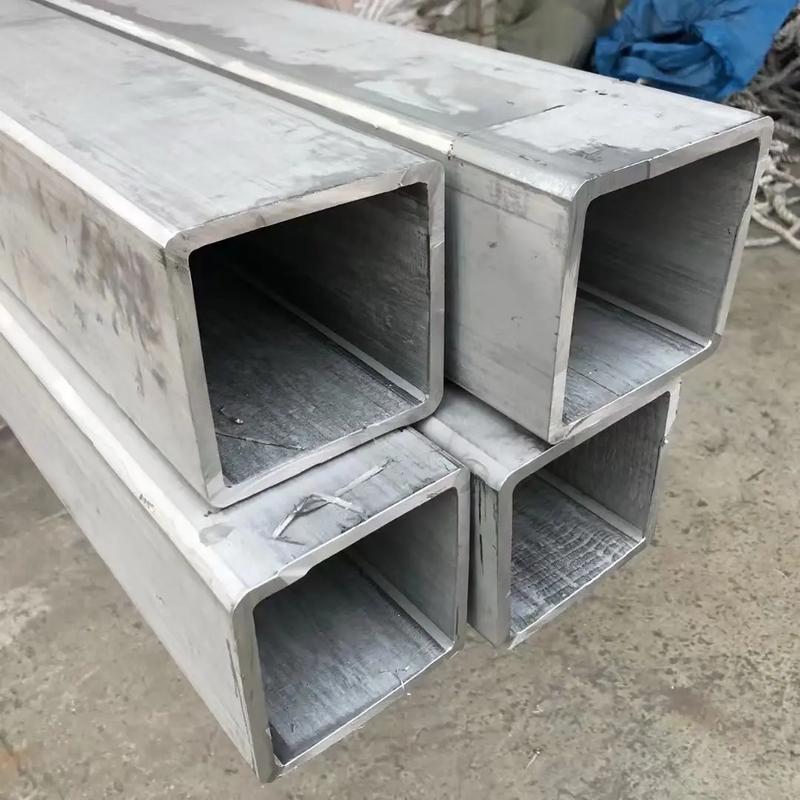
The 304 stainless steel ASTM standard represents one of the most widely recognized and utilized specifications in the stainless steel industry. Established by the American Society for Testing and Materials, this comprehensive standard defines the chemical composition, mechanical properties, and manufacturing requirements for austenitic chromium-nickel stainless steel. The 304 stainless steel ASTM standard serves as a critical benchmark for quality assurance, ensuring consistent performance across various industrial applications. This specification mandates precise chemical composition limits, typically containing 18-20% chromium and 8-10.5% nickel, which creates the foundation for its exceptional corrosion resistance properties. The 304 stainless steel ASTM standard encompasses multiple technological features that distinguish it from other metallic materials. Its austenitic microstructure provides excellent formability, allowing manufacturers to create complex shapes and configurations without compromising structural integrity. The standard specifies minimum tensile strength requirements of 515 MPa and yield strength of 205 MPa, ensuring reliable performance under various stress conditions. Temperature resistance capabilities extend from cryogenic applications to elevated temperatures up to 870°C, making the 304 stainless steel ASTM standard suitable for diverse thermal environments. The applications governed by this standard span numerous industries including food processing, pharmaceutical manufacturing, architectural construction, and chemical processing equipment. Food-grade applications particularly benefit from the non-reactive surface properties that prevent contamination and maintain product purity. Chemical processing facilities rely on the 304 stainless steel ASTM standard for tank construction, piping systems, and heat exchangers where corrosive substances demand superior material performance. Architectural applications leverage both the aesthetic appeal and durability characteristics, creating structures that maintain their appearance over extended periods. The manufacturing processes outlined in the 304 stainless steel ASTM standard include hot rolling, cold rolling, and annealing procedures that optimize material properties for specific end-use requirements.

New Products

The 304 stainless steel ASTM standard delivers numerous practical advantages that directly benefit customers across multiple industries and applications. Cost-effectiveness stands as a primary advantage, as this specification provides an optimal balance between performance characteristics and material costs. Unlike premium stainless steel grades that command higher prices, the 304 stainless steel ASTM standard offers excellent value while maintaining superior quality standards. This economic efficiency allows businesses to reduce material expenses without sacrificing performance reliability. Maintenance requirements remain minimal due to the inherent corrosion resistance properties defined by the 304 stainless steel ASTM standard. Equipment and structures manufactured according to this specification require less frequent cleaning, coating, and replacement compared to carbon steel alternatives. This reduction in maintenance activities translates directly into lower operational costs and increased productivity for end users. The durability characteristics ensure extended service life, often spanning decades in appropriate applications, providing exceptional return on investment. Versatility represents another significant advantage of the 304 stainless steel ASTM standard, accommodating diverse fabrication techniques including welding, machining, forming, and polishing. This adaptability enables manufacturers to create customized solutions that meet specific customer requirements while maintaining compliance with established quality standards. The material responds well to various surface finishes, from mirror-like polishes to brushed textures, allowing aesthetic customization for architectural and decorative applications. Health and safety benefits emerge from the non-toxic, non-reactive surface properties that comply with food contact regulations and pharmaceutical standards. The 304 stainless steel ASTM standard ensures that manufactured products will not leach harmful substances or alter the chemical composition of processed materials. This safety assurance becomes particularly valuable in medical device manufacturing, food processing equipment, and potable water systems where contamination prevention remains critical. Environmental sustainability advantages include complete recyclability and resistance to degradation, supporting green building initiatives and sustainable manufacturing practices. The long service life reduces replacement frequency, minimizing waste generation and resource consumption over the product lifecycle. Temperature stability across a wide operating range enables consistent performance in varying environmental conditions, eliminating the need for specialized climate control systems in many applications.

Latest News

Strongwin Stainless Steel Group Achieves ISO 90012015 Certification and AD 2000 Merkblatt Approval

28

Feb

Strongwin Stainless Steel Group Achieves ISO 90012015 Certification and AD 2000 Merkblatt Approval

View More
Strongwin Stainless Steel Group Announces Major Production Capacity Expansion to Meet Growing Global Demand

11

Mar

Strongwin Stainless Steel Group Announces Major Production Capacity Expansion to Meet Growing Global Demand

View More
Strongwin Stainless Steel Group Announces Strategic Partnership with Leading European Engineering Firm

11

Mar

Strongwin Stainless Steel Group Announces Strategic Partnership with Leading European Engineering Firm

View More

Get a Free Quote

Our representative will contact you soon.
Email
Mobile/WhatsApp
Name
Company Name
Message
0/1000

304 stainless steel astm standard

Superior Corrosion Resistance Performance

Superior Corrosion Resistance Performance

The 304 stainless steel ASTM standard establishes exceptional corrosion resistance capabilities that surpass conventional materials in challenging environments. This superior performance stems from the precisely controlled chromium content, which forms a passive oxide layer on the surface that continuously regenerates when damaged. The chromium-nickel composition specified in the 304 stainless steel ASTM standard creates a protective barrier that withstands exposure to atmospheric conditions, mild acids, alkalis, and various organic compounds commonly encountered in industrial processes. This corrosion resistance translates into significant value for customers through extended equipment lifespan and reduced replacement costs. Unlike carbon steel that requires protective coatings and frequent maintenance, materials conforming to the 304 stainless steel ASTM standard maintain their structural integrity and aesthetic appearance without additional surface treatments. The self-healing nature of the passive layer means that minor scratches or surface damage automatically repair themselves when exposed to oxygen, ensuring continuous protection throughout the service life. Customers benefit from this characteristic through reduced downtime, lower maintenance expenses, and improved operational reliability. In marine environments where salt spray accelerates corrosion in ordinary metals, the 304 stainless steel ASTM standard provides reliable performance that maintains equipment functionality and safety standards. Chemical processing facilities particularly value this corrosion resistance when handling moderately aggressive substances that would rapidly degrade alternative materials. The economic impact becomes substantial over time, as the initial investment in 304 stainless steel ASTM standard materials typically pays for itself through reduced maintenance costs and extended service intervals. This performance advantage enables customers to focus resources on core business activities rather than constant equipment maintenance and replacement. Food processing operations benefit from the non-reactive surface that prevents flavor contamination and maintains product quality while resisting cleaning chemicals and sanitizing agents used in daily operations.
Excellent Mechanical Properties and Workability

Excellent Mechanical Properties and Workability

The mechanical properties defined by the 304 stainless steel ASTM standard provide exceptional strength-to-weight ratios combined with outstanding workability characteristics that enable diverse manufacturing applications. The austenitic crystal structure specified in this standard delivers remarkable ductility and toughness, allowing complex forming operations without material failure or cracking. This workability advantage enables manufacturers to create intricate designs and configurations that would be impossible with brittle or less formable materials. The 304 stainless steel ASTM standard specifies minimum tensile strength values that ensure structural reliability while maintaining sufficient elongation properties for deep drawing, bending, and roll forming operations. Customers benefit from this combination through reduced manufacturing costs and expanded design possibilities that enhance product functionality and aesthetic appeal. Welding characteristics represent another significant advantage, as materials conforming to the 304 stainless steel ASTM standard exhibit excellent fusion properties without requiring special preheating or post-weld treatments. This weldability reduces fabrication complexity and labor costs while maintaining joint strength and corrosion resistance at weld seams. The consistent mechanical properties across different heat lots ensure predictable manufacturing results and eliminate the variability concerns associated with inferior materials. Machining operations proceed smoothly with appropriate tooling and techniques, allowing precise dimensional control and surface finish requirements. The work hardening characteristics enable cold forming processes that increase strength in formed areas, providing additional structural benefits without heat treatment requirements. Fatigue resistance properties ensure reliable performance under cyclic loading conditions, making the 304 stainless steel ASTM standard suitable for dynamic applications such as springs, flexible connections, and vibrating equipment. Temperature effects on mechanical properties remain stable across the normal operating range, maintaining strength and ductility characteristics from cryogenic temperatures to elevated service conditions. This stability enables customers to use single material specifications across diverse environmental conditions without performance degradation or premature failure concerns.
Comprehensive Quality Assurance and Standardization

Comprehensive Quality Assurance and Standardization

The 304 stainless steel ASTM standard provides comprehensive quality assurance protocols that guarantee consistent material properties and performance characteristics across different manufacturers and production batches. This standardization eliminates variability concerns and ensures that customers receive materials meeting exact specifications regardless of the supplier source. The rigorous testing requirements specified in the 304 stainless steel ASTM standard include chemical analysis, mechanical property verification, and dimensional inspections that validate compliance with established criteria. Customers benefit from this thorough quality control through reduced inspection costs and enhanced confidence in material performance. The standardized certification process provides documented proof of compliance that satisfies regulatory requirements and quality management system demands. Traceability features enable complete material identification from raw material sources through final product delivery, supporting quality audits and failure analysis investigations when necessary. The 304 stainless steel ASTM standard harmonizes with international specifications, facilitating global procurement and ensuring compatibility across different markets and applications. This international recognition reduces sourcing complexity and enables customers to maintain consistent material specifications in worldwide operations. Manufacturing process controls specified in the standard ensure optimal metallurgical properties and surface conditions that meet end-use requirements. Heat treatment parameters, forming procedures, and finishing operations follow established protocols that produce predictable results and eliminate process variations. Customers can specify the 304 stainless steel ASTM standard with confidence, knowing that suppliers worldwide understand the requirements and can deliver compliant materials. The continuous improvement aspects of the standard incorporate technological advances and industry experience, ensuring that specifications remain current with evolving applications and performance demands. Documentation requirements provide comprehensive material data sheets, test certificates, and compliance statements that support customer quality systems and regulatory compliance needs. This standardization reduces procurement risks and enables competitive bidding processes based on equivalent technical specifications rather than proprietary material designations.

Get a Free Quote

Our representative will contact you soon.
Email
Mobile/WhatsApp
Name
Company Name
Message
0/1000