Hygienic Properties for Food and Pharmaceutical Applications
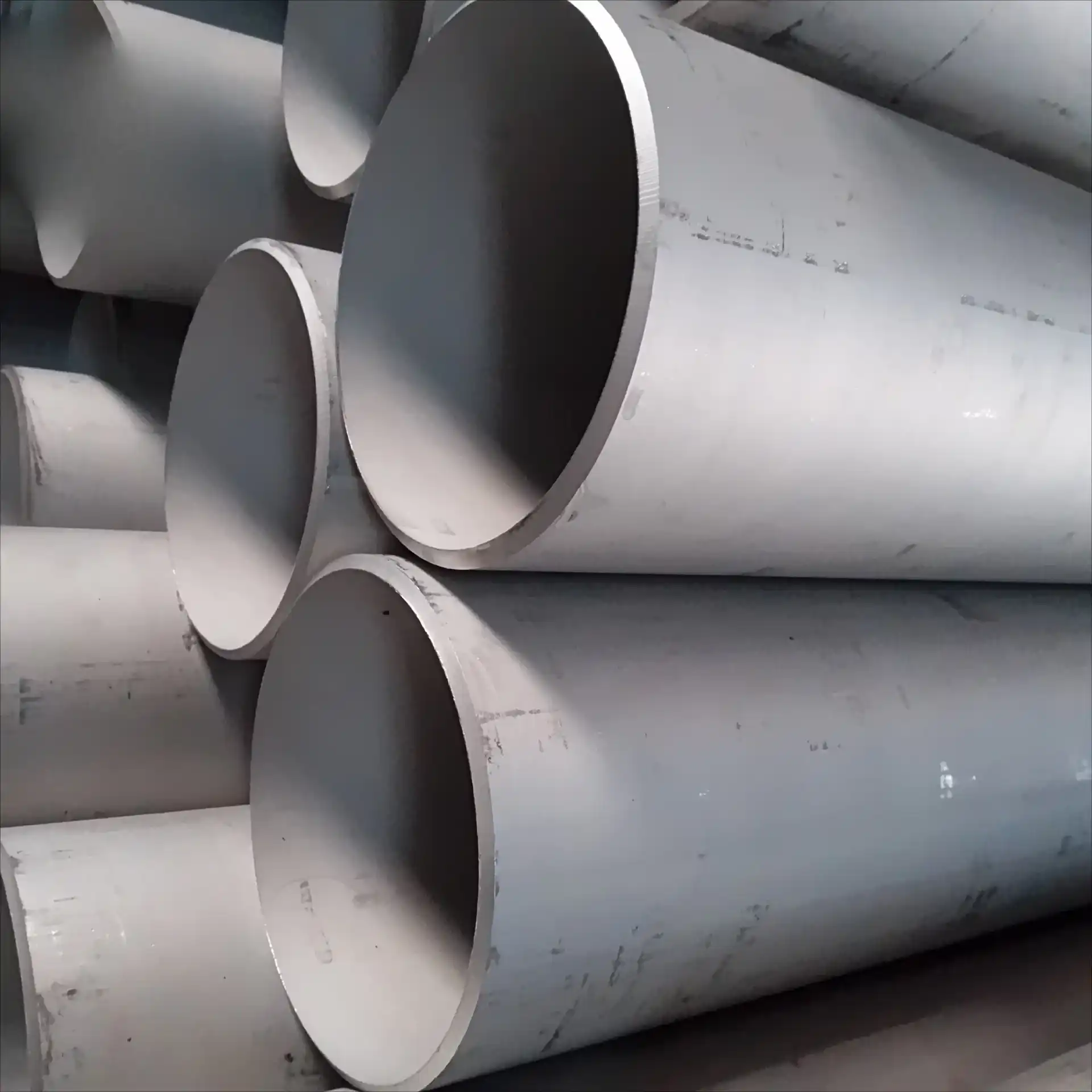
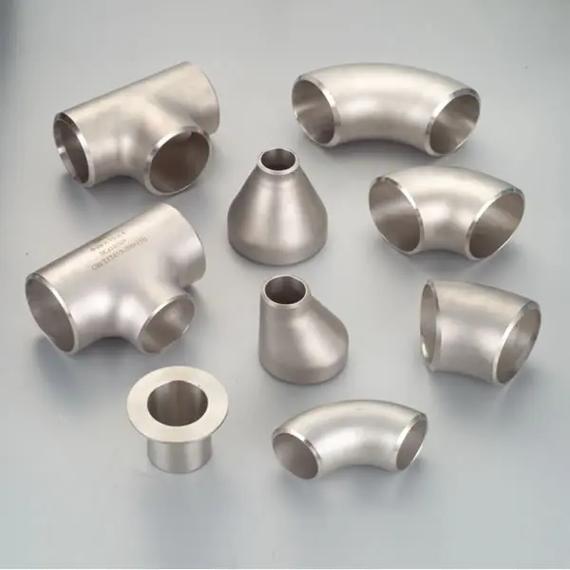
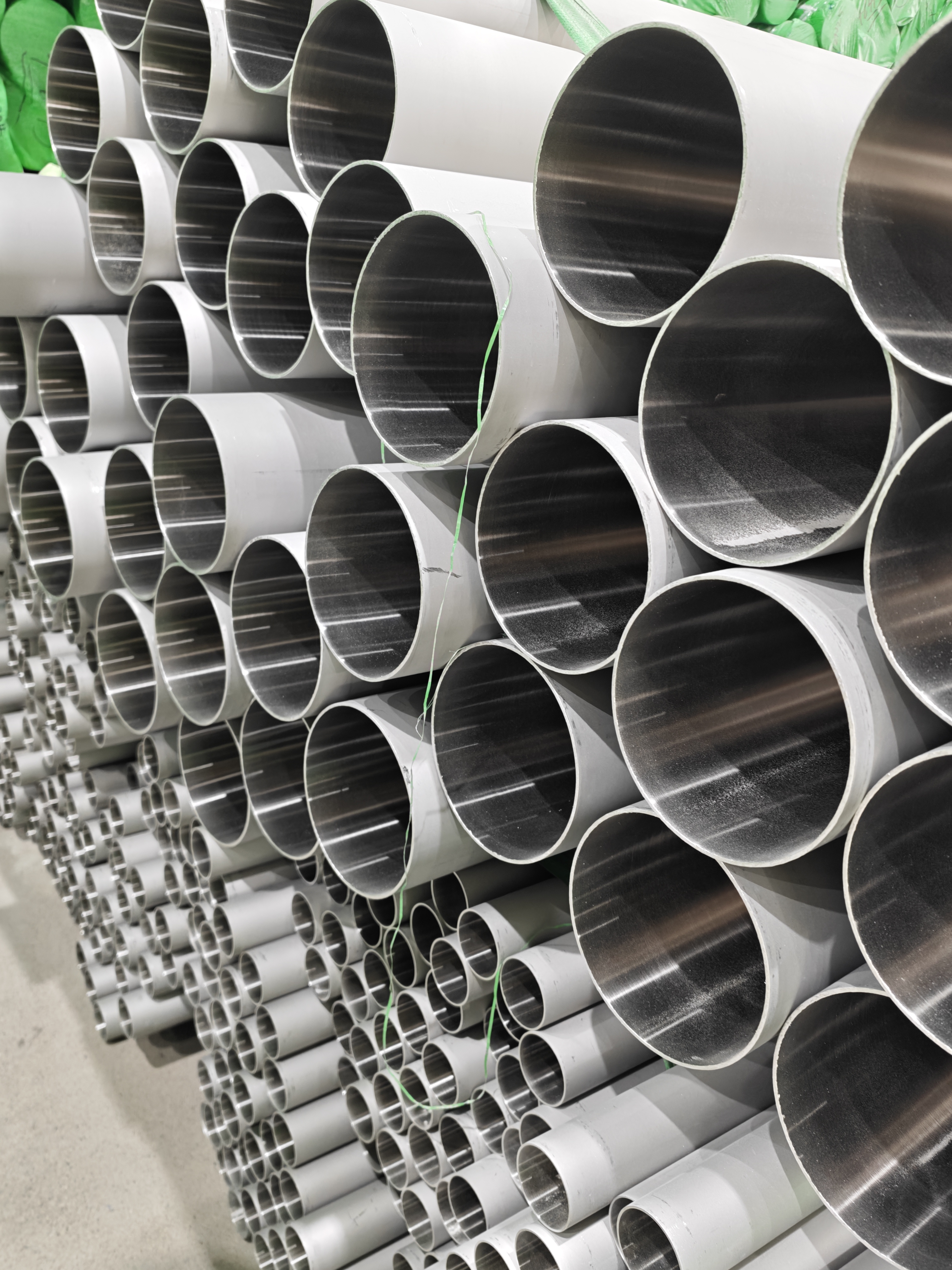
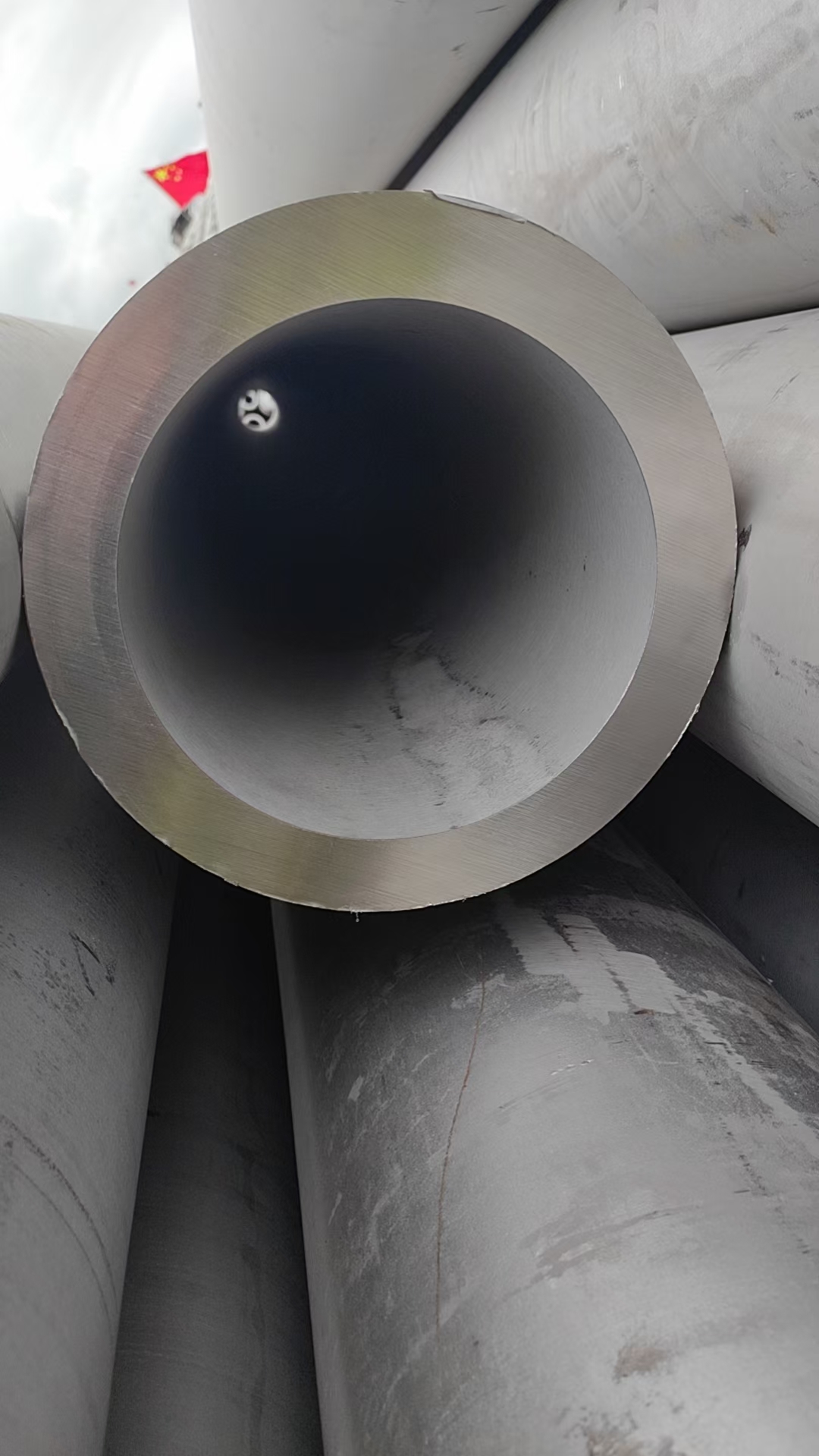
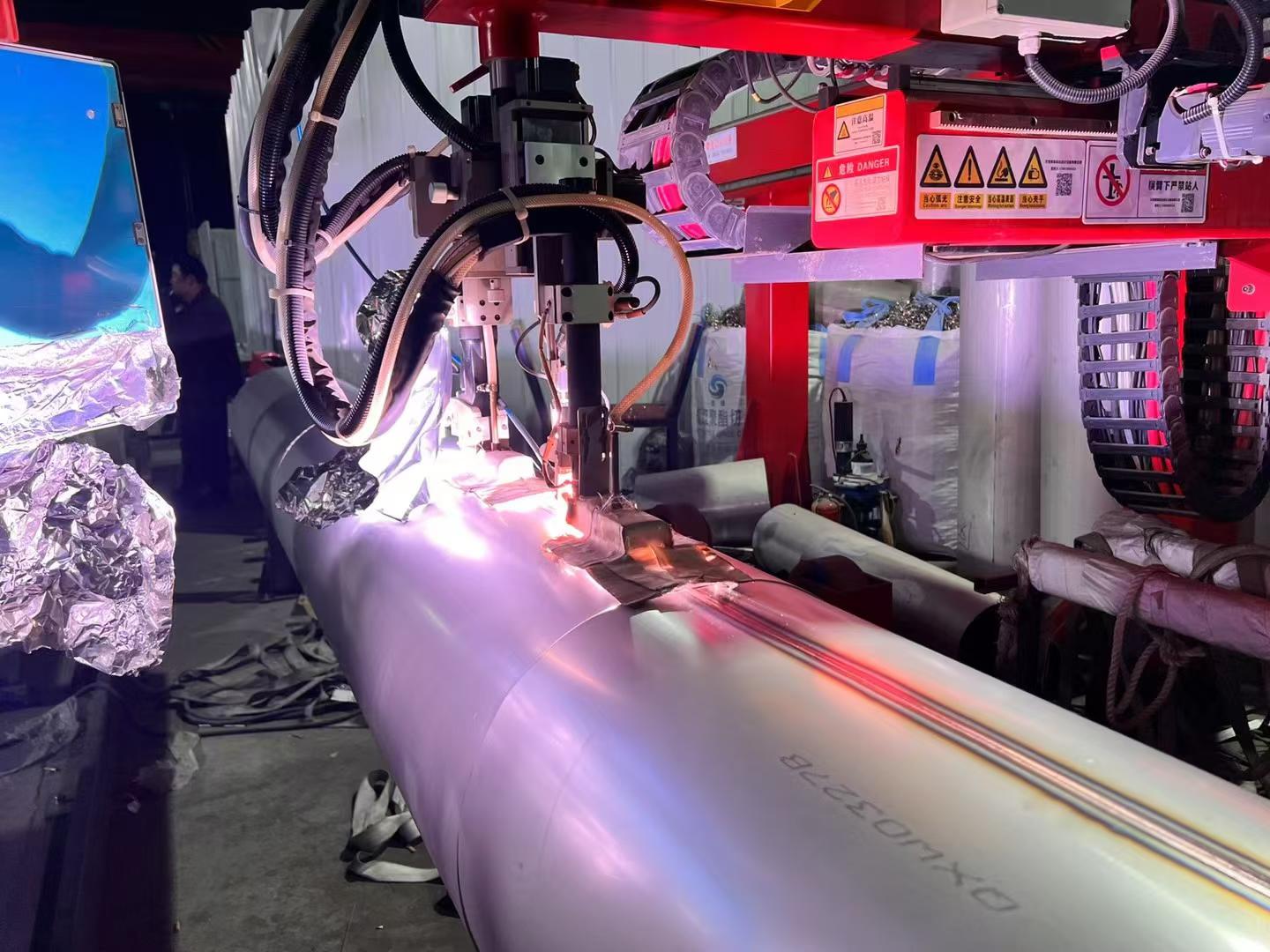
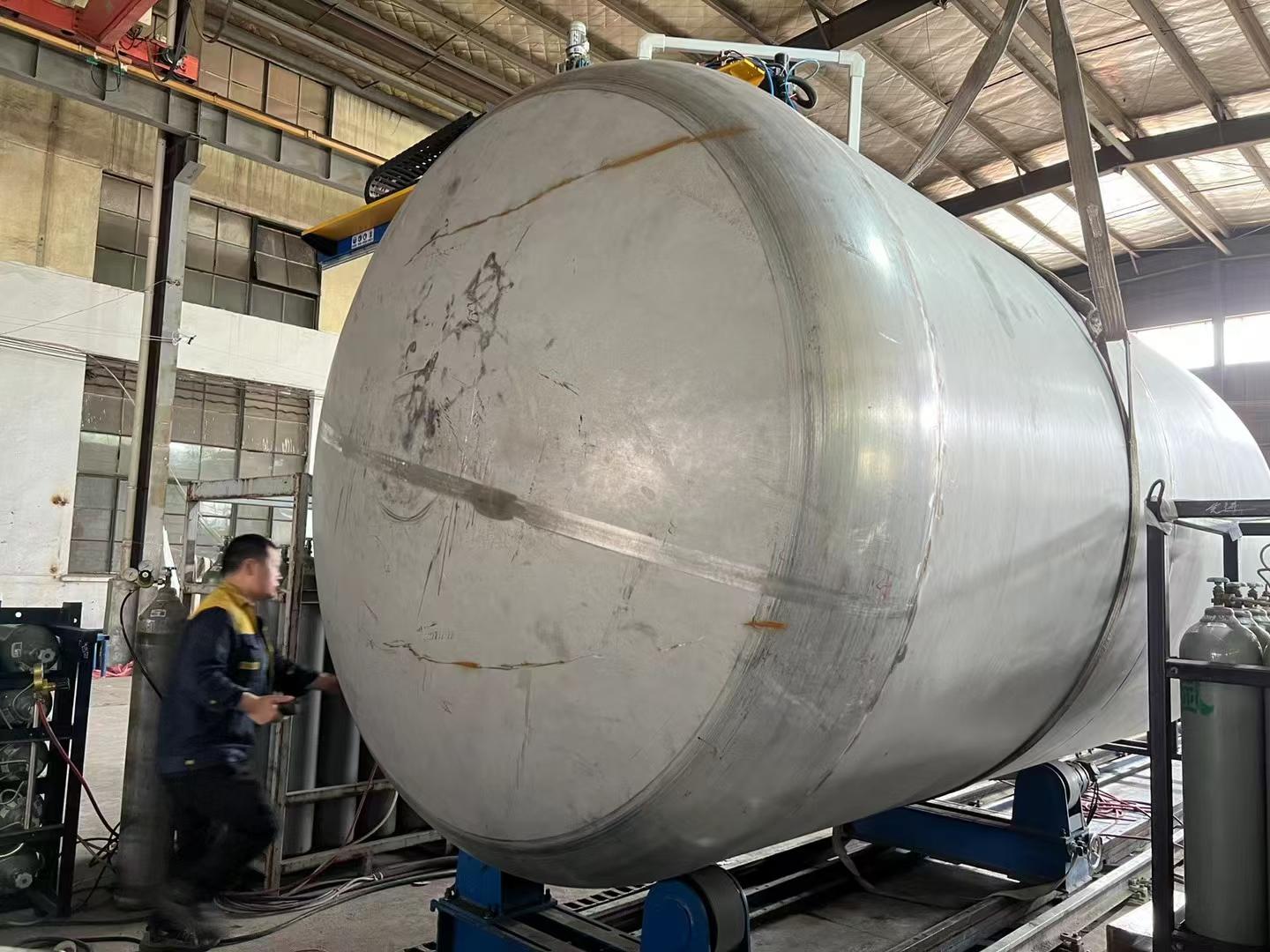
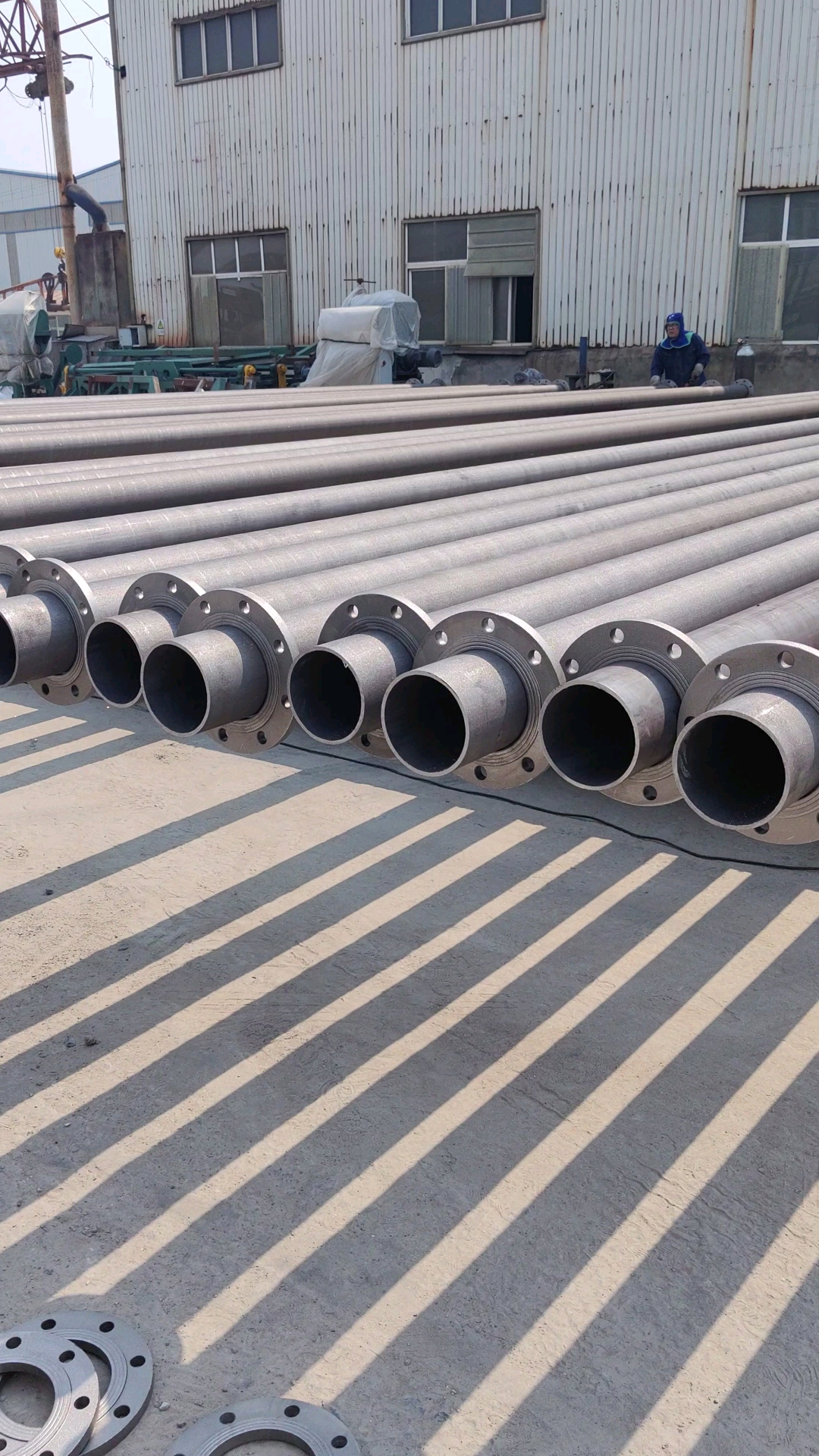
ASTM 304 stainless steel offers unmatched hygienic advantages critical for food production, beverage manufacturing, and pharmaceutical industries where contamination prevention represents paramount concern. The smooth, non-porous surface of ASTM 304 stainless steel resists bacterial growth and prevents chemical absorption, maintaining sterile conditions essential for product safety and regulatory compliance. Cleaning and sterilization procedures that damage conventional materials leave ASTM 304 stainless steel unaffected, maintaining surface integrity through repeated sanitization cycles. The material's non-reactive chemistry prevents unwanted interactions with food products, chemicals, or pharmaceuticals, guaranteeing product purity and safety throughout manufacturing and storage processes. Food processing facilities worldwide specify ASTM 304 stainless steel for equipment, storage tanks, and production surfaces specifically because health authorities recognize its superior performance. Regular inspection and maintenance become simpler with ASTM 304 stainless steel, facilitating quality assurance protocols and regulatory documentation. Investment in ASTM 304 stainless steel demonstrates commitment to consumer safety and operational excellence in sensitive manufacturing environments.
 EN
EN