Exceptional Workability and Fabrication Versatility
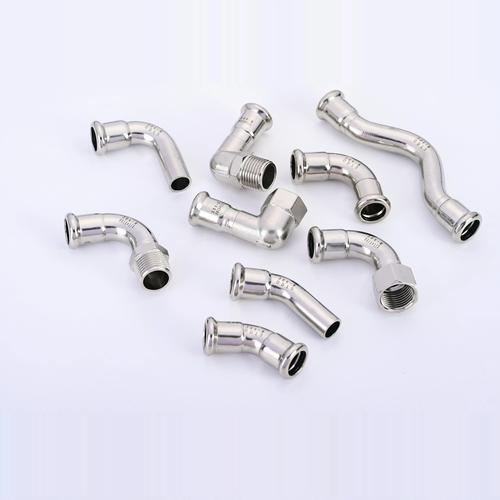
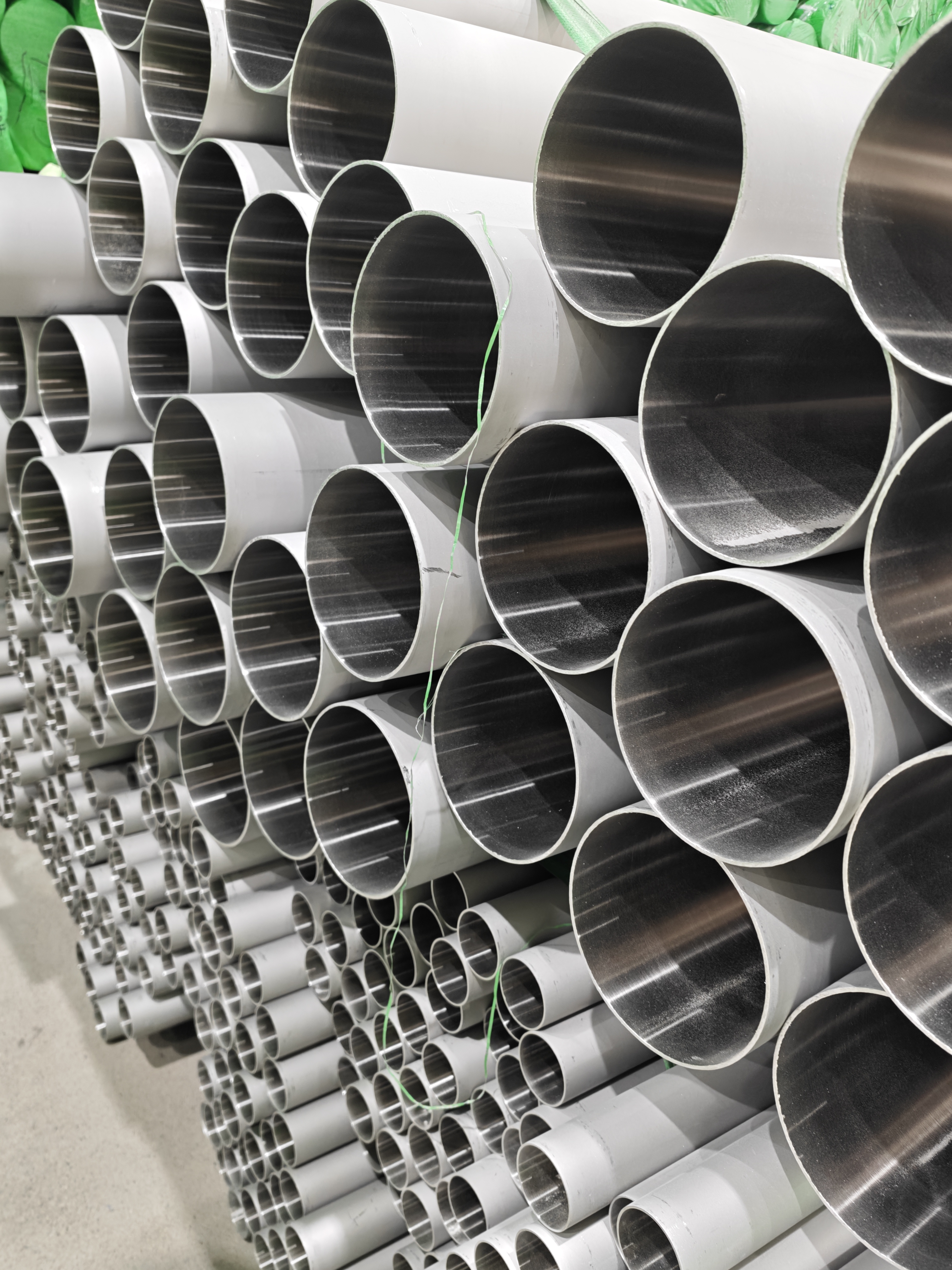
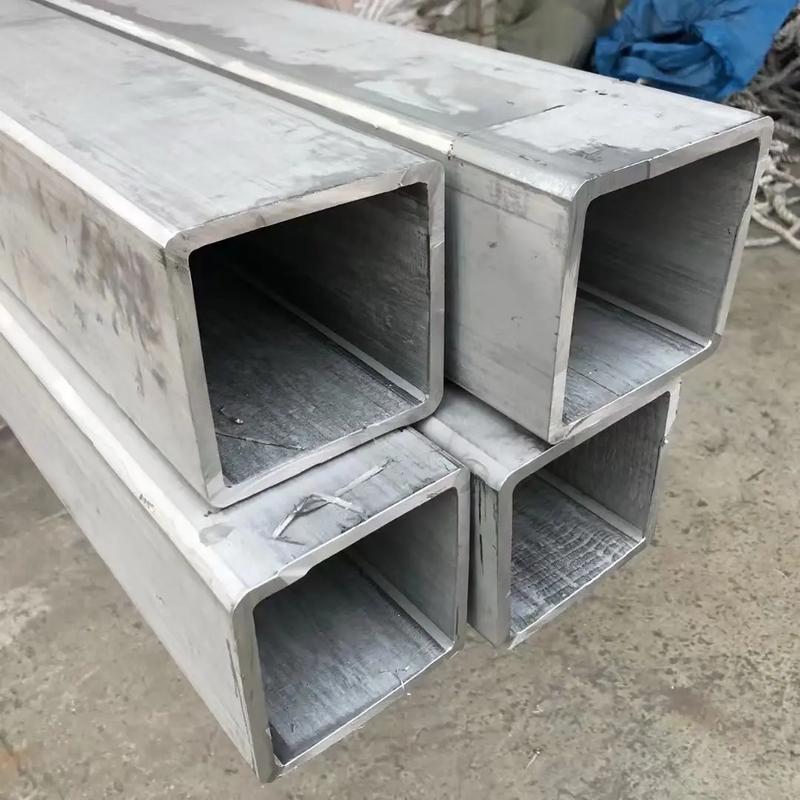
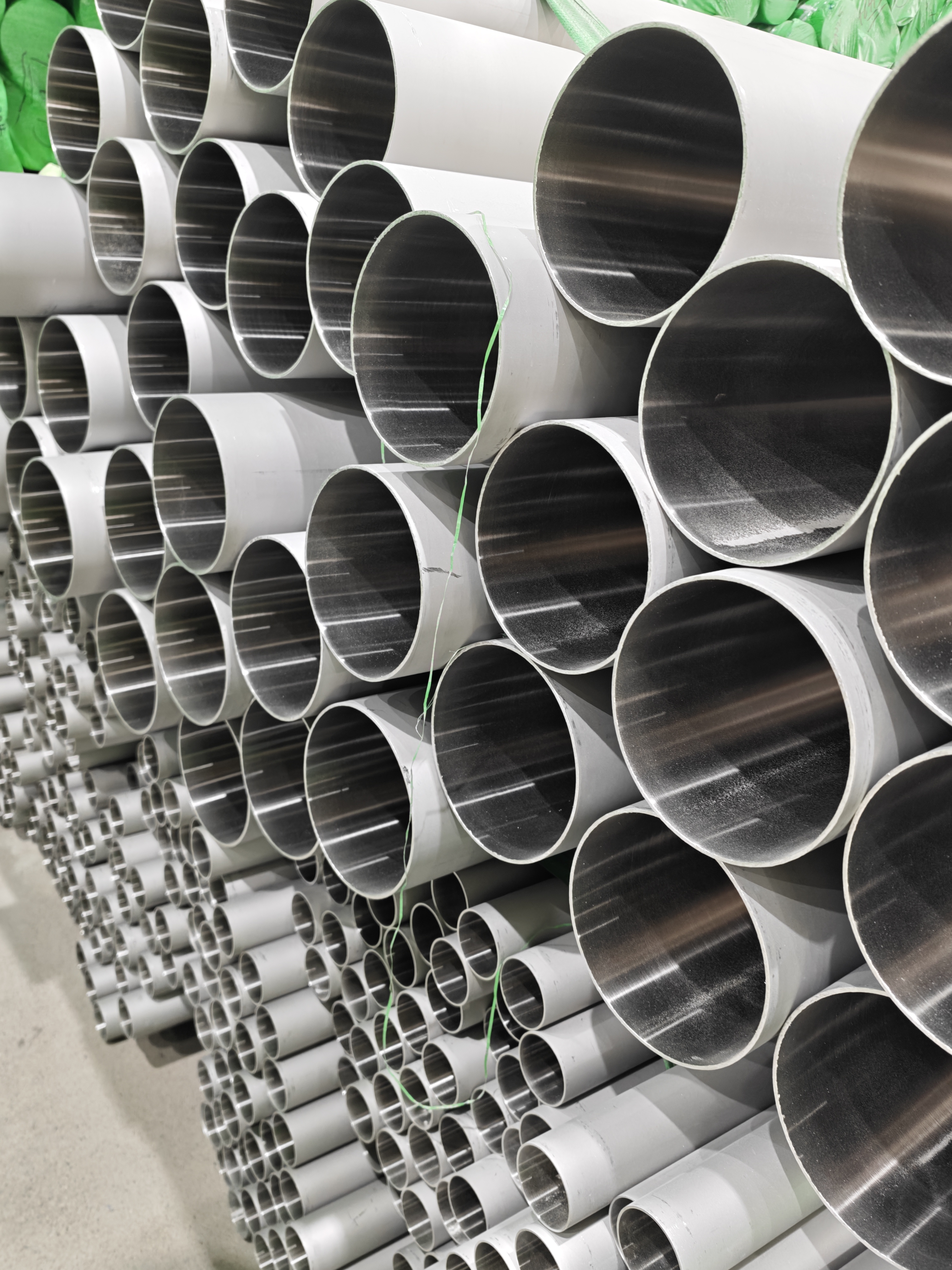
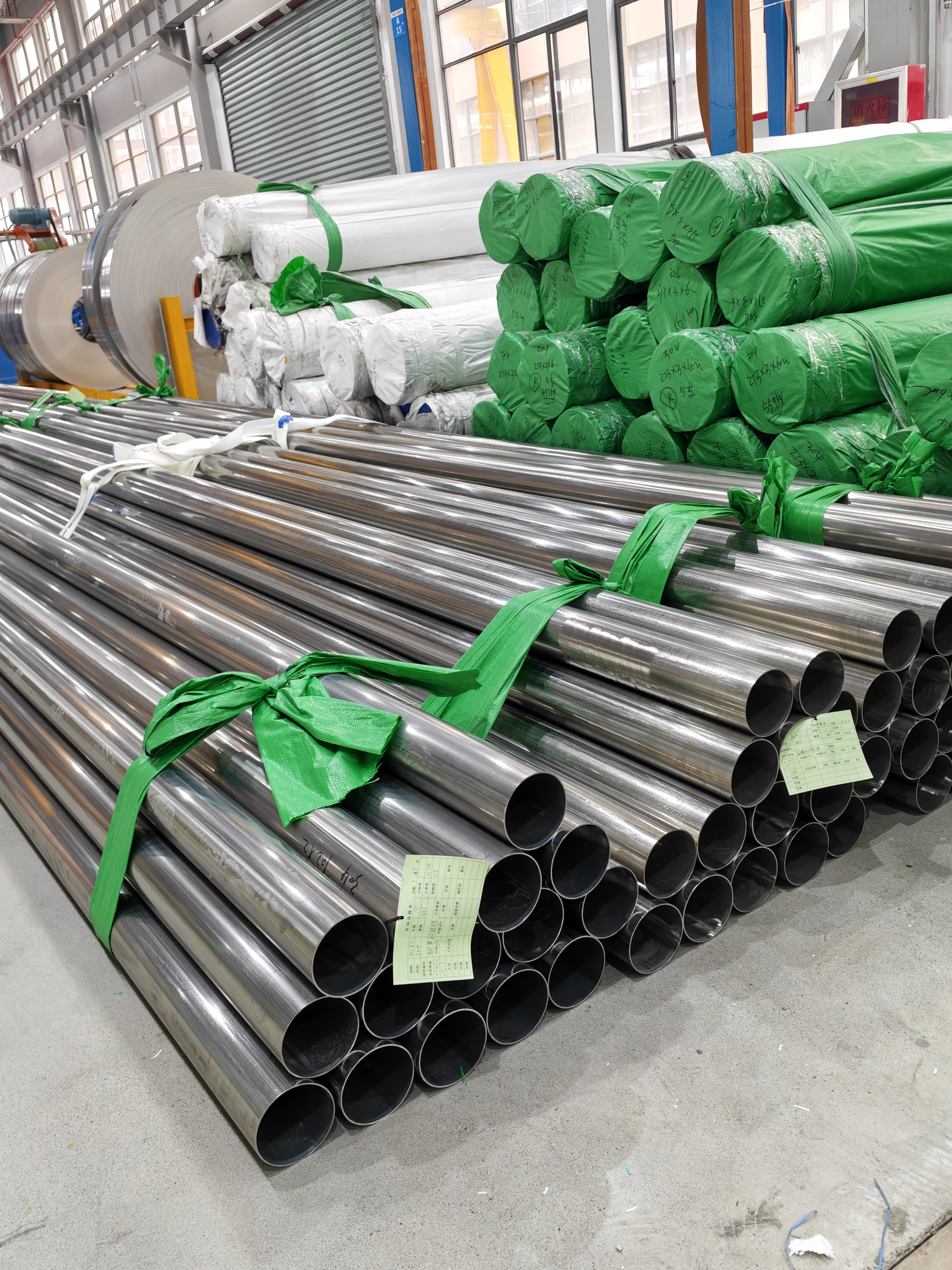
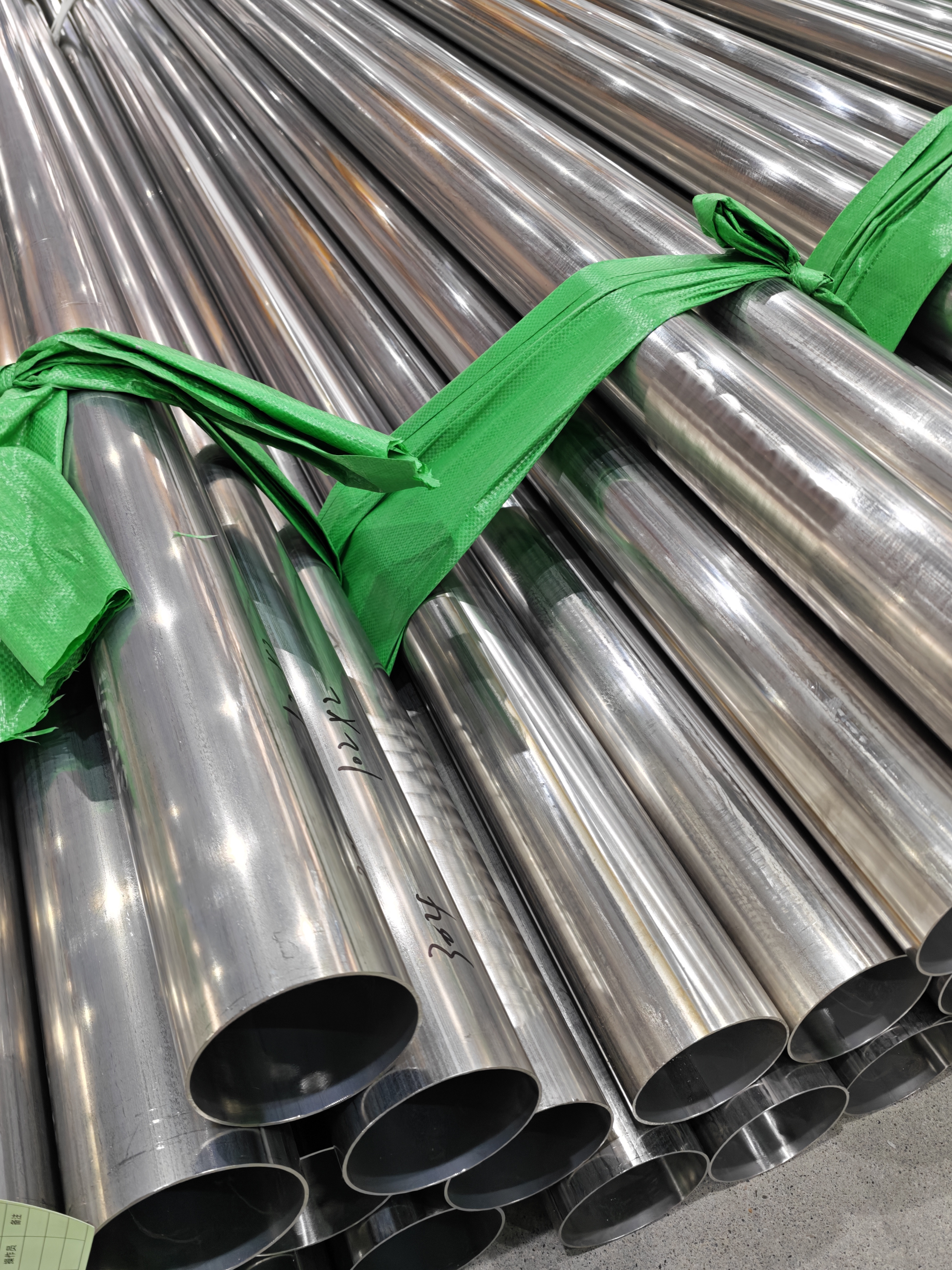
ASTM 304 stainless steel exhibits remarkable workability characteristics that significantly simplify manufacturing processes and enable the creation of complex components with precision and efficiency. This exceptional fabrication versatility stems from its austenitic crystal structure, which provides superior ductility and formability compared to other stainless steel grades. Manufacturers appreciate how easily ASTM 304 stainless responds to various forming operations including deep drawing, spinning, bending, and roll forming without cracking or developing surface defects. The material's excellent elongation properties allow for severe deformation without compromising structural integrity, enabling the production of intricate shapes and designs that would be impossible with less formable materials. Welding operations with ASTM 304 stainless proceed smoothly using standard techniques such as TIG, MIG, and resistance welding methods. The material exhibits excellent weld penetration characteristics and produces strong, corrosion-resistant joints that maintain the parent material's properties. Unlike some stainless steel grades that require extensive pre-heating or post-weld heat treatment, ASTM 304 stainless can be welded with minimal preparation, reducing production time and energy costs. This weldability advantage proves particularly valuable in applications requiring complex assemblies or field repairs where elaborate heat treatment procedures would be impractical. Machining operations benefit from the consistent chip formation and tool life characteristics of ASTM 304 stainless. While harder than carbon steel, it machines predictably with appropriate cutting tools and parameters, producing excellent surface finishes and dimensional accuracy. The material's work hardening characteristics can be controlled through proper machining techniques, allowing manufacturers to achieve desired mechanical properties in finished components. Cold working operations such as stamping, punching, and shearing perform reliably with ASTM 304 stainless, enabling high-volume production of components with consistent quality. The material's ability to maintain dimensional stability during processing reduces waste and improves manufacturing efficiency. These fabrication advantages translate directly into reduced production costs and faster delivery times for customers requiring custom components or specialized designs.