316 304 stainless steel difference
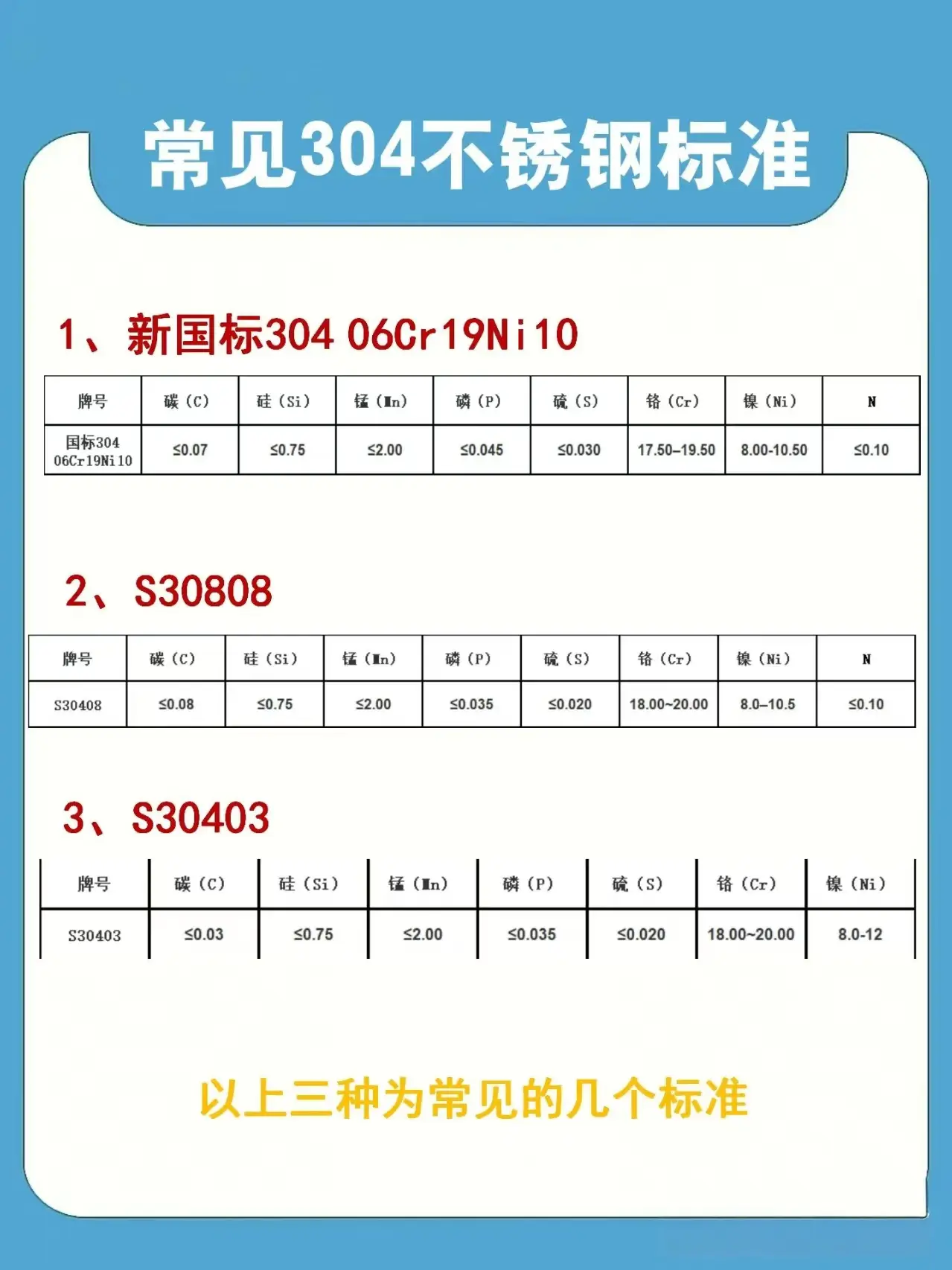
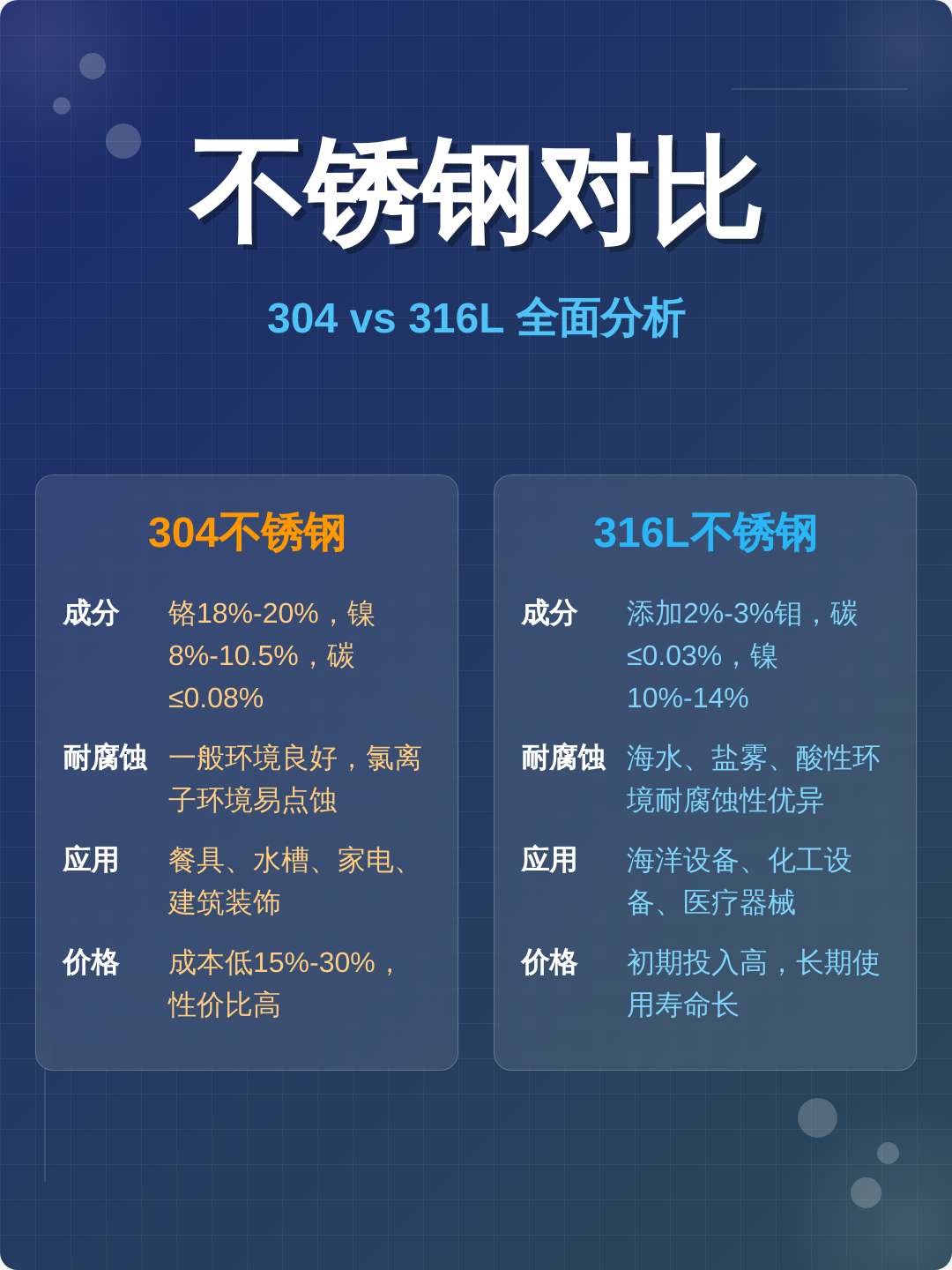
Understanding the 316 304 stainless steel difference is essential for selecting the right material for your specific application. Both grades belong to the austenitic stainless steel family, but they exhibit distinct properties that make each suitable for different environments and uses. The primary 316 304 stainless steel difference lies in their chemical composition, particularly molybdenum content. Grade 304 contains iron, chromium, and nickel, while grade 316 includes additional molybdenum, typically around 2-3 percent. This addition significantly enhances corrosion resistance, especially in chloride-rich environments like coastal areas and chemical processing facilities. The 316 304 stainless steel difference also affects cost, with 316 commanding a premium price due to its superior properties. Grade 304 remains the most widely used stainless steel, offering excellent general-purpose performance and value. Understanding the 316 304 stainless steel difference helps engineers and procurement specialists make informed decisions. Grade 304 excels in food processing, beverage production, and architectural applications. Grade 316 performs better in marine environments, pharmaceutical production, and heavily corrosive industrial settings. Both grades maintain excellent formability, weldability, and aesthetic appeal. The 316 304 stainless steel difference determines which material delivers optimal performance for your project requirements and budget constraints.
 EN
EN