304 vs 316 steel
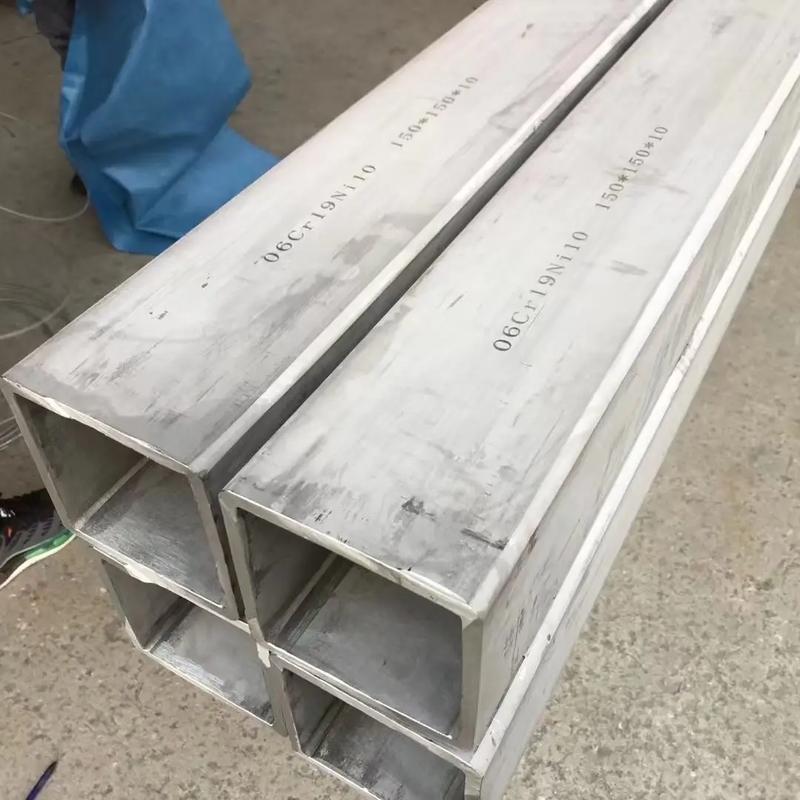
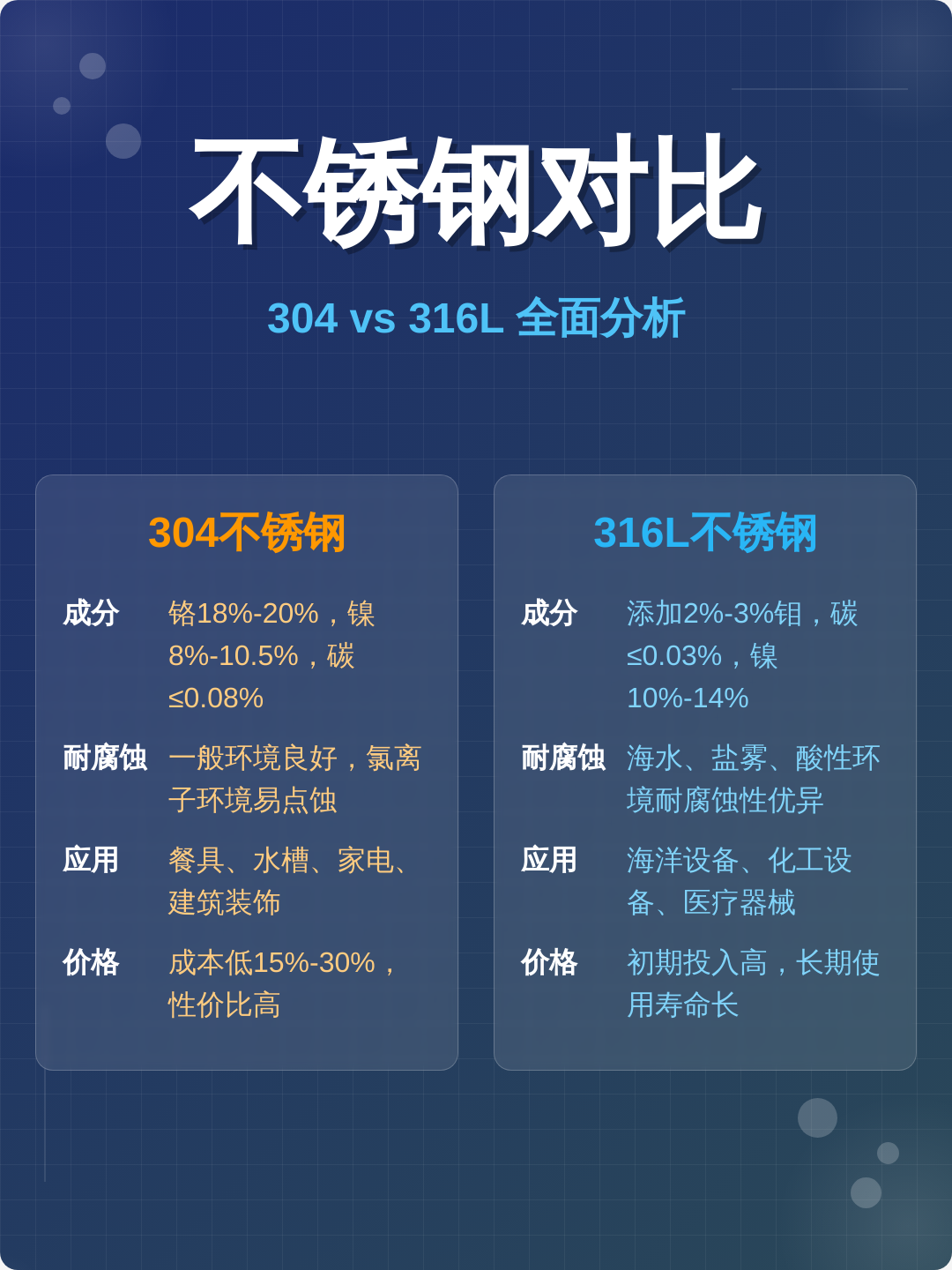
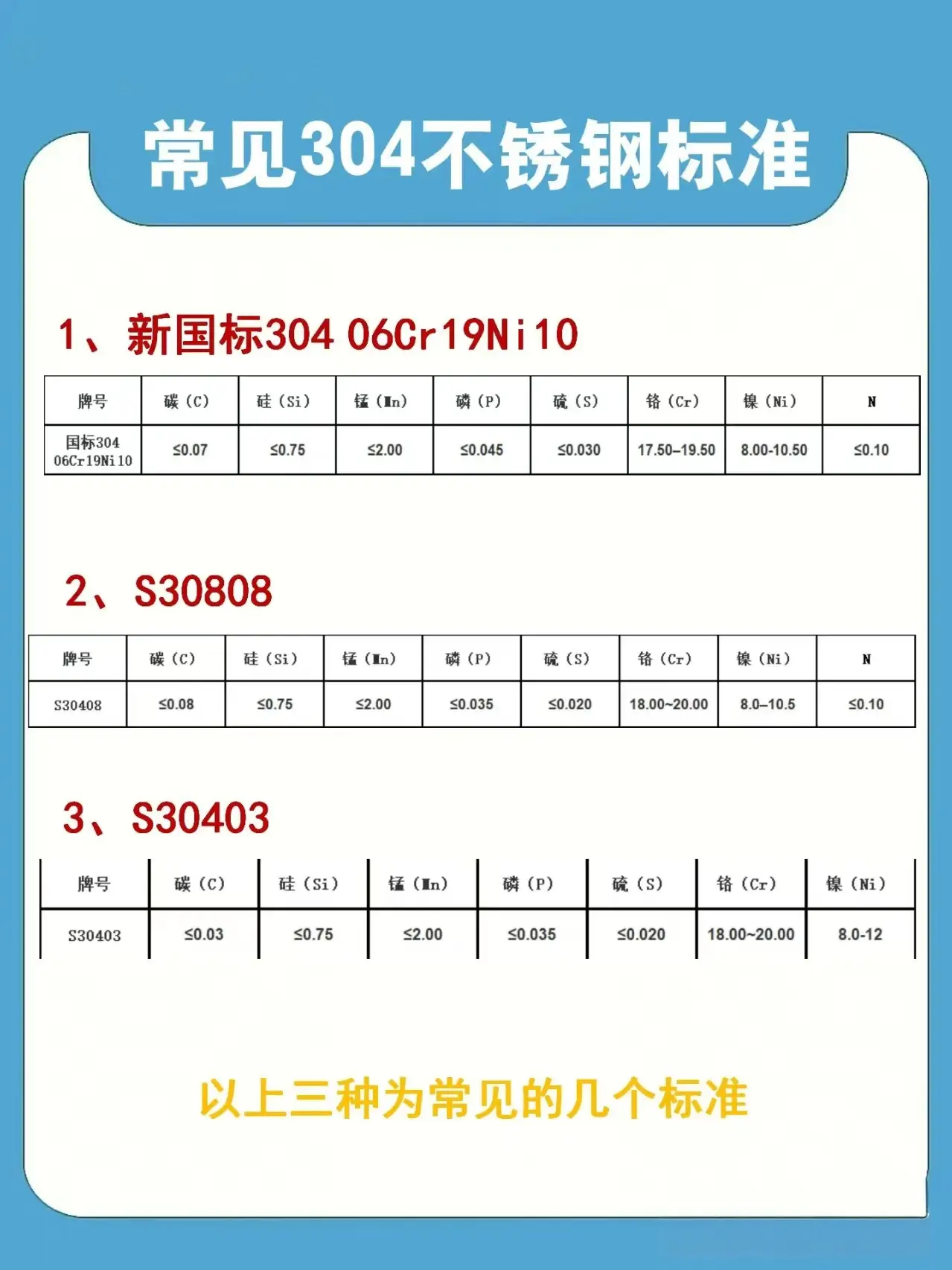
304 vs 316 steel represents a critical decision for engineers and manufacturers selecting the right stainless steel alloy for their applications. Both grades belong to the austenitic stainless steel family, offering excellent corrosion resistance and durability. However, 304 vs 316 steel differs significantly in composition and performance characteristics. Grade 304 contains 18% chromium and 8% nickel, providing reliable corrosion resistance in most environments. Grade 316 incorporates 2-3% molybdenum alongside chromium and nickel, enhancing its resistance to pitting and chloride corrosion. The technological distinction between 304 vs 316 steel lies in molybdenum's role in preventing localized corrosion attacks. When comparing 304 vs 316 steel, the chemical composition directly influences their functional capabilities. Grade 304 excels in general industrial applications, food processing, and architectural projects. Grade 316 performs better in harsh environments containing chlorides, such as coastal regions or chemical processing facilities. Understanding 304 vs 316 steel differences enables proper material selection based on environmental exposure and budget considerations. Both grades maintain excellent formability, weldability, and mechanical strength at elevated temperatures. The choice between 304 vs 316 steel ultimately depends on your specific operational requirements and corrosive exposure conditions.
 EN
EN