316L Steel Composition: Premium Corrosion-Resistant Alloy for Industrial Applications

All Categories

Get a Free Quote

Our representative will contact you soon.
Email
Mobile/WhatsApp
Name
Company Name
Message
0/1000

316l steel composition

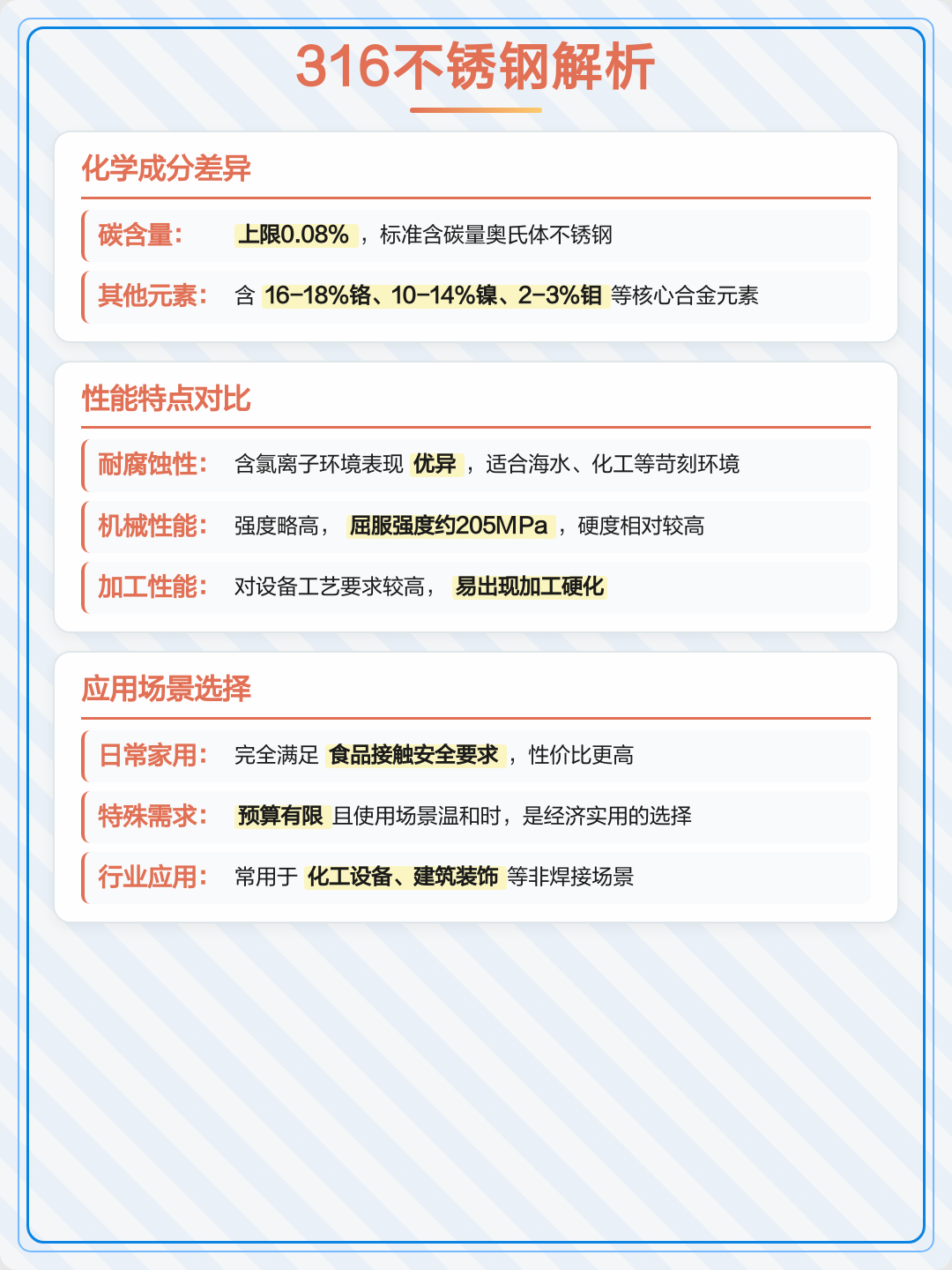
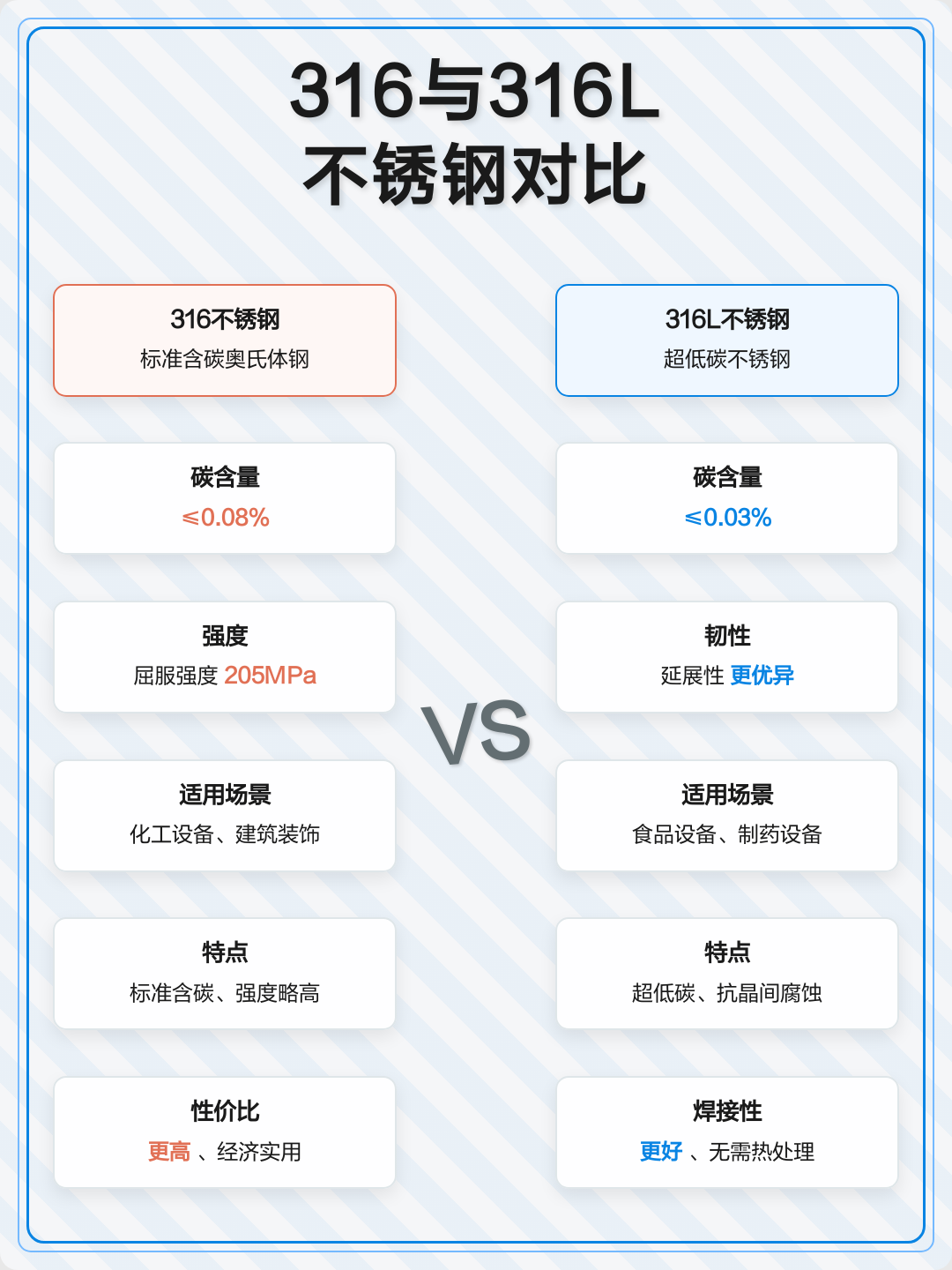
The 316l steel composition represents a premium grade of austenitic stainless steel that has become the industry standard for applications requiring exceptional corrosion resistance and mechanical properties. This low-carbon variant of 316 stainless steel contains approximately 17-20% chromium, 10-14% nickel, and 2-3% molybdenum, with carbon content reduced to a maximum of 0.03%. The 316l steel composition also includes small amounts of manganese, silicon, phosphorus, and sulfur to optimize its performance characteristics. The primary function of this specialized alloy lies in its ability to resist corrosion in harsh environments, particularly those involving chlorides, acids, and marine conditions. The molybdenum content in the 316l steel composition significantly enhances its resistance to pitting and crevice corrosion, making it superior to standard 300-series stainless steels. Technologically, this material exhibits excellent weldability due to its low carbon content, which prevents carbide precipitation at grain boundaries during welding processes. The 316l steel composition maintains its strength and ductility across a wide temperature range, from cryogenic applications to elevated temperatures up to 870°C. Its austenitic structure provides non-magnetic properties in the annealed condition, though it may become slightly magnetic after cold working. The material demonstrates excellent formability, allowing for complex manufacturing processes including deep drawing, spinning, and hydroforming. Applications for the 316l steel composition span across multiple industries including pharmaceutical equipment, food processing machinery, chemical processing plants, marine hardware, architectural components, and medical implants. The biocompatibility of this alloy makes it particularly valuable in surgical instruments and orthopedic implants. Its resistance to chloride-induced stress corrosion cracking makes the 316l steel composition ideal for coastal construction projects and desalination plants.

New Product Releases

The 316l steel composition delivers significant practical benefits that directly impact operational efficiency and cost-effectiveness for businesses across various industries. This advanced material reduces maintenance costs substantially because it resists corrosion that typically destroys conventional steels, eliminating frequent replacements and repairs. Companies using equipment made from 316l steel composition experience extended service life, often doubling or tripling the operational lifespan compared to carbon steel alternatives. The superior corrosion resistance means less downtime for maintenance, keeping production lines running smoothly and maximizing productivity. Manufacturing processes benefit greatly from the excellent weldability of the 316l steel composition, as welders can create strong, reliable joints without complex preheating or post-weld heat treatment procedures. This streamlined fabrication process reduces labor costs and accelerates project completion times. The material's formability allows manufacturers to create complex shapes and designs without compromising structural integrity, providing greater design flexibility for engineers and architects. Temperature stability is another crucial advantage, as the 316l steel composition maintains its mechanical properties across extreme temperature ranges, making it suitable for both cryogenic storage tanks and high-temperature processing equipment. This versatility eliminates the need for different materials in varying temperature applications, simplifying inventory management and reducing procurement costs. The non-magnetic properties of the 316l steel composition prove essential in electronic applications and medical equipment where magnetic interference must be minimized. Food processing companies particularly benefit from this material's hygienic properties, as its smooth surface finish prevents bacterial growth and makes cleaning procedures more effective. The 316l steel composition meets strict FDA requirements for food contact surfaces, ensuring compliance with health regulations. In marine environments, this alloy prevents costly corrosion damage from saltwater exposure, protecting investments in offshore platforms, ships, and coastal infrastructure. The biocompatibility of the 316l steel composition enables its use in medical implants without adverse reactions, supporting the growing healthcare industry's needs for reliable, safe materials.

Latest News

Strongwin Stainless Steel Group Achieves ISO 90012015 Certification and AD 2000 Merkblatt Approval

28

Feb

Strongwin Stainless Steel Group Achieves ISO 90012015 Certification and AD 2000 Merkblatt Approval

View More
Strongwin Stainless Steel Group Announces Major Production Capacity Expansion to Meet Growing Global Demand

11

Mar

Strongwin Stainless Steel Group Announces Major Production Capacity Expansion to Meet Growing Global Demand

View More
Strongwin Stainless Steel Group Announces Strategic Partnership with Leading European Engineering Firm

11

Mar

Strongwin Stainless Steel Group Announces Strategic Partnership with Leading European Engineering Firm

View More

Get a Free Quote

Our representative will contact you soon.
Email
Mobile/WhatsApp
Name
Company Name
Message
0/1000

316l steel composition

Exceptional Corrosion Resistance Performance

Exceptional Corrosion Resistance Performance

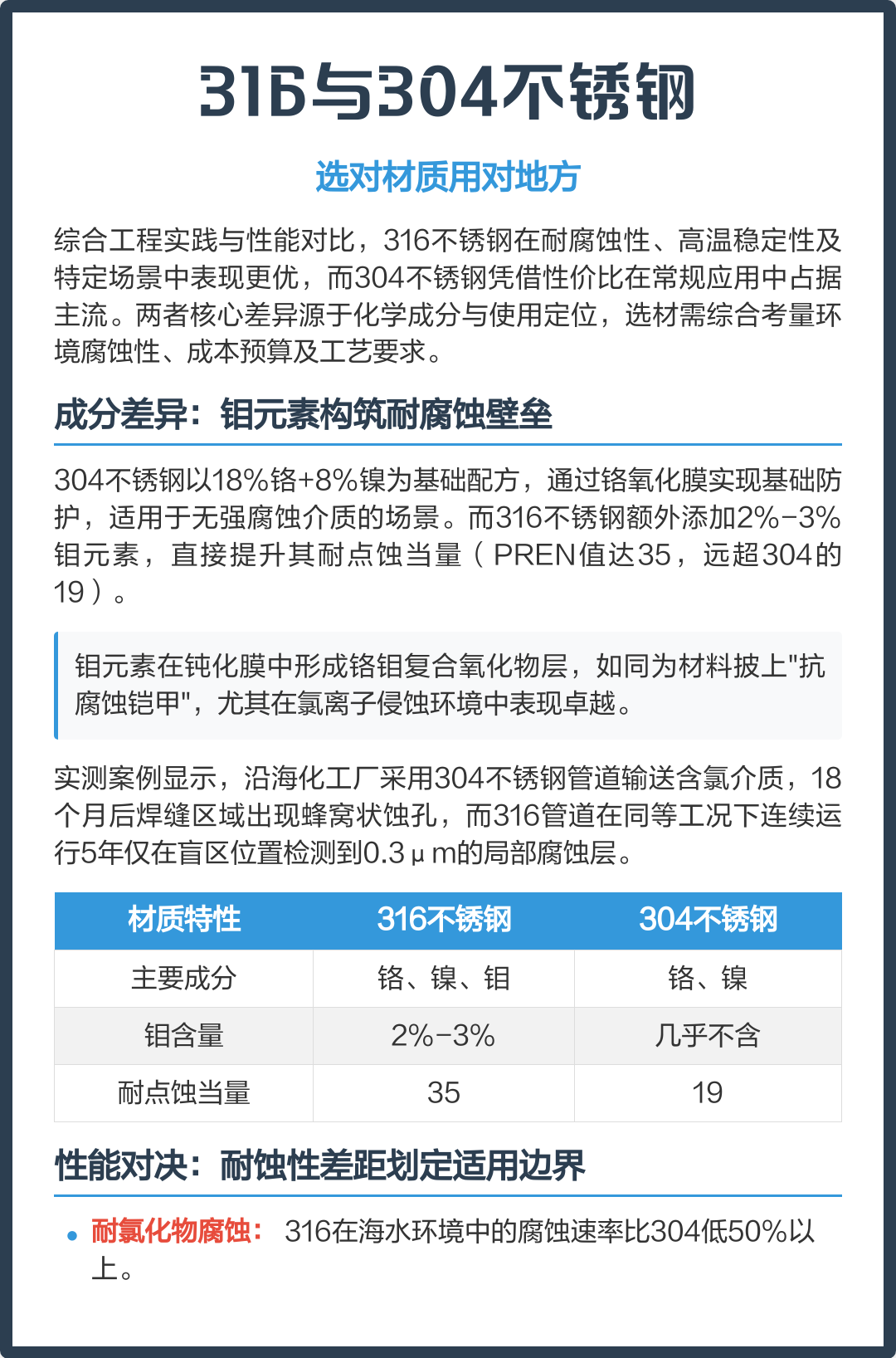
The 316l steel composition stands out in the metallurgical world primarily due to its exceptional corrosion resistance capabilities that surpass conventional stainless steel grades. This superior performance stems from its carefully balanced chemical composition, particularly the addition of molybdenum which creates a protective barrier against aggressive corrosive agents. When exposed to chloride environments, seawater, or acidic conditions, the 316l steel composition forms a passive oxide layer that self-repairs and maintains its integrity over extended periods. This protective mechanism prevents pitting corrosion, which commonly affects lesser-grade materials and leads to catastrophic failures in critical applications. The molybdenum content, typically ranging from 2-3%, significantly enhances the material's ability to resist localized corrosion attacks, particularly in stagnant or low-velocity fluid conditions where other stainless steels would rapidly deteriorate. Chemical processing facilities rely heavily on the 316l steel composition because it withstands exposure to sulfuric acid, hydrochloric acid, and various organic compounds that would quickly destroy carbon steel or lower-grade stainless steel equipment. Marine applications benefit tremendously from this corrosion resistance, as saltwater and coastal atmospheric conditions create some of the most challenging environments for metallic materials. The 316l steel composition maintains its structural integrity in these conditions for decades, providing reliable service in offshore drilling platforms, ship components, and coastal infrastructure projects. Pharmaceutical and food processing industries depend on this corrosion resistance to maintain product purity and prevent contamination from metal dissolution. The material's ability to resist corrosion without releasing harmful ions into processed materials ensures compliance with strict industry regulations and maintains product quality standards. This exceptional corrosion resistance translates directly into reduced lifecycle costs, as equipment made from 316l steel composition requires minimal maintenance and replacement, providing excellent return on investment for businesses operating in corrosive environments.
Superior Weldability and Fabrication Properties

Superior Weldability and Fabrication Properties

The 316l steel composition exhibits outstanding weldability characteristics that distinguish it from other high-performance alloys, making it the preferred choice for complex fabrication projects requiring reliable welded joints. The low carbon content, limited to a maximum of 0.03%, prevents the formation of chromium carbides during welding operations, which typically cause sensitization and reduce corrosion resistance in higher carbon grades. This fundamental advantage allows welders to create strong, corrosion-resistant joints without requiring expensive post-weld heat treatments or complex preheating procedures. The austenitic structure of the 316l steel composition provides excellent ductility during welding, accommodating thermal expansion and contraction stresses without cracking or distortion. Professional fabricators appreciate how this material responds predictably to various welding processes, including TIG, MIG, and stick welding, providing consistent results across different applications and skill levels. The 316l steel composition maintains its corrosion resistance properties in the heat-affected zones adjacent to welds, ensuring uniform performance throughout the entire structure. This characteristic proves crucial in pressure vessels, piping systems, and architectural applications where weld integrity directly impacts safety and longevity. Manufacturing facilities benefit from reduced welding costs because the 316l steel composition requires fewer specialized procedures and consumables compared to other high-performance alloys. The material's compatibility with standard welding equipment and techniques minimizes training requirements for welding personnel and reduces the risk of welding defects that could compromise structural integrity. Cold forming operations also benefit from the excellent ductility of the 316l steel composition, allowing manufacturers to create complex shapes through stamping, spinning, and deep drawing processes without cracking or excessive work hardening. This formability extends to hydroforming applications where the material must stretch and conform to intricate die shapes while maintaining wall thickness uniformity. The combination of superior weldability and formability makes the 316l steel composition ideal for custom fabrication projects where standard off-the-shelf components cannot meet specific requirements, enabling engineers to design innovative solutions for challenging applications.
Versatile Temperature Range and Mechanical Stability

Versatile Temperature Range and Mechanical Stability

The 316l steel composition demonstrates remarkable mechanical stability across an extraordinarily wide temperature range, from cryogenic applications at -196°C to elevated temperatures reaching 870°C, making it invaluable for industries operating under extreme thermal conditions. This temperature versatility stems from the material's austenitic crystal structure, which remains stable and maintains its beneficial properties throughout this extensive temperature range without undergoing phase transformations that could compromise performance. At cryogenic temperatures, the 316l steel composition actually increases in strength while retaining excellent toughness, making it ideal for liquefied natural gas storage tanks, aerospace applications, and scientific equipment operating at ultra-low temperatures. The material's thermal expansion coefficient remains predictable and manageable across temperature variations, allowing engineers to design systems that accommodate thermal cycling without experiencing stress-related failures. High-temperature applications benefit from the 316l steel composition's resistance to oxidation and scaling, maintaining surface integrity even when exposed to elevated temperatures for extended periods. The material's creep resistance at elevated temperatures ensures dimensional stability in pressure vessels, heat exchangers, and furnace components where thermal stress could cause deformation in lesser materials. Thermal cycling applications particularly benefit from the mechanical stability of the 316l steel composition, as repeated heating and cooling cycles do not cause metallurgical changes that would degrade performance over time. Power generation facilities rely on this temperature stability for steam turbine components, heat recovery systems, and exhaust gas handling equipment where thermal shock resistance proves critical for operational reliability. The 316l steel composition maintains consistent mechanical properties throughout temperature fluctuations, providing predictable performance for engineers designing safety-critical systems. Food processing equipment benefits from this temperature range capability, accommodating both freezing and cooking processes within the same system while maintaining hygienic surface conditions. Chemical processing plants utilize the 316l steel composition for reactors and heat exchangers where simultaneous exposure to corrosive chemicals and elevated temperatures would destroy conventional materials, ensuring process reliability and worker safety in demanding industrial environments.

Get a Free Quote

Our representative will contact you soon.
Email
Mobile/WhatsApp
Name
Company Name
Message
0/1000