Professional Dry Pipe Valves: Advanced Fire Protection Systems for Cold Climate Applications

All Categories

Get a Free Quote

Our representative will contact you soon.
Email
Mobile/WhatsApp
Name
Company Name
Message
0/1000

dry pipe valves

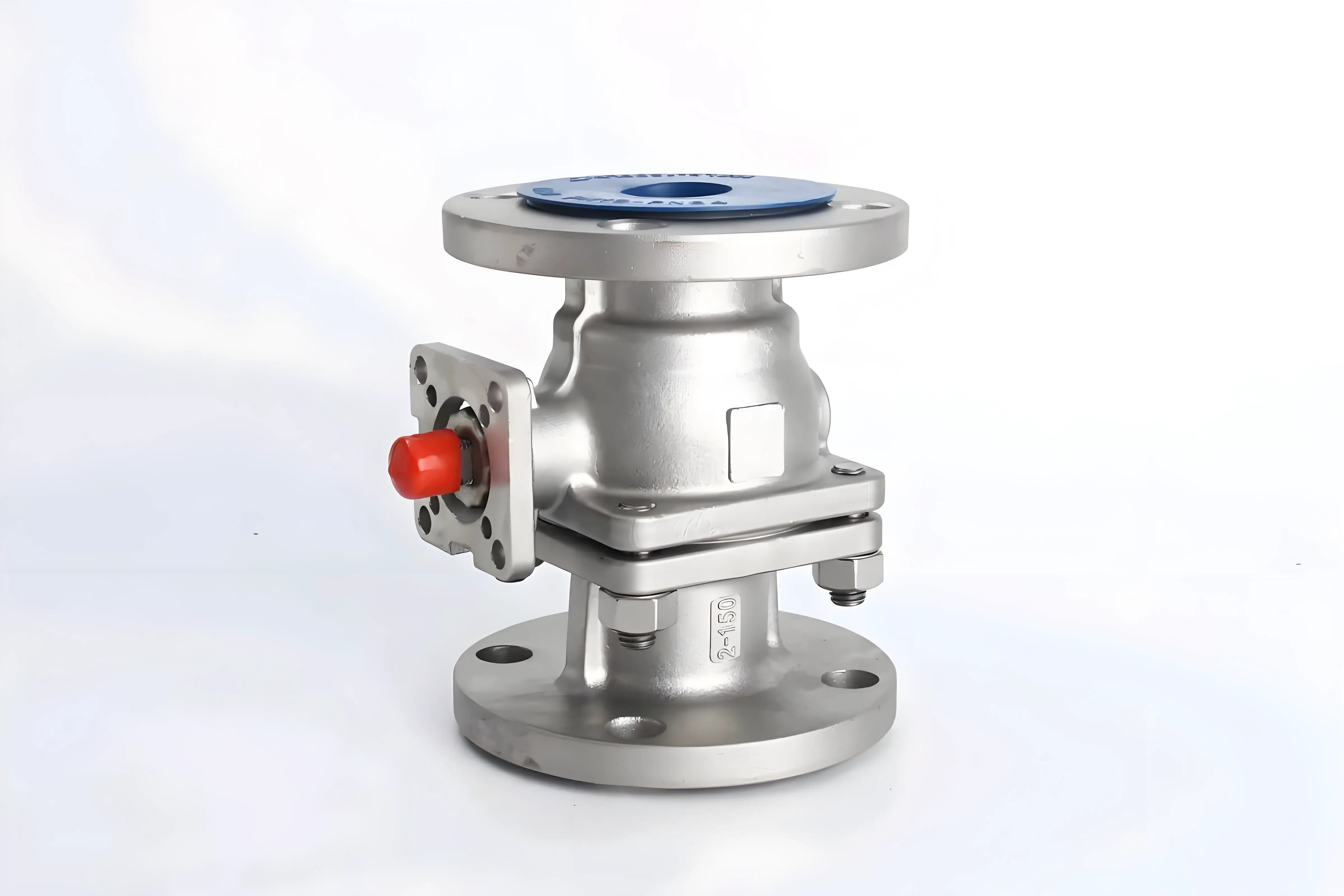
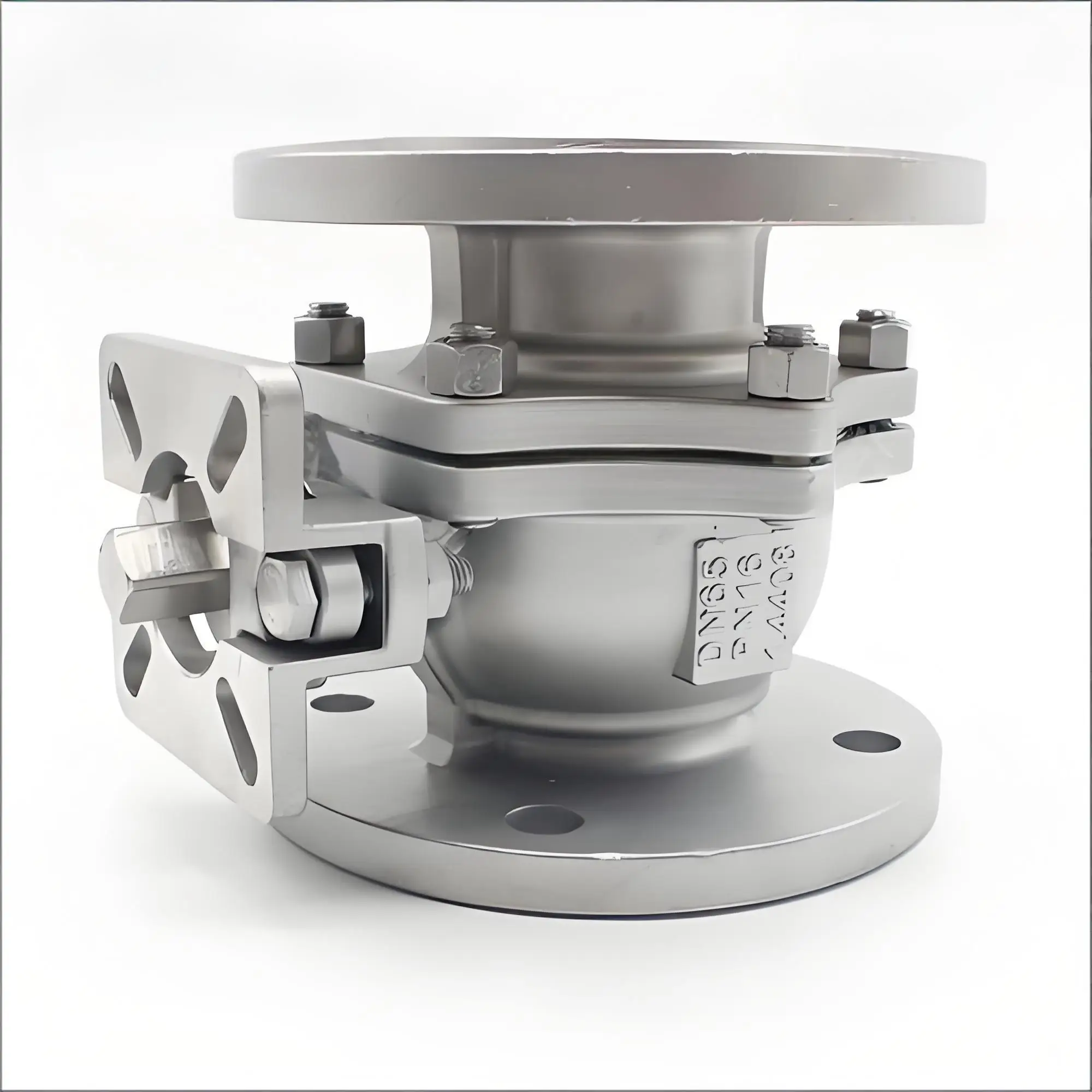
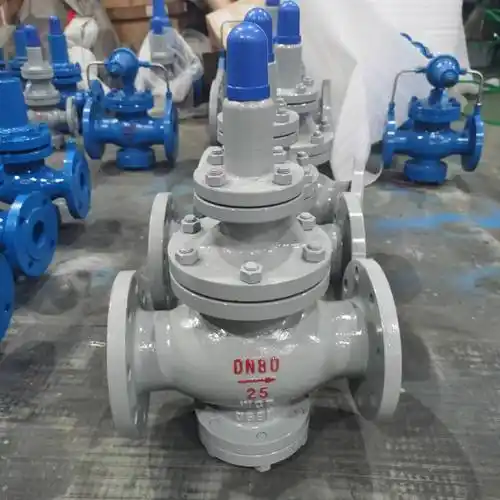
Dry pipe valves represent a critical component in modern fire protection systems, specifically designed to control water flow in dry pipe sprinkler installations. These sophisticated devices serve as the primary interface between the water supply and the sprinkler network, maintaining a pressurized air or nitrogen environment within the piping system while keeping water at bay until activation occurs. The fundamental operation of dry pipe valves relies on a differential pressure mechanism, where air pressure on one side of the valve clapper exceeds water pressure on the opposite side, effectively creating a watertight seal. When sprinkler heads activate due to heat exposure, the air pressure drops rapidly, allowing water pressure to overcome the air resistance and open the valve, subsequently flooding the system with water for fire suppression. Technologically, these valves incorporate precision-engineered components including adjustable trip mechanisms, quick-opening features, and integrated pressure monitoring systems. The valve body typically features robust construction using materials such as ductile iron or bronze, ensuring long-term durability and resistance to corrosion. Advanced models include electronic monitoring capabilities, allowing for remote supervision and automatic testing protocols. Primary applications for dry pipe valves span across various industries and environments where freezing temperatures pose significant risks to traditional wet pipe systems. These include unheated warehouses, parking garages, loading docks, cold storage facilities, and outdoor installations. The technology proves particularly valuable in geographical regions experiencing harsh winter conditions, where standard sprinkler systems would be susceptible to freeze damage. Modern dry pipe valves also feature enhanced safety mechanisms, including anti-flooding devices and pressure relief systems, ensuring reliable operation under diverse environmental conditions while maintaining system integrity and readiness for emergency activation.

New Product Releases

Dry pipe valves deliver exceptional freeze protection capabilities, making them indispensable for facilities operating in cold environments where traditional wet systems would fail. Unlike conventional sprinkler systems that maintain water throughout the piping network, these valves keep water safely stored in heated areas while maintaining air pressure in the distribution pipes. This design eliminates the risk of pipe bursting due to ice formation, which can cause extensive property damage and render fire protection systems inoperative when needed most. The cost savings from avoiding freeze-related repairs and system downtime often justify the initial investment within the first winter season. Installation flexibility represents another significant advantage, as dry pipe valves accommodate irregular building layouts and spaces with varying temperature zones. Property owners can protect large unheated areas without the expense of heating entire structures or installing complex pipe insulation systems. The valves integrate seamlessly with existing fire protection infrastructure, requiring minimal modifications to building systems while providing comprehensive coverage. Maintenance requirements prove notably straightforward compared to alternative solutions. The valves feature accessible test connections and clear visual indicators, enabling facility managers to perform routine inspections efficiently. Regular testing procedures take minutes rather than hours, and the robust construction minimizes component replacement frequency. This translates to lower long-term operational costs and reduced system downtime. Emergency response effectiveness remains optimal because dry pipe valves activate rapidly once triggered, flooding affected areas with water within seconds. The differential pressure design ensures reliable operation even after extended dormant periods, providing confidence that protection remains available when emergencies arise. Additionally, these systems reduce water damage risks in non-fire situations since pipes remain dry during normal operations. False activations result in minimal water discharge compared to wet systems, protecting valuable inventory and equipment from unnecessary water exposure. The technology also supports environmental sustainability goals by reducing water waste and energy consumption associated with maintaining heated water distribution throughout large facilities.

Practical Tips

Strongwin Stainless Steel Group Achieves ISO 90012015 Certification and AD 2000 Merkblatt Approval

28

Feb

Strongwin Stainless Steel Group Achieves ISO 90012015 Certification and AD 2000 Merkblatt Approval

View More
Strongwin Stainless Steel Group Announces Major Production Capacity Expansion to Meet Growing Global Demand

11

Mar

Strongwin Stainless Steel Group Announces Major Production Capacity Expansion to Meet Growing Global Demand

View More
Strongwin Stainless Steel Group Announces Strategic Partnership with Leading European Engineering Firm

11

Mar

Strongwin Stainless Steel Group Announces Strategic Partnership with Leading European Engineering Firm

View More

Get a Free Quote

Our representative will contact you soon.
Email
Mobile/WhatsApp
Name
Company Name
Message
0/1000

dry pipe valves

Advanced Differential Pressure Technology for Reliable Operation

Advanced Differential Pressure Technology for Reliable Operation

The cornerstone of dry pipe valve effectiveness lies in its sophisticated differential pressure mechanism, which represents a pinnacle of engineering precision in fire protection technology. This innovative system operates on the fundamental principle that a relatively small amount of air pressure can hold back significantly higher water pressure, typically maintaining a ratio of approximately one pound of air pressure for every six pounds of water pressure. The valve clapper, positioned strategically within the valve body, creates an effective seal that prevents water intrusion while the system remains in standby mode. This differential pressure design incorporates multiple safety features, including adjustable trip settings that allow technicians to fine-tune activation sensitivity based on specific environmental conditions and building requirements. The precision engineering ensures consistent performance across varying atmospheric conditions, altitude changes, and seasonal temperature fluctuations. Modern implementations include electronic pressure monitoring systems that continuously track both air and water pressure levels, providing real-time data to building management systems and enabling proactive maintenance scheduling. The technology accommodates various air pressure sources, from simple air compressors to sophisticated nitrogen generation systems, offering flexibility in system design and operation. Quick-opening mechanisms enhance the differential pressure system by ensuring rapid valve activation once the pressure threshold is breached, minimizing water delivery delays during emergency situations. The valve construction incorporates corrosion-resistant materials and specialized sealing compounds that maintain integrity over decades of operation, even in challenging environmental conditions. Advanced models feature modular designs that facilitate component replacement and system upgrades without complete valve replacement, extending system lifespan and protecting long-term investments. The differential pressure technology also includes fail-safe mechanisms that prevent accidental activation while ensuring reliable operation when genuine emergencies occur, providing building owners with confidence in their fire protection capabilities while minimizing false alarm incidents that could disrupt business operations.
Comprehensive Cold Climate Protection and Freeze Prevention

Comprehensive Cold Climate Protection and Freeze Prevention

Dry pipe valves excel in providing unparalleled protection against freeze-related failures that plague traditional wet sprinkler systems in cold environments. The fundamental design keeps water confined to heated areas while distributing pressurized air or nitrogen throughout the piping network, effectively eliminating freeze risks in unheated spaces. This protection extends beyond simple freeze prevention to include comprehensive system integrity maintenance during extreme temperature variations, ensuring reliable fire protection regardless of seasonal conditions. The technology proves particularly valuable in facilities experiencing temperature swings, where partial freezing could compromise system effectiveness without causing obvious pipe failures. Advanced insulation integration allows these valves to operate effectively in outdoor installations and exposed piping situations where wet systems would require extensive and costly heating solutions. The freeze protection capabilities extend to valve components themselves, with specialized housing designs and internal configurations that prevent ice formation in critical operational areas. Modern installations incorporate temperature monitoring systems that track conditions throughout the protected area, providing early warning of potential freeze conditions and enabling proactive system management. The protection system accommodates various building types, from massive industrial warehouses to smaller commercial facilities, scaling effectively to match specific protection requirements. Emergency heating systems can integrate seamlessly with dry pipe valve installations, providing additional protection during extreme weather events while maintaining primary system functionality. The technology also addresses the unique challenges of seasonal facilities, such as recreational buildings or seasonal manufacturing operations, where heating systems may be shut down for extended periods. Specialized valve configurations accommodate different air supply methods, from manual charging systems for smaller installations to automated compressor systems for large commercial applications. The comprehensive protection extends to system components beyond the valve itself, with compatible piping materials and fittings designed to withstand temperature extremes while maintaining system integrity and performance standards required for effective fire protection.
Cost-Effective Long-Term Investment with Minimal Maintenance Requirements

Cost-Effective Long-Term Investment with Minimal Maintenance Requirements

Investment in dry pipe valves delivers exceptional long-term value through reduced operational costs, minimal maintenance requirements, and extended system lifespan compared to alternative fire protection solutions. The initial cost premium over wet systems typically recovers within the first few years through eliminated freeze damage, reduced energy consumption, and decreased maintenance expenses. The robust construction of modern dry pipe valves, featuring high-grade materials such as ductile iron bodies and bronze internal components, ensures decades of reliable operation with minimal component replacement requirements. Maintenance procedures streamline through accessible test connections, clear visual indicators, and standardized inspection protocols that facility staff can perform without specialized training or expensive diagnostic equipment. The valve design incorporates self-draining features that prevent water accumulation and subsequent corrosion, extending component lifespan and maintaining optimal performance characteristics throughout the system lifecycle. Cost effectiveness extends to insurance considerations, as many carriers offer premium reductions for properties protected by properly maintained dry pipe systems, recognizing the reduced risk of freeze-related failures and water damage claims. Energy savings accumulate through eliminated heating requirements for piping systems, particularly significant in large facilities where heating pipe networks would consume substantial energy resources. The technology supports predictive maintenance approaches through integrated monitoring systems that track performance metrics and alert operators to potential issues before system failures occur. Professional servicing requirements minimize due to the straightforward mechanical design and accessible component layout, reducing service call frequency and associated costs. System flexibility accommodates building modifications and expansions without extensive valve replacement, protecting capital investments during facility renovations or operational changes. The long-term reliability translates to improved business continuity, as systems remain operational during cold weather periods when fire risks may actually increase due to heating equipment usage and reduced occupancy monitoring. Advanced diagnostic capabilities in modern units provide detailed performance data that supports informed decision-making regarding system optimization and upgrade timing, ensuring maximum return on investment throughout the system operational lifetime while maintaining optimal fire protection effectiveness for building occupants and property assets.

Get a Free Quote

Our representative will contact you soon.
Email
Mobile/WhatsApp
Name
Company Name
Message
0/1000