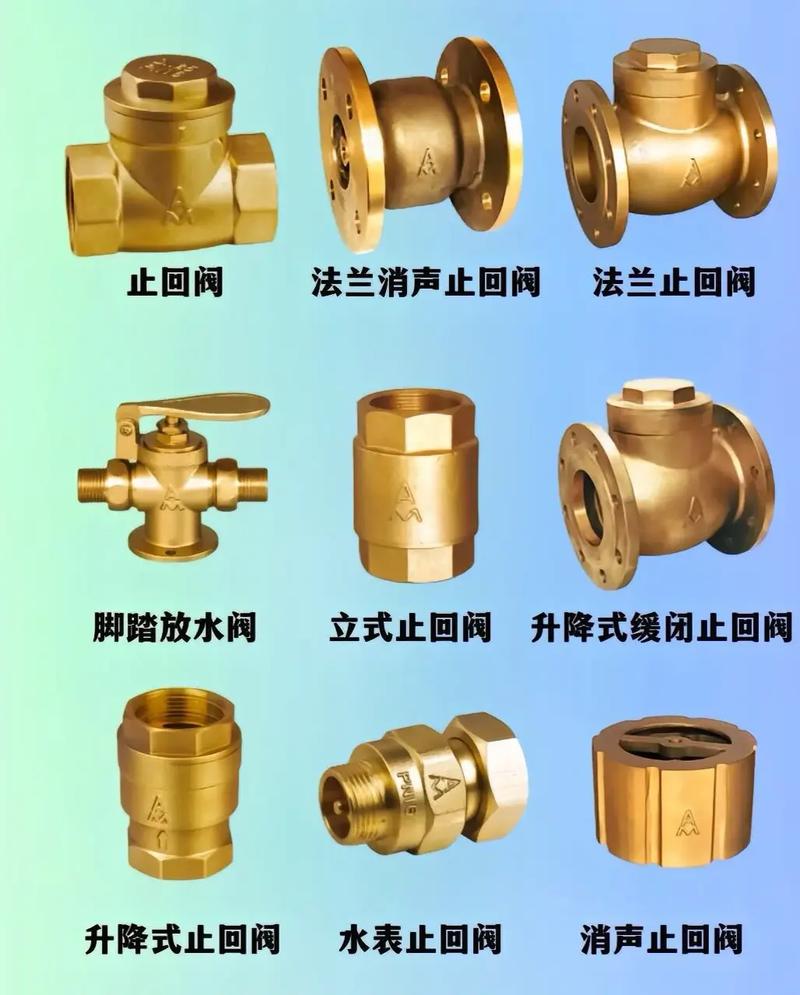
industrial valve types
Industrial valve types represent essential components in fluid control systems across numerous industries. These mechanical devices regulate, direct, and stop the flow of liquids, gases, and slurries through pipes and processing systems. Understanding industrial valve types is crucial for engineers, facility managers, and procurement specialists seeking optimal flow management solutions.
The primary function of industrial valve types involves controlling fluid movement through opening, closing, or partially obstructing flow paths. Different industrial valve types serve specific applications, from simple on-off operations to precise throttling requirements. The technological features distinguishing various industrial valve types include valve body designs, sealing mechanisms, actuation methods, and material compositions.
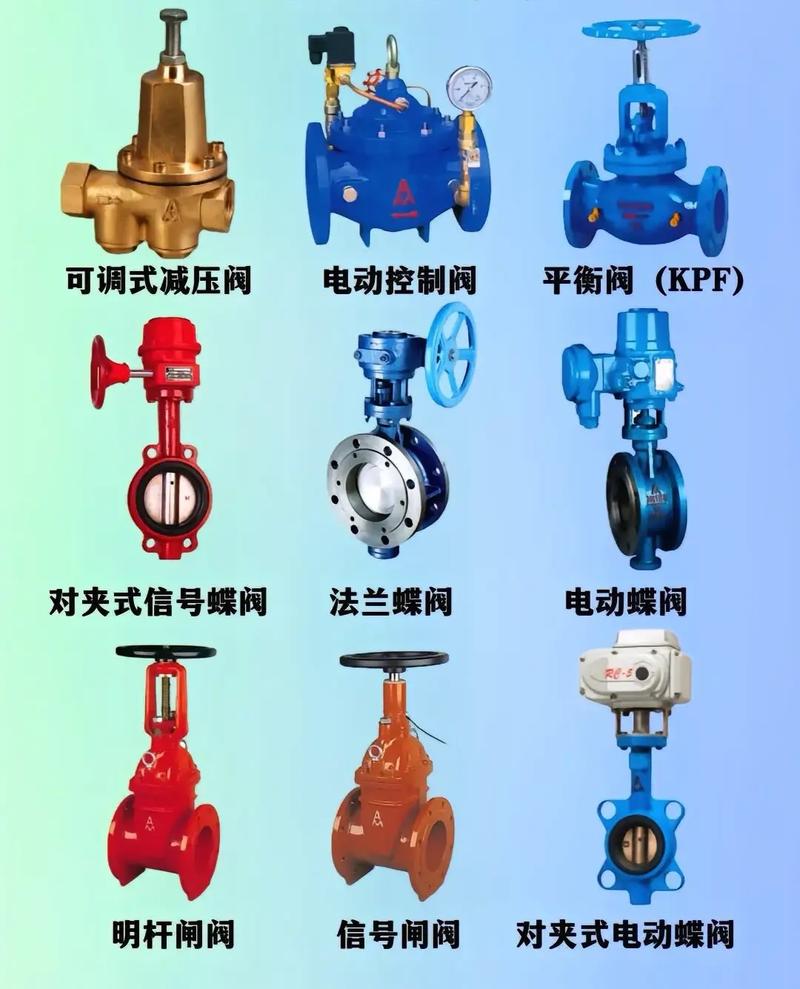
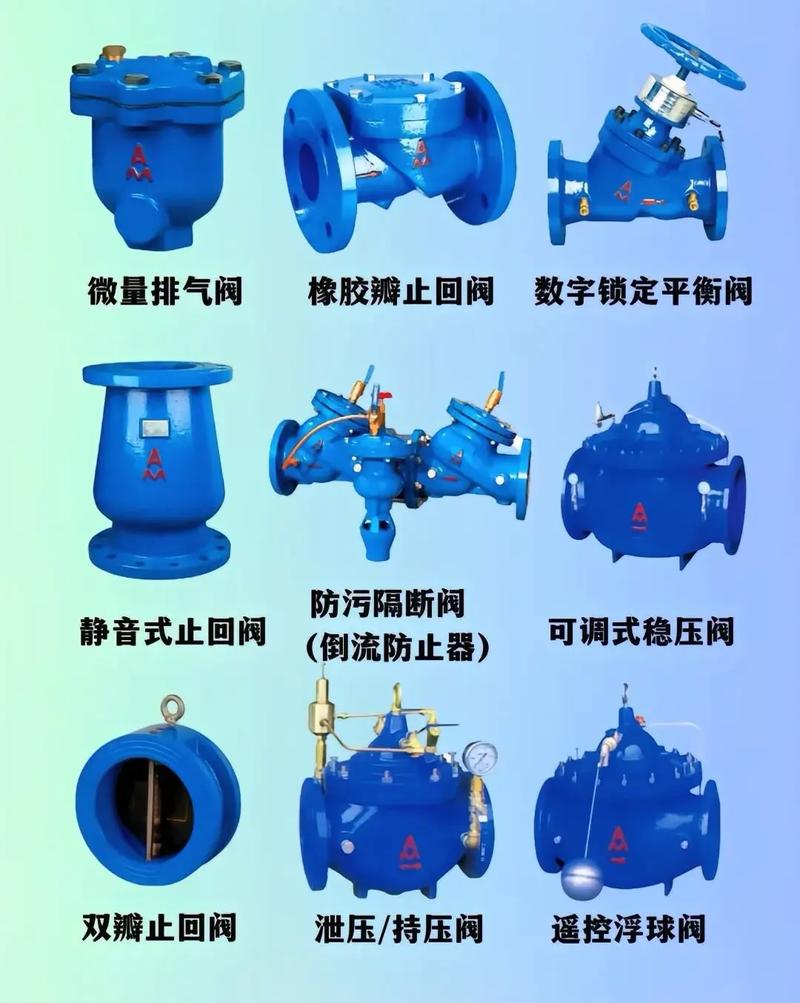
Common industrial valve types include ball valves, gate valves, globe valves, check valves, and butterfly valves. Ball valves provide quick shut-off capabilities with minimal pressure drop. Gate valves excel in applications requiring full port opening. Globe valves enable precise flow regulation through throttling. Check valves prevent backflow automatically. Butterfly valves offer compact designs for large-diameter piping.
Industrial valve types find applications across petroleum refineries, chemical processing plants, water treatment facilities, power generation stations, and HVAC systems. Each industrial valve type category offers unique advantages for specific operational conditions, pressure ratings, and temperature ranges. Selecting appropriate industrial valve types ensures system reliability, safety, and efficiency while minimizing maintenance costs and downtime throughout facility operations.
 EN
EN