Complete Guide to Types of Valves in Pipe Fittings: Functions, Benefits & Applications

All Categories

Get a Free Quote

Our representative will contact you soon.
Email
Mobile/WhatsApp
Name
Company Name
Message
0/1000

types of valves in pipe fittings

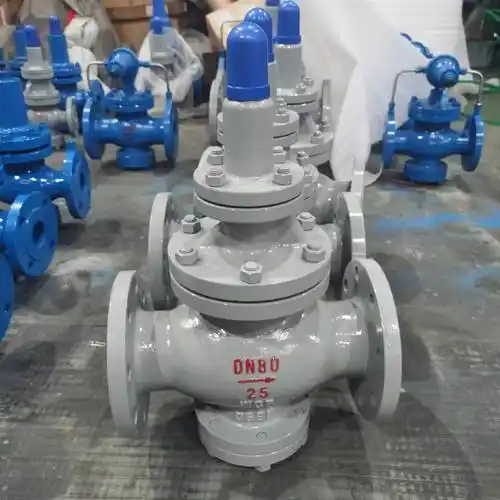
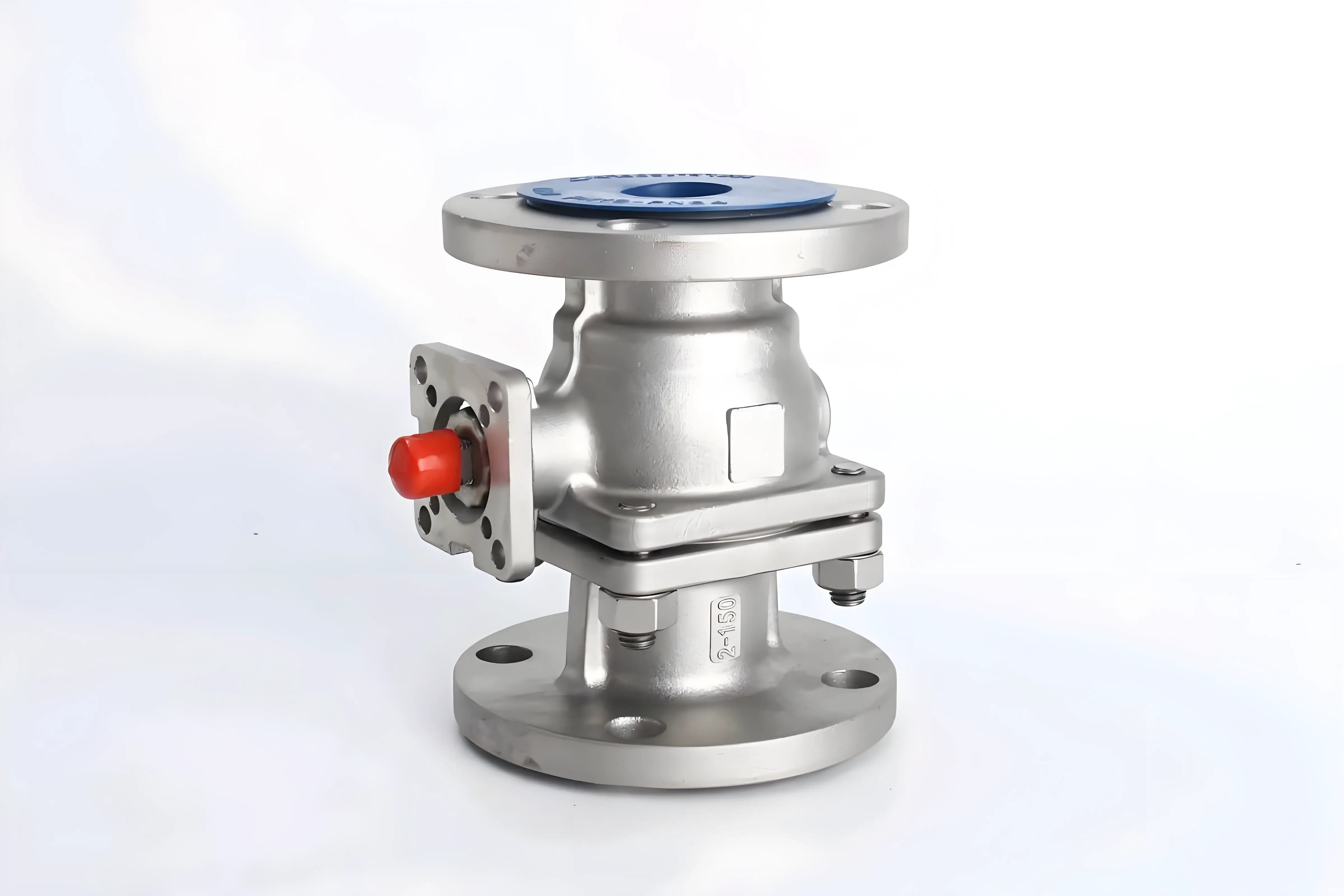
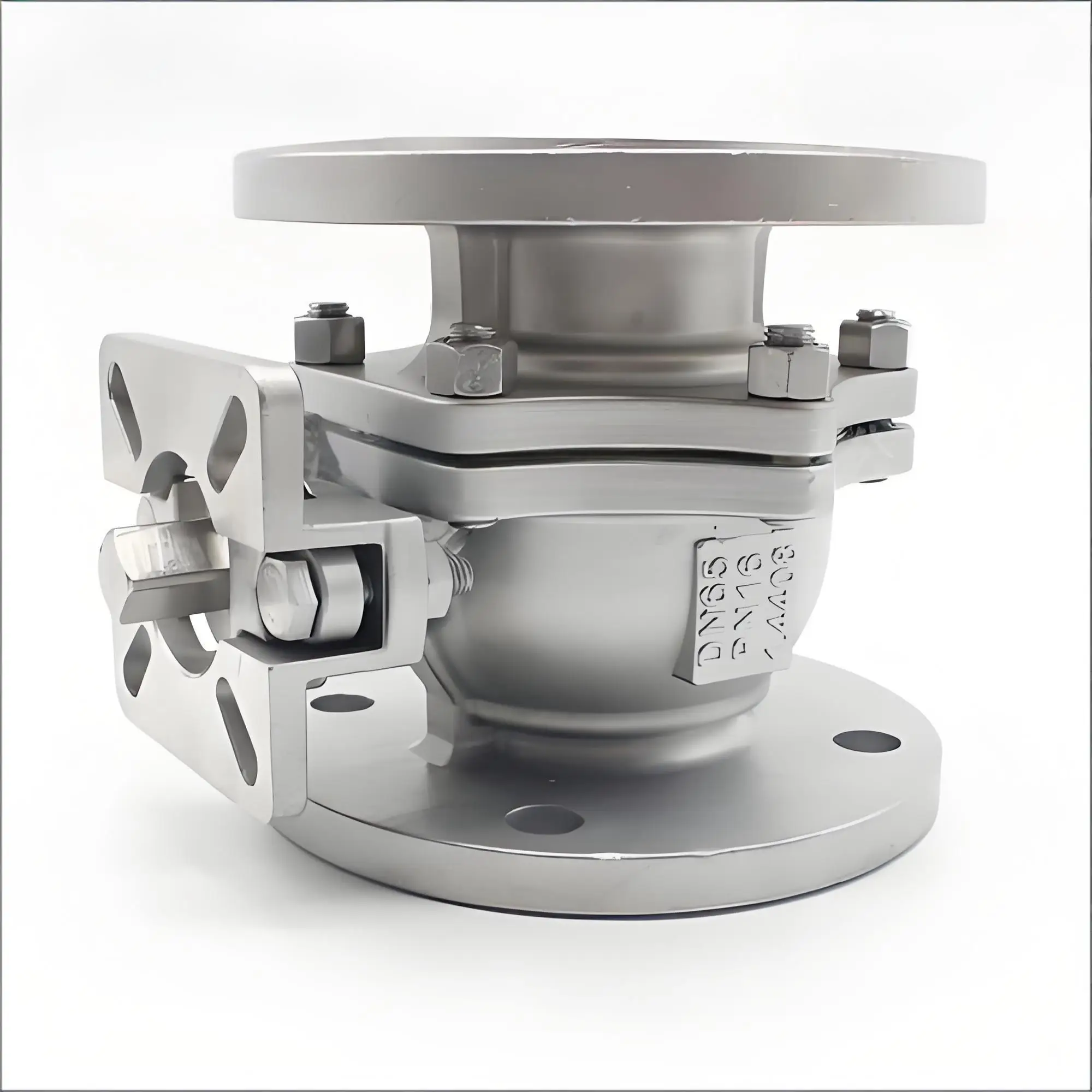
Types of valves in pipe fittings represent essential components that control fluid flow within piping systems across numerous industries. These mechanical devices serve as gatekeepers, regulating pressure, direction, and volume of liquids, gases, and other substances moving through pipelines. Understanding the various types of valves in pipe fittings helps engineers and facility managers select appropriate solutions for specific applications. Gate valves constitute one primary category, featuring a sliding gate mechanism that provides complete shutoff capabilities. These valves excel in applications requiring minimal flow restriction when fully open. Ball valves utilize a rotating sphere with a bore to control flow, offering quick operation through quarter-turn movement. Their robust construction makes them suitable for high-pressure environments and corrosive media. Globe valves employ a movable disc against a stationary ring seat, providing excellent throttling control for precise flow regulation. Check valves prevent backflow automatically, protecting equipment and maintaining system integrity without manual intervention. Butterfly valves feature a rotating disc that pivots on a shaft, offering compact design and cost-effective flow control. Needle valves provide fine flow adjustment through their tapered needle-like stem, making them ideal for precise control applications. Relief valves protect systems from overpressure conditions by automatically releasing excess pressure when predetermined limits are exceeded. Diaphragm valves use a flexible membrane to control flow, preventing contamination between the process medium and valve components. Each type of valve in pipe fittings incorporates specific technological features designed for particular operating conditions. Materials range from brass and stainless steel to specialized alloys, ensuring compatibility with various fluids and temperatures. Actuation methods include manual, pneumatic, electric, and hydraulic options, providing flexibility in control systems integration. Applications span water treatment facilities, oil and gas processing, chemical manufacturing, pharmaceutical production, food processing, and HVAC systems, demonstrating the versatility of different types of valves in pipe fittings across industrial sectors.

New Products

The advantages of implementing various types of valves in pipe fittings extend far beyond basic flow control, delivering tangible benefits that enhance operational efficiency and reduce long-term costs. These specialized components provide precise control over fluid movement, allowing operators to maintain optimal system performance while minimizing waste and energy consumption. Different types of valves in pipe fittings offer superior durability compared to alternative flow control methods, withstanding harsh operating conditions including extreme temperatures, high pressures, and corrosive environments. This resilience translates to reduced maintenance requirements and extended service life, significantly lowering total ownership costs for industrial facilities. The versatility of modern valve designs accommodates diverse applications, from simple on-off control to complex throttling operations that demand precise flow regulation. Installation flexibility represents another key advantage, as manufacturers design types of valves in pipe fittings to integrate seamlessly with existing piping systems using standard connections and mounting configurations. This compatibility reduces installation time and eliminates the need for costly system modifications. Safety benefits cannot be overstated, as properly selected valves prevent dangerous overpressure conditions, backflow situations, and uncontrolled fluid releases that could endanger personnel or damage equipment. Automated valve options enhance safety further by providing remote operation capabilities and fail-safe mechanisms that respond to emergency conditions without human intervention. Energy efficiency improvements result from reduced pressure drops and optimized flow patterns created by well-designed valve internals. These efficiency gains compound over time, generating substantial savings on utility costs while supporting sustainability initiatives. Maintenance advantages include modular designs that allow component replacement without removing the entire valve body from the pipeline. Quick-acting mechanisms in many types of valves in pipe fittings enable rapid system isolation during maintenance activities, minimizing downtime and production losses. The availability of different materials and coatings ensures chemical compatibility with virtually any process fluid, preventing corrosion and contamination issues that plague inferior control devices. Advanced sealing technologies in modern valve designs eliminate external leakage, protecting the environment while maintaining system efficiency. Regulatory compliance becomes achievable through documented performance specifications and industry certifications that validate valve performance under specified conditions, ensuring installations meet safety and environmental standards.

Latest News

Strongwin Stainless Steel Group Achieves ISO 90012015 Certification and AD 2000 Merkblatt Approval

28

Feb

Strongwin Stainless Steel Group Achieves ISO 90012015 Certification and AD 2000 Merkblatt Approval

View More
Strongwin Stainless Steel Group Announces Major Production Capacity Expansion to Meet Growing Global Demand

11

Mar

Strongwin Stainless Steel Group Announces Major Production Capacity Expansion to Meet Growing Global Demand

View More
Strongwin Stainless Steel Group Announces Strategic Partnership with Leading European Engineering Firm

11

Mar

Strongwin Stainless Steel Group Announces Strategic Partnership with Leading European Engineering Firm

View More

Get a Free Quote

Our representative will contact you soon.
Email
Mobile/WhatsApp
Name
Company Name
Message
0/1000

types of valves in pipe fittings

Superior Flow Control Precision and Versatility

Superior Flow Control Precision and Versatility

The precision and versatility offered by different types of valves in pipe fittings stand as cornerstone advantages that distinguish these components from basic flow control alternatives. Modern valve technologies incorporate advanced engineering principles that enable exceptionally accurate flow modulation, allowing operators to achieve precise control over fluid movement within complex piping networks. This precision stems from sophisticated internal geometries and actuator mechanisms that respond predictably to control inputs, whether manual or automated. Globe valves exemplify this precision through their linear motion design, where the valve stem movement directly correlates to flow area changes, providing intuitive and repeatable control characteristics. Similarly, needle valves offer ultra-fine adjustment capabilities through their tapered stem design, enabling operators to make minute flow adjustments that would be impossible with cruder control methods. The versatility aspect manifests through the wide range of available valve types, each optimized for specific operating conditions and performance requirements. Ball valves provide rapid shutoff capabilities ideal for emergency isolation, while butterfly valves offer economical solutions for large-diameter applications where space constraints matter. This diversity ensures that engineers can select the optimal valve type for each application, maximizing system performance while minimizing costs. Advanced materials and coating technologies expand this versatility further, enabling types of valves in pipe fittings to handle aggressive chemicals, extreme temperatures, and abrasive media that would quickly destroy conventional flow control devices. Smart valve technologies integrate electronic controls and feedback systems that monitor valve position, flow rates, and system conditions in real-time, enabling predictive maintenance and automated optimization. These intelligent systems can automatically adjust valve positions to maintain desired flow conditions despite changing system parameters, ensuring consistent performance without constant operator attention. The combination of precision and versatility creates significant value for customers by reducing system complexity, improving operational reliability, and enabling more sophisticated control strategies that optimize overall plant performance. Investment in high-quality types of valves in pipe fittings pays dividends through improved process control, reduced waste, enhanced safety, and greater operational flexibility that adapts to changing production requirements.
Exceptional Durability and Reliability Under Demanding Conditions

Exceptional Durability and Reliability Under Demanding Conditions

The exceptional durability and reliability characteristics of quality types of valves in pipe fittings deliver substantial long-term value through reduced maintenance costs, extended service intervals, and consistent performance under challenging operating conditions. This durability advantage stems from advanced materials science and precision manufacturing techniques that create valve components capable of withstanding mechanical stress, thermal cycling, and chemical exposure that would rapidly degrade inferior alternatives. Stainless steel and specialized alloy construction provides inherent corrosion resistance, ensuring valve internals maintain their dimensional accuracy and sealing capabilities even when exposed to aggressive process fluids. Heat treatment processes and precision machining create components with optimal metallurgical properties and surface finishes that resist wear and maintain tight clearances throughout extended service periods. The reliability aspect encompasses both mechanical integrity and performance consistency, with quality valves maintaining their flow characteristics and sealing performance through thousands of operating cycles. This consistency proves particularly valuable in automated systems where valve response must remain predictable to ensure proper process control. Robust actuator designs incorporate oversized components and conservative safety factors that prevent premature failure even under abnormal operating conditions such as pressure spikes or temperature excursions. Advanced sealing technologies utilize resilient materials and innovative designs that maintain leak-tight performance despite thermal expansion, vibration, and normal wear. Many types of valves in pipe fittings feature replaceable seat and seal components that extend overall service life by allowing renewal of wear items without replacing the entire valve body. This serviceability reduces lifecycle costs while maintaining system availability during planned maintenance windows. Quality control processes during manufacturing ensure dimensional accuracy and material properties meet stringent specifications, eliminating premature failures that plague lower-grade alternatives. Field testing and validation programs verify performance under real-world conditions before products reach the market, providing confidence in reliability claims. The combination of durability and reliability translates to tangible customer benefits including reduced spare parts inventory, fewer emergency repairs, improved system uptime, and lower total cost of ownership. These advantages become particularly significant in critical applications where valve failure could result in safety hazards, environmental releases, or costly production interruptions, making investment in quality types of valves in pipe fittings a sound business decision that protects both operational and financial interests.
Enhanced Safety Features and Environmental Protection

Enhanced Safety Features and Environmental Protection

The advanced safety features and environmental protection capabilities built into modern types of valves in pipe fittings represent critical advantages that protect personnel, equipment, and surrounding communities while ensuring regulatory compliance across diverse industrial applications. These safety enhancements begin with fundamental design principles that incorporate fail-safe mechanisms and redundant protection systems to prevent dangerous conditions from developing. Pressure relief valves exemplify this safety focus through their ability to automatically vent excess pressure before catastrophic failure occurs, protecting downstream equipment and preventing explosions that could endanger lives and property. Emergency shutdown valves provide rapid isolation capabilities that can halt dangerous fluid releases within seconds of receiving an alarm signal, minimizing the scope and severity of potential incidents. Fire-safe designs ensure continued valve integrity even during extreme thermal events, maintaining their sealing capabilities when exposed to flames or high temperatures that might compromise other system components. These specialized constructions utilize materials and designs that resist thermal degradation and maintain structural integrity under emergency conditions. Environmental protection features include advanced sealing technologies that eliminate fugitive emissions, preventing harmful substances from escaping into the atmosphere or groundwater. Low-emission packing systems and bellows-sealed designs create multiple barriers against leakage while maintaining operational flexibility. Containment features such as double-block-and-bleed configurations provide positive isolation for maintenance activities, ensuring worker safety during system interventions. Smart valve technologies enhance safety through continuous monitoring capabilities that detect abnormal conditions before they escalate into dangerous situations. These systems can automatically initiate protective actions such as emergency shutdowns or alarm notifications when predetermined safety limits are exceeded. The integration of position feedback, pressure monitoring, and vibration analysis creates comprehensive safety networks that protect against multiple failure modes. Material selection plays a crucial role in safety performance, with manufacturers offering types of valves in pipe fittings constructed from materials specifically chosen for their compatibility with hazardous substances and resistance to degradation mechanisms that could compromise safety integrity. Rigorous testing and certification processes validate safety performance under extreme conditions, providing documented evidence of compliance with industry standards and regulatory requirements. These safety and environmental advantages create substantial value for customers by reducing insurance costs, avoiding regulatory penalties, protecting corporate reputation, and most importantly, ensuring the wellbeing of workers and communities that depend on safe industrial operations.

Get a Free Quote

Our representative will contact you soon.
Email
Mobile/WhatsApp
Name
Company Name
Message
0/1000