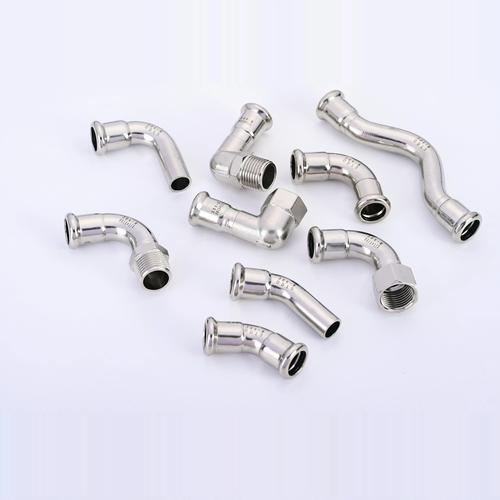
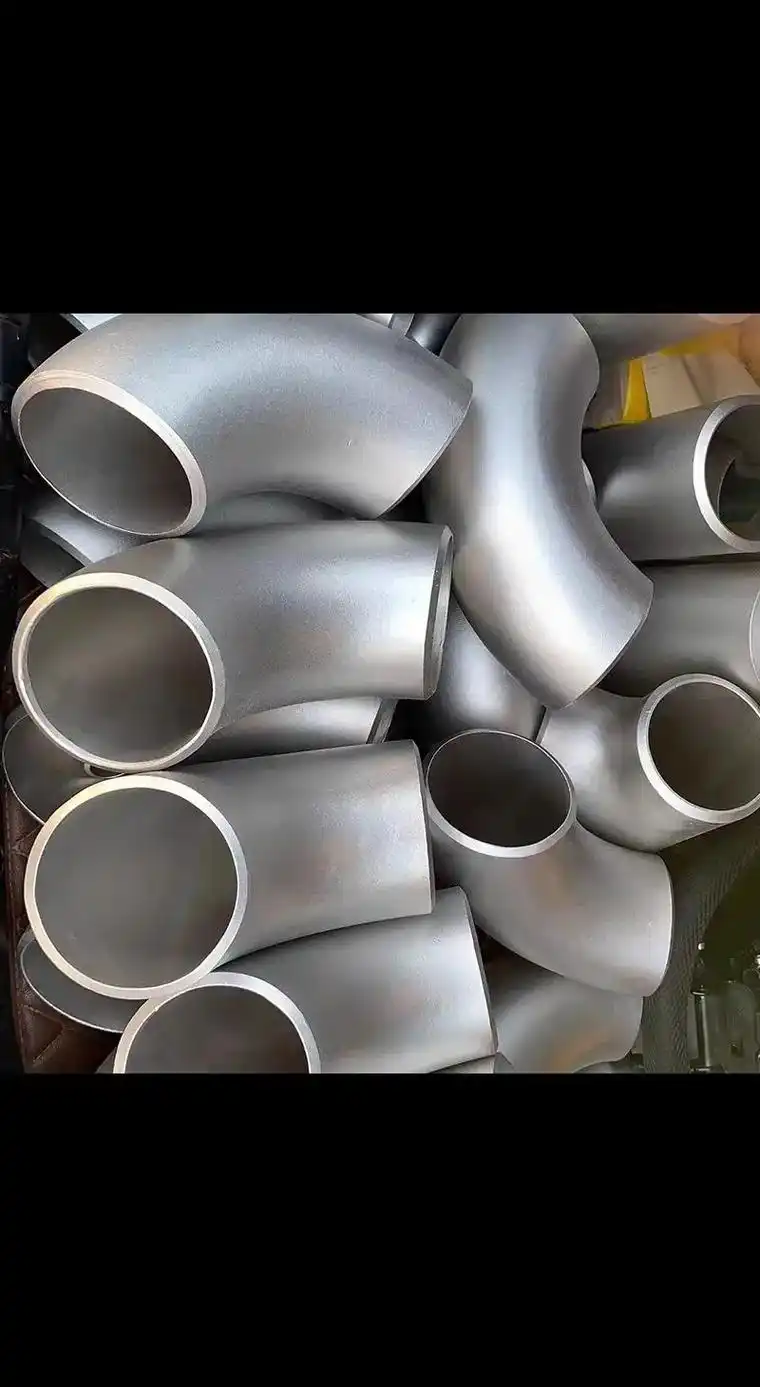
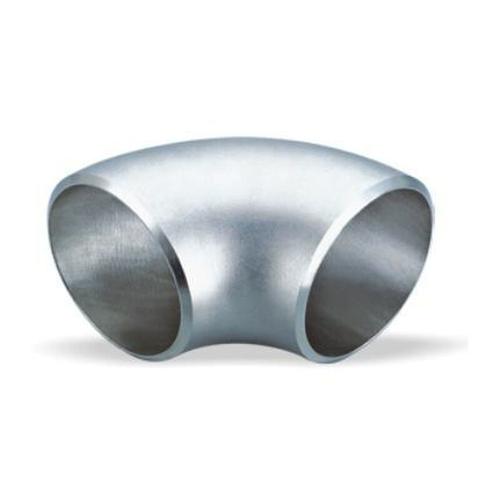
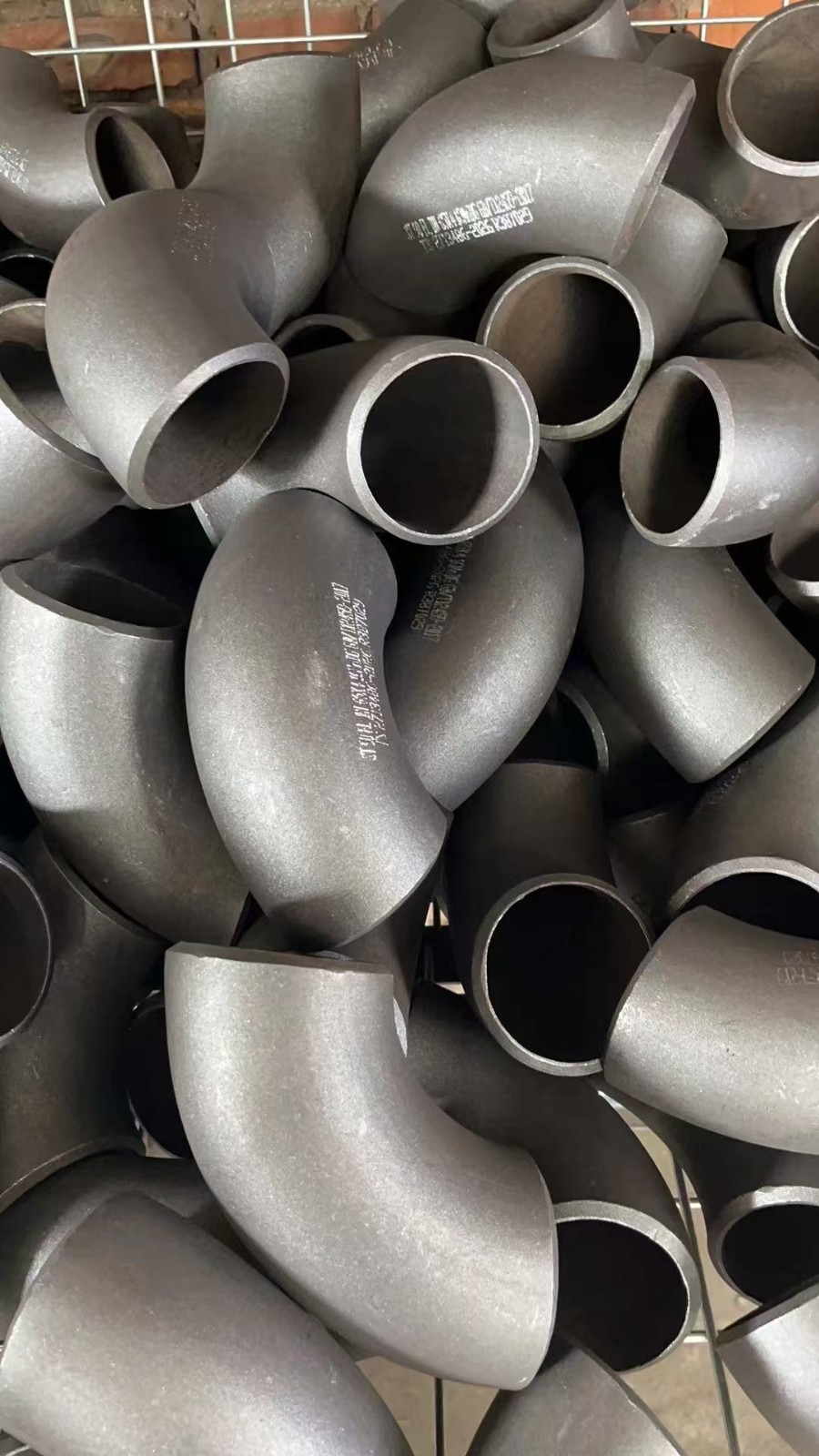
seamless tube elbows
Seamless tube elbows are essential pipe fittings designed to change the direction of fluid or gas flow within piping systems. These components represent a critical advancement in industrial piping technology, offering superior performance compared to traditional welded alternatives. Seamless tube elbows are manufactured from a single piece of material, eliminating internal seams that could compromise structural integrity or create weak points during operation.
The primary function of seamless tube elbows is to redirect flow at specific angles, typically 45 degrees, 90 degrees, or custom configurations, while maintaining consistent pressure and flow efficiency. These fittings excel in demanding applications where reliability and durability are paramount. The technological features of seamless tube elbows include precision engineering, uniform wall thickness, and superior corrosion resistance properties inherent to their manufacturing process.
Seamless tube elbows are constructed through advanced cold-drawing or hot-seamless processes that ensure exceptional quality and consistency. The absence of welded joints means seamless tube elbows eliminate potential leak points and stress concentrations common in welded fittings. This makes them ideal for high-pressure applications, cryogenic systems, and environments demanding absolute reliability.
Applications for seamless tube elbows span across multiple industries including oil and gas, petrochemical processing, pharmaceutical manufacturing, power generation, and aerospace engineering. Their versatility extends to both industrial and commercial plumbing systems where performance standards are rigorous. Whether handling corrosive chemicals, extreme temperatures, or high-velocity flows, seamless tube elbows consistently deliver dependable performance throughout extended service lifespans.
 EN
EN