Versatile Application Range Across Industries
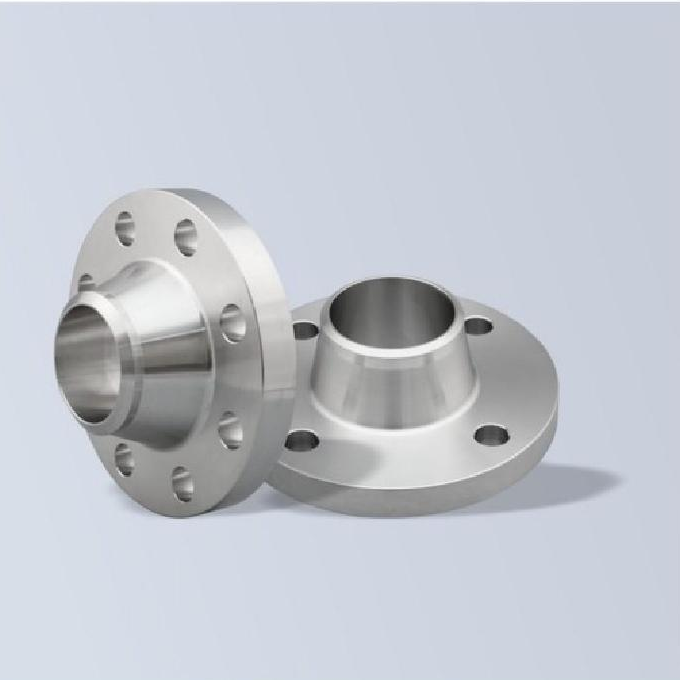
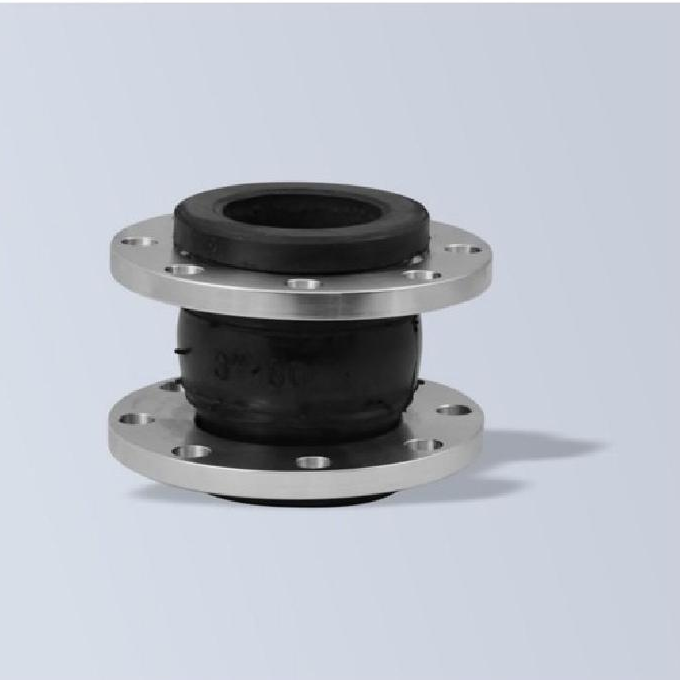
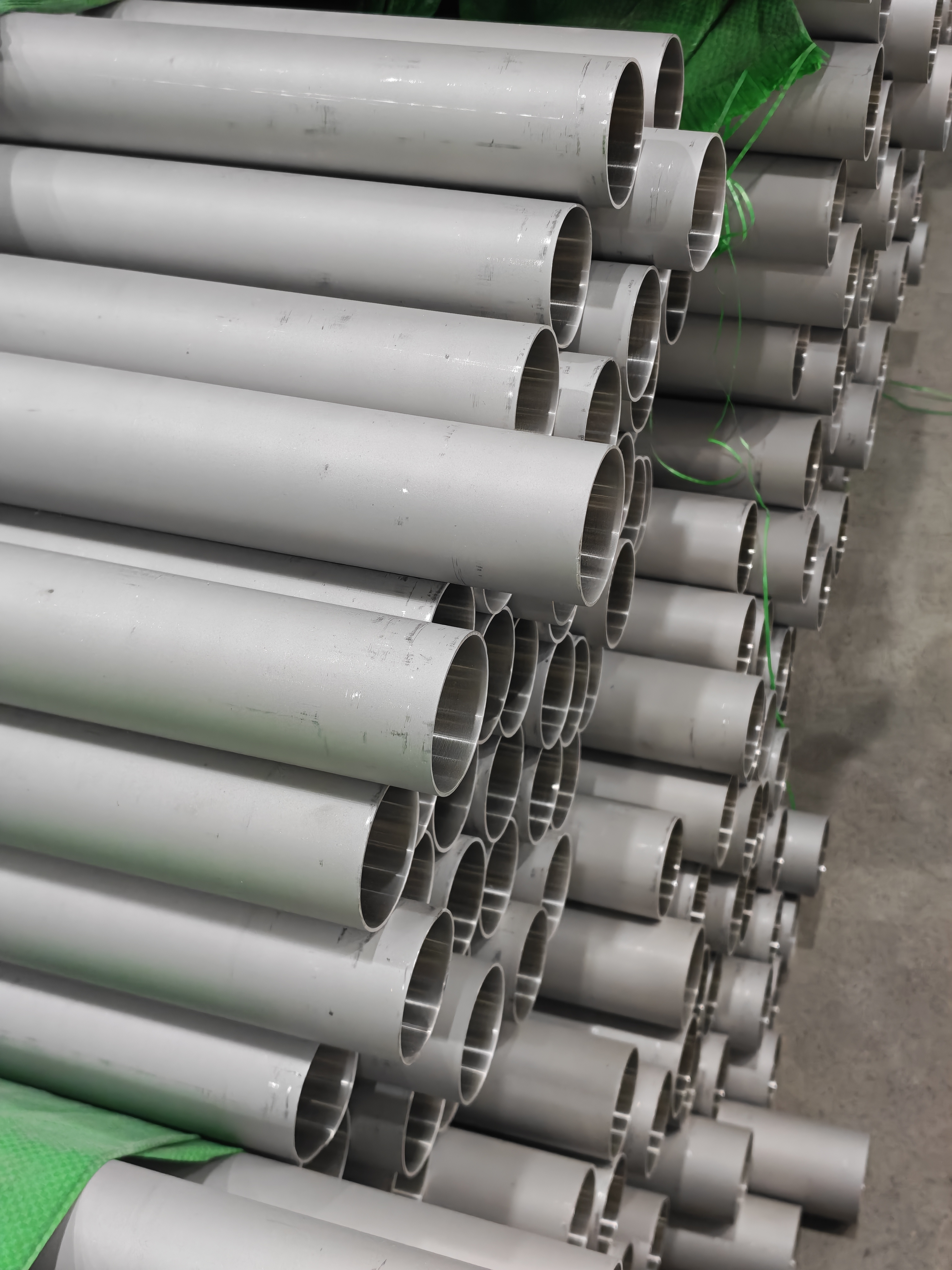
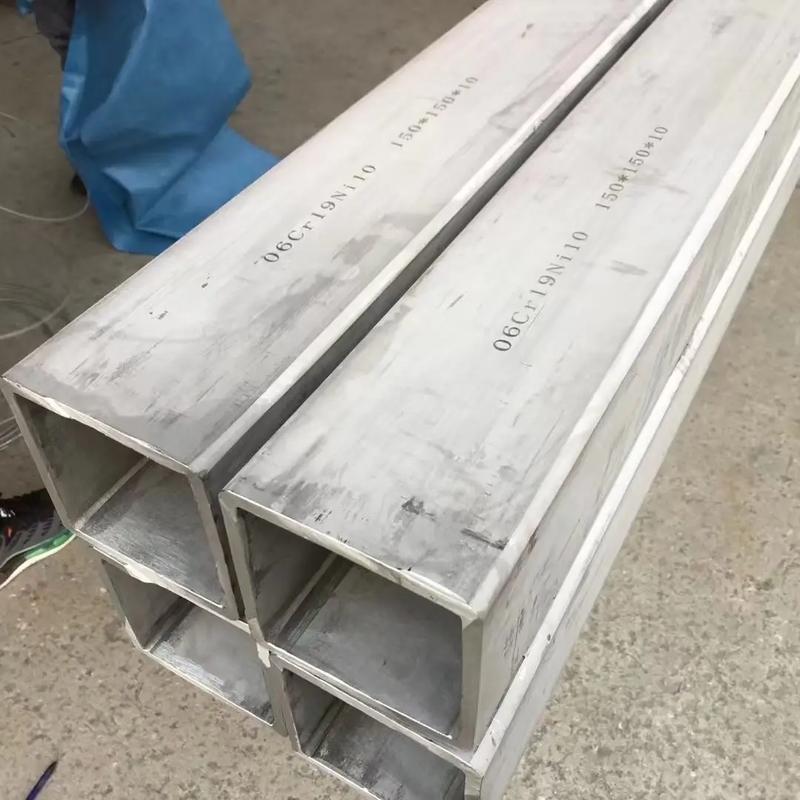
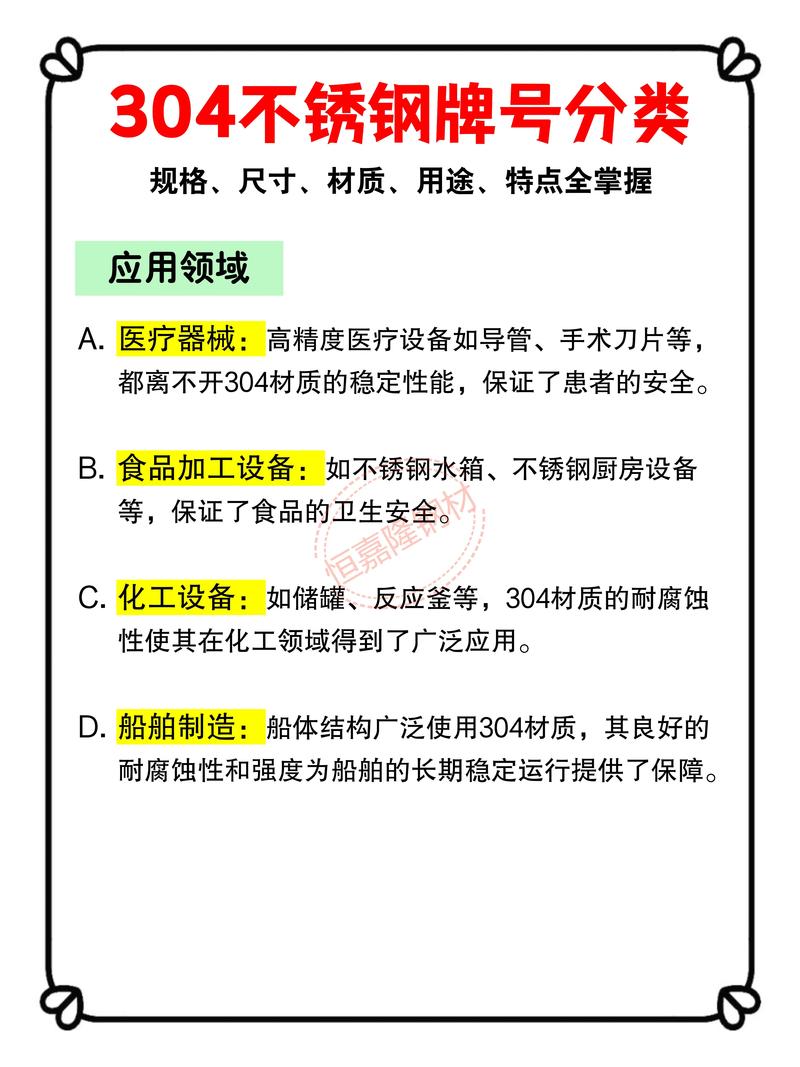
The SS304 ASTM standard demonstrates remarkable versatility, serving as the preferred specification across pharmaceutical, chemical, food processing, and architectural sectors. This broad applicability arises from the material's balanced combination of strength, corrosion resistance, and formability. When manufacturers adopt the SS304 ASTM standard, they access a single material solution addressing multiple application requirements.
The SS304 ASTM standard enables seamless standardization across supply chains, allowing companies to reduce material variants and simplify procurement strategies. Equipment manufacturers, fabricators, and end-users all recognize and specify the SS304 ASTM standard consistently, creating reliable sourcing networks and competitive pricing. This universal recognition means your teams work with familiar material properties, reducing training requirements and design complications. The SS304 ASTM standard's acceptance across industries ensures long-term material availability and supplier competition.
 EN
EN