Premium Copper Pipe Valve Types: Complete Guide to Durable Flow Control Solutions

All Categories

Get a Free Quote

Our representative will contact you soon.
Email
Mobile/WhatsApp
Name
Company Name
Message
0/1000

copper pipe valve types

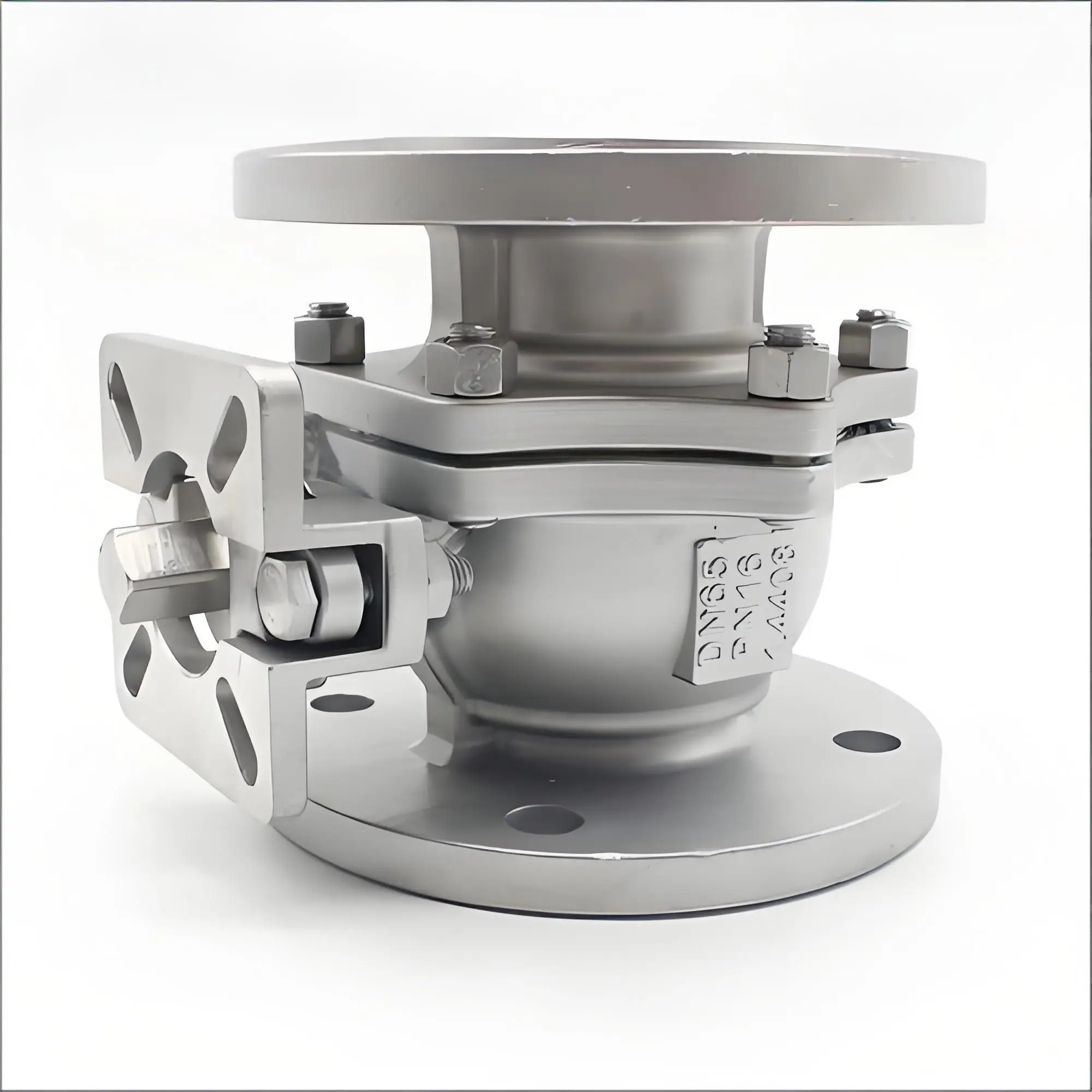
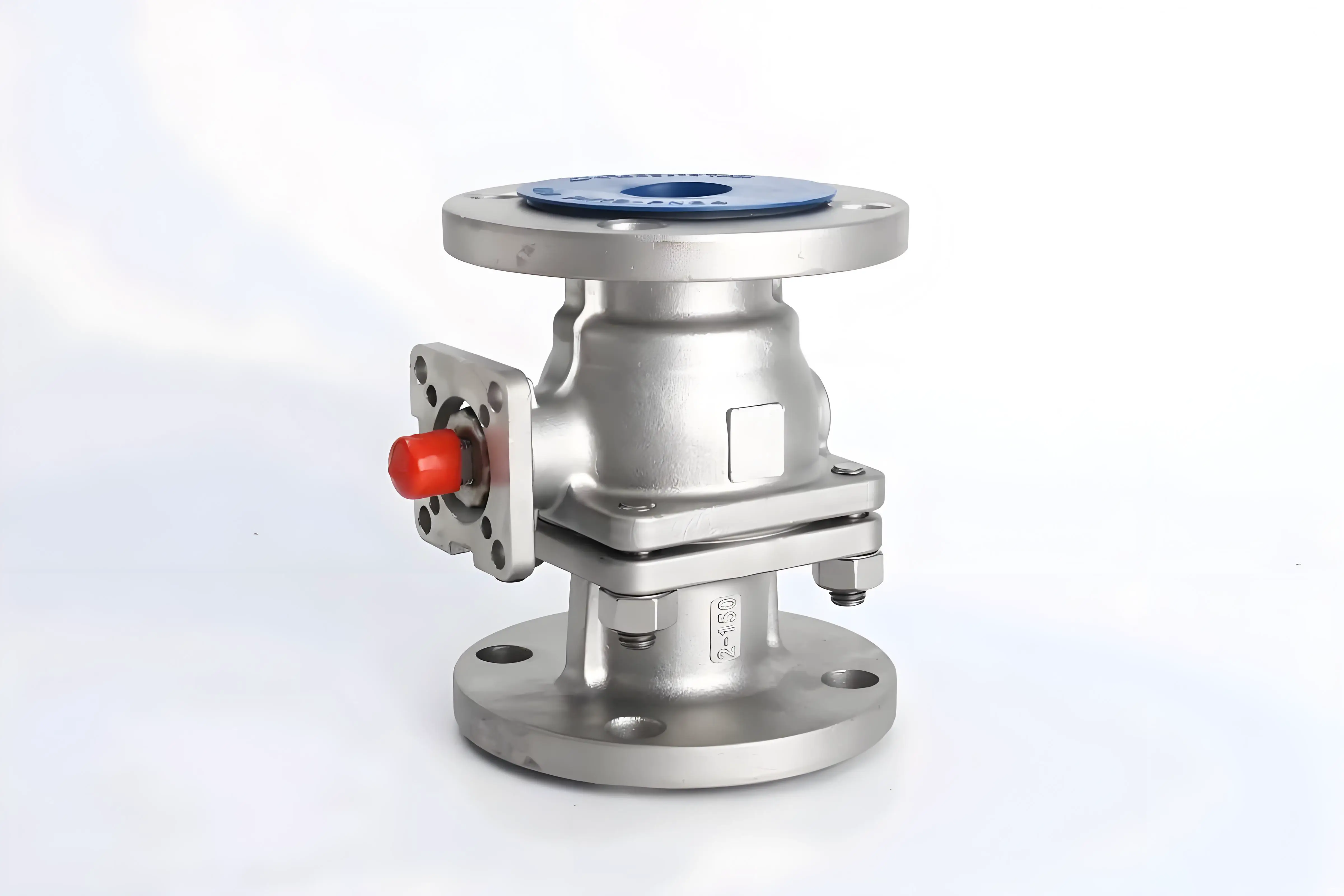
Copper pipe valve types represent essential components in modern plumbing and HVAC systems, offering superior performance and reliability across residential, commercial, and industrial applications. These specialized valves are specifically designed to integrate seamlessly with copper piping systems, providing precise flow control and shut-off capabilities. The primary functions of copper pipe valve types include regulating water flow, preventing backflow, isolating system sections for maintenance, and maintaining optimal pressure levels throughout the distribution network. Ball valves stand as the most popular copper pipe valve types, featuring a rotating spherical disc that controls flow through a quarter-turn operation. Gate valves offer another essential option among copper pipe valve types, utilizing a wedge-shaped gate that moves perpendicular to the flow path for complete shut-off applications. Globe valves provide throttling capabilities, making them ideal copper pipe valve types for applications requiring precise flow regulation. Check valves prevent reverse flow, serving as critical safety components in copper pipe valve types installations. Technological features of modern copper pipe valve types include lead-free brass construction, corrosion-resistant coatings, and precision-machined seats for optimal sealing performance. Many copper pipe valve types incorporate advanced stem designs that eliminate packing gland leakage, while others feature removable cartridges for easy maintenance. The manufacturing process for copper pipe valve types involves specialized techniques ensuring compatibility with soldered, brazed, and compression connections. Applications for copper pipe valve types span numerous industries, including potable water systems, hydronic heating networks, cooling systems, and process piping installations. Residential applications commonly utilize copper pipe valve types in water supply lines, radiant heating systems, and plumbing fixtures. Commercial buildings rely on copper pipe valve types for fire suppression systems, HVAC distribution, and industrial process control applications.

Popular Products

Copper pipe valve types deliver exceptional corrosion resistance that significantly extends system lifespan compared to alternative materials. The natural antimicrobial properties of copper enhance water quality by inhibiting bacterial growth, making copper pipe valve types ideal for potable water applications. This inherent resistance to biological contamination provides long-term health benefits and reduces maintenance requirements. Superior thermal conductivity of copper pipe valve types enables efficient heat transfer in hydronic systems, improving overall energy efficiency. The excellent ductility of copper allows copper pipe valve types to withstand thermal expansion and contraction without cracking or failure. Installation flexibility represents another major advantage of copper pipe valve types, as they accommodate various connection methods including soldering, brazing, and compression fittings. Professional plumbers appreciate the ease of working with copper pipe valve types due to their predictable behavior during installation and repair procedures. The proven track record of copper pipe valve types spans decades, with many installations continuing to operate reliably after 50 years or more. Economic benefits of copper pipe valve types include reduced replacement costs, lower maintenance expenses, and improved system reliability that minimizes downtime. Environmental advantages of copper pipe valve types include complete recyclability at the end of service life, supporting sustainable construction practices. The lightweight nature of copper pipe valve types simplifies handling and installation, reducing labor costs and installation time. Compatibility with existing copper infrastructure makes copper pipe valve types the logical choice for system upgrades and expansions. Temperature tolerance of copper pipe valve types allows operation in both hot and cold water systems without performance degradation. The smooth interior surfaces of copper pipe valve types minimize friction losses and maintain consistent flow characteristics over time. Quality control standards for copper pipe valve types ensure consistent performance across different manufacturers and product lines. The aesthetic appeal of copper pipe valve types adds value to visible installations in residential and commercial settings. Leak-resistant connections of copper pipe valve types provide superior joint integrity compared to threaded alternatives.

Latest News

Strongwin Stainless Steel Group Achieves ISO 90012015 Certification and AD 2000 Merkblatt Approval

28

Feb

Strongwin Stainless Steel Group Achieves ISO 90012015 Certification and AD 2000 Merkblatt Approval

View More
Strongwin Stainless Steel Group Announces Major Production Capacity Expansion to Meet Growing Global Demand

11

Mar

Strongwin Stainless Steel Group Announces Major Production Capacity Expansion to Meet Growing Global Demand

View More
Strongwin Stainless Steel Group Announces Strategic Partnership with Leading European Engineering Firm

11

Mar

Strongwin Stainless Steel Group Announces Strategic Partnership with Leading European Engineering Firm

View More

Get a Free Quote

Our representative will contact you soon.
Email
Mobile/WhatsApp
Name
Company Name
Message
0/1000

copper pipe valve types

Unmatched Durability and Longevity Performance

Unmatched Durability and Longevity Performance

Copper pipe valve types establish industry leadership through exceptional durability characteristics that deliver decades of reliable service with minimal maintenance requirements. The inherent properties of copper create valve bodies that resist corrosion, scaling, and mineral buildup that commonly plague other materials. Laboratory testing demonstrates that copper pipe valve types maintain structural integrity even after exposure to aggressive water conditions, temperature fluctuations, and high-pressure scenarios. The molecular structure of copper provides natural resistance to dezincification, a common failure mode affecting brass components in competitive valve designs. Professional contractors consistently report that copper pipe valve types installed in the 1970s continue operating without replacement, testament to their exceptional longevity. The manufacturing process for premium copper pipe valve types incorporates stress-relief procedures that eliminate internal tensions, preventing crack formation during thermal cycling. Advanced metallurgy techniques ensure uniform grain structure throughout valve components, eliminating weak points that could compromise performance. The self-healing properties of copper create protective oxide layers that actually improve corrosion resistance over time, unlike materials that degrade with age. Quality control testing subjects copper pipe valve types to accelerated aging protocols that simulate decades of service in compressed timeframes. These rigorous evaluations confirm that properly installed copper pipe valve types will typically outlast the buildings they serve. The investment value proposition of copper pipe valve types becomes evident when considering total cost of ownership, including installation, maintenance, and replacement expenses over system lifetime. Insurance companies often provide premium reductions for buildings equipped with copper piping systems, recognizing the reduced risk of water damage from valve failures. Environmental testing confirms that copper pipe valve types maintain performance specifications across temperature ranges from sub-freezing to 200°F, accommodating diverse application requirements. The proven durability of copper pipe valve types eliminates the uncertainty associated with newer materials that lack long-term performance data.
Superior Flow Control and Hydraulic Efficiency

Superior Flow Control and Hydraulic Efficiency

Copper pipe valve types deliver exceptional hydraulic performance through precision-engineered flow paths that minimize pressure losses and maintain consistent flow characteristics throughout system operation. The smooth internal surfaces of copper pipe valve types create laminar flow conditions that reduce turbulence and eliminate the whistling or hammering sounds associated with inferior valve designs. Advanced computational fluid dynamics modeling guides the development of copper pipe valve types, optimizing internal geometries for maximum efficiency across the full range of operating conditions. The precise machining capabilities required for copper pipe valve types enable tight tolerances that ensure repeatable performance and extended service life. Full-port designs available in many copper pipe valve types provide unrestricted flow passage equivalent to the connected piping, eliminating bottlenecks that reduce system efficiency. Quarter-turn operation of ball-type copper pipe valve types provides rapid shut-off capabilities essential for emergency isolation applications. The low torque requirements of properly designed copper pipe valve types enable operation by individuals with limited physical strength, improving accessibility and safety. Graduated opening characteristics of globe-type copper pipe valve types allow precise flow modulation for applications requiring throttling control. The thermal conductivity of copper pipe valve types ensures rapid temperature equalization, preventing thermal shock damage during system startup and shutdown cycles. Cavitation resistance of copper pipe valve types prevents the formation of vapor bubbles that can cause noise, vibration, and premature wear in high-velocity applications. The chemical compatibility of copper pipe valve types with standard water treatment additives ensures consistent performance without degradation of sealing components. Pressure testing protocols for copper pipe valve types verify integrity at pressures exceeding normal operating conditions, providing safety margins for system pressure surges. The standardized dimensions of copper pipe valve types ensure compatibility with existing infrastructure and simplify replacement procedures. Flow coefficient ratings for copper pipe valve types provide accurate data for hydraulic calculations, enabling precise system design and performance prediction.
Versatile Installation and Maintenance Benefits

Versatile Installation and Maintenance Benefits

Copper pipe valve types provide unparalleled installation versatility through multiple connection options that accommodate various installation scenarios and skill levels. Soldered connections create permanent, leak-proof joints that require minimal maintenance while providing maximum system integrity. Compression fittings allow copper pipe valve types installation without specialized tools or heating equipment, enabling quick repairs and system modifications. The malleability of copper permits field bending and forming, allowing copper pipe valve types installation in tight spaces where rigid materials would require additional fittings. Professional plumbers prefer copper pipe valve types because of their predictable behavior during installation, reducing callbacks and warranty issues. The visual inspection capabilities of copper pipe valve types enable easy identification of potential problems before they become costly failures. Color changes in copper surfaces indicate temperature exposure or chemical reactions, providing early warning signs of system issues. The standardized marking systems used on copper pipe valve types clearly identify flow direction, pressure ratings, and temperature limitations, preventing installation errors. Maintenance procedures for copper pipe valve types often involve simple component replacement rather than complete valve replacement, reducing repair costs and system downtime. The availability of repair kits for copper pipe valve types extends service life and maintains system performance without major renovations. Training requirements for copper pipe valve types installation are minimal due to the forgiving nature of copper and the widespread familiarity of trades professionals with copper working techniques. Quality assurance testing of copper pipe valve types includes pressure testing, seat leakage verification, and operational cycle testing that ensures reliable performance. The recyclability of copper pipe valve types supports sustainable construction practices and provides residual value at end of service life. Documentation standards for copper pipe valve types include detailed installation instructions, performance specifications, and troubleshooting guides that simplify maintenance planning. The modular design of many copper pipe valve types allows component-level servicing without disturbing adjacent system elements, minimizing maintenance disruption.

Get a Free Quote

Our representative will contact you soon.
Email
Mobile/WhatsApp
Name
Company Name
Message
0/1000