erw steel tube
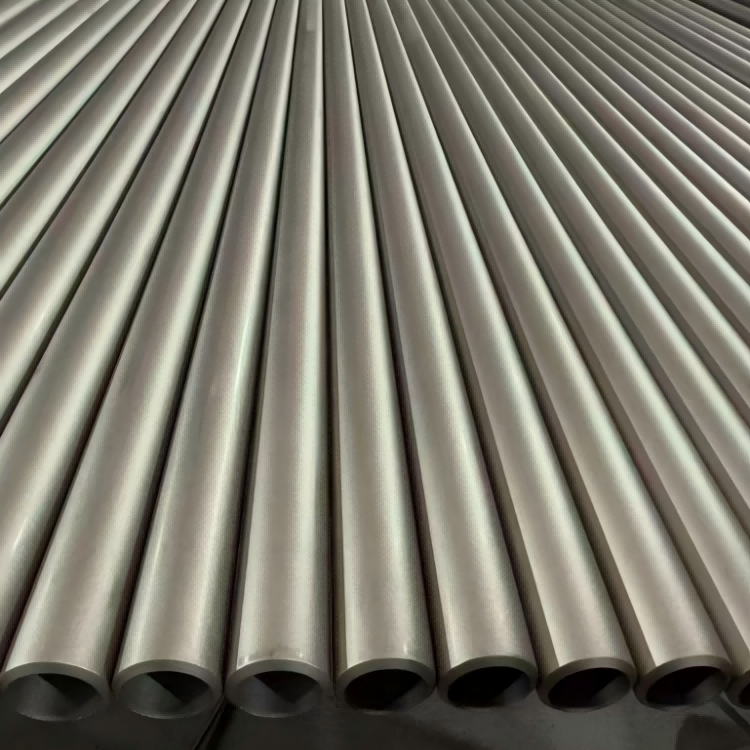
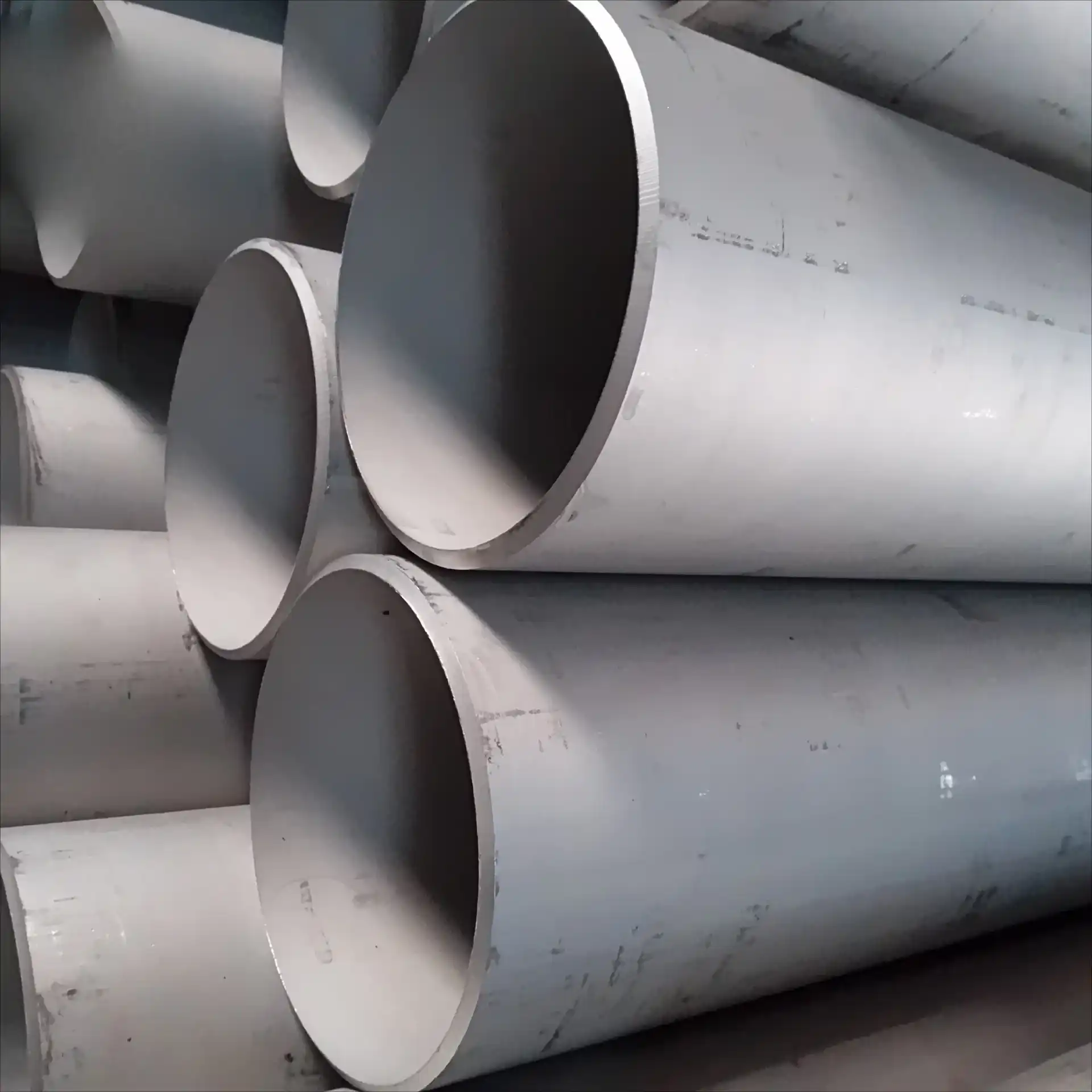
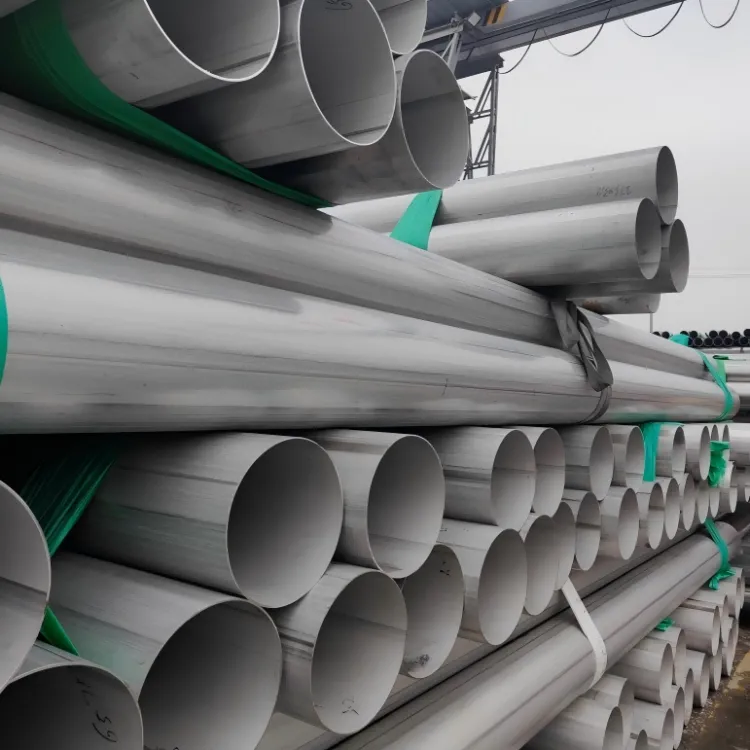
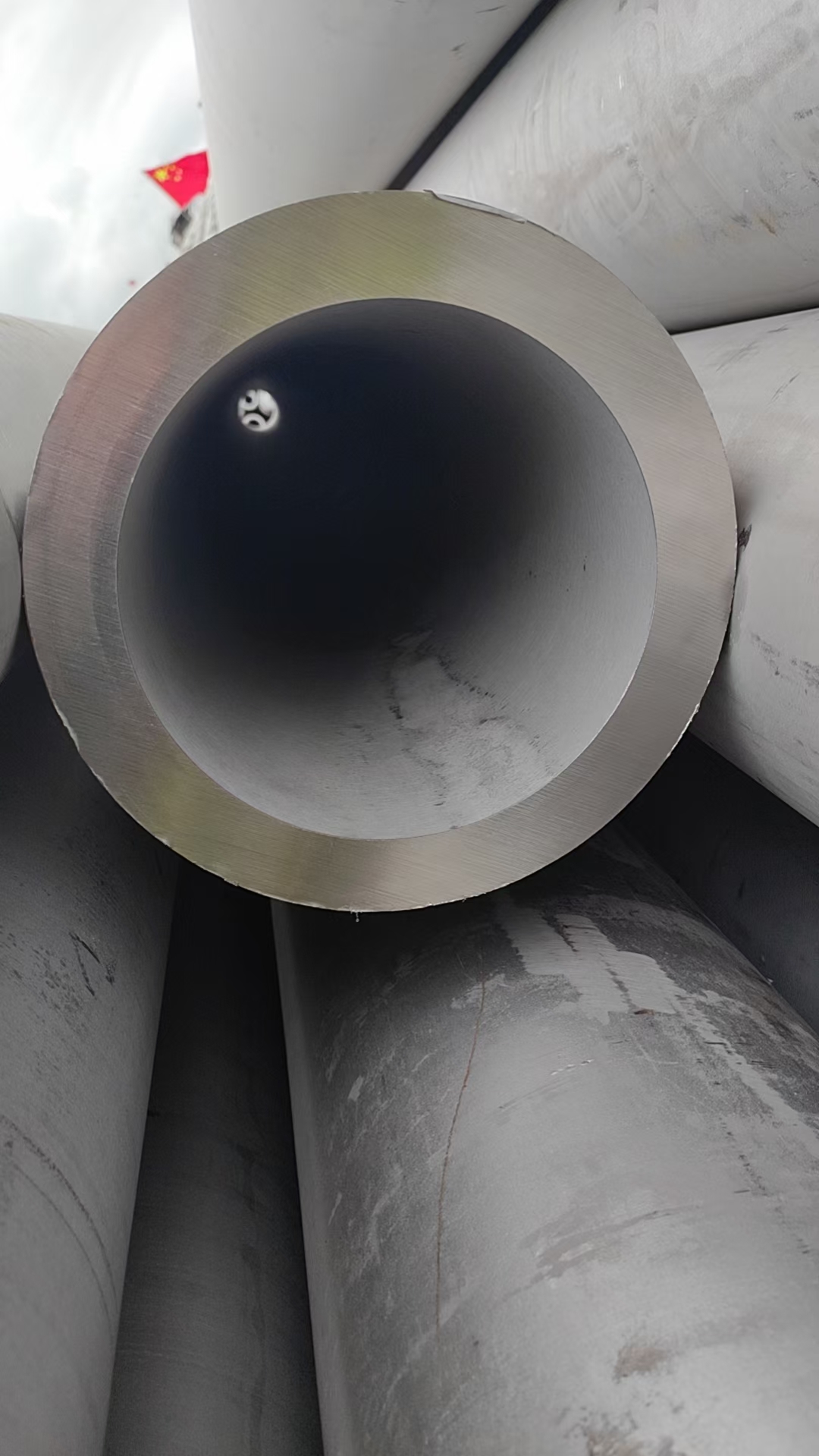
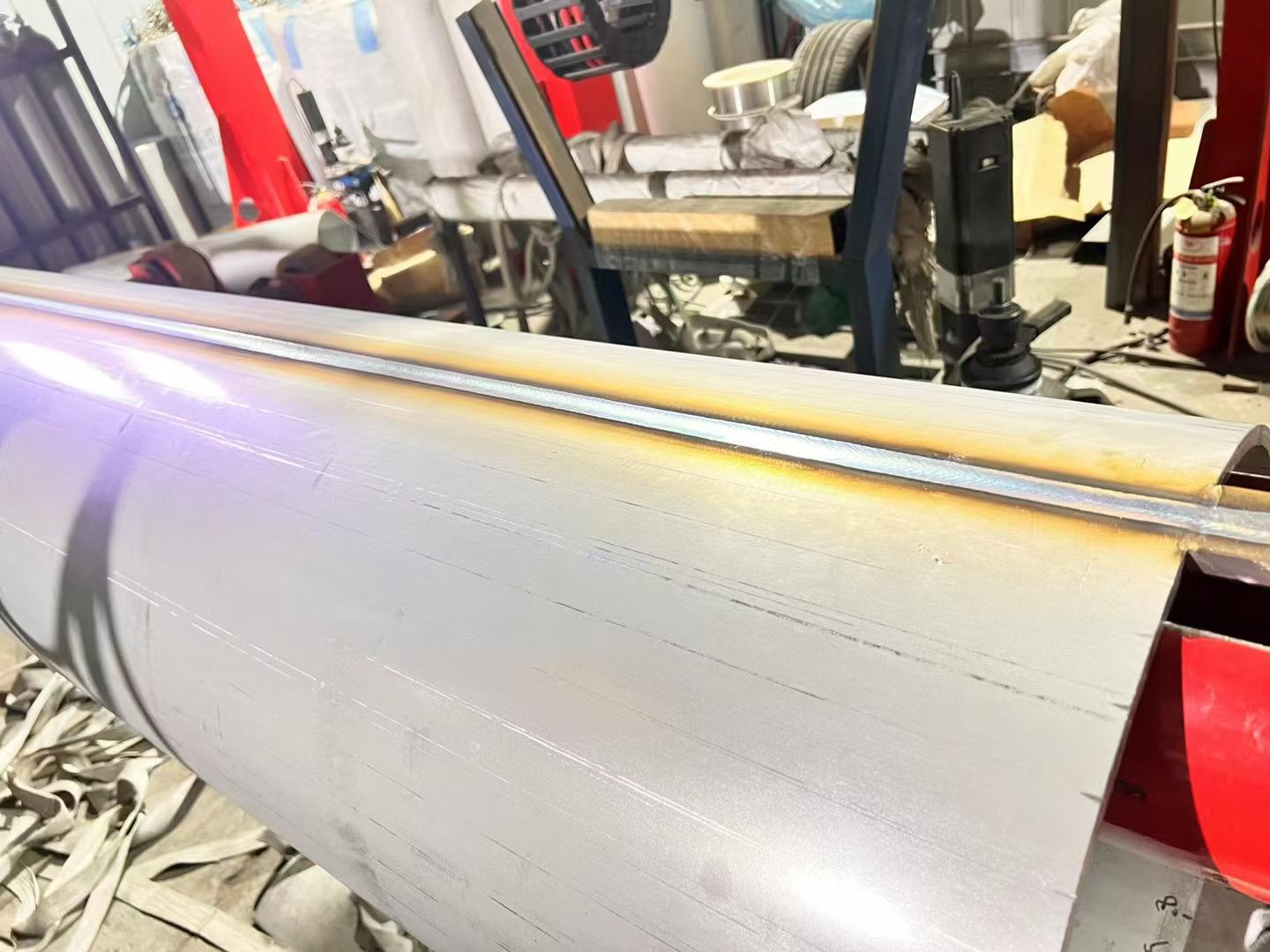
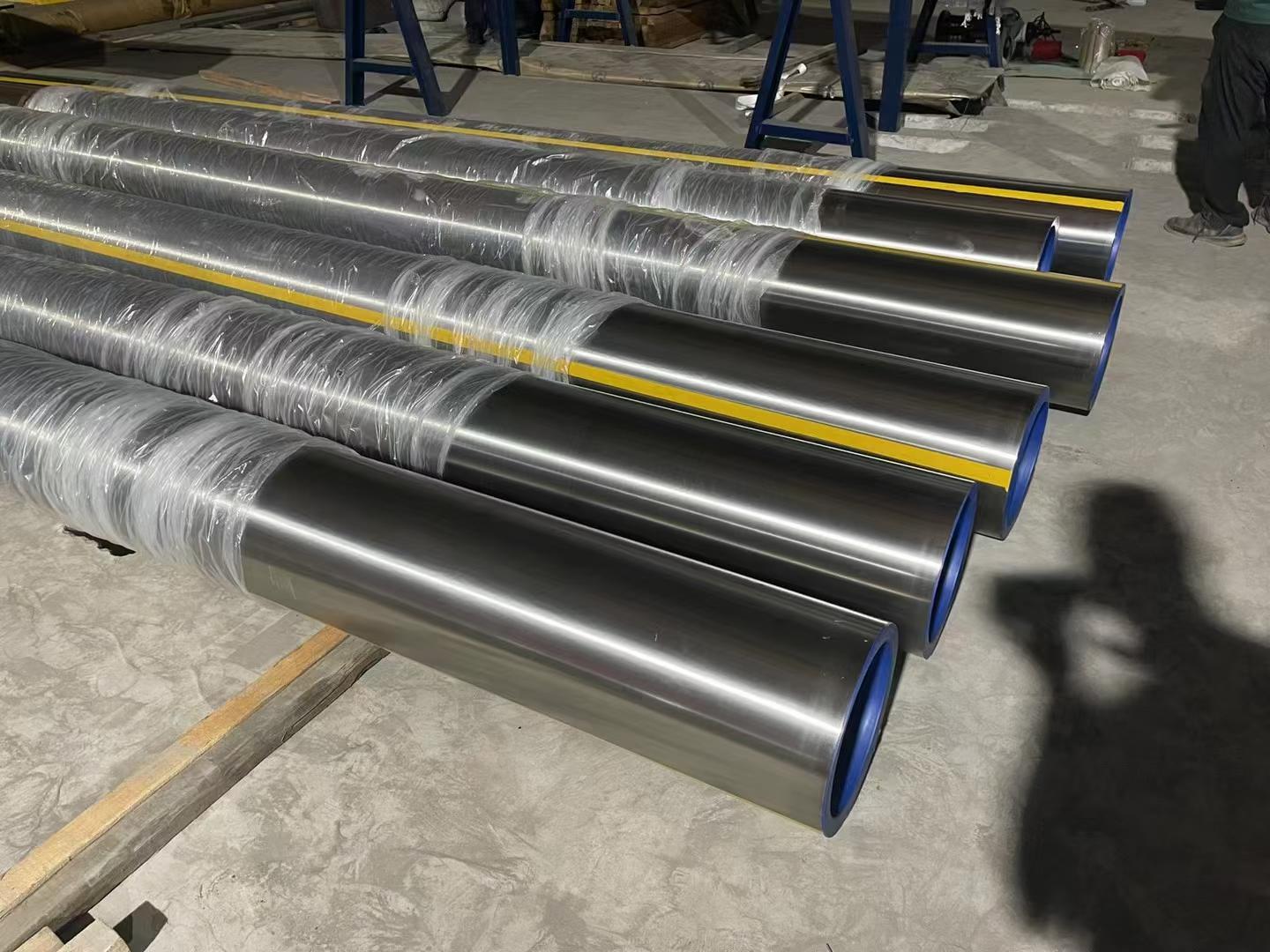
An ERW steel tube is a welded steel pipe manufactured using Electric Resistance Welding technology, which joins steel coils together through high-frequency electrical current. The ERW steel tube represents a fundamental component in modern industrial construction, offering reliable performance across diverse applications. This welding method creates a seamless appearance on the ERW steel tube's exterior while maintaining exceptional structural integrity.
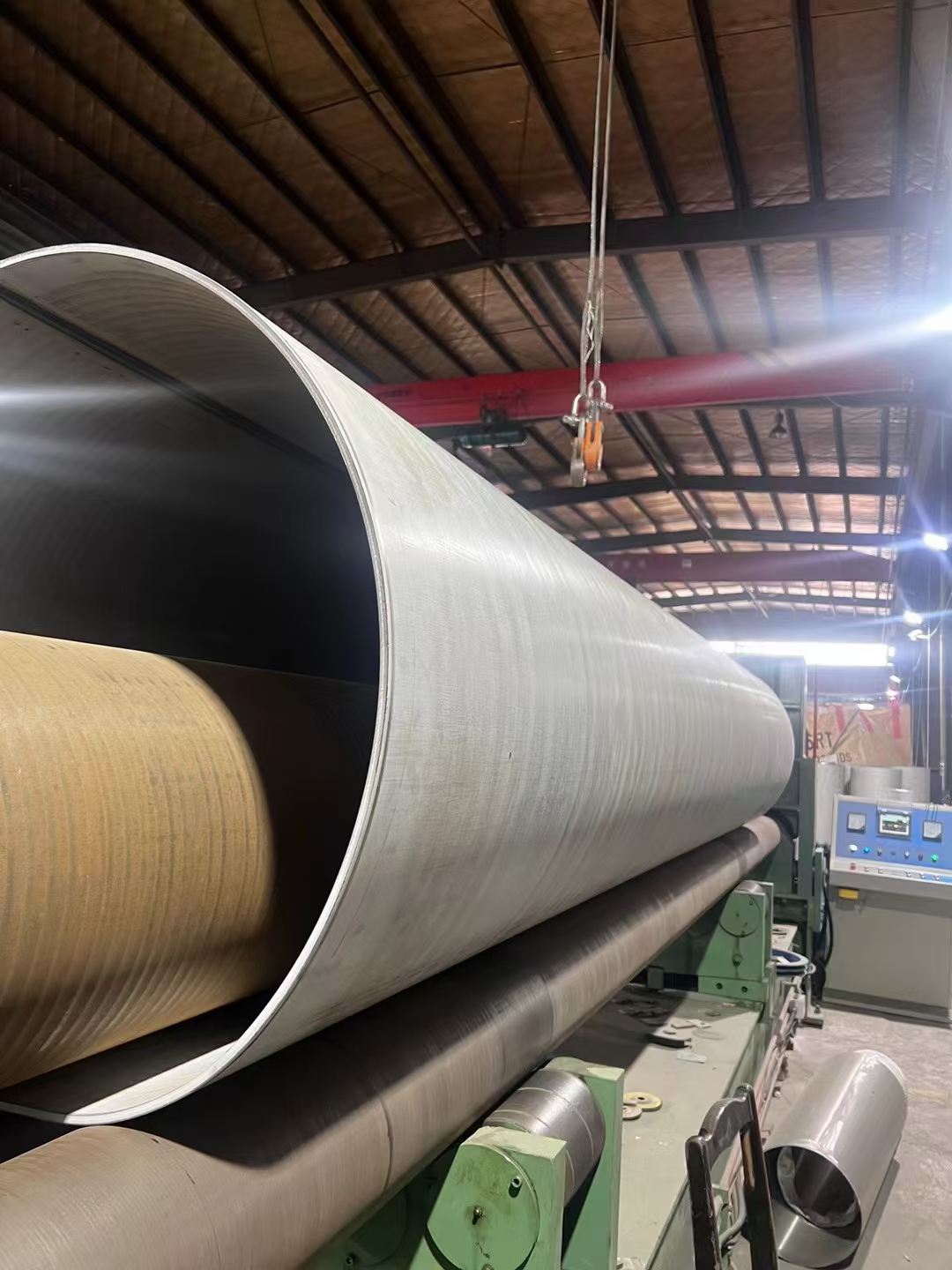
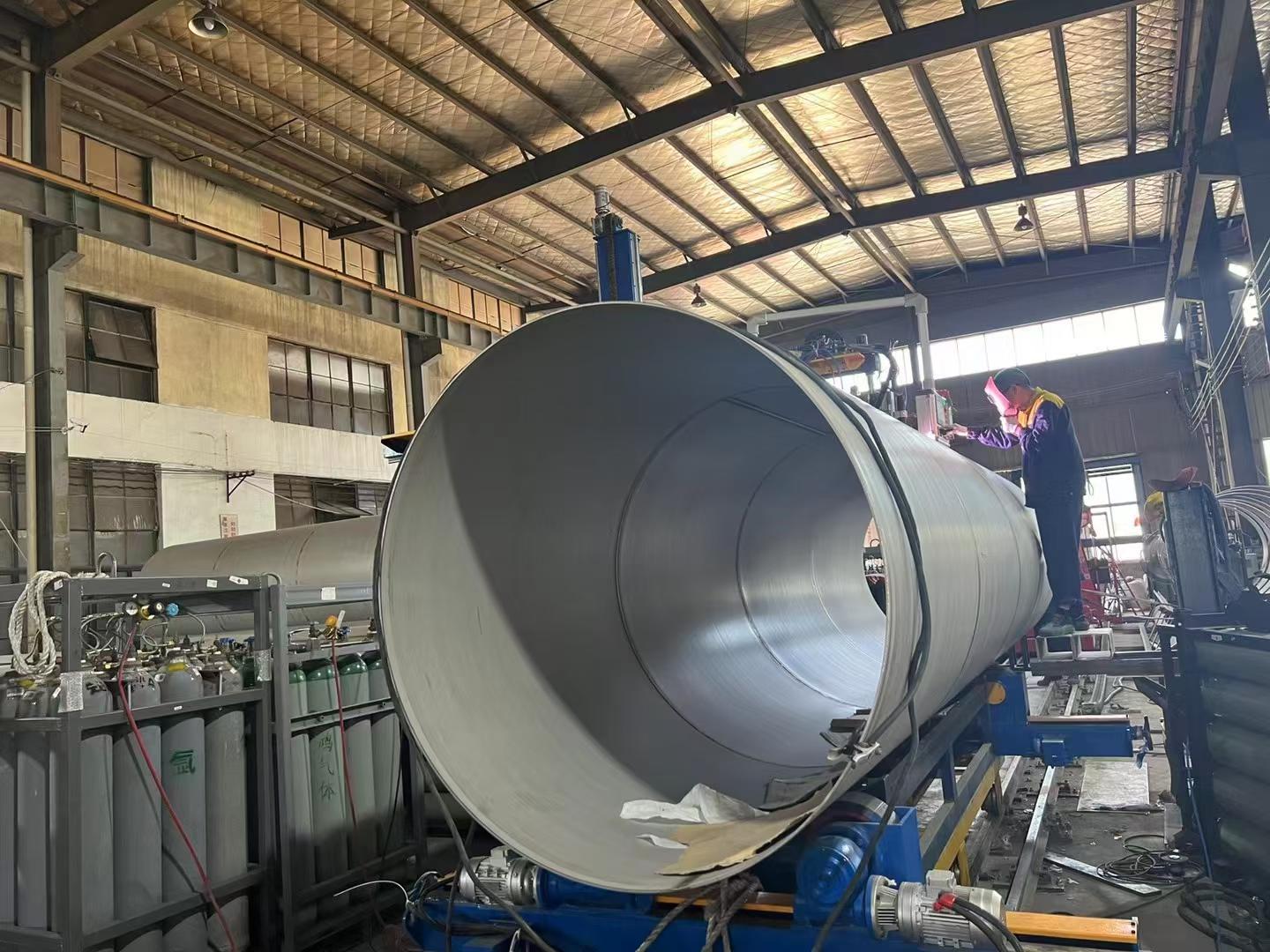
The technological features of an ERW steel tube include precise diameter control, consistent wall thickness, and uniform mechanical properties throughout the entire length. The ERW steel tube production process involves feeding shaped steel strips into a forming apparatus, where edges are heated using electrical resistance, then pressed together under controlled pressure to create a permanent bond. This method ensures that each ERW steel tube meets stringent quality standards and dimensional accuracy requirements.
Functionally, the ERW steel tube serves critical roles in supporting heavy loads, transporting fluids, and providing structural frameworks for various industries. The ERW steel tube's applications span from construction and automotive manufacturing to oil and gas industries, mechanical engineering, and infrastructure development. The hollow design of the ERW steel tube offers optimal strength-to-weight ratios, making it an economical choice for engineers and builders. With superior corrosion resistance options and customizable specifications, the ERW steel tube delivers dependable solutions for demanding industrial environments and specialized project requirements.
 EN
EN