seamless elbow price
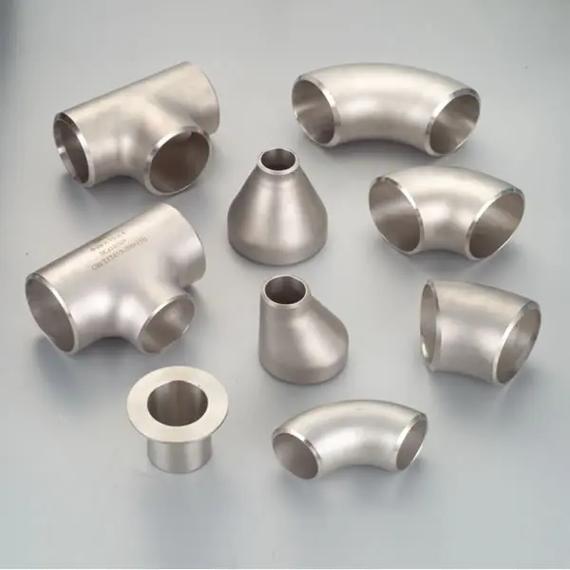
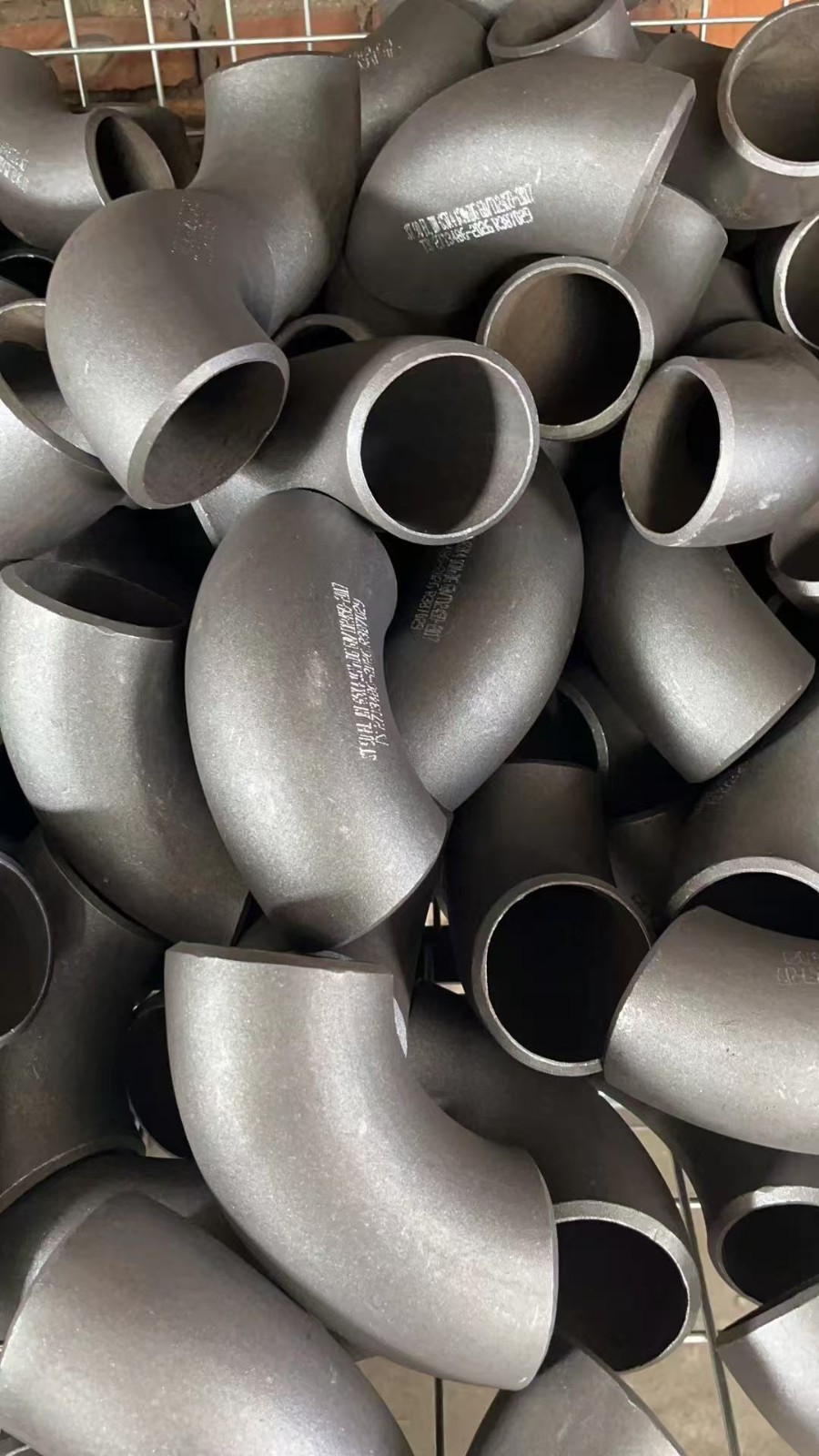
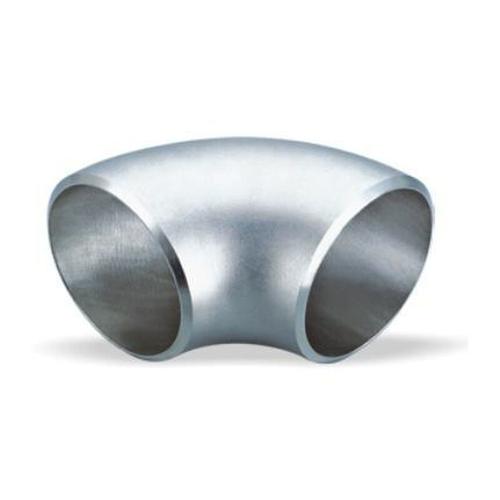
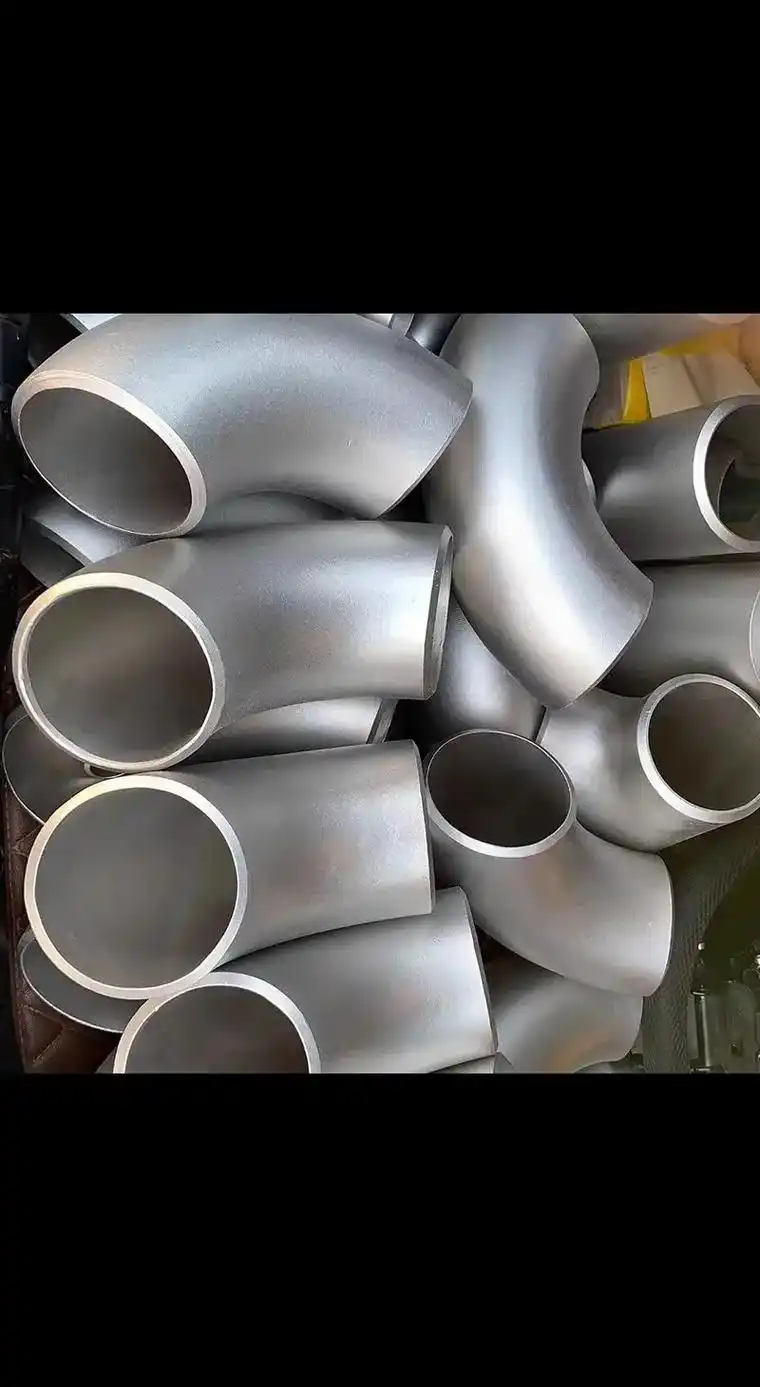
A seamless elbow price represents an important consideration when selecting piping components for industrial and commercial applications. Seamless elbows are curved pipe fittings designed to change the direction of fluid or gas flow within a piping system. Understanding seamless elbow price points helps businesses make informed purchasing decisions while maintaining budget efficiency. These fittings are manufactured without seams or welds along their curved surface, ensuring superior strength and reliability compared to welded alternatives. The seamless elbow price varies based on material composition, diameter size, angle specification, and wall thickness. Common materials affecting seamless elbow price include carbon steel, stainless steel, and alloy steel, each offering distinct advantages for specific applications. The manufacturing process involves precision forging or drawing techniques that create uniform wall thickness throughout the component. A competitive seamless elbow price reflects the quality standards and durability customers can expect from these essential fittings. Applications include oil and gas transportation, chemical processing, power generation, and HVAC systems where reliable flow direction changes are critical. The seamless construction eliminates weak points typically found in welded joints, reducing maintenance costs over time. When evaluating seamless elbow price options, customers should consider long-term operational efficiency rather than focusing solely on initial acquisition costs. Quality seamless elbows minimize leakage risks and system failures, ultimately delivering superior value throughout their service life.
 EN
EN