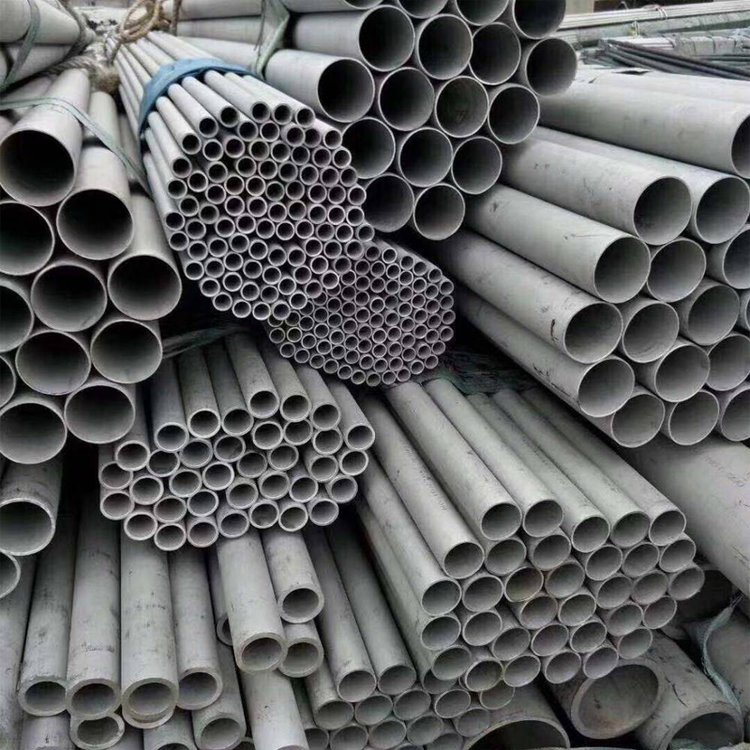
Pickling Stainless Steel Pipe: Superior Corrosion Resistance and Enhanced Performance Solutions

All Categories

Get a Free Quote

Our representative will contact you soon.
Email
Mobile/WhatsApp
Name
Company Name
Message
0/1000

pickling stainless steel pipe

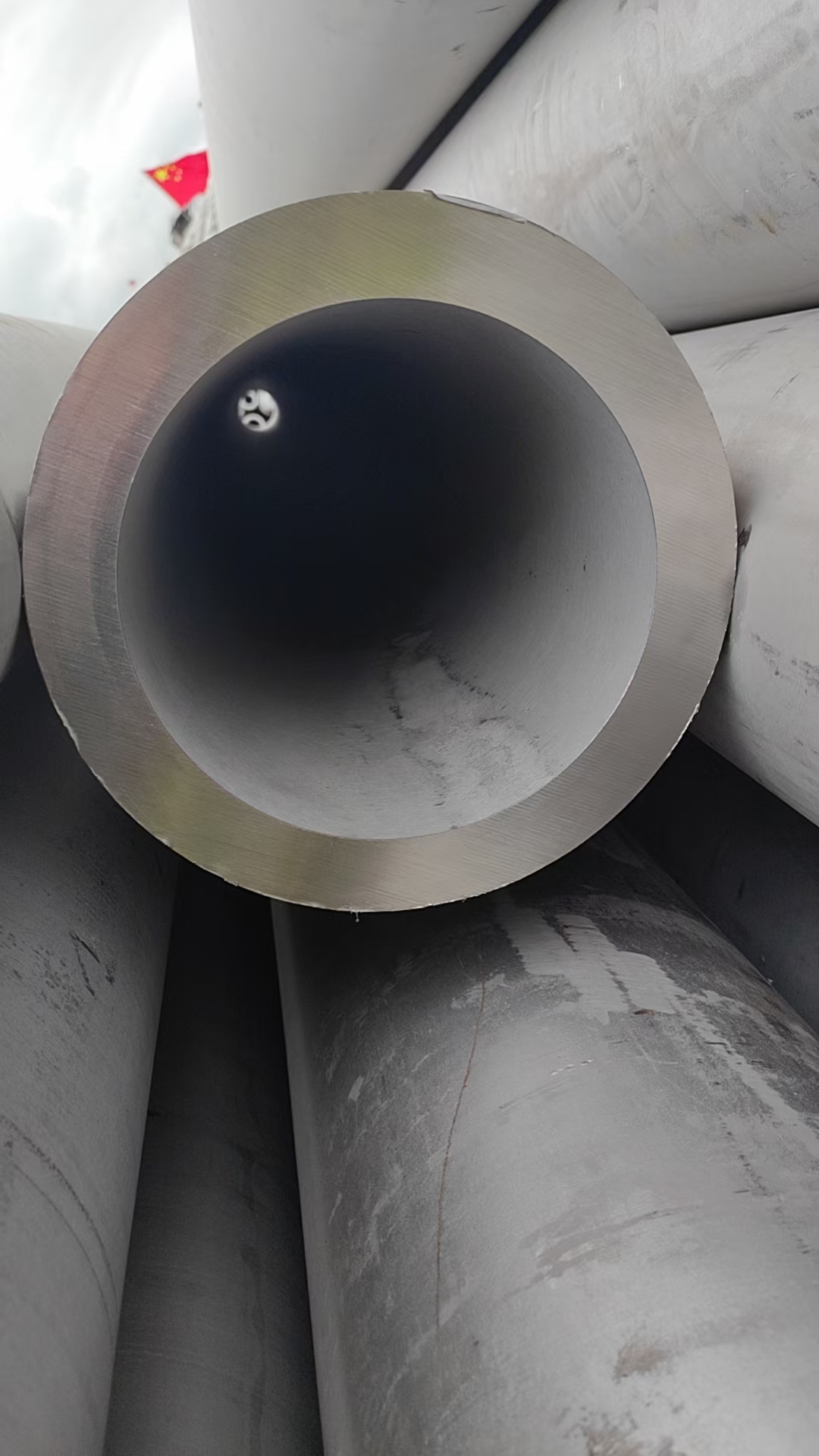
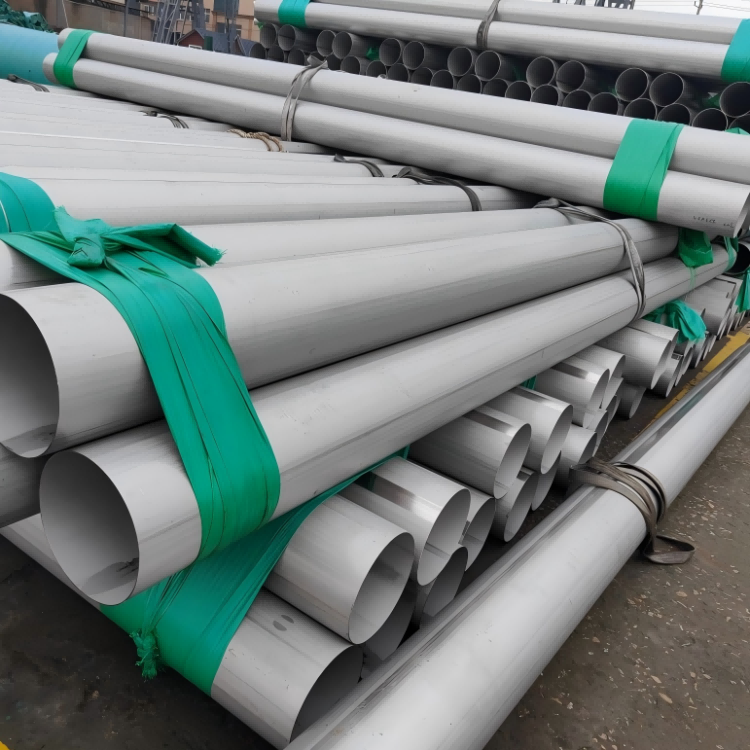
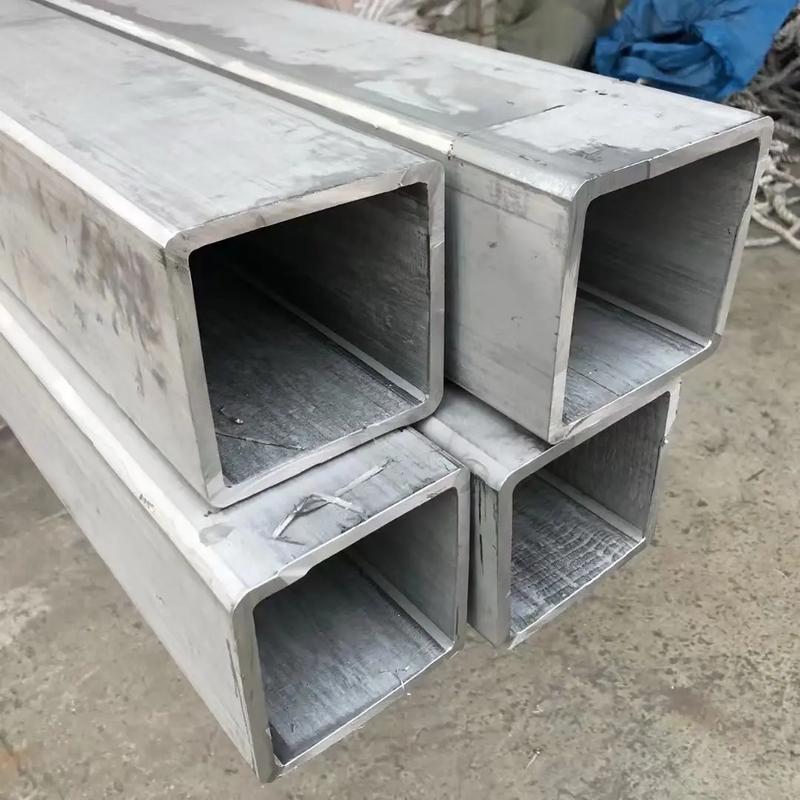
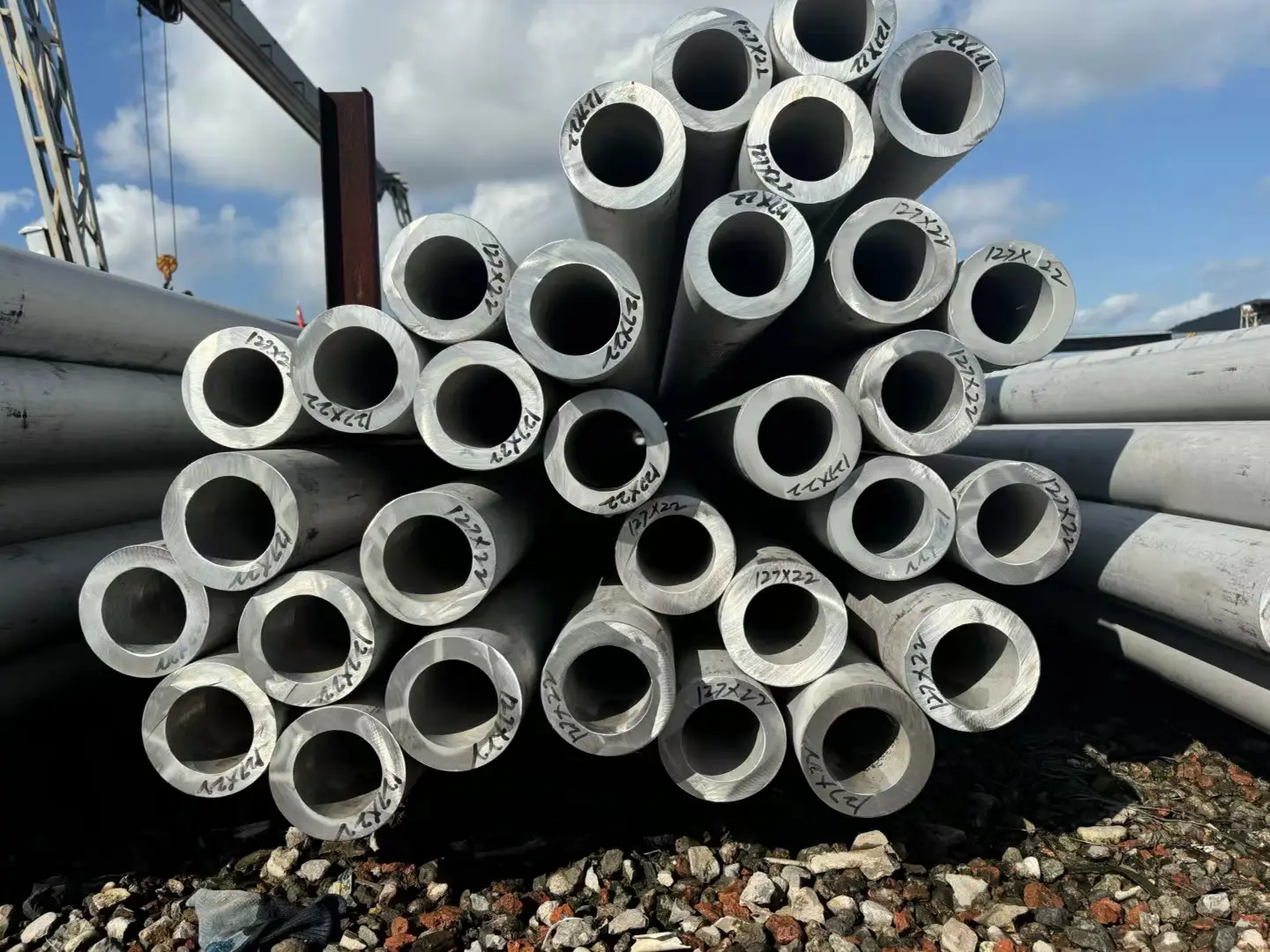
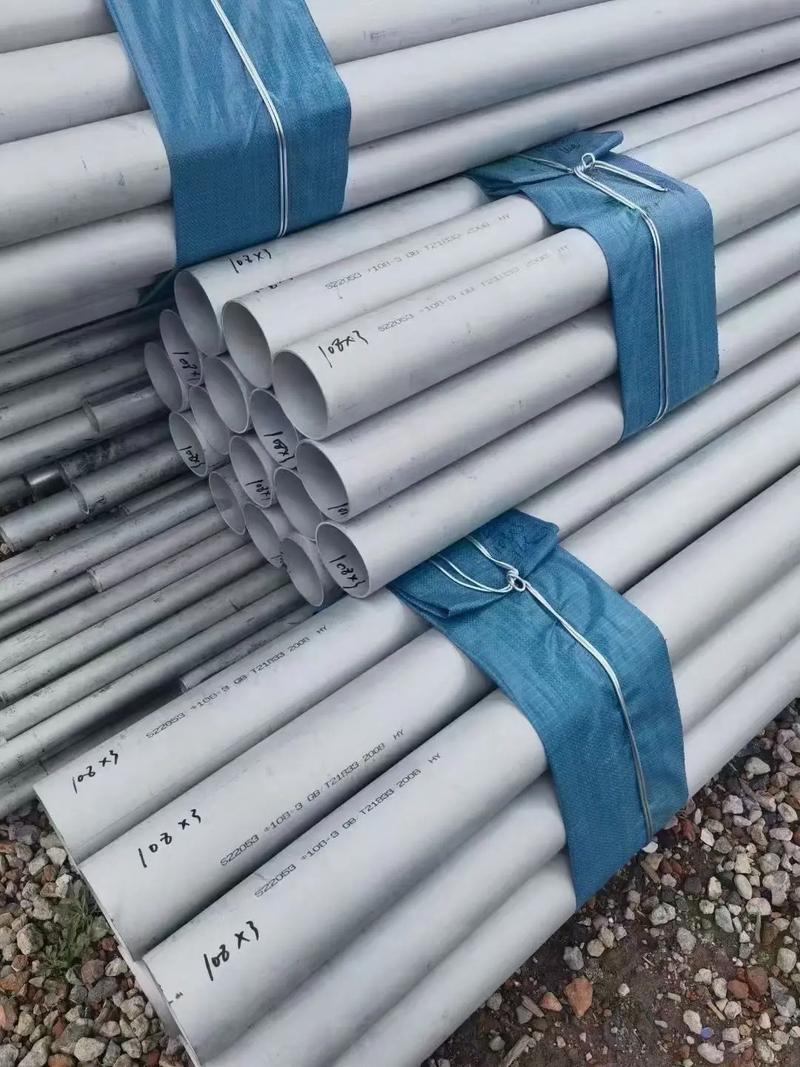
Pickling stainless steel pipe represents a sophisticated manufacturing process that transforms raw stainless steel tubing into premium-grade piping solutions. This specialized treatment involves the removal of oxide scales, contaminants, and surface impurities through carefully controlled chemical processes. The pickling stainless steel pipe undergoes acid treatment using nitric and hydrofluoric acid solutions, which effectively eliminate heat tint, welding discoloration, and mill scale that accumulate during the manufacturing process. This comprehensive surface treatment ensures optimal corrosion resistance and enhances the material's inherent properties. The technological features of pickling stainless steel pipe include uniform surface finish, improved passivation layer formation, and enhanced chemical resistance. The process creates a clean, smooth surface that promotes better fluid flow characteristics and reduces the likelihood of contamination buildup. Industries requiring high-purity applications extensively utilize pickling stainless steel pipe for critical operations. Pharmaceutical manufacturing facilities depend on these pipes for sterile processing lines, while food and beverage industries leverage their hygienic properties for product transportation. Chemical processing plants utilize pickling stainless steel pipe for handling corrosive substances, and semiconductor manufacturing relies on their ultra-clean surfaces for precision operations. The aerospace industry incorporates these pipes in hydraulic systems where reliability is paramount. Marine applications benefit from the superior corrosion resistance against saltwater exposure. The pickling process removes microscopic contaminants that could compromise system integrity, making these pipes ideal for applications where cleanliness and durability are non-negotiable requirements. This specialized treatment significantly extends service life while maintaining consistent performance standards across diverse operating environments.

New Product Recommendations

Pickling stainless steel pipe delivers exceptional corrosion resistance that surpasses untreated alternatives by removing surface contaminants that could initiate corrosion processes. This enhanced protection translates directly into extended service life, reducing replacement costs and minimizing system downtime for businesses across multiple industries. The smooth, clean surface achieved through pickling creates superior flow characteristics, reducing friction and pressure losses that improve overall system efficiency. Companies experience lower energy consumption and reduced pumping costs when utilizing pickling stainless steel pipe in their operations. The process eliminates welding discoloration and heat tint, providing aesthetically pleasing appearances that meet stringent visual requirements in architectural and decorative applications. This cosmetic improvement adds significant value for projects where appearance matters as much as functionality. Pickling stainless steel pipe demonstrates superior cleanability, allowing for thorough sanitization procedures essential in pharmaceutical, food processing, and biotechnology applications. The uniform surface finish prevents bacterial growth and contamination accumulation, ensuring product purity and regulatory compliance. Maintenance requirements decrease substantially with pickling stainless steel pipe systems due to reduced fouling and scaling tendencies. The clean surface prevents deposit formation that typically requires frequent cleaning interventions in untreated systems. Installation flexibility increases as pickling stainless steel pipe accepts various joining methods including welding, threading, and mechanical connections without compromising surface integrity. The process enhances weldability by providing clean base material that produces stronger, more reliable joints. Cost-effectiveness becomes apparent through reduced maintenance expenses, extended replacement intervals, and improved operational efficiency. Quality assurance improves as the pickling process provides consistent surface conditions that meet international standards and specifications. Environmental benefits emerge through reduced chemical cleaning requirements and longer service intervals that minimize waste generation. The reliability factor increases significantly as pickling eliminates potential failure points caused by surface contamination, providing peace of mind for critical applications where system failure could have serious consequences.

Practical Tips

Strongwin Stainless Steel Group Achieves ISO 90012015 Certification and AD 2000 Merkblatt Approval

28

Feb

Strongwin Stainless Steel Group Achieves ISO 90012015 Certification and AD 2000 Merkblatt Approval

View More
Strongwin Stainless Steel Group Announces Major Production Capacity Expansion to Meet Growing Global Demand

11

Mar

Strongwin Stainless Steel Group Announces Major Production Capacity Expansion to Meet Growing Global Demand

View More
Strongwin Stainless Steel Group Announces Strategic Partnership with Leading European Engineering Firm

11

Mar

Strongwin Stainless Steel Group Announces Strategic Partnership with Leading European Engineering Firm

View More

Get a Free Quote

Our representative will contact you soon.
Email
Mobile/WhatsApp
Name
Company Name
Message
0/1000

pickling stainless steel pipe

Superior Corrosion Resistance Through Advanced Surface Treatment

Superior Corrosion Resistance Through Advanced Surface Treatment

Pickling stainless steel pipe achieves unmatched corrosion resistance through a meticulously controlled chemical treatment process that removes all surface oxides, scales, and microscopic contaminants. This comprehensive cleaning process eliminates the root causes of corrosion initiation, creating a uniform passive layer that provides long-term protection against environmental degradation. The pickling process removes heat-affected zones created during welding operations, which are particularly susceptible to localized corrosion attacks. By eliminating these vulnerable areas, pickling stainless steel pipe maintains consistent corrosion resistance throughout the entire pipe structure. The chemical treatment process also removes embedded iron particles and other foreign materials that could create galvanic corrosion cells, ensuring uniform protection across all surface areas. This superior corrosion resistance proves especially valuable in harsh environments including marine applications, chemical processing facilities, and outdoor installations where exposure to corrosive elements is unavoidable. The enhanced protection translates into significantly extended service life compared to untreated alternatives, often lasting decades longer in challenging conditions. Industries handling corrosive chemicals benefit enormously from this improved resistance, as pickling stainless steel pipe maintains structural integrity even when exposed to aggressive acids, alkalis, and salt solutions. The consistent passive layer formation achieved through pickling ensures that the pipe maintains its protective properties even after mechanical damage or surface scratches, as the underlying material retains the same corrosion-resistant characteristics. This reliability factor makes pickling stainless steel pipe the preferred choice for critical applications where failure could result in environmental contamination, production losses, or safety hazards. The investment in pickling stainless steel pipe pays dividends through reduced replacement costs, minimized maintenance requirements, and elimination of corrosion-related system failures that could compromise operational continuity.
Enhanced Cleanliness and Hygiene for Critical Applications

Enhanced Cleanliness and Hygiene for Critical Applications

Pickling stainless steel pipe delivers exceptional cleanliness standards essential for pharmaceutical, food processing, biotechnology, and semiconductor manufacturing applications where contamination control is absolutely critical. The pickling process creates an ultra-smooth surface finish that eliminates microscopic irregularities where bacteria, particles, and contaminants could accumulate during operation. This smooth surface topography facilitates complete cleaning and sterilization procedures, ensuring that all residues can be effectively removed between production cycles. The uniform surface achieved through pickling eliminates crevices and rough areas that typically harbor microorganisms in untreated piping systems. Regulatory compliance becomes significantly easier with pickling stainless steel pipe as the enhanced cleanability helps facilities meet stringent FDA, USDA, and cGMP requirements for sanitary design. The process removes all traces of manufacturing lubricants, drawing compounds, and handling residues that could compromise product purity in sensitive applications. Pharmaceutical manufacturers particularly value pickling stainless steel pipe for sterile processing systems where even trace contamination could render entire product batches unusable. The enhanced surface quality supports validation procedures and cleaning protocols required for pharmaceutical manufacturing environments. Food and beverage processors benefit from the improved hygiene characteristics as pickling stainless steel pipe prevents bacterial adhesion and biofilm formation that could lead to product contamination or spoilage. The smooth surface finish also facilitates Clean-in-Place procedures, reducing cleaning time and chemical consumption while ensuring thorough sanitization. Biotechnology applications requiring ultra-pure environments rely on pickling stainless steel pipe to maintain sterile conditions essential for cell culture and fermentation processes. The elimination of surface contaminants through pickling ensures that the pipe material itself does not introduce impurities that could affect sensitive biological processes. Semiconductor manufacturing benefits from the particle-free surface achieved through pickling, preventing contamination of sensitive electronic components during production processes.
Improved Flow Characteristics and System Efficiency

Improved Flow Characteristics and System Efficiency

Pickling stainless steel pipe significantly enhances fluid flow characteristics through the creation of an exceptionally smooth internal surface that reduces friction losses and turbulence throughout the piping system. The pickling process eliminates surface roughness created during manufacturing, welding, and handling operations, resulting in a uniform bore condition that promotes laminar flow patterns. This improved surface finish reduces pressure drops across the system, allowing for smaller pump sizes and reduced energy consumption in fluid transportation applications. The smooth internal surface prevents the formation of deposit layers that typically accumulate in untreated piping systems, maintaining consistent flow capacity throughout the pipe's service life. Industries processing viscous fluids particularly benefit from the enhanced flow characteristics as the reduced friction allows for easier product movement with lower pumping pressures. Chemical processing facilities experience improved mixing and reaction efficiency as the smooth bore promotes uniform velocity profiles that enhance mass transfer operations. The elimination of surface irregularities through pickling prevents flow separation and eddy formation that could cause premature wear in pumps and valves downstream of the piping system. Heat transfer applications benefit significantly from the improved surface condition as the smooth walls facilitate better thermal conductivity and reduce fouling tendencies that insulate heat transfer surfaces. The consistent bore diameter achieved through pickling ensures predictable flow calculations and system modeling, improving design accuracy for complex piping networks. Maintenance intervals extend considerably as the smooth surface resists scale formation and deposit accumulation that typically requires frequent cleaning in untreated systems. The improved flow characteristics translate into operational cost savings through reduced energy consumption, decreased maintenance requirements, and extended equipment life. Process efficiency increases as the consistent flow patterns enable better process control and product quality. The uniform surface condition also supports accurate flow measurement and control instrumentation, improving overall system performance and reducing operational variability that could affect product consistency.

Get a Free Quote

Our representative will contact you soon.
Email
Mobile/WhatsApp
Name
Company Name
Message
0/1000