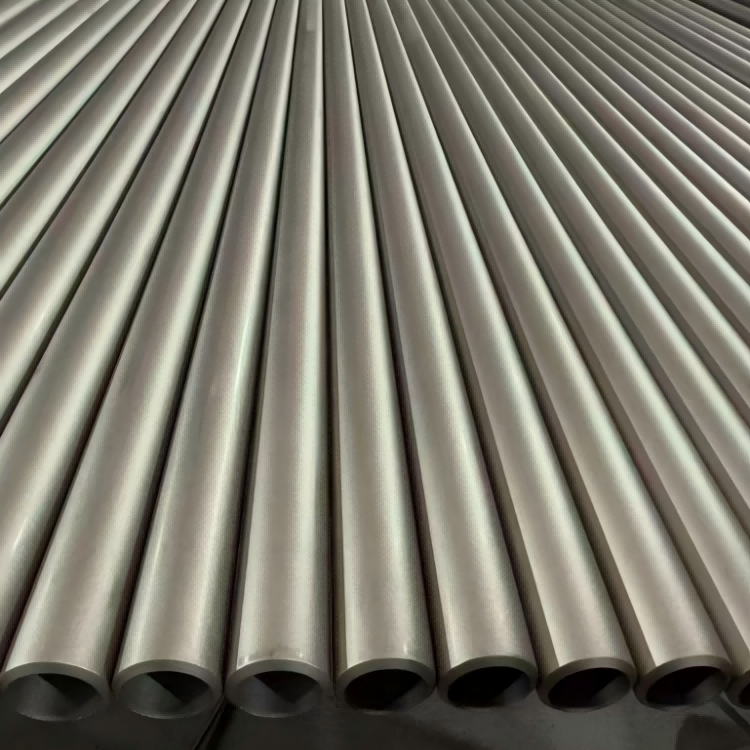
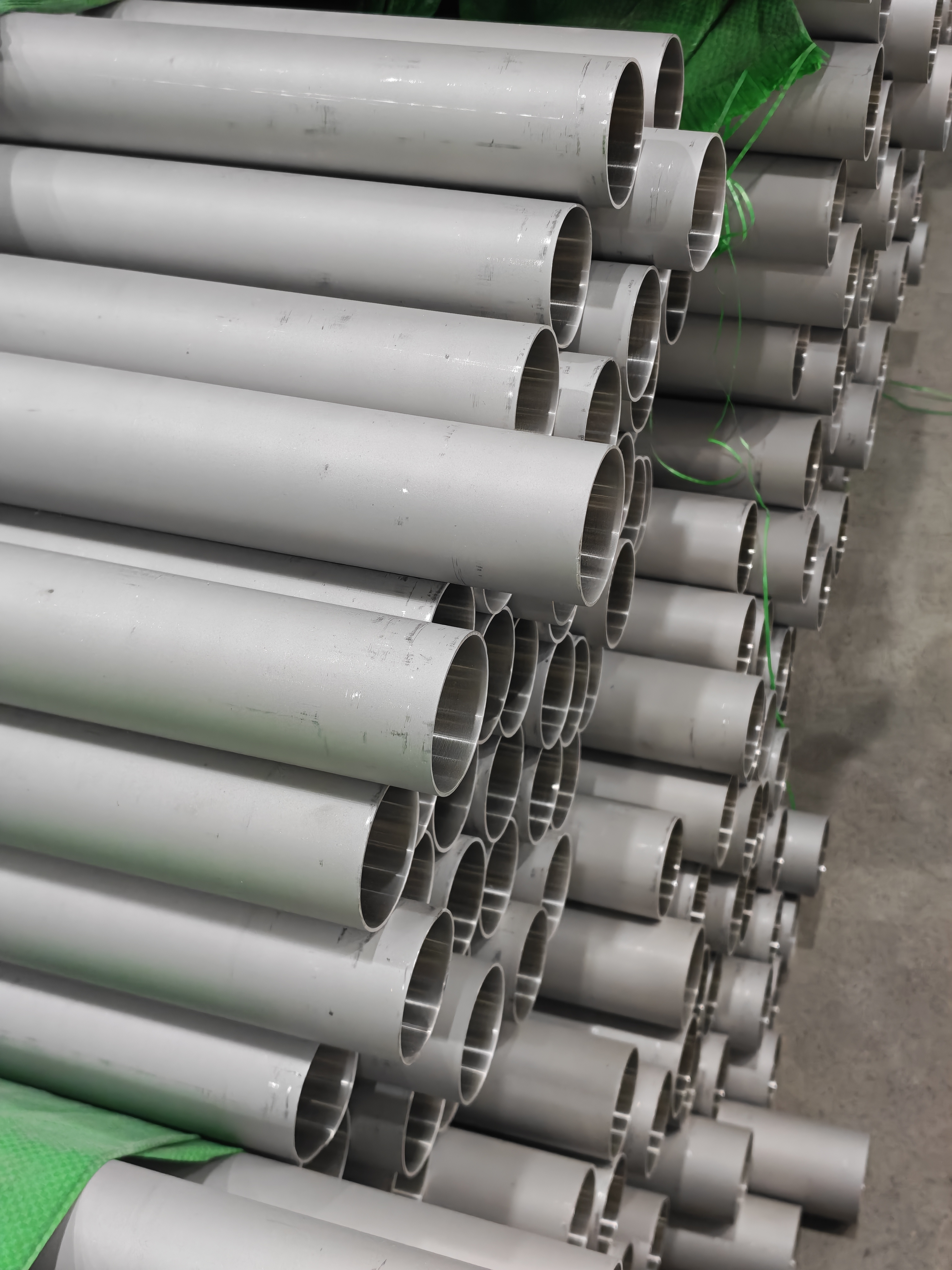
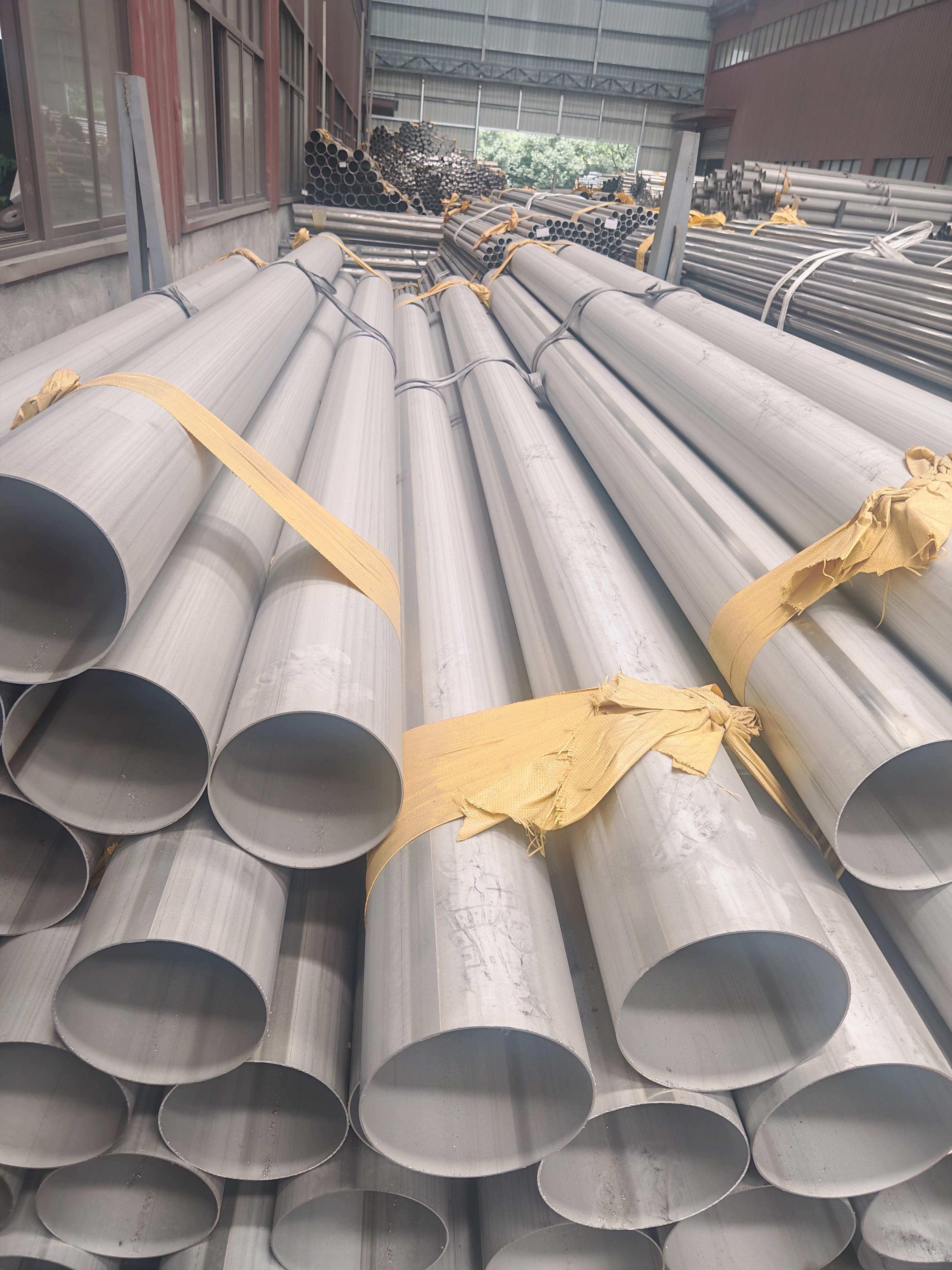
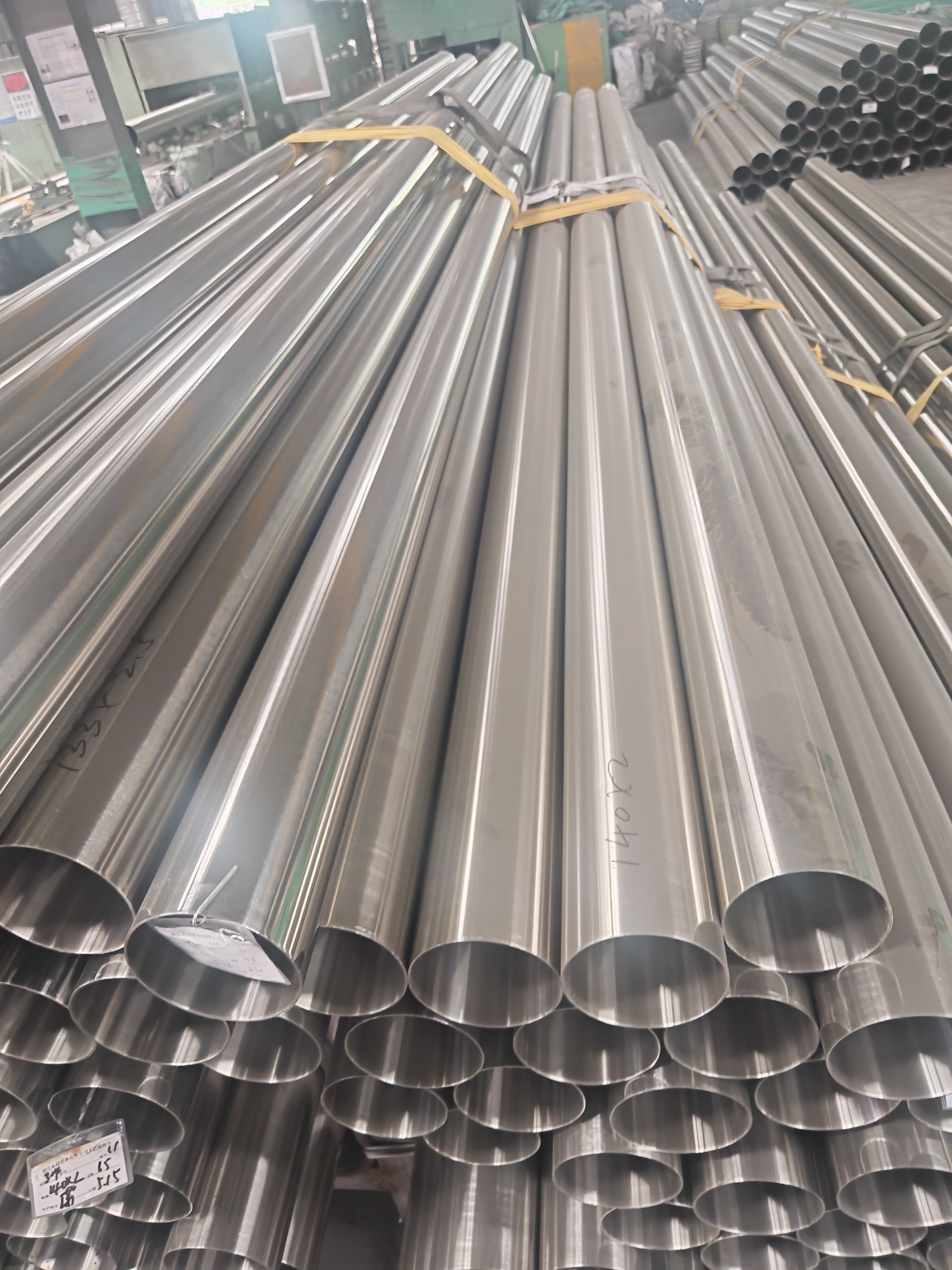
pickled steel pipe
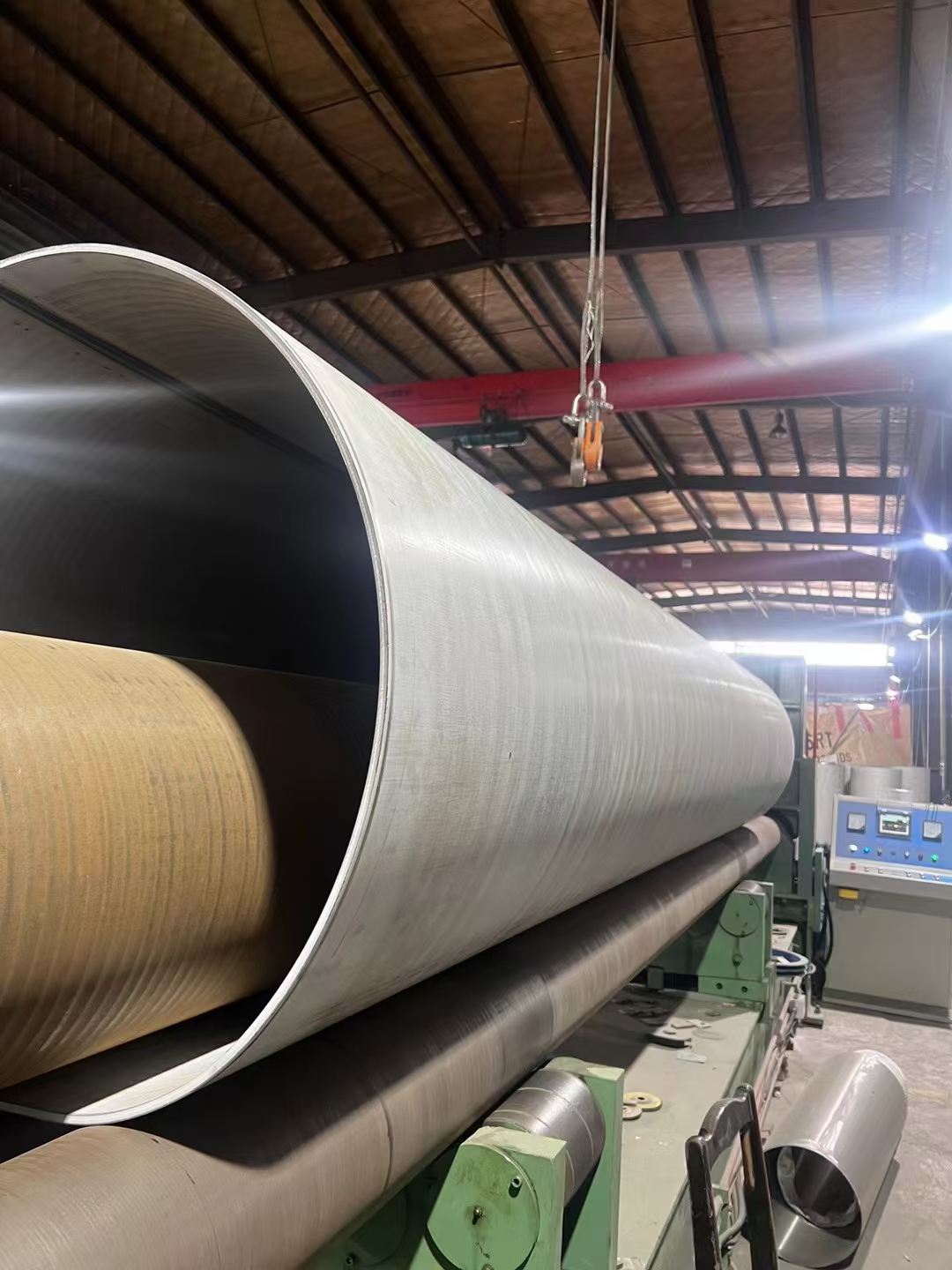
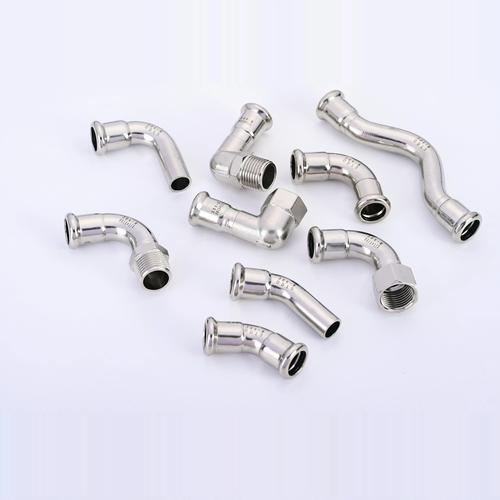
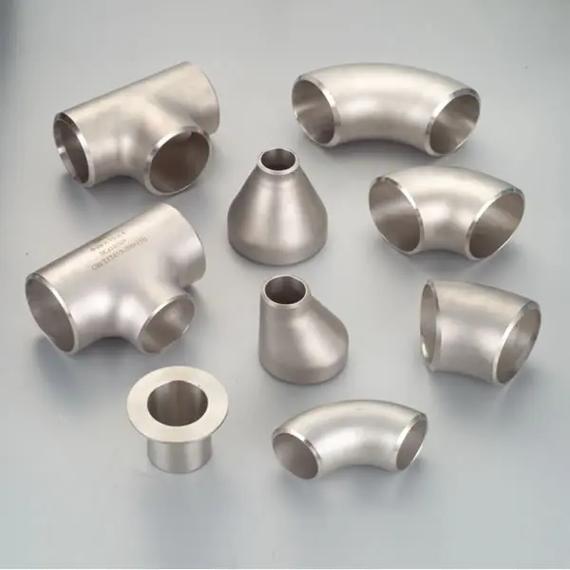
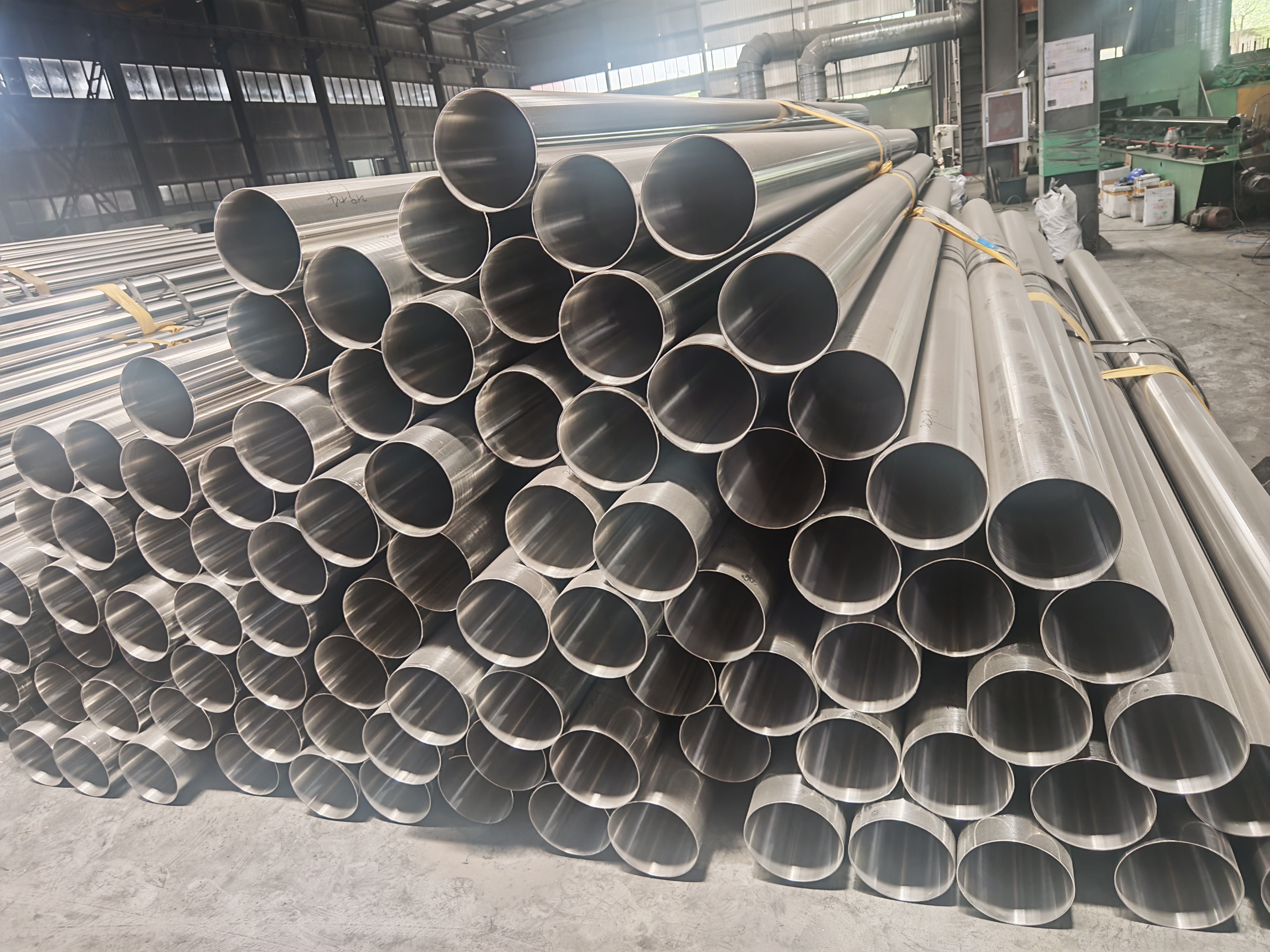
A pickled steel pipe represents a precision-engineered tubular product that undergoes specialized chemical treatment to remove surface contaminants and oxidation. The pickled steel pipe process involves immersing the steel in acid solutions, which effectively eliminates mill scale, rust, and other surface irregularities that compromise quality and performance. This transformation creates a clean, uniform surface ideal for subsequent processing operations. The primary functions of pickled steel pipe include serving as an intermediate product in steel manufacturing, facilitating superior coating adhesion, and enabling enhanced mechanical properties. Technologically, pickled steel pipe features improved surface cleanliness, reduced dimensional tolerances, and enhanced corrosion resistance compared to untreated alternatives. The pickled steel pipe manufacturing process employs advanced automation and quality control systems to ensure consistency throughout production batches. Applications span automotive manufacturing, construction, machinery production, and specialized industrial sectors requiring premium surface quality. The pickled steel pipe delivers exceptional performance in environments demanding reliable durability and aesthetic appeal. Organizations selecting pickled steel pipe benefit from reduced secondary processing requirements and improved final product performance. The pickled steel pipe category encompasses various grades and specifications tailored to diverse industrial requirements, ensuring compatibility with virtually any manufacturing standard or application necessity.
 EN
EN