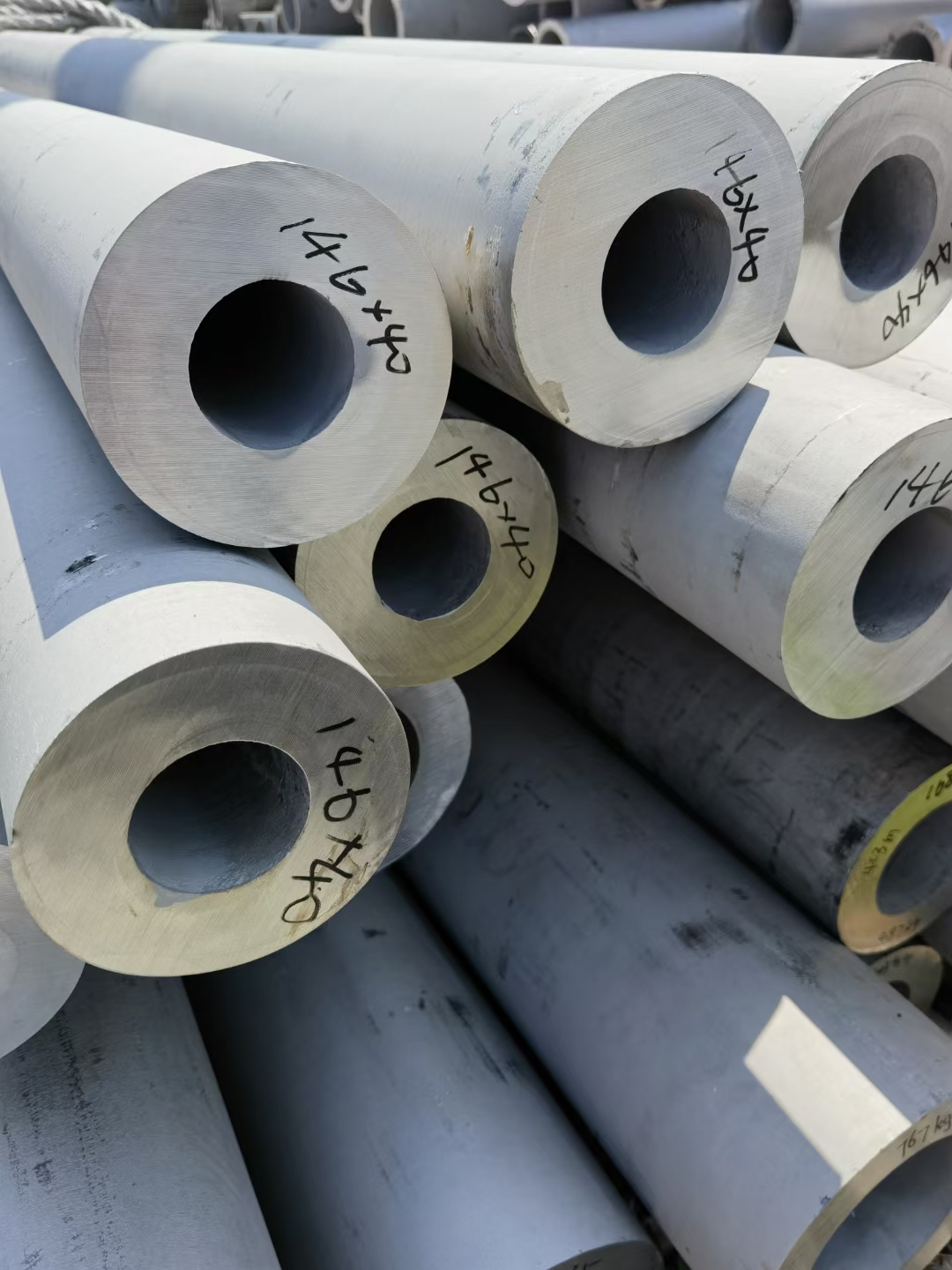
Industrial Pickling Pipe Systems - Advanced Corrosion Resistant Solutions for Chemical Processing

All Categories

Get a Free Quote

Our representative will contact you soon.
Email
Mobile/WhatsApp
Name
Company Name
Message
0/1000

pickling pipe

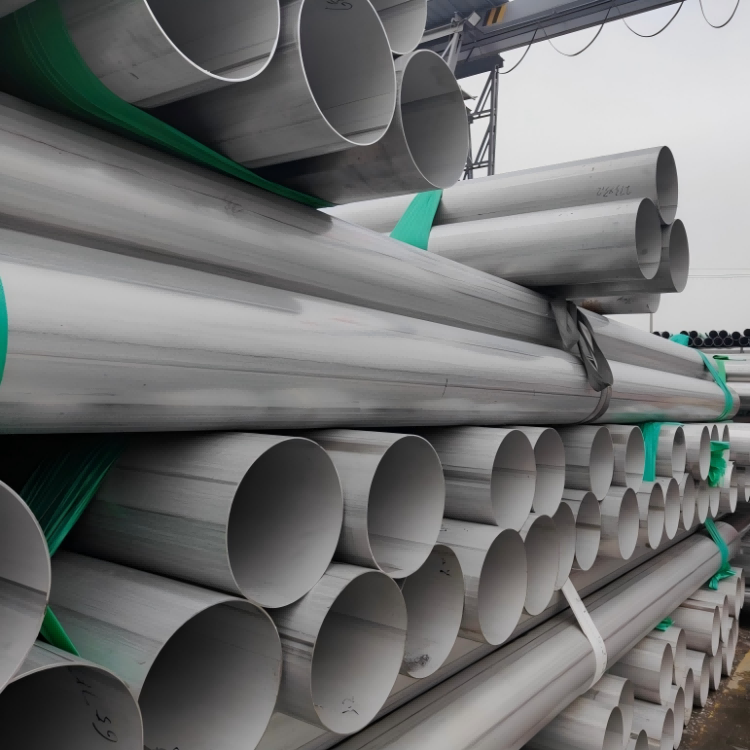
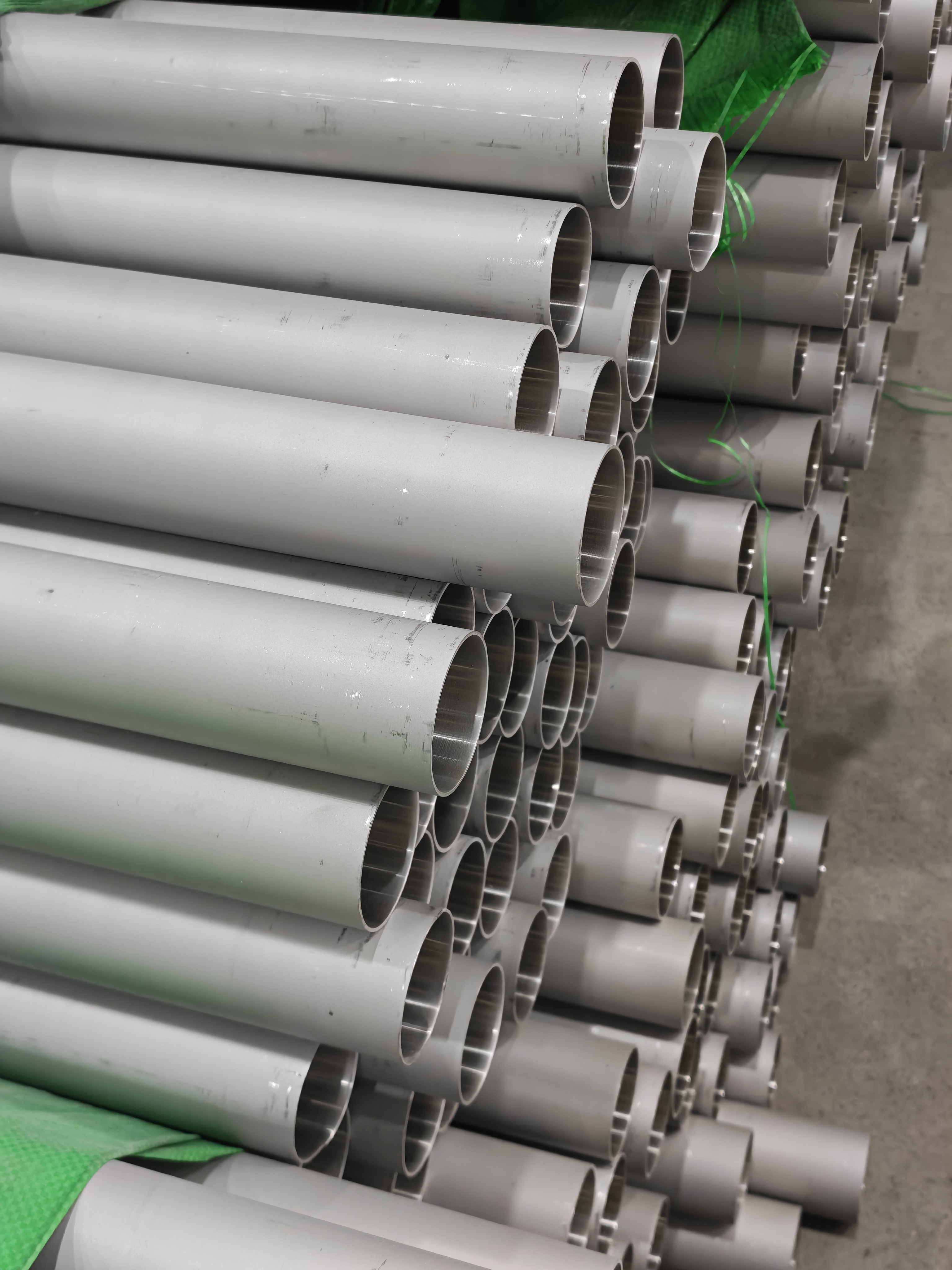
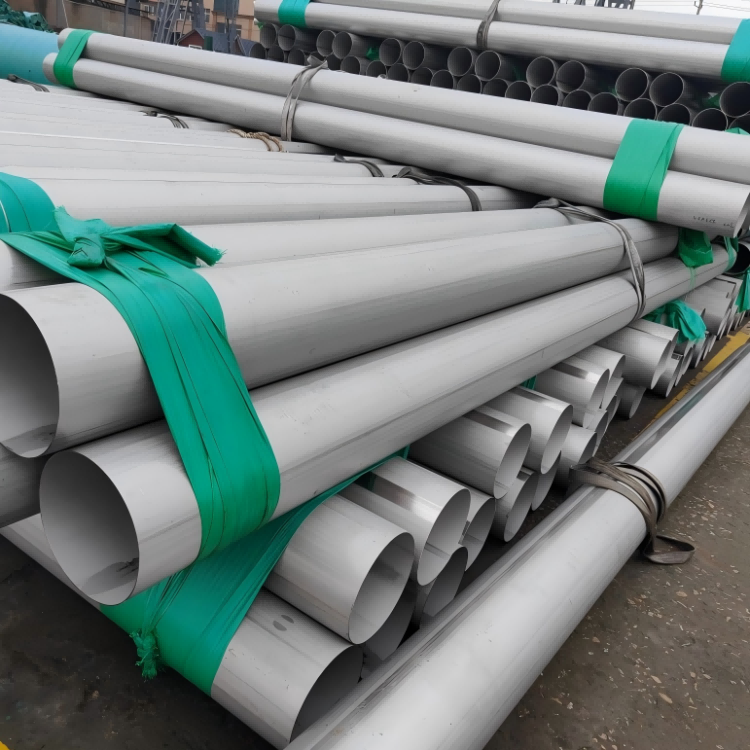
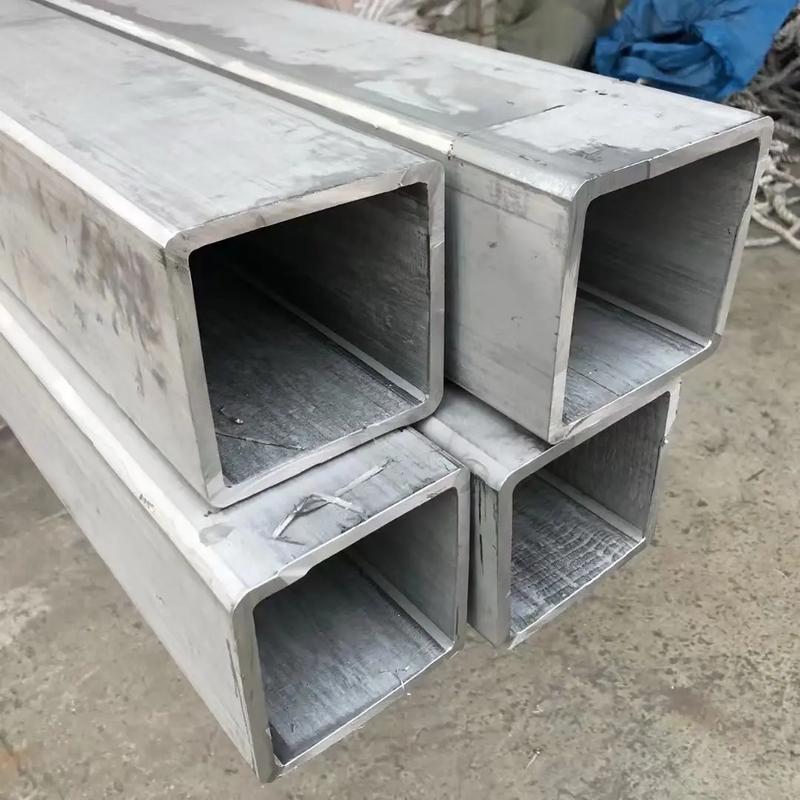
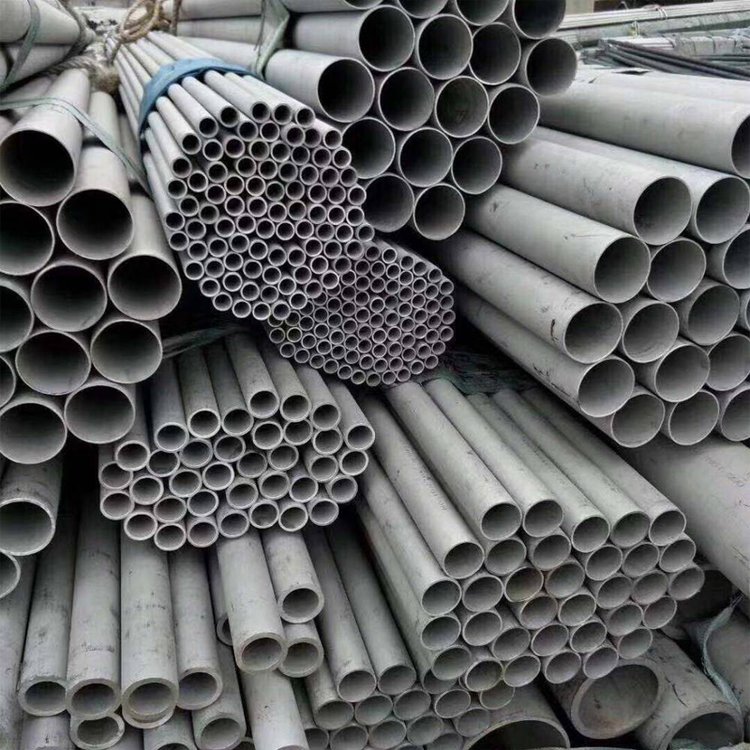
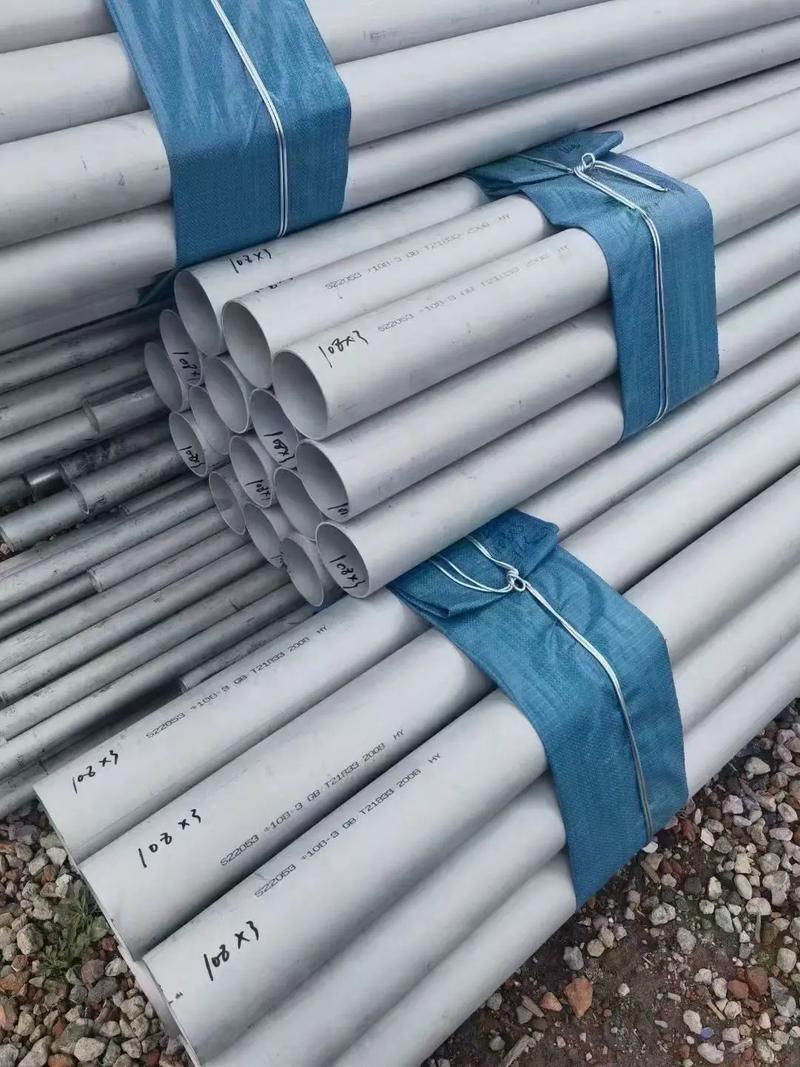
A pickling pipe represents a specialized industrial component designed for chemical processing applications where corrosive substances require safe and efficient handling. This essential equipment serves as a critical element in manufacturing processes that involve acid treatments, surface preparation, and metal finishing operations. The pickling pipe system enables controlled transportation of aggressive chemicals while maintaining structural integrity under extreme conditions. Modern pickling pipe designs incorporate advanced materials and engineering principles to withstand the harsh environments typical of industrial pickling operations. These systems feature enhanced corrosion resistance properties that ensure long-term reliability and operational safety. The primary function of a pickling pipe involves facilitating the movement of acidic solutions used in metal surface treatment processes. Manufacturing facilities rely on these specialized conduits to transport hydrochloric acid, sulfuric acid, and other corrosive chemicals safely throughout their production lines. The technological features of contemporary pickling pipe systems include precision-engineered connections, advanced sealing mechanisms, and specialized coatings that prevent chemical degradation. These pipes undergo rigorous testing procedures to verify their performance under various operational pressures and temperature ranges. Industrial applications for pickling pipe systems span multiple sectors including steel production, automotive manufacturing, aerospace component fabrication, and general metalworking operations. The versatility of these systems allows for customization based on specific process requirements and chemical compatibility needs. Quality pickling pipe installations contribute significantly to operational efficiency by minimizing downtime, reducing maintenance requirements, and ensuring consistent process performance. The engineering specifications for these systems typically incorporate safety factors that exceed standard industrial requirements, providing additional protection against unexpected operational stresses. Installation of pickling pipe systems requires careful consideration of environmental factors, chemical compatibility, and long-term operational goals to maximize performance and return on investment.

New Product Recommendations

The implementation of high-quality pickling pipe systems delivers substantial operational benefits that directly impact manufacturing efficiency and cost management. These specialized conduits provide superior chemical resistance compared to standard piping materials, ensuring extended service life even under aggressive operating conditions. Manufacturing facilities experience significant cost savings through reduced replacement frequencies and lower maintenance requirements when utilizing properly designed pickling pipe systems. The enhanced durability characteristics of these systems translate into improved production uptime and reduced operational disruptions. Safety considerations represent another crucial advantage of professional-grade pickling pipe installations. These systems incorporate multiple safety features that protect personnel and equipment from exposure to hazardous chemicals. The robust construction methods used in pickling pipe manufacturing ensure reliable containment of corrosive substances, minimizing the risk of leaks or system failures that could compromise workplace safety. Operational flexibility stands out as a key benefit for facilities that utilize pickling pipe systems across diverse applications. These systems accommodate various chemical concentrations, flow rates, and temperature ranges without compromising performance standards. The adaptability of modern pickling pipe designs allows manufacturers to modify their processes as needed while maintaining consistent system performance. Energy efficiency represents an often-overlooked advantage of properly installed pickling pipe systems. The smooth interior surfaces and optimized flow characteristics reduce pumping requirements, leading to lower energy consumption and operational costs. This efficiency improvement becomes particularly significant in large-scale operations where chemical transportation occurs continuously throughout production cycles. Quality assurance benefits emerge from the consistent performance characteristics of well-designed pickling pipe systems. These installations maintain precise chemical concentrations and flow rates, contributing to improved product quality and reduced waste generation. The reliability of these systems supports lean manufacturing principles by minimizing variability in critical process parameters. Environmental compliance advantages result from the contained handling capabilities of professional pickling pipe systems. These installations reduce the risk of environmental contamination while supporting sustainable manufacturing practices through improved chemical management and waste reduction initiatives.

Latest News

Strongwin Stainless Steel Group Achieves ISO 90012015 Certification and AD 2000 Merkblatt Approval

28

Feb

Strongwin Stainless Steel Group Achieves ISO 90012015 Certification and AD 2000 Merkblatt Approval

View More
Strongwin Stainless Steel Group Announces Major Production Capacity Expansion to Meet Growing Global Demand

11

Mar

Strongwin Stainless Steel Group Announces Major Production Capacity Expansion to Meet Growing Global Demand

View More
Strongwin Stainless Steel Group Announces Strategic Partnership with Leading European Engineering Firm

11

Mar

Strongwin Stainless Steel Group Announces Strategic Partnership with Leading European Engineering Firm

View More

Get a Free Quote

Our representative will contact you soon.
Email
Mobile/WhatsApp
Name
Company Name
Message
0/1000

pickling pipe

Advanced Corrosion Resistance Technology

Advanced Corrosion Resistance Technology

The cornerstone feature of modern pickling pipe systems lies in their revolutionary corrosion resistance technology, which represents a significant advancement over traditional piping solutions. This sophisticated engineering approach combines specialized alloy compositions with innovative surface treatments to create an impenetrable barrier against chemical attack. The development process involves extensive metallurgical research to identify optimal material combinations that can withstand prolonged exposure to aggressive acids and chemical solutions. Manufacturing facilities benefit enormously from this technology because it eliminates the frequent replacement cycles associated with conventional piping materials. The advanced corrosion resistance stems from carefully controlled alloy additions that form protective oxide layers on the pipe surfaces. These microscopic protective barriers continuously regenerate themselves when exposed to oxygen, ensuring long-term protection against chemical degradation. The economic implications of this technology are substantial, as facilities can expect service lives that extend far beyond standard industrial piping systems. Quality control procedures during manufacturing ensure consistent corrosion resistance properties throughout each pickling pipe installation. Testing protocols include accelerated corrosion testing, chemical compatibility verification, and long-term exposure studies that validate performance claims. The reliability of this technology has been proven through decades of successful installations across various industrial applications. Maintenance requirements decrease dramatically when facilities utilize pickling pipe systems with advanced corrosion resistance, as the protective properties remain effective throughout extended operational periods. This technology adaptation represents a critical investment for facilities seeking to optimize their long-term operational costs while maintaining superior performance standards. The environmental benefits of enhanced corrosion resistance include reduced material waste, decreased replacement frequency, and improved chemical containment capabilities that support sustainability initiatives.
Precision Engineering for Optimal Flow Dynamics

Precision Engineering for Optimal Flow Dynamics

Precision engineering principles drive the development of pickling pipe systems that deliver optimal flow dynamics and operational efficiency across diverse industrial applications. This meticulous approach to design and manufacturing ensures that every component contributes to superior hydraulic performance while maintaining the structural integrity required for harsh chemical environments. The engineering process begins with computational fluid dynamics modeling that analyzes flow patterns, pressure distributions, and potential turbulence zones within the piping system. These detailed analyses inform design decisions regarding pipe diameter, wall thickness, connection geometry, and support placement to optimize overall system performance. Manufacturing facilities gain significant operational advantages through these precisely engineered systems, including reduced pumping costs, improved chemical distribution uniformity, and enhanced process control capabilities. The internal surface finish of pickling pipe systems receives particular attention during manufacturing, as smooth surfaces minimize friction losses and prevent chemical buildup that could compromise flow characteristics. Advanced manufacturing techniques create consistent internal geometries that eliminate flow restrictions and dead zones where chemicals might accumulate. Quality assurance procedures verify that each pipe section meets strict dimensional tolerances and surface finish requirements before installation. The connection design represents another critical aspect of precision engineering in pickling pipe systems. These connections must provide leak-tight seals while accommodating thermal expansion, chemical exposure, and operational stresses without compromising system integrity. Specialized gasket materials and connection hardware ensure reliable performance under varying operational conditions. Installation procedures for precision-engineered pickling pipe systems require careful attention to alignment, support spacing, and connection torque specifications to maintain optimal performance characteristics. The long-term benefits of precision engineering become evident through consistent operational performance, reduced maintenance requirements, and extended service life that justify the initial investment in quality systems.
Comprehensive Safety and Compliance Features

Comprehensive Safety and Compliance Features

Comprehensive safety and compliance features distinguish professional-grade pickling pipe systems from standard industrial piping solutions, providing multiple layers of protection for personnel, equipment, and environmental resources. These integrated safety systems incorporate advanced monitoring capabilities, emergency response mechanisms, and regulatory compliance features that exceed minimum industry standards. The design philosophy emphasizes proactive safety measures rather than reactive responses to potential hazards, creating inherently safer operational environments for manufacturing facilities. Leak detection systems represent a fundamental safety component of modern pickling pipe installations, utilizing various technologies including pressure monitoring, chemical sensors, and visual inspection ports to identify potential issues before they develop into serious problems. These monitoring systems provide real-time feedback to operators, enabling immediate response to changing conditions that could compromise system integrity. Emergency shutdown capabilities allow for rapid isolation of affected piping sections, minimizing the potential impact of system failures or maintenance requirements. Material traceability requirements ensure that every component in a pickling pipe system can be tracked from manufacturing through installation and operational life, supporting quality assurance and regulatory compliance objectives. Documentation packages include material certifications, testing records, installation procedures, and maintenance schedules that demonstrate compliance with applicable safety standards and regulatory requirements. Training requirements for personnel working with pickling pipe systems emphasize proper handling procedures, emergency response protocols, and routine maintenance practices that maintain system safety and performance. Regular inspection schedules identify potential issues before they compromise system integrity, supporting preventive maintenance strategies that enhance safety and reliability. Compliance verification procedures ensure that pickling pipe installations meet or exceed applicable codes, standards, and regulatory requirements throughout their operational life. These comprehensive safety and compliance features provide facility managers with confidence that their pickling pipe systems will operate safely and reliably while meeting all applicable regulatory obligations and industry best practices.

Get a Free Quote

Our representative will contact you soon.
Email
Mobile/WhatsApp
Name
Company Name
Message
0/1000