Type 300 Series Stainless Steel: Superior Corrosion Resistance and Fabrication Excellence for Industrial Applications

All Categories

Get a Free Quote

Our representative will contact you soon.
Email
Mobile/WhatsApp
Name
Company Name
Message
0/1000

type 300 series stainless steel

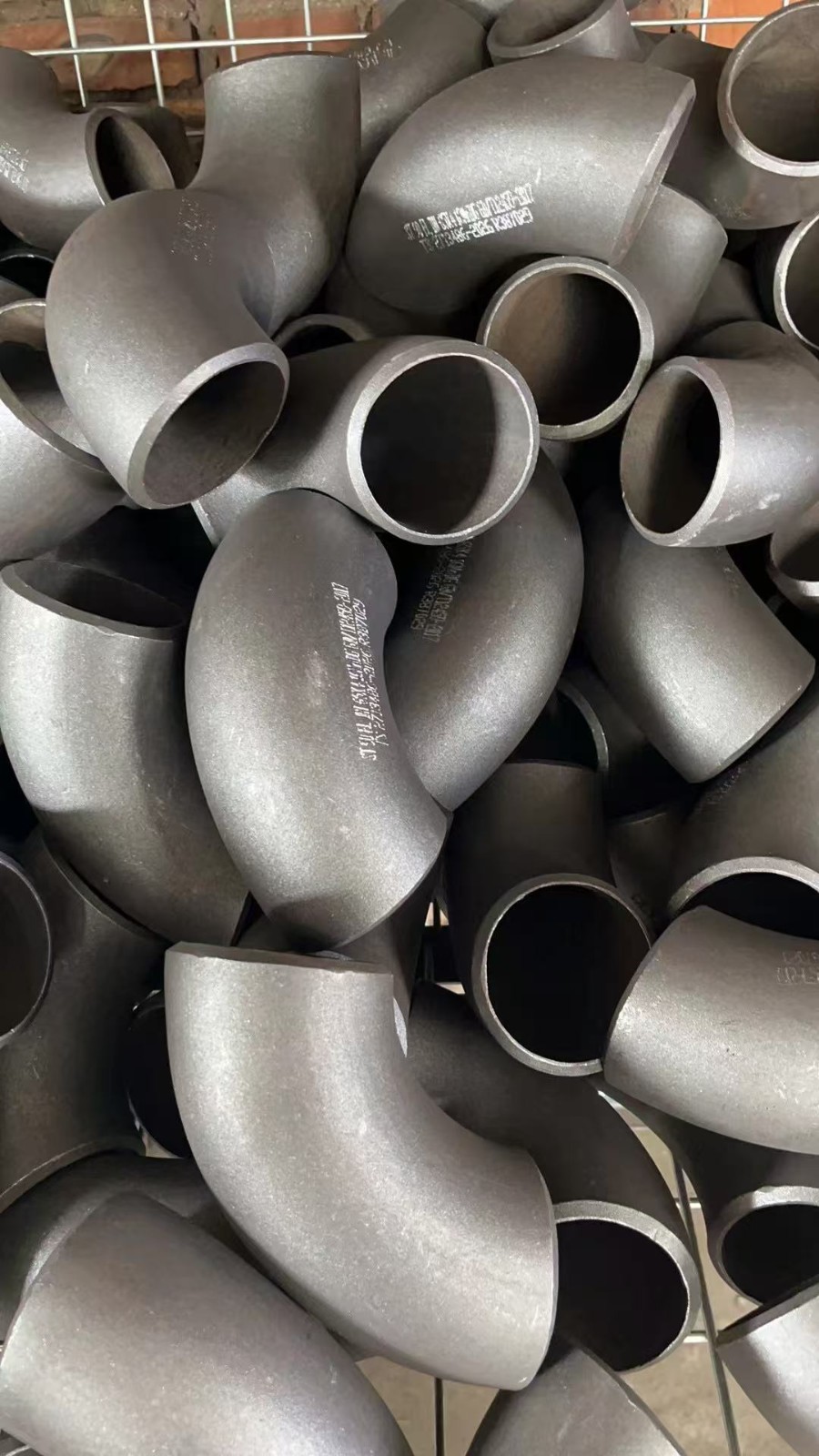
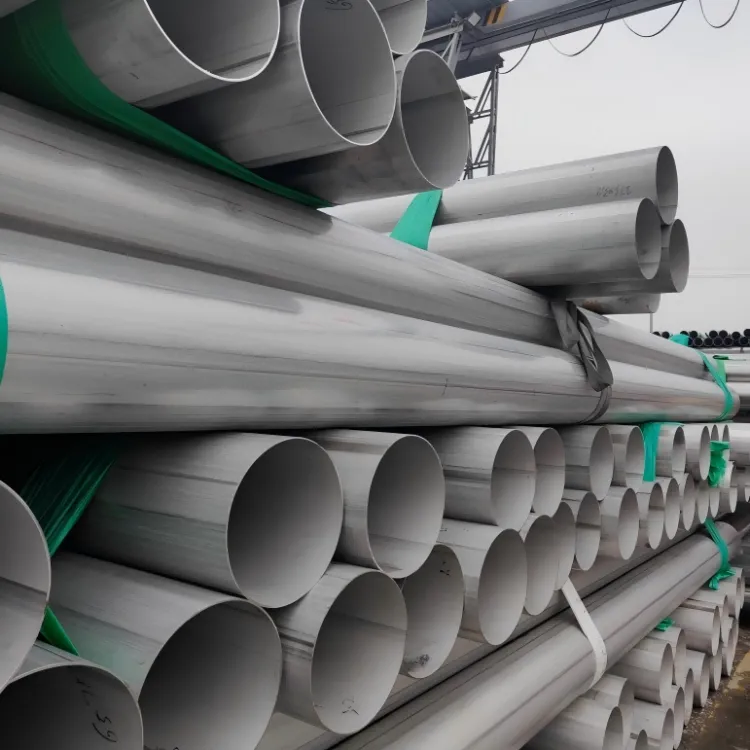
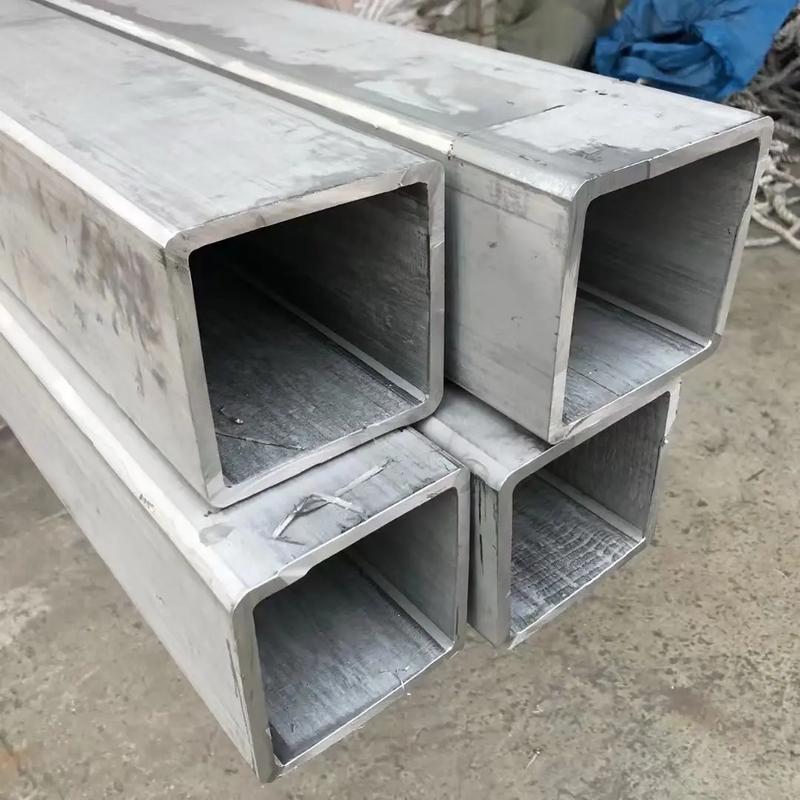
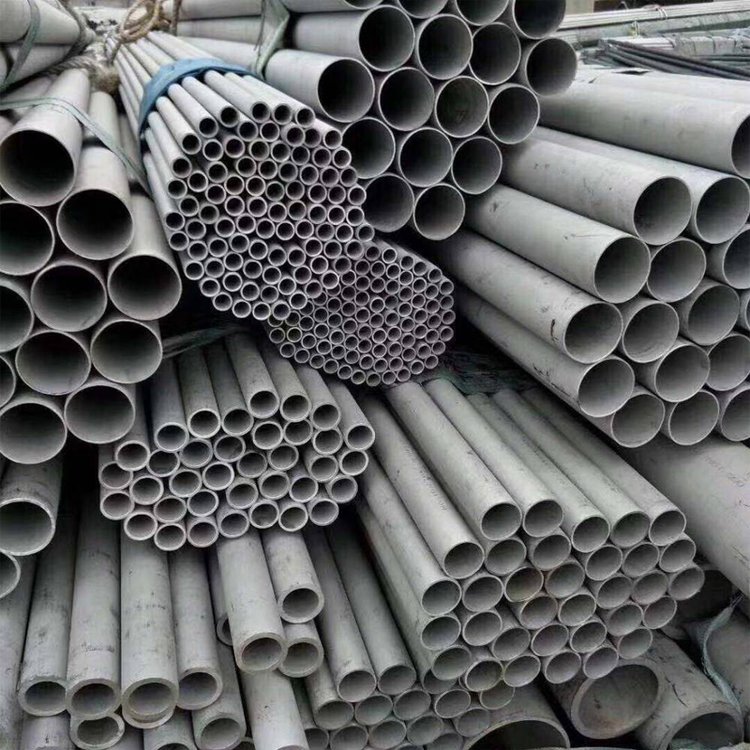
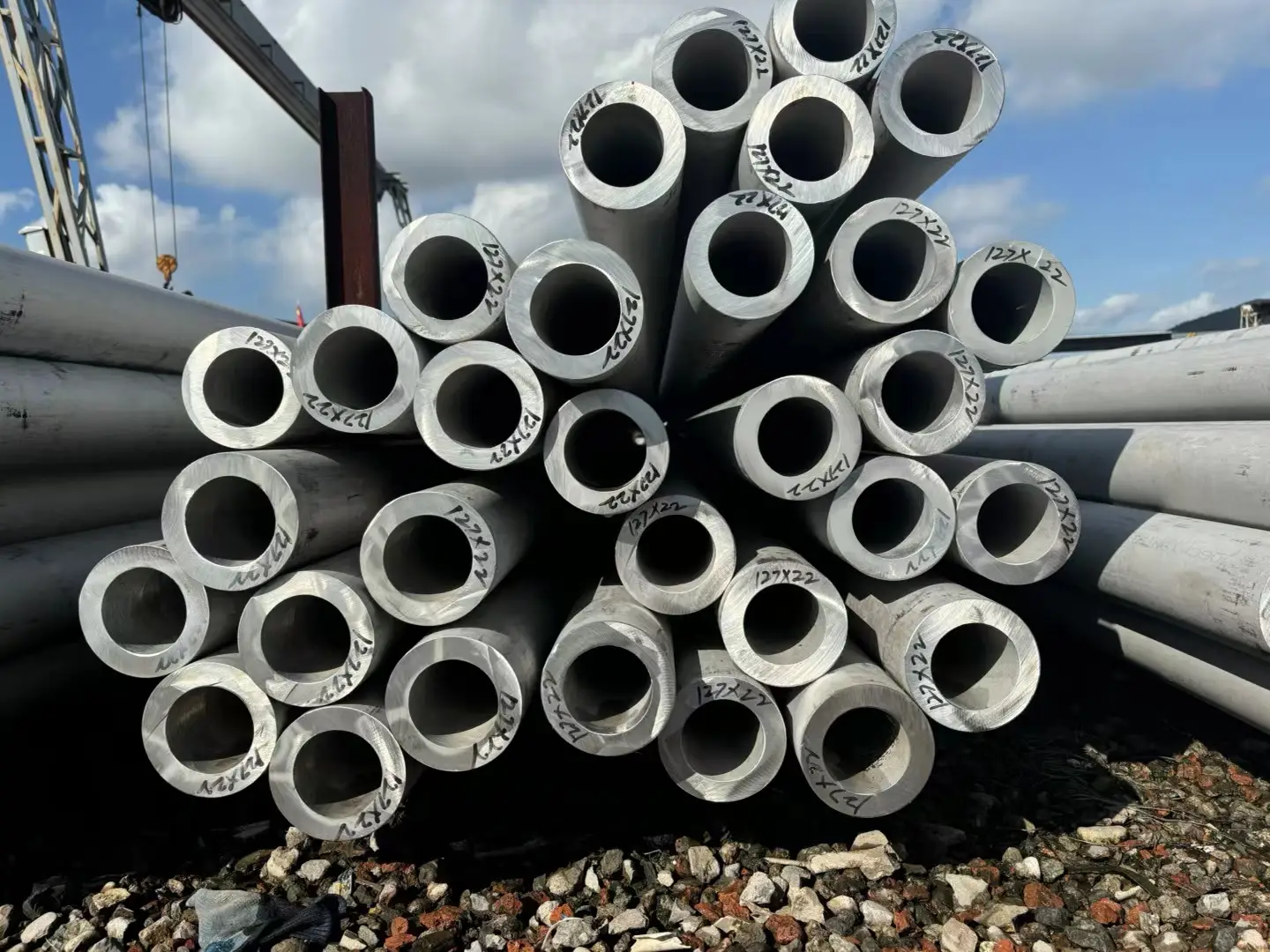
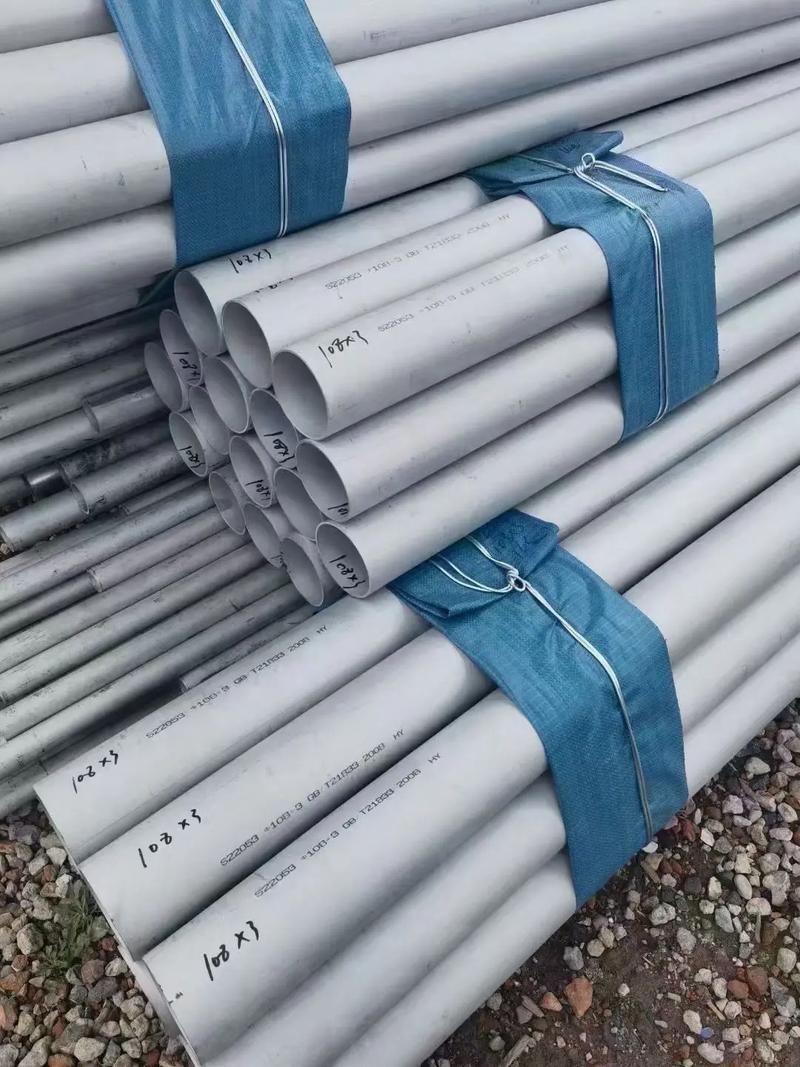
Type 300 series stainless steel represents one of the most versatile and widely utilized families of stainless steel alloys in modern industrial applications. This austenitic stainless steel series is characterized by its exceptional corrosion resistance, durability, and formability, making it an ideal choice for countless manufacturing and construction projects. The 300 series derives its outstanding properties from a carefully balanced chemical composition that includes chromium, nickel, and other alloying elements that create a stable austenitic microstructure at room temperature. The main functions of type 300 series stainless steel encompass structural support, chemical processing equipment, food handling systems, architectural applications, and medical device manufacturing. Its technological features include excellent weldability, non-magnetic properties in the annealed condition, and superior ductility that allows for complex forming operations. The series maintains its strength across a wide temperature range while resisting oxidation and scaling at elevated temperatures. Common grades within the type 300 series include 304, 316, 321, and 347, each offering specific performance characteristics tailored to particular applications. The 304 grade serves as the workhorse of the series, providing general-purpose corrosion resistance, while 316 offers enhanced chemical resistance through molybdenum additions. Applications span numerous industries including food processing, pharmaceutical manufacturing, chemical processing, marine environments, architectural construction, automotive components, and medical instruments. The type 300 series stainless steel demonstrates remarkable versatility in forming processes such as deep drawing, spinning, and roll forming, enabling manufacturers to create complex geometries while maintaining structural integrity. Its surface finish options range from mill finish to mirror polish, accommodating both functional and aesthetic requirements across diverse applications.

New Products

Type 300 series stainless steel delivers significant advantages that make it the preferred choice for demanding applications across multiple industries. The superior corrosion resistance stands as the primary benefit, protecting against rust, staining, and chemical attack in environments where ordinary steel would quickly deteriorate. This corrosion resistance translates directly into reduced maintenance costs and extended service life, providing exceptional value for customers who require long-term reliability. The excellent formability of type 300 series stainless steel allows manufacturers to create complex shapes and designs without compromising material integrity, reducing production costs and enabling innovative product development. Unlike carbon steel, this material maintains its appearance and performance characteristics without requiring protective coatings or frequent replacement, resulting in lower total cost of ownership. The non-magnetic properties of annealed type 300 series stainless steel make it suitable for electronic applications and environments where magnetic interference must be minimized. Its high strength-to-weight ratio provides structural efficiency, allowing designers to use thinner sections while maintaining required load-bearing capacity. The material exhibits outstanding cleanability and hygiene properties, making it indispensable in food processing, pharmaceutical, and medical applications where contamination prevention is critical. Type 300 series stainless steel offers excellent heat resistance, maintaining strength and oxidation resistance at elevated temperatures up to 1500°F in intermittent service. The material's recyclability contributes to sustainable manufacturing practices, as it can be repeatedly recycled without degradation of properties. Its weldability enables efficient fabrication using standard welding techniques without requiring special procedures or post-weld heat treatment in most applications. The aesthetic appeal of type 300 series stainless steel, with its bright, clean appearance, enhances product value in architectural and consumer applications. Temperature stability ensures consistent performance across seasonal variations and process conditions, eliminating concerns about thermal expansion and contraction that affect other materials. The chemical inertness prevents flavor contamination in food applications and ensures product purity in pharmaceutical manufacturing, making it the material of choice for sensitive applications.

Practical Tips

Strongwin Stainless Steel Group Achieves ISO 90012015 Certification and AD 2000 Merkblatt Approval

28

Feb

Strongwin Stainless Steel Group Achieves ISO 90012015 Certification and AD 2000 Merkblatt Approval

View More
Strongwin Stainless Steel Group Announces Major Production Capacity Expansion to Meet Growing Global Demand

11

Mar

Strongwin Stainless Steel Group Announces Major Production Capacity Expansion to Meet Growing Global Demand

View More
Strongwin Stainless Steel Group Announces Strategic Partnership with Leading European Engineering Firm

11

Mar

Strongwin Stainless Steel Group Announces Strategic Partnership with Leading European Engineering Firm

View More

Get a Free Quote

Our representative will contact you soon.
Email
Mobile/WhatsApp
Name
Company Name
Message
0/1000

type 300 series stainless steel

Unmatched Corrosion Resistance for Long-Term Durability

Unmatched Corrosion Resistance for Long-Term Durability

The exceptional corrosion resistance of type 300 series stainless steel stems from its unique metallurgical composition that forms a protective chromium oxide layer on the surface. This passive film automatically regenerates when damaged, providing self-healing protection against environmental attack. The chromium content, typically ranging from 17% to 20%, creates this invisible barrier that prevents oxygen and moisture from reaching the underlying steel substrate. This protection extends to various corrosive environments including atmospheric exposure, mild chemicals, food acids, and marine conditions. The addition of nickel, usually 8% to 12%, stabilizes the austenitic structure and enhances the corrosion resistance beyond what chromium alone can provide. In grade 316, molybdenum further enhances resistance to chloride attack and pitting corrosion, making it suitable for harsh chemical environments and marine applications. This superior corrosion resistance translates into tangible benefits for customers, including reduced replacement costs, minimal maintenance requirements, and extended equipment life cycles. Industries such as food processing rely on this property to maintain sanitary conditions without the risk of rust contamination that could compromise product quality. Chemical processing facilities benefit from the material's ability to withstand aggressive chemicals without degradation, ensuring safe and reliable operation. The marine industry values type 300 series stainless steel for its resistance to salt water corrosion, eliminating the need for frequent painting and maintenance that plagues carbon steel structures. Architectural applications showcase the material's ability to maintain appearance and structural integrity despite decades of weather exposure, reducing lifecycle costs significantly. This corrosion resistance also contributes to environmental sustainability by reducing the need for replacement materials and minimizing waste generation over the product's lifetime.
Superior Fabrication Flexibility and Workability

Superior Fabrication Flexibility and Workability

Type 300 series stainless steel exhibits remarkable fabrication flexibility that sets it apart from other high-performance materials, enabling manufacturers to achieve complex designs while maintaining structural integrity and surface quality. The austenitic crystal structure provides excellent ductility and formability, allowing the material to undergo severe deformation without cracking or failure. This characteristic enables deep drawing operations, complex bending, spinning, and roll forming processes that would be impossible with harder, less ductile materials. The work hardening behavior of type 300 series stainless steel actually increases strength during forming operations, creating stronger components in high-stress areas while maintaining ductility in less critical regions. Welding characteristics represent another significant advantage, as the material can be joined using all standard welding processes including TIG, MIG, resistance, and laser welding without requiring preheating or post-weld heat treatment in most applications. The absence of carbide precipitation in grades like 304L and 316L eliminates concerns about intergranular corrosion in welded assemblies, ensuring uniform corrosion resistance across the entire structure. Machining properties, while requiring proper technique due to work hardening tendencies, allow for precise tolerances and excellent surface finishes when appropriate cutting tools and parameters are used. The material's response to various surface treatments, from brushing and polishing to electrochemical finishing, provides designers with numerous aesthetic options to meet specific appearance requirements. Cold working capabilities enable manufacturers to achieve desired mechanical properties through controlled deformation, eliminating the need for expensive heat treatment operations. The dimensional stability of type 300 series stainless steel during processing ensures consistent results and reduces scrap rates compared to materials that distort during fabrication. This fabrication flexibility translates into cost savings through reduced tooling requirements, simplified manufacturing processes, and the ability to consolidate multiple components into single, more complex parts that reduce assembly time and improve reliability.
Exceptional Hygiene and Safety Standards for Critical Applications

Exceptional Hygiene and Safety Standards for Critical Applications

Type 300 series stainless steel meets the most stringent hygiene and safety requirements across industries where contamination control and product purity are paramount concerns. The smooth, non-porous surface finish achievable with this material prevents bacterial growth and facilitates thorough cleaning and sterilization procedures essential in food processing, pharmaceutical manufacturing, and medical device applications. Unlike materials with rough or porous surfaces that can harbor contaminants, the dense austenitic structure of type 300 series stainless steel provides no hiding places for bacteria, viruses, or other microorganisms. The chemical inertness ensures no metallic taste or odor transfer to food products, maintaining the intended flavor profiles while preventing contamination that could pose health risks. FDA approval for food contact applications validates the safety of type 300 series stainless steel, giving manufacturers and consumers confidence in its suitability for direct food contact surfaces. The material's resistance to cleaning chemicals and sanitizers enables the use of aggressive cleaning protocols without surface degradation or contamination risk from corroded metal particles. Steam sterilization compatibility makes it ideal for medical and pharmaceutical equipment that requires repeated high-temperature sterilization cycles. The non-toxic nature eliminates concerns about leaching harmful substances into products or processes, particularly important in pharmaceutical and medical applications where product purity is critical. Easy cleanability reduces labor costs and improves efficiency in facilities that require frequent sanitation, as the smooth surface allows for quick, thorough cleaning with standard procedures. The material's ability to maintain its hygienic properties throughout its service life ensures consistent food safety and product quality standards without degradation over time. Traceability and documentation capabilities of type 300 series stainless steel support quality assurance programs and regulatory compliance requirements in highly regulated industries. The combination of corrosion resistance and cleanability prevents the formation of crevices or surface defects that could compromise hygiene standards, maintaining the highest levels of cleanliness throughout the equipment's operational life.

Get a Free Quote

Our representative will contact you soon.
Email
Mobile/WhatsApp
Name
Company Name
Message
0/1000