Type 300 Stainless Steel: Superior Corrosion Resistance and Versatile Applications

All Categories

Get a Free Quote

Our representative will contact you soon.
Email
Mobile/WhatsApp
Name
Company Name
Message
0/1000

type 300 stainless steel

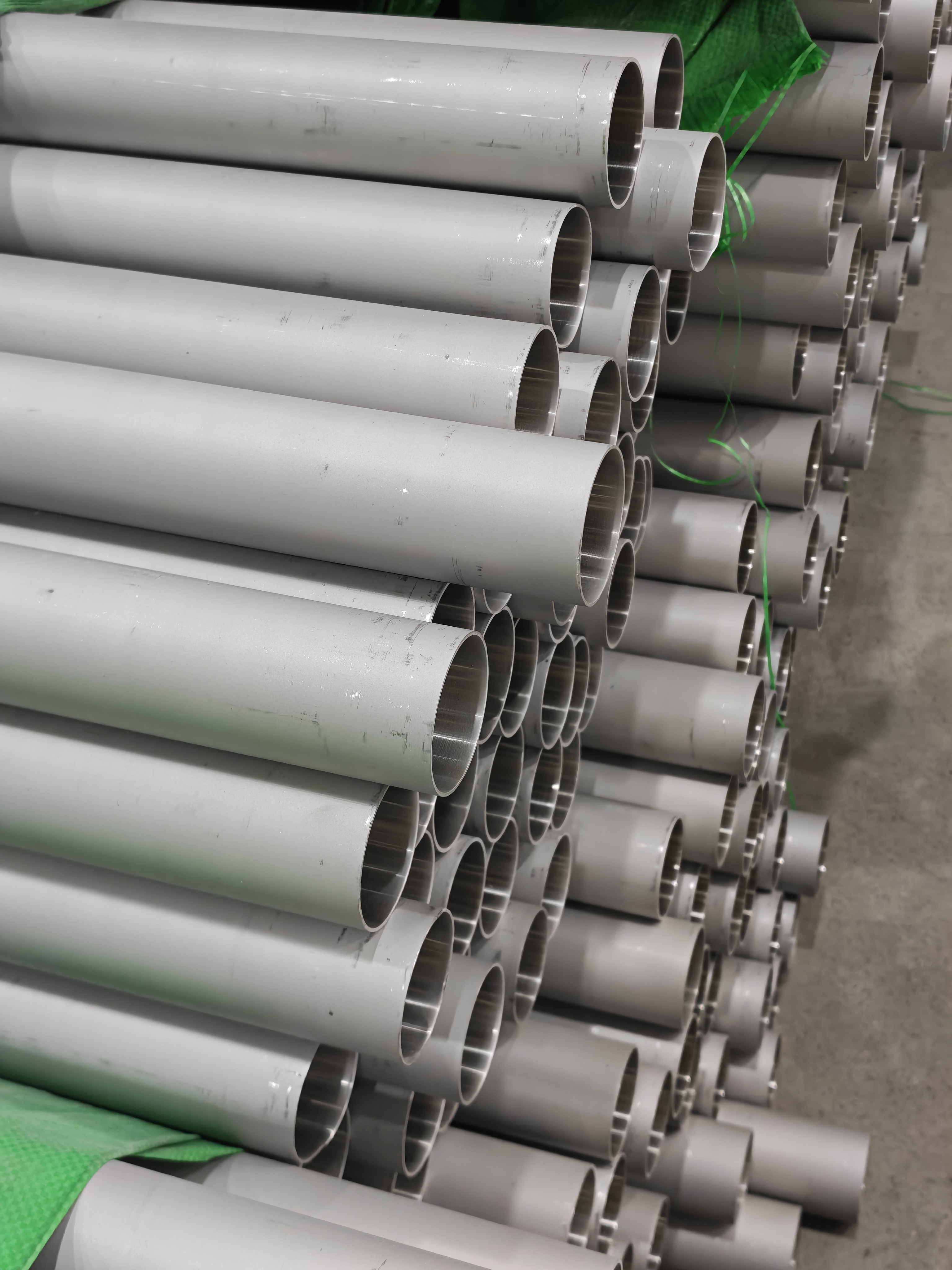
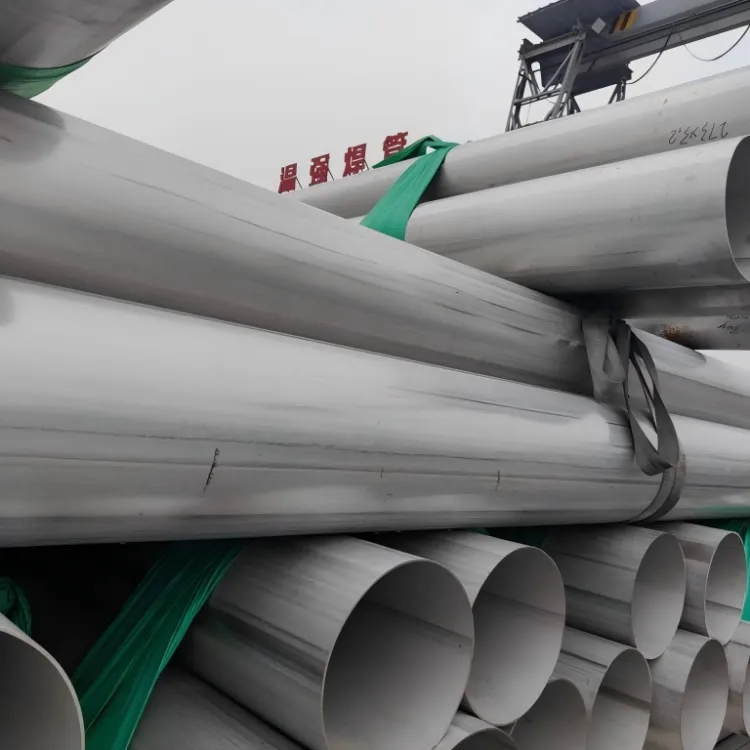
Type 300 stainless steel represents one of the most versatile and widely utilized stainless steel families in modern manufacturing and construction industries. This austenitic stainless steel series encompasses several grades, with 304 and 316 being the most prominent variants within the type 300 stainless steel classification. The fundamental composition of type 300 stainless steel includes chromium content ranging from 17 to 20 percent and nickel content between 8 to 12 percent, creating a non-magnetic material with exceptional corrosion resistance properties. The main functions of type 300 stainless steel extend across multiple industrial sectors, serving as a primary material for food processing equipment, chemical storage tanks, architectural components, and marine applications. Its technological features include superior formability, excellent weldability, and outstanding resistance to oxidation at elevated temperatures. The austenitic crystal structure of type 300 stainless steel provides enhanced ductility compared to other stainless steel families, making it ideal for complex forming operations and deep drawing processes. Applications for type 300 stainless steel span numerous industries, including automotive exhaust systems, kitchen appliances, pharmaceutical equipment, and decorative architectural elements. The material demonstrates remarkable performance in environments exposed to mild acidic conditions, chloride solutions, and atmospheric corrosion. Manufacturing processes benefit from the consistent mechanical properties of type 300 stainless steel, which maintains structural integrity across varying temperature ranges. The steel exhibits excellent fatigue resistance, making it suitable for components subjected to repeated stress cycles. Furthermore, type 300 stainless steel offers exceptional cleanability properties, essential for sanitary applications in healthcare and food production facilities. Its non-reactive surface prevents contamination and bacterial growth, ensuring compliance with stringent hygiene standards.

Popular Products

Type 300 stainless steel delivers numerous practical benefits that make it the preferred choice for engineers, manufacturers, and end-users across diverse industries. The material provides exceptional corrosion resistance, significantly reducing maintenance costs and extending equipment lifespan compared to carbon steel alternatives. This corrosion protection translates into substantial long-term savings for businesses, as replacement and repair frequencies decrease dramatically. The superior formability of type 300 stainless steel enables manufacturers to create complex shapes and intricate designs without compromising structural integrity. This flexibility reduces production costs by eliminating the need for multiple joining operations and complex assembly procedures. The excellent weldability characteristics of type 300 stainless steel facilitate efficient fabrication processes, allowing skilled welders to create strong, reliable joints using standard welding techniques. Heat treatment requirements remain minimal, reducing energy consumption and processing time during manufacturing operations. The non-magnetic properties of type 300 stainless steel make it ideal for electronic applications and precision instruments where magnetic interference could compromise performance. Temperature stability ensures consistent performance across wide operating ranges, from cryogenic applications to moderate high-temperature environments. The material maintains its mechanical properties without significant degradation, providing reliable service life predictions for critical applications. Type 300 stainless steel offers excellent impact resistance, protecting equipment from damage during handling and operation. The smooth surface finish achievable with this material reduces friction losses in fluid handling systems and simplifies cleaning procedures. Food-grade certifications for specific type 300 stainless steel grades ensure safety in direct food contact applications. The material resists staining and discoloration, maintaining aesthetic appeal in architectural and decorative applications. Recycling capabilities make type 300 stainless steel an environmentally responsible choice, supporting sustainability initiatives while providing economic value through material recovery. The standardized compositions and properties of type 300 stainless steel ensure consistent quality and performance across different suppliers and production batches.

Latest News

Strongwin Stainless Steel Group Achieves ISO 90012015 Certification and AD 2000 Merkblatt Approval

28

Feb

Strongwin Stainless Steel Group Achieves ISO 90012015 Certification and AD 2000 Merkblatt Approval

View More
Strongwin Stainless Steel Group Announces Major Production Capacity Expansion to Meet Growing Global Demand

11

Mar

Strongwin Stainless Steel Group Announces Major Production Capacity Expansion to Meet Growing Global Demand

View More
Strongwin Stainless Steel Group Announces Strategic Partnership with Leading European Engineering Firm

11

Mar

Strongwin Stainless Steel Group Announces Strategic Partnership with Leading European Engineering Firm

View More

Get a Free Quote

Our representative will contact you soon.
Email
Mobile/WhatsApp
Name
Company Name
Message
0/1000

type 300 stainless steel

Superior Corrosion Resistance for Long-Term Durability

Superior Corrosion Resistance for Long-Term Durability

The exceptional corrosion resistance of type 300 stainless steel stands as its most significant advantage, providing unmatched protection against environmental degradation and chemical attack. This remarkable property stems from the chromium content that forms a passive oxide layer on the material surface, creating an invisible barrier that self-repairs when damaged. Unlike ordinary carbon steel that rusts and deteriorates rapidly when exposed to moisture and oxygen, type 300 stainless steel maintains its structural integrity and appearance for decades without significant deterioration. This corrosion resistance proves invaluable in marine environments where saltwater exposure would quickly destroy conventional materials. Coastal construction projects, offshore platforms, and shipbuilding applications rely heavily on type 300 stainless steel to ensure structural longevity and safety. The material withstands exposure to various chemicals, including weak acids, alkaline solutions, and organic compounds commonly encountered in industrial processes. Food processing facilities benefit enormously from this corrosion resistance, as type 300 stainless steel prevents contamination from rust particles and maintains sanitary conditions throughout extended service periods. The economic impact of this corrosion resistance cannot be overstated, as it eliminates the need for protective coatings, frequent replacements, and extensive maintenance programs. Architectural applications showcase the aesthetic benefits of corrosion resistance, as type 300 stainless steel maintains its lustrous appearance without staining or discoloration over time. The material performs exceptionally well in atmospheric conditions, resisting acid rain, urban pollution, and other environmental contaminants that cause premature failure in other materials. This reliability makes type 300 stainless steel the preferred choice for critical infrastructure where failure could result in catastrophic consequences or significant economic losses.
Outstanding Formability and Fabrication Versatility

Outstanding Formability and Fabrication Versatility

Type 300 stainless steel demonstrates exceptional formability characteristics that enable manufacturers to create complex geometries and intricate designs with remarkable ease and precision. This outstanding formability results from the austenitic microstructure that provides excellent ductility and work-hardening properties, allowing the material to undergo significant deformation without cracking or failure. Deep drawing operations become feasible with type 300 stainless steel, enabling the production of seamless containers, pressure vessels, and decorative components that would be impossible to achieve with brittle materials. The material responds well to cold forming processes, eliminating the need for expensive heating equipment and reducing energy consumption during manufacturing. Bending operations can achieve tight radii without compromising the material integrity, providing design freedom for architects and engineers working on complex projects. The consistent mechanical properties of type 300 stainless steel ensure predictable forming behavior, reducing waste and improving production efficiency. Roll forming processes benefit from the material's ability to maintain uniform thickness distribution throughout complex profiles, ensuring structural consistency in long-span applications. Stamping operations achieve excellent dimensional accuracy with type 300 stainless steel, making it ideal for precision components in automotive and aerospace applications. The material's ability to work-harden during forming operations actually increases its strength in high-stress areas, providing natural reinforcement where needed most. Hydroforming processes showcase the extreme formability of type 300 stainless steel, creating complex three-dimensional shapes that would require multiple welded joints with less formable materials. This fabrication versatility reduces assembly time and eliminates potential weak points associated with welded connections. The excellent surface finish achievable during forming operations eliminates the need for secondary finishing processes in many applications, further reducing production costs and lead times.
Exceptional Hygiene and Safety Performance

Exceptional Hygiene and Safety Performance

Type 300 stainless steel sets the gold standard for hygiene and safety performance across industries where cleanliness and contamination prevention are paramount concerns. The smooth, non-porous surface of type 300 stainless steel prevents bacterial adhesion and growth, making it the material of choice for hospitals, pharmaceutical manufacturing facilities, and food processing operations. This hygienic excellence stems from the material's ability to achieve extremely smooth surface finishes that eliminate microscopic crevices where contaminants could accumulate. Cleaning procedures become remarkably efficient with type 300 stainless steel, as standard sanitizing agents effectively remove all traces of biological and chemical contaminants without damaging the surface. The material resists absorption of odors, flavors, and stains, ensuring that sensitive products maintain their intended characteristics throughout processing and storage. Sterilization processes, including steam autoclaving and chemical disinfection, do not affect the material properties or surface integrity of type 300 stainless steel. This durability under harsh cleaning conditions ensures consistent hygiene standards over extended service periods. Food safety regulations worldwide recognize specific grades of type 300 stainless steel as suitable for direct food contact applications, providing manufacturers with confidence in regulatory compliance. The non-reactive nature of the material prevents leaching of metallic ions into food products, beverages, and pharmaceutical formulations. Hospital equipment manufactured from type 300 stainless steel can withstand repeated sterilization cycles without degradation, ensuring patient safety and infection control. Laboratory applications benefit from the chemical inertness of type 300 stainless steel, which prevents contamination of sensitive analytical samples and research materials. The material's resistance to thermal shock allows for rapid temperature changes during cleaning and sterilization processes without compromising structural integrity. Pharmaceutical manufacturing relies on type 300 stainless steel to maintain product purity and prevent cross-contamination between different formulations.

Get a Free Quote

Our representative will contact you soon.
Email
Mobile/WhatsApp
Name
Company Name
Message
0/1000