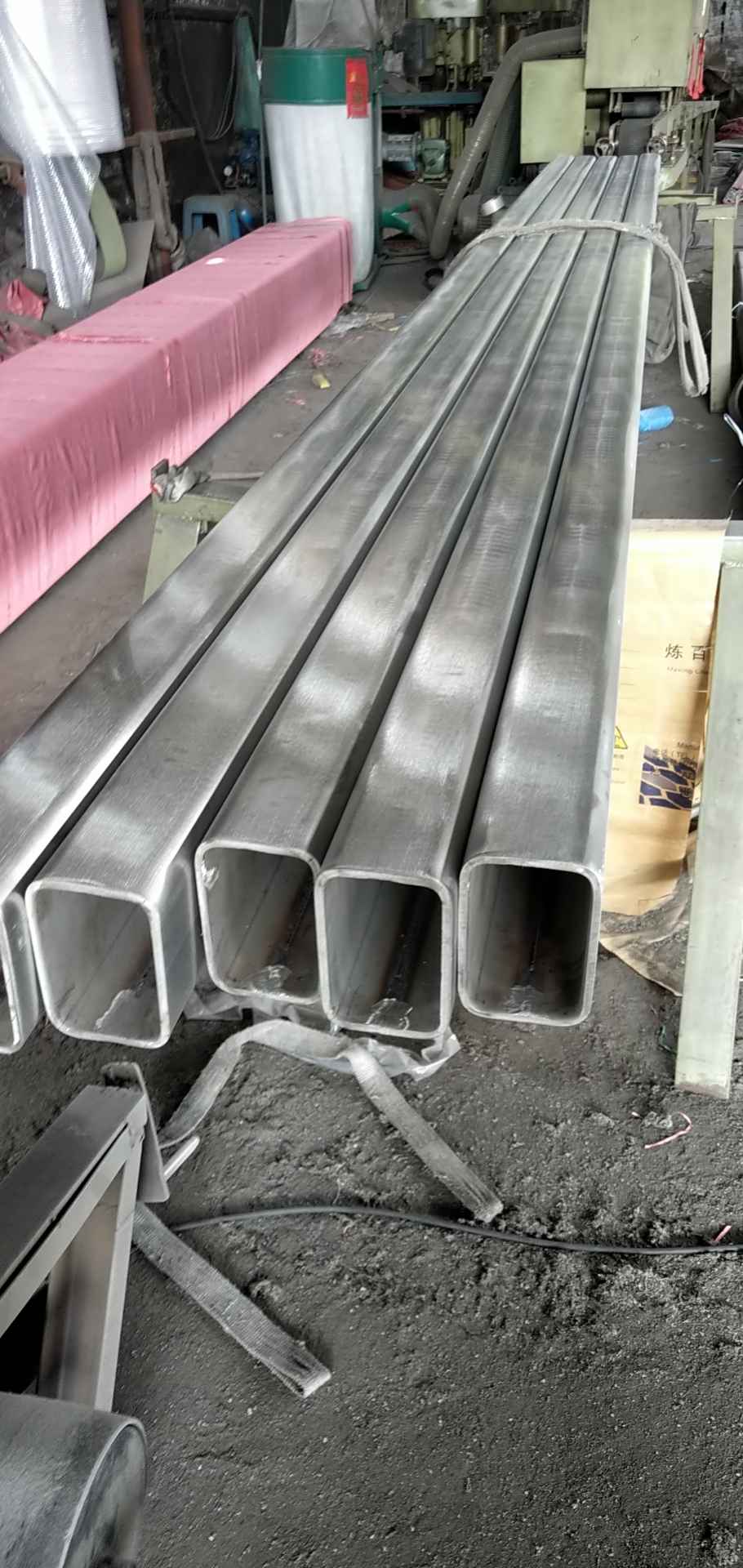
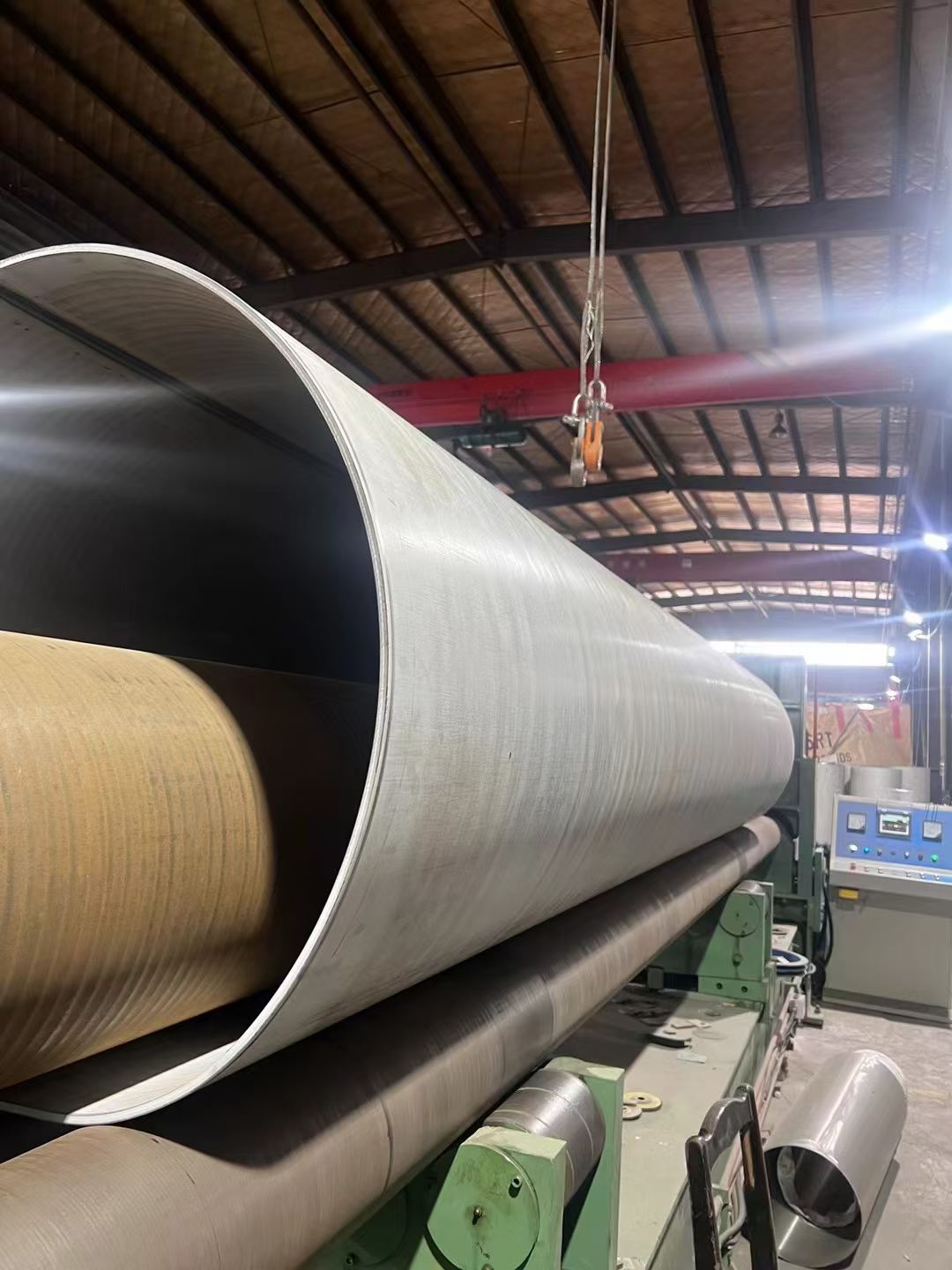
300 series stainless steel
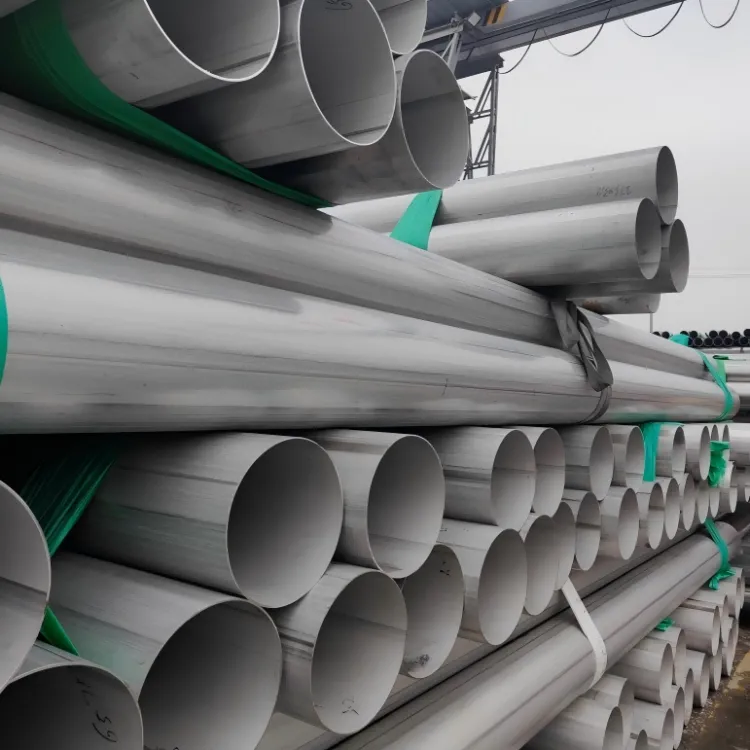
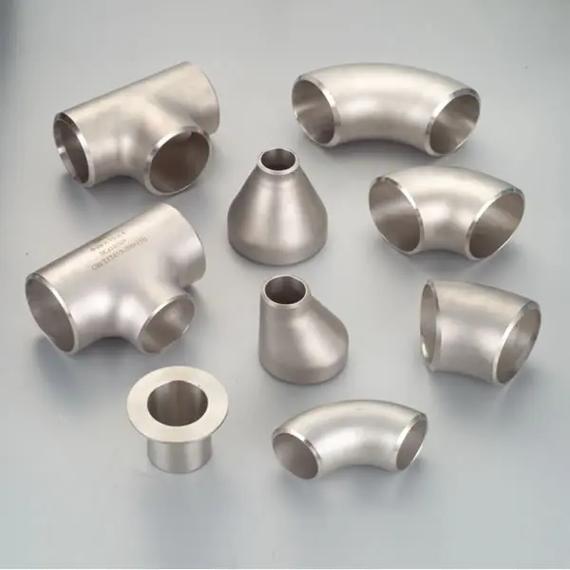
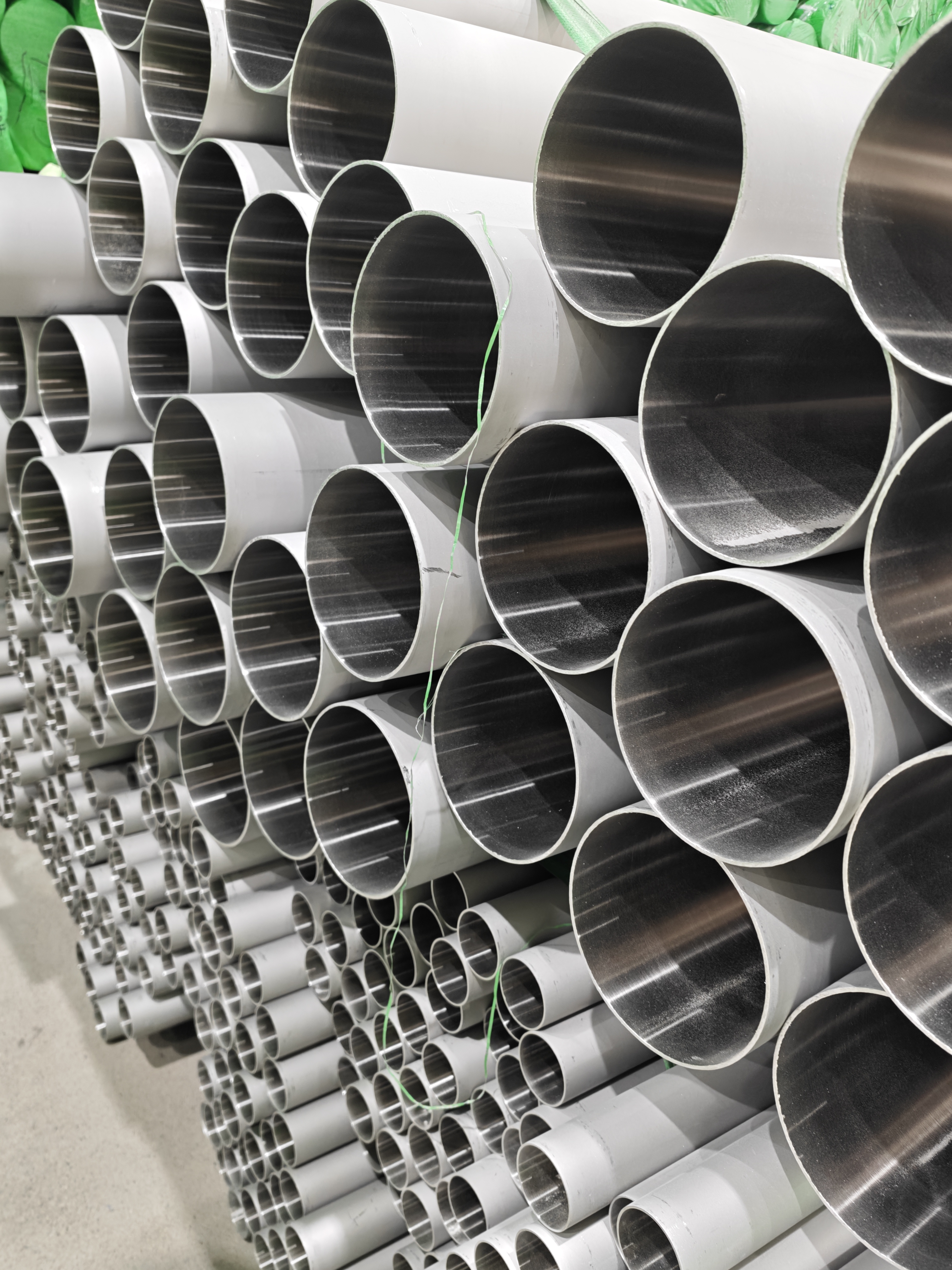
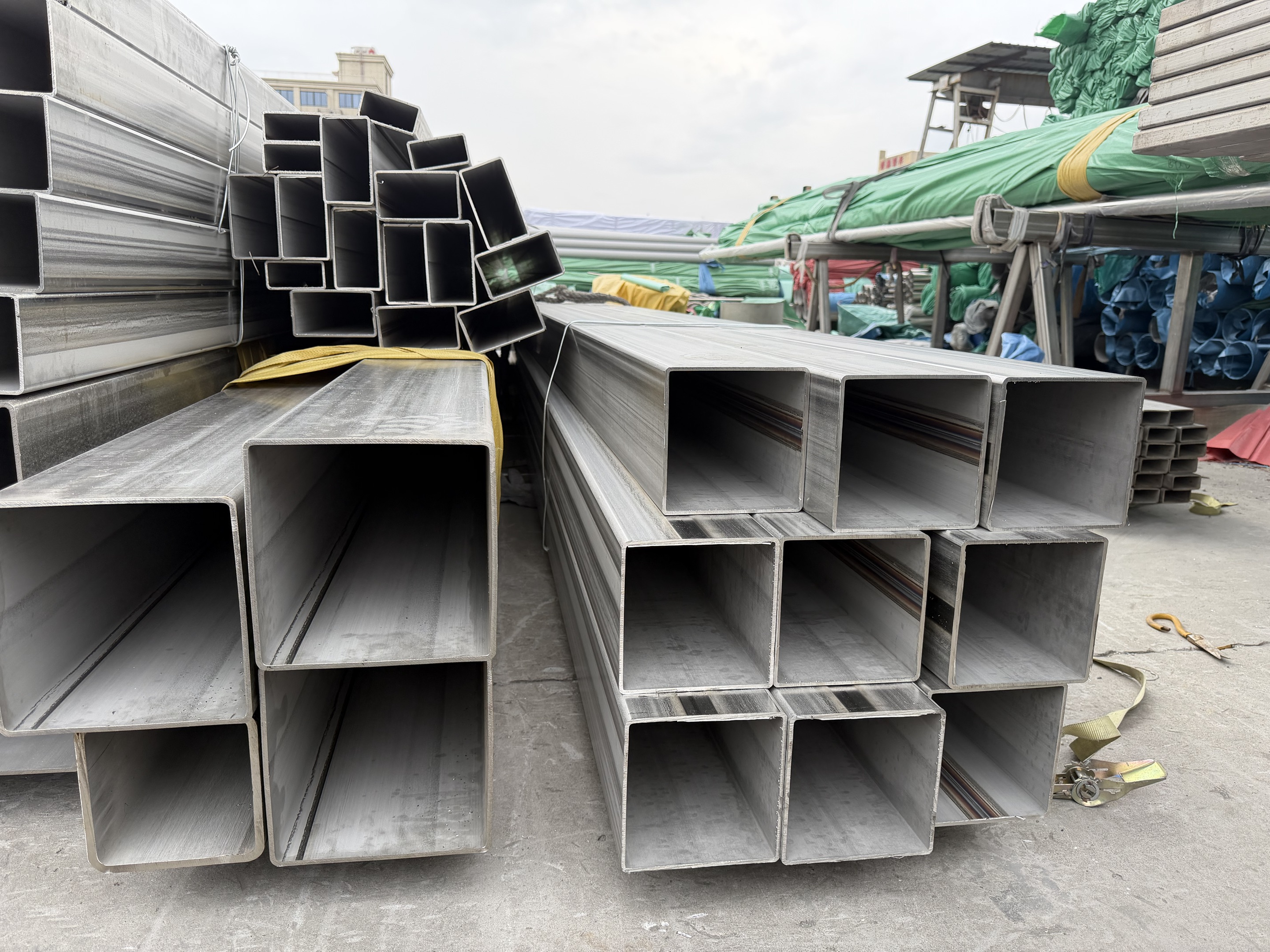
300 series stainless steel represents one of the most versatile and widely utilized stainless steel families in modern manufacturing and construction. This austenitic stainless steel classification, which includes grades like 304 and 316, delivers exceptional performance characteristics that make it the preferred choice for countless industrial applications. The 300 series stainless steel family offers superior corrosion resistance, making it ideal for environments exposed to moisture, chemicals, and harsh atmospheric conditions. These grades maintain their structural integrity even at elevated temperatures, providing reliable performance in demanding operational scenarios. 300 series stainless steel exhibits excellent formability and weldability, allowing manufacturers to create complex shapes and components without compromising material quality. The chromium and nickel content in 300 series stainless steel creates a protective passive layer that prevents rust and degradation. Beyond basic corrosion protection, this material demonstrates remarkable toughness at both low and high temperatures, ensuring consistent performance across diverse climatic conditions. Common applications of 300 series stainless steel include food processing equipment, pharmaceutical manufacturing, marine infrastructure, and architectural components. The non-magnetic properties of certain 300 series stainless steel grades make them suitable for specialized applications requiring non-ferrous materials. Overall, 300 series stainless steel provides reliable, cost-effective solutions for industries demanding durability, hygiene, and long-term performance.
 EN
EN