300 Series Stainless Steel: Superior Corrosion Resistance and Durability Solutions

All Categories

Get a Free Quote

Our representative will contact you soon.
Email
Mobile/WhatsApp
Name
Company Name
Message
0/1000

300 series stainless

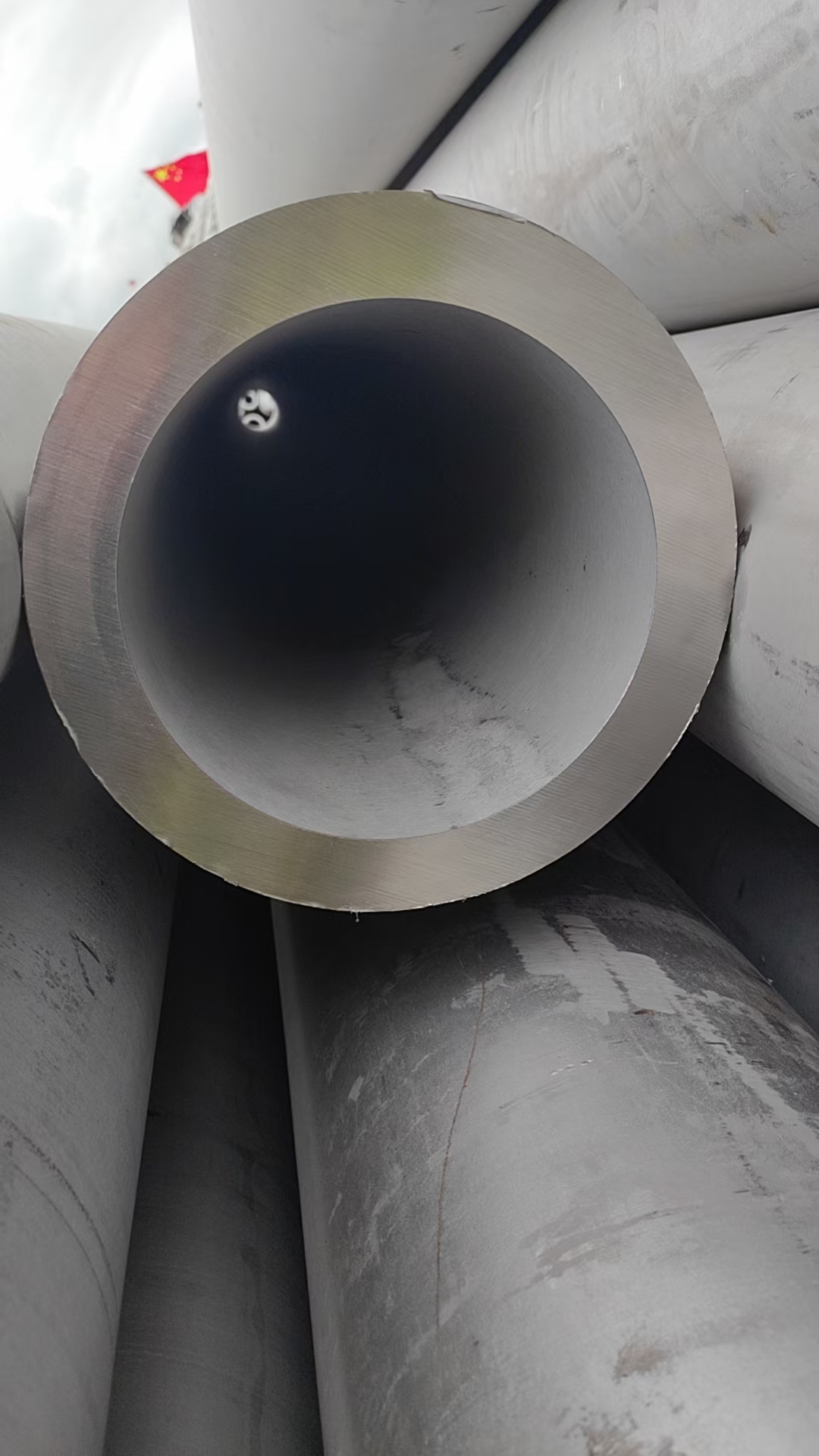
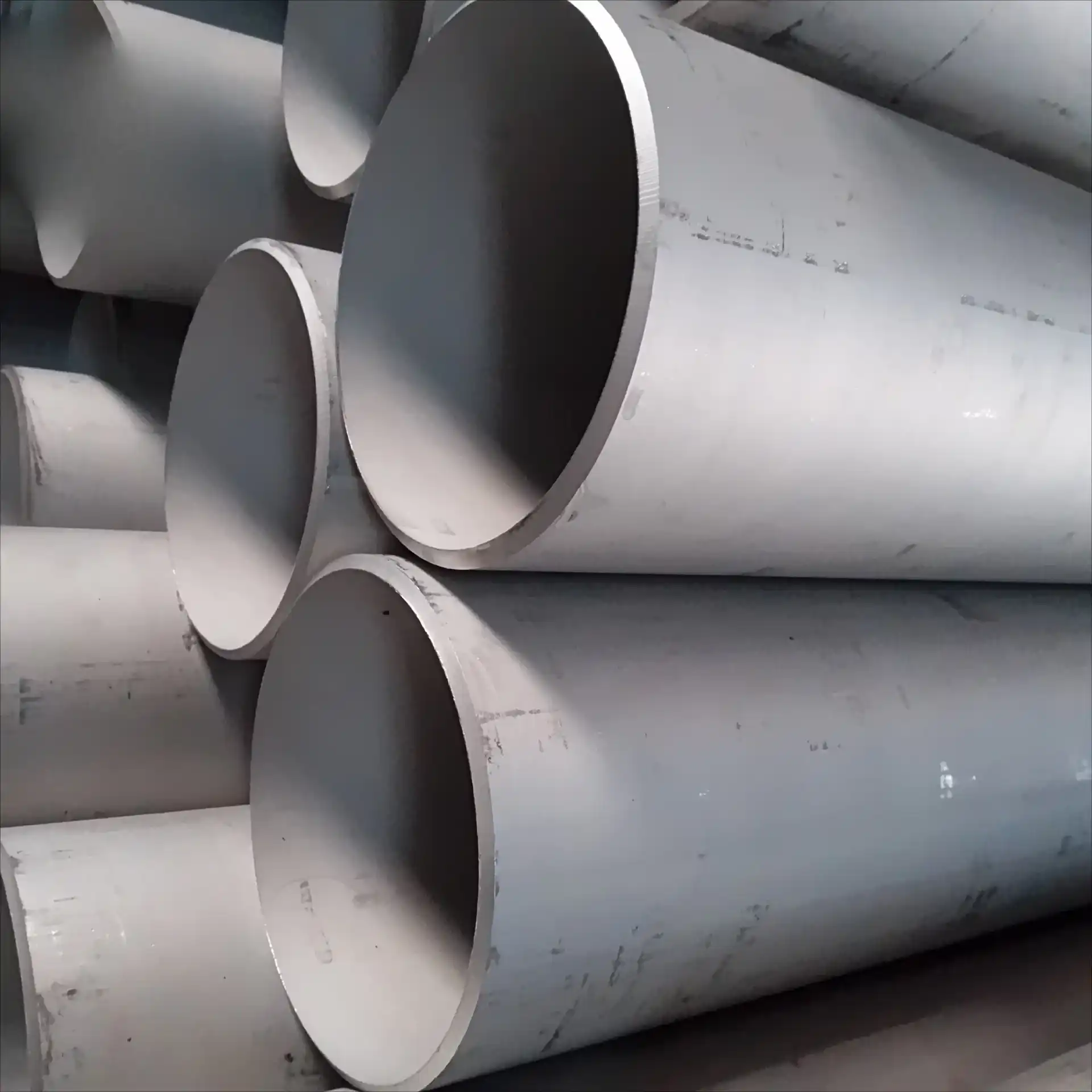
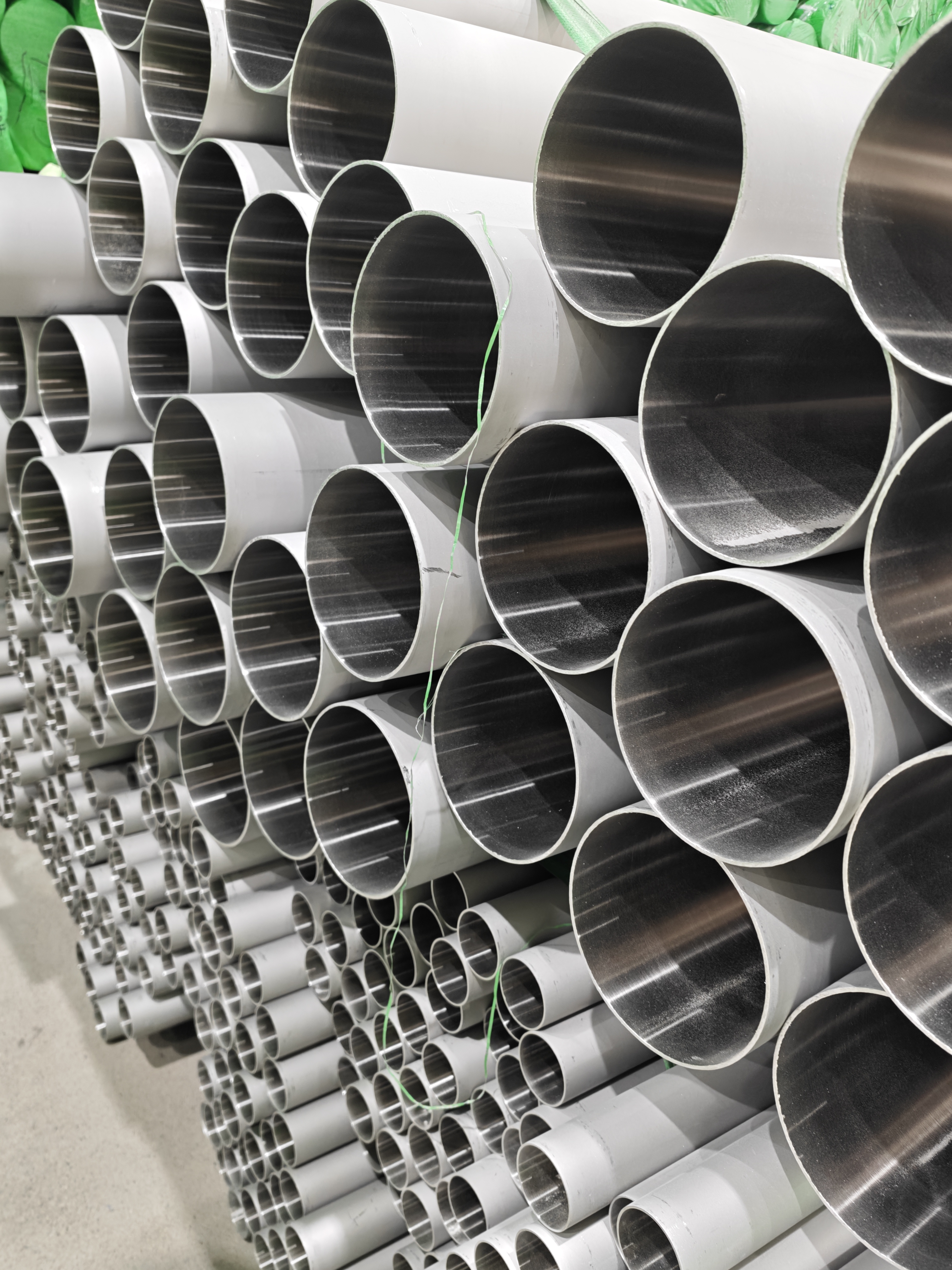
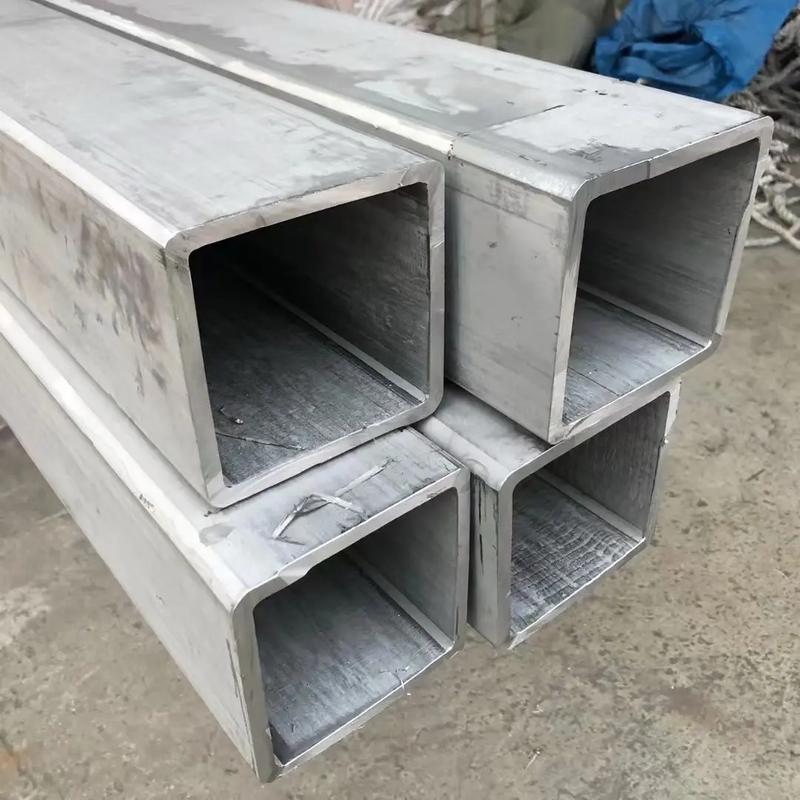
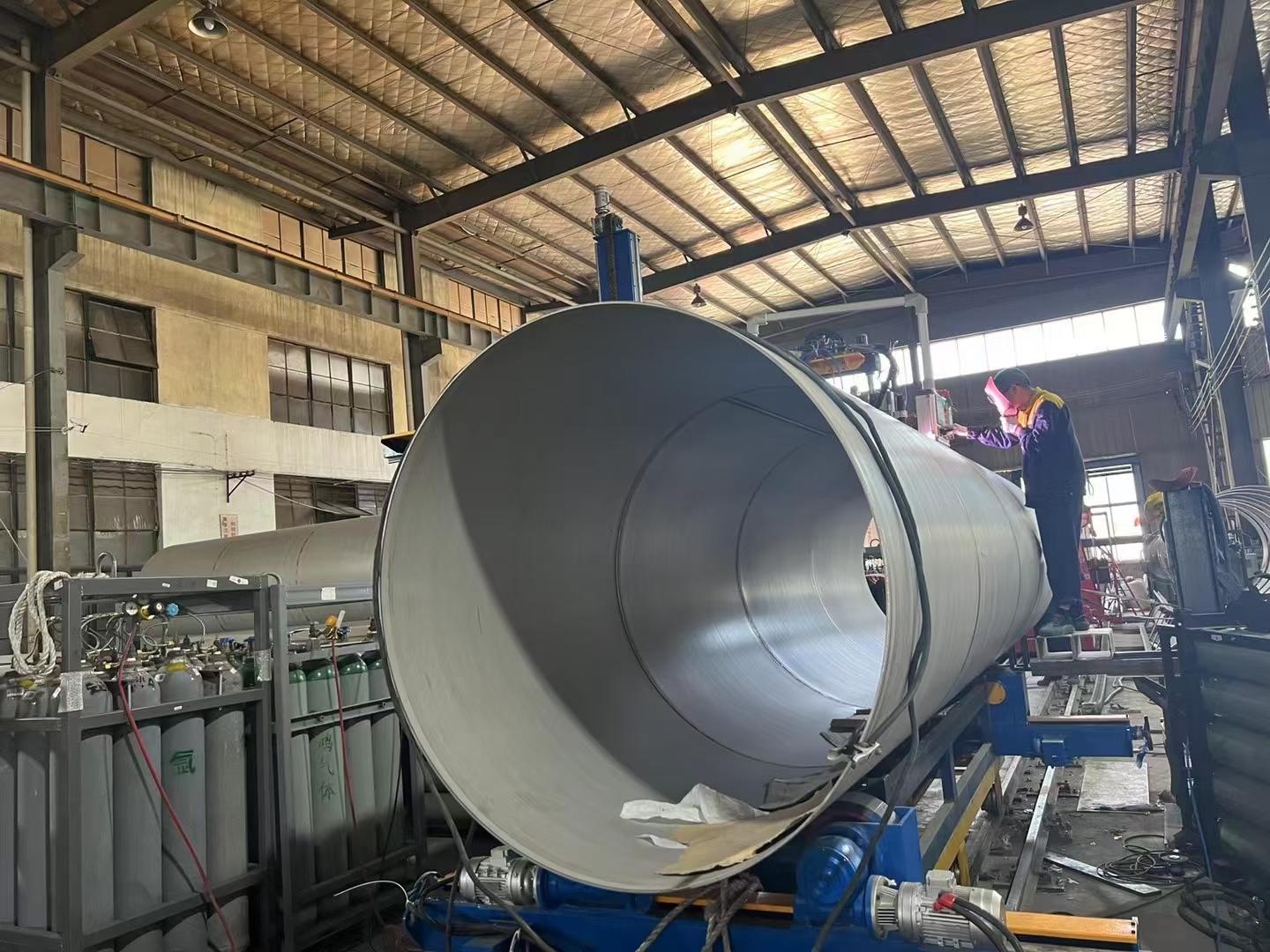
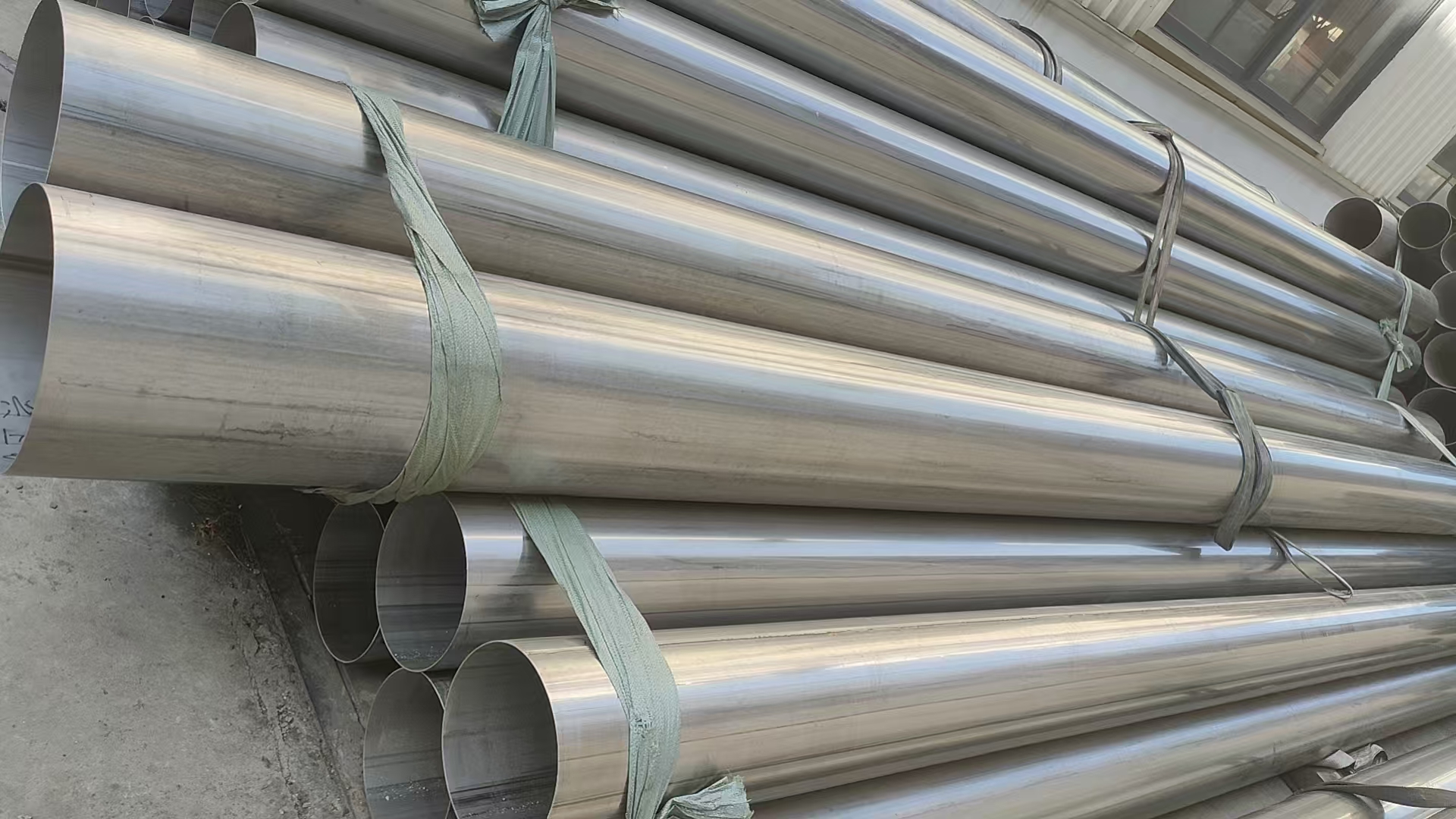
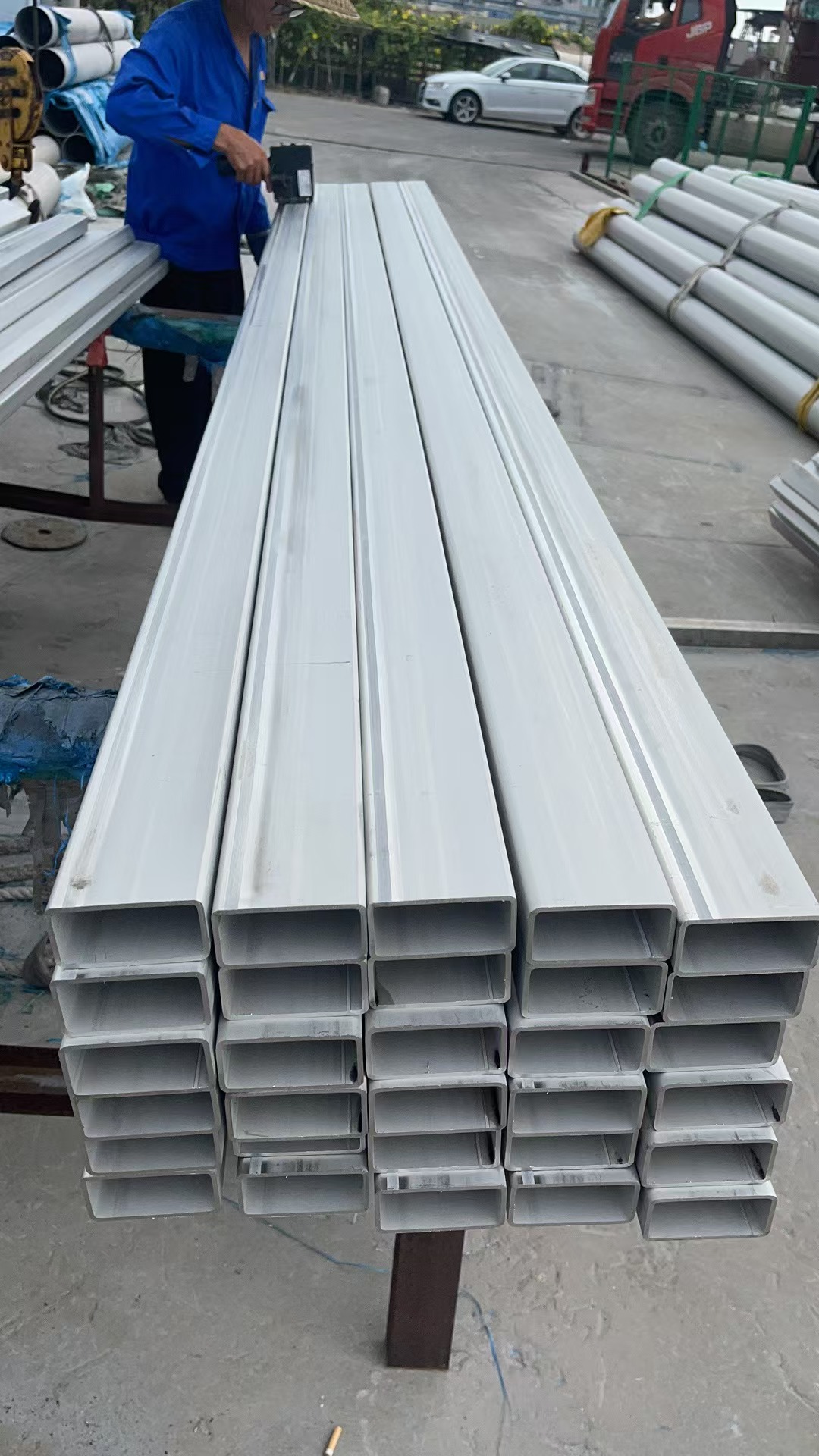
The 300 series stainless steel represents a comprehensive family of austenitic stainless steel alloys that have become the industry standard for countless applications worldwide. This remarkable series encompasses various grades, with 304 and 316 being the most widely recognized and utilized. The 300 series stainless steel derives its exceptional properties from a carefully balanced chemical composition that includes chromium, nickel, and other alloying elements that work together to create a material with outstanding versatility and performance characteristics. The fundamental structure of 300 series stainless steel features an austenitic crystalline arrangement that remains stable at room temperature, providing the foundation for its exceptional mechanical properties and corrosion resistance. This austenitic structure is achieved through the addition of sufficient nickel content, typically ranging from 8 to 20 percent depending on the specific grade. The chromium content, usually between 18 and 20 percent, forms a passive oxide layer on the surface that provides the material's signature corrosion resistance. The main functions of 300 series stainless steel center around its ability to resist corrosion, maintain structural integrity under various temperature conditions, and provide excellent formability for manufacturing processes. These steels excel in environments where traditional carbon steels would quickly deteriorate, making them indispensable for applications requiring long-term durability and reliability. The technological features that distinguish 300 series stainless steel include its non-magnetic properties in the annealed condition, excellent weldability, and superior ductility that allows for complex forming operations. The series demonstrates remarkable temperature stability, maintaining its mechanical properties across a wide temperature range from cryogenic conditions to elevated temperatures exceeding 1000 degrees Fahrenheit. Applications for 300 series stainless steel span virtually every industry imaginable, from food processing equipment and kitchen appliances to chemical processing plants and architectural structures. The material's biocompatibility makes it essential for medical device manufacturing, while its aesthetic appeal and low maintenance requirements make it popular for decorative applications and building facades.

New Product Recommendations

The advantages of 300 series stainless steel create compelling reasons for engineers, architects, and manufacturers to choose this material over alternatives. The exceptional corrosion resistance stands as the primary advantage, allowing structures and components to withstand exposure to moisture, chemicals, and atmospheric conditions that would destroy ordinary metals. This corrosion resistance translates directly into reduced maintenance costs and extended service life, providing significant economic benefits over the product lifecycle. The material resists rust, staining, and pitting even in challenging environments, ensuring that your investment maintains its appearance and functionality for decades. Cost-effectiveness emerges as another major advantage when considering the total cost of ownership. While the initial material cost may be higher than carbon steel or other alternatives, the 300 series stainless steel delivers substantial savings through reduced maintenance, longer replacement intervals, and minimal downtime. The material eliminates the need for protective coatings, painting, or frequent replacements that other materials require, resulting in lower lifecycle costs and improved return on investment. Manufacturing flexibility represents a significant advantage that appeals to fabricators and engineers alike. The 300 series stainless steel exhibits excellent formability, allowing for complex shapes, deep drawing operations, and intricate designs without cracking or failure. This versatility enables manufacturers to create sophisticated products and architectural elements that would be impossible or prohibitively expensive with other materials. The excellent weldability ensures strong, reliable joints that maintain the corrosion resistance of the base material. Hygiene and cleanliness advantages make 300 series stainless steel the preferred choice for food processing, pharmaceutical, and medical applications. The smooth, non-porous surface prevents bacterial growth and allows for easy cleaning and sterilization. This characteristic ensures compliance with strict health and safety regulations while maintaining product quality and consumer safety. The material's chemical inertness prevents contamination of food products, pharmaceuticals, and other sensitive materials. Temperature performance advantages allow 300 series stainless steel to maintain its properties across extreme temperature ranges. Components can operate reliably from cryogenic temperatures to high-heat applications without degradation of mechanical properties or corrosion resistance. This temperature stability eliminates the need for multiple materials in applications with varying temperature conditions, simplifying design and reducing inventory requirements. Aesthetic advantages cannot be overlooked, as 300 series stainless steel provides an attractive, modern appearance that enhances the visual appeal of products and structures. The material maintains its lustrous finish over time, resisting discoloration and maintaining a professional appearance that reflects quality and reliability.

Tips And Tricks

Strongwin Stainless Steel Group Achieves ISO 90012015 Certification and AD 2000 Merkblatt Approval

28

Feb

Strongwin Stainless Steel Group Achieves ISO 90012015 Certification and AD 2000 Merkblatt Approval

View More
Strongwin Stainless Steel Group Announces Major Production Capacity Expansion to Meet Growing Global Demand

11

Mar

Strongwin Stainless Steel Group Announces Major Production Capacity Expansion to Meet Growing Global Demand

View More
Strongwin Stainless Steel Group Announces Strategic Partnership with Leading European Engineering Firm

11

Mar

Strongwin Stainless Steel Group Announces Strategic Partnership with Leading European Engineering Firm

View More

Get a Free Quote

Our representative will contact you soon.
Email
Mobile/WhatsApp
Name
Company Name
Message
0/1000

300 series stainless

Superior Corrosion Resistance Technology

Superior Corrosion Resistance Technology

The superior corrosion resistance technology of 300 series stainless steel represents one of the most significant technological achievements in metallurgy, providing unparalleled protection against environmental degradation. This remarkable resistance stems from the formation of a passive chromium oxide layer that spontaneously develops on the surface when chromium content exceeds 10.5 percent, with 300 series stainless steel typically containing 18-20 percent chromium for optimal protection. This invisible protective layer acts as a barrier between the underlying steel and corrosive elements in the environment, effectively preventing oxidation, rust formation, and chemical attack. The self-healing nature of this passive layer ensures that even if the surface is scratched or damaged, the chromium oxide layer quickly reforms, maintaining continuous protection without requiring external intervention or maintenance. The corrosion resistance technology of 300 series stainless steel excels in diverse environments, from marine atmospheres with high salt content to industrial settings with chemical exposure. This versatility makes it invaluable for applications ranging from coastal architectural structures to chemical processing equipment, where traditional materials would fail rapidly and require frequent replacement. The resistance extends to various forms of corrosion, including uniform corrosion, pitting corrosion, crevice corrosion, and stress corrosion cracking, providing comprehensive protection that ensures long-term reliability and performance. The economic impact of this corrosion resistance technology cannot be overstated, as it eliminates the recurring costs associated with corrosion-related maintenance, repairs, and replacements. Facilities using 300 series stainless steel experience dramatically reduced downtime, as components maintain their integrity and functionality for extended periods without degradation. This reliability translates into increased productivity, reduced operational costs, and improved safety, as the risk of unexpected failures due to corrosion is virtually eliminated. The environmental benefits of superior corrosion resistance technology align with modern sustainability goals, as the extended lifespan of 300 series stainless steel components reduces the need for raw material extraction, manufacturing energy consumption, and waste generation associated with frequent replacements. This sustainability aspect makes 300 series stainless steel an environmentally responsible choice that supports green building initiatives and corporate sustainability programs while delivering superior performance and reliability.
Exceptional Versatility and Formability

Exceptional Versatility and Formability

The exceptional versatility and formability of 300 series stainless steel establish it as the preferred material for complex manufacturing processes and diverse applications across multiple industries. This remarkable characteristic stems from the austenitic crystal structure that provides superior ductility and work-hardening properties, allowing the material to be formed into intricate shapes without cracking, splitting, or losing its essential properties. The high nickel content in 300 series stainless steel contributes significantly to this formability, creating a stable austenitic structure that remains non-magnetic and maintains excellent ductility even after extensive cold working operations. This formability advantage enables manufacturers to create complex geometries, deep-drawn components, and architectural elements that would be impossible or economically unfeasible with other materials. The versatility of 300 series stainless steel extends beyond simple forming operations to include advanced manufacturing techniques such as hydroforming, roll forming, and progressive stamping. These capabilities allow for the production of sophisticated components with tight tolerances and consistent quality, meeting the demanding requirements of industries such as aerospace, automotive, and precision instrumentation. The material's ability to maintain its properties during forming operations ensures that finished components retain their corrosion resistance, strength, and appearance, eliminating the need for post-forming treatments or protective coatings. The welding versatility of 300 series stainless steel represents another crucial aspect of its formability, as it can be joined using various welding processes including TIG, MIG, and resistance welding methods. The excellent weldability ensures strong, corrosion-resistant joints that maintain the integrity of the base material, allowing for the construction of complex assemblies and structures. This welding capability, combined with the material's formability, enables the creation of custom solutions that meet specific application requirements without compromising performance or reliability. The machining versatility of 300 series stainless steel accommodates various cutting, drilling, and finishing operations, although it requires specialized techniques due to its work-hardening characteristics. Proper machining parameters and tooling selection enable the production of precision components with excellent surface finishes and dimensional accuracy. This machinability, combined with the material's formability, provides manufacturers with complete flexibility in producing components that meet exact specifications and performance requirements. The design flexibility offered by 300 series stainless steel versatility allows engineers and architects to push the boundaries of creativity while maintaining structural integrity and performance. Complex architectural features, artistic installations, and innovative product designs become achievable when utilizing the exceptional formability and versatility of this remarkable material family.
Outstanding Durability and Longevity Performance

Outstanding Durability and Longevity Performance

The outstanding durability and longevity performance of 300 series stainless steel represents a fundamental value proposition that delivers exceptional return on investment through extended service life and minimal maintenance requirements. This remarkable durability stems from the synergistic combination of corrosion resistance, mechanical strength, and structural stability that characterizes the entire 300 series stainless steel family. The material's ability to maintain its properties over decades of service, even in challenging environments, makes it the preferred choice for applications where long-term reliability is paramount. The longevity performance of 300 series stainless steel is evidenced by structures and components that have remained in service for over fifty years while maintaining their original appearance and functionality, demonstrating the material's exceptional resistance to degradation and wear. The mechanical durability of 300 series stainless steel encompasses its ability to withstand mechanical stress, fatigue loading, and impact forces without failure or degradation. The austenitic structure provides excellent toughness and ductility, allowing the material to absorb energy and deform without brittle failure, even at low temperatures where other materials become brittle and prone to cracking. This mechanical reliability ensures that components continue to perform their intended function throughout their service life, reducing the risk of unexpected failures and associated safety hazards. The fatigue resistance of 300 series stainless steel enables it to withstand millions of loading cycles without crack initiation or propagation, making it ideal for applications involving cyclic stresses or vibration. The thermal durability of 300 series stainless steel allows it to maintain its properties across a wide temperature range, from cryogenic applications to elevated temperature service. This thermal stability prevents degradation of mechanical properties, corrosion resistance, or structural integrity when exposed to temperature variations or thermal cycling. The material's low thermal expansion coefficient minimizes thermal stresses and dimensional changes, ensuring that assemblies maintain proper fit and function throughout temperature excursions. The chemical durability of 300 series stainless steel extends its longevity by resisting attack from a wide range of chemicals, acids, and alkaline solutions that would rapidly degrade other materials. This chemical resistance ensures that components maintain their integrity and performance when exposed to cleaning agents, process chemicals, or environmental contaminants. The combination of chemical and corrosion resistance eliminates the progressive deterioration that affects other materials, ensuring consistent performance throughout the service life. The economic benefits of outstanding durability and longevity performance translate into significant cost savings through reduced replacement frequency, minimal maintenance requirements, and decreased downtime for repairs or component changes. The extended service life of 300 series stainless steel components allows for longer depreciation schedules and improved asset utilization, contributing to better financial performance and operational efficiency.

Get a Free Quote

Our representative will contact you soon.
Email
Mobile/WhatsApp
Name
Company Name
Message
0/1000