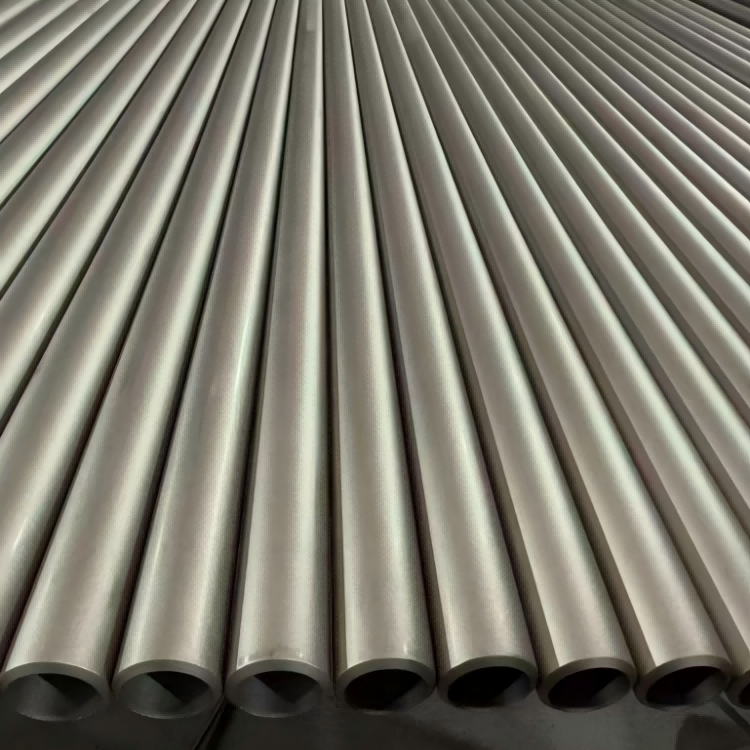
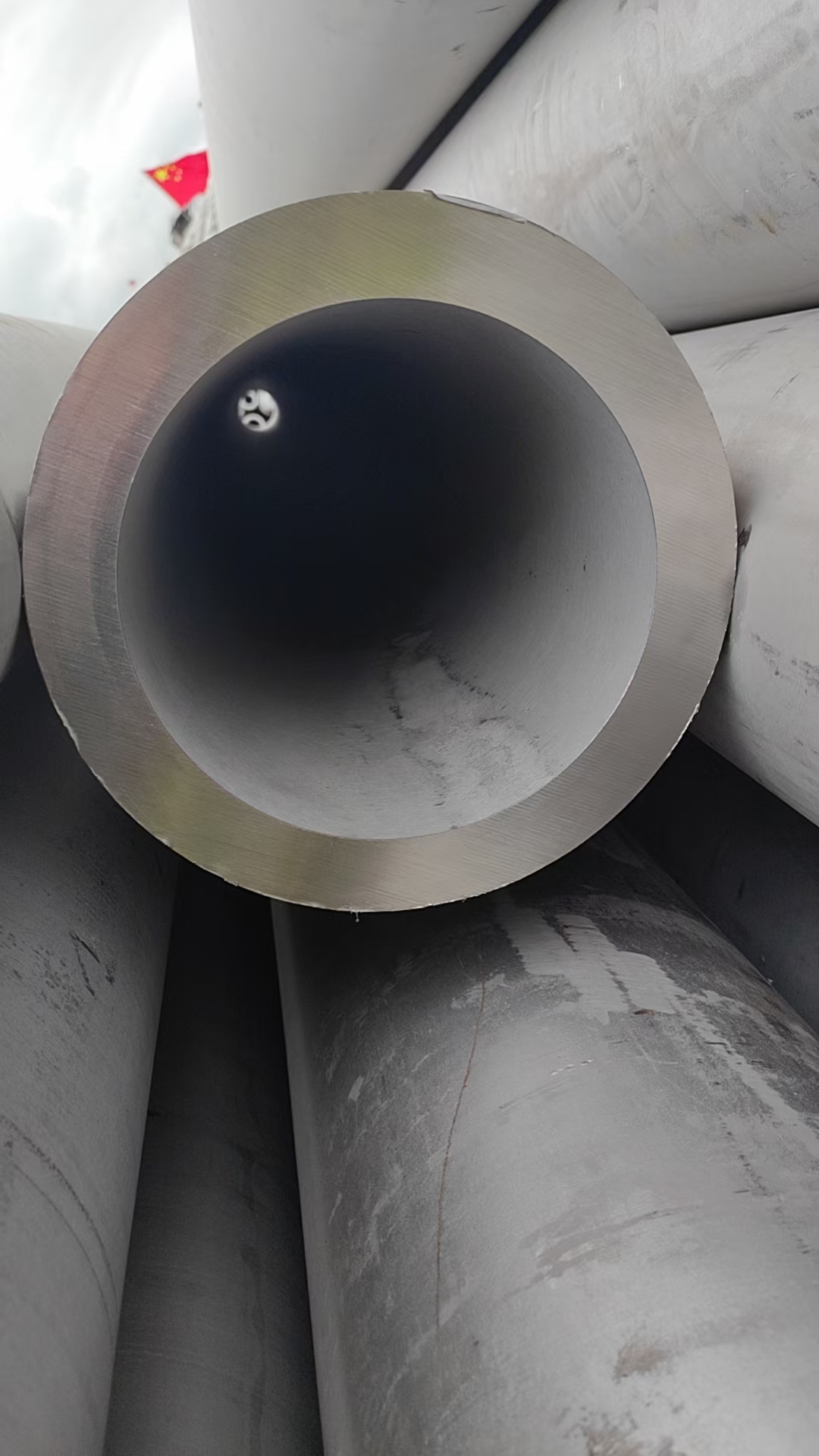
difference between seamless and erw pipe
Understanding the difference between seamless and ERW pipe is crucial for engineers, contractors, and industrial professionals who need to select the right piping solution for their projects. These two distinct manufacturing processes create pipes with fundamentally different characteristics, performance capabilities, and cost structures. Seamless pipes are manufactured through a hot rolling process where a solid steel billet is heated and pierced to create a hollow tube without any welded seams. This manufacturing method ensures uniform wall thickness and exceptional structural integrity throughout the entire pipe length. The absence of welded joints eliminates potential weak points that could compromise performance under extreme conditions. ERW pipes, or Electric Resistance Welded pipes, are produced by forming flat steel strips into cylindrical shapes and welding the seam using electric resistance welding technology. This process creates a longitudinal weld seam that runs the entire length of the pipe. The technological features of seamless pipes include superior pressure resistance, enhanced corrosion resistance, and consistent dimensional accuracy. These pipes can withstand higher internal pressures and temperatures, making them ideal for critical applications in oil and gas, petrochemical, and power generation industries. ERW pipes feature cost-effective production methods, excellent surface finish, and precise dimensional control. The welding process allows for tighter dimensional tolerances and smoother internal surfaces compared to some seamless alternatives. Applications for seamless pipes typically include high-pressure boiler tubes, hydraulic cylinders, automotive components, and offshore drilling equipment where reliability is paramount. ERW pipes find extensive use in structural applications, water transmission systems, construction projects, and general industrial applications where moderate pressure requirements exist. The difference between seamless and ERW pipe extends beyond manufacturing methods to encompass mechanical properties, cost considerations, and suitability for specific operational environments.