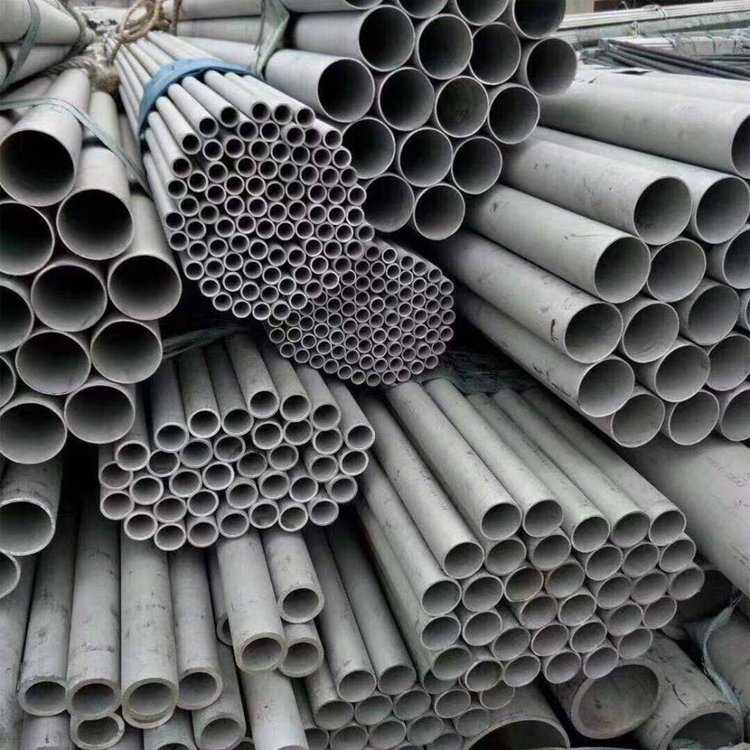
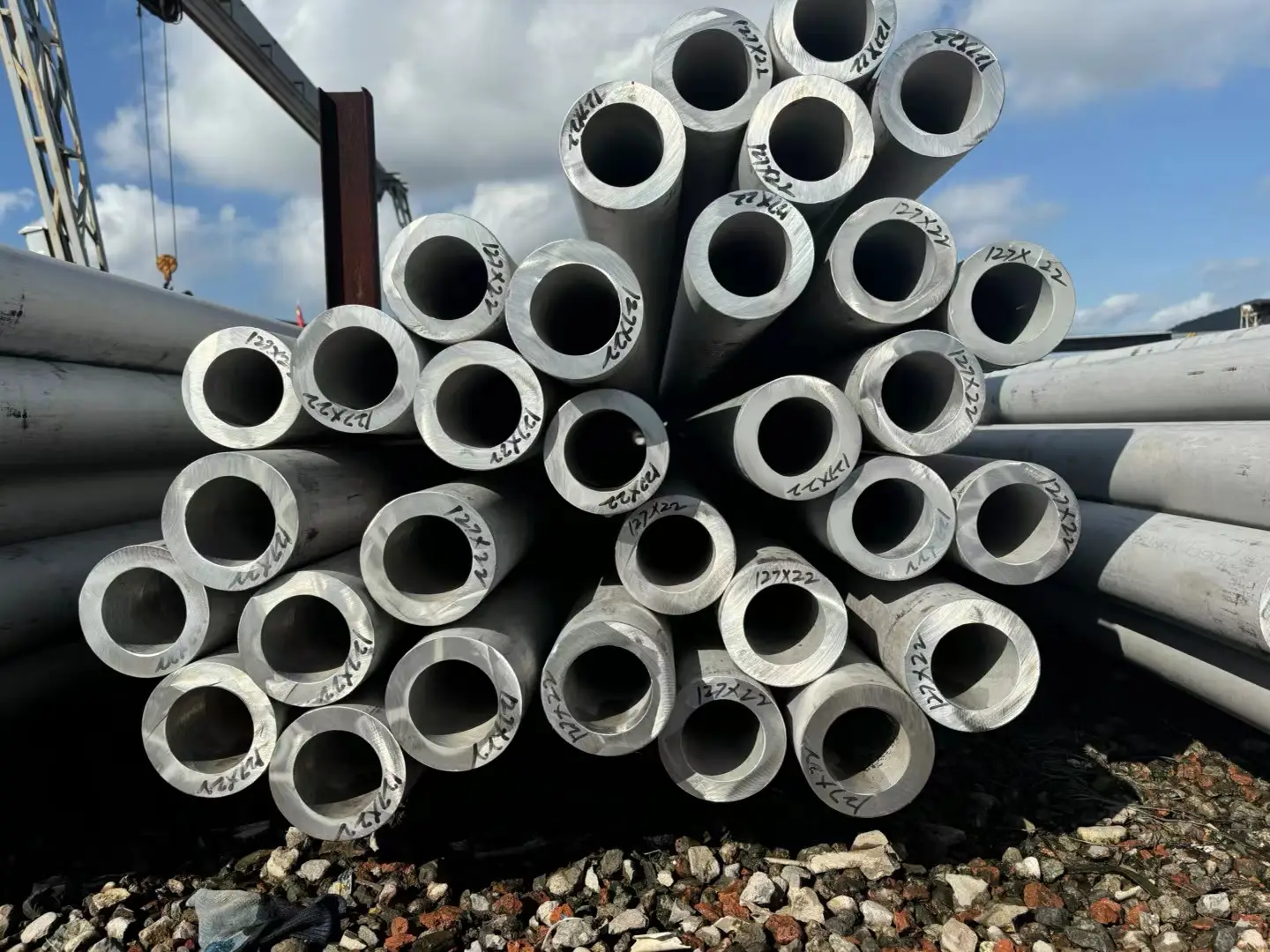
ERW Pipe vs Seamless Pipe: Complete Comparison Guide for Industrial Applications

All Categories

Get a Free Quote

Our representative will contact you soon.
Email
Mobile/WhatsApp
Name
Company Name
Message
0/1000

erw pipe vs seamless pipe

When selecting steel pipes for industrial applications, understanding the differences in ERW pipe vs seamless pipe becomes crucial for making informed decisions. ERW pipes, manufactured through Electric Resistance Welding, represent a cost-effective solution where steel strips are formed into cylindrical shapes and welded along a longitudinal seam. This manufacturing process creates pipes with consistent wall thickness and reliable structural integrity. The technological features of ERW pipes include precise dimensional control, uniform chemical composition, and excellent surface finish. These pipes typically range from 1/2 inch to 24 inches in diameter, making them suitable for various applications including water transmission, oil and gas distribution, structural purposes, and HVAC systems. Seamless pipes, conversely, are produced through hot rolling or cold drawing processes without any welded joints. The manufacturing involves piercing solid steel billets to create hollow tubes, resulting in pipes with superior strength characteristics and enhanced pressure resistance. The absence of weld seams eliminates potential weak points, making seamless pipes ideal for high-pressure applications. When comparing ERW pipe vs seamless pipe, seamless variants typically offer higher tensile strength, better corrosion resistance, and superior performance under extreme temperatures. However, seamless pipes generally cost more due to complex manufacturing processes and material waste. The applications for seamless pipes include high-pressure boiler tubes, hydraulic cylinders, automotive components, and critical infrastructure projects where safety margins cannot be compromised. Both pipe types serve distinct market segments, with ERW pipes dominating cost-sensitive applications while seamless pipes excel in demanding environments requiring maximum reliability and performance standards.

New Product Recommendations

The comparison of ERW pipe vs seamless pipe reveals distinct advantages that cater to different project requirements and budget considerations. ERW pipes offer significant cost savings, typically priced 15-25% lower than equivalent seamless alternatives. This cost advantage stems from efficient manufacturing processes that minimize material waste and reduce production time. The welding technology used in ERW pipe production has advanced considerably, incorporating sophisticated quality control measures that ensure consistent weld integrity throughout the pipe length. Modern ERW pipes feature improved corrosion resistance through advanced coating technologies and precise chemical composition control. The dimensional accuracy of ERW pipes often surpasses seamless pipes due to controlled forming processes that maintain uniform wall thickness and precise outer diameter specifications. Installation advantages include lighter weight compared to seamless pipes with equivalent specifications, reducing transportation costs and simplifying handling procedures. ERW pipes also provide excellent machinability, allowing for easy threading, cutting, and fitting modifications on-site. The availability of ERW pipes in various grades and specifications makes them versatile for diverse applications. Seamless pipes demonstrate superior performance characteristics in high-pressure environments, offering enhanced safety margins that prove critical in demanding applications. The absence of longitudinal welds eliminates potential failure points, providing uniform strength distribution across the entire pipe circumference. Seamless pipes exhibit better fatigue resistance under cyclic loading conditions, making them preferred choices for dynamic applications. The manufacturing process of seamless pipes creates refined grain structures that enhance mechanical properties and improve resistance to stress corrosion cracking. When evaluating ERW pipe vs seamless pipe for specific projects, seamless options provide better performance in extreme temperature conditions, maintaining structural integrity at both high and low temperature extremes. The smooth internal surface of seamless pipes reduces friction losses in fluid transport applications, improving flow efficiency and reducing pumping costs over time. Quality assurance for seamless pipes typically involves more rigorous testing procedures, including ultrasonic and eddy current inspections that detect minute imperfections. Both pipe types offer distinct advantages depending on application requirements, with ERW pipes excelling in cost-conscious projects while seamless pipes dominate performance-critical installations.

Practical Tips

Strongwin Stainless Steel Group Achieves ISO 90012015 Certification and AD 2000 Merkblatt Approval

28

Feb

Strongwin Stainless Steel Group Achieves ISO 90012015 Certification and AD 2000 Merkblatt Approval

View More
Strongwin Stainless Steel Group Announces Major Production Capacity Expansion to Meet Growing Global Demand

11

Mar

Strongwin Stainless Steel Group Announces Major Production Capacity Expansion to Meet Growing Global Demand

View More
Strongwin Stainless Steel Group Announces Strategic Partnership with Leading European Engineering Firm

11

Mar

Strongwin Stainless Steel Group Announces Strategic Partnership with Leading European Engineering Firm

View More

Get a Free Quote

Our representative will contact you soon.
Email
Mobile/WhatsApp
Name
Company Name
Message
0/1000

erw pipe vs seamless pipe

Cost-Effectiveness and Manufacturing Efficiency in ERW Pipe vs Seamless Pipe

Cost-Effectiveness and Manufacturing Efficiency in ERW Pipe vs Seamless Pipe

The economic advantages of ERW pipes become particularly evident when analyzing the total project costs and long-term value proposition. In the comparison of ERW pipe vs seamless pipe, ERW variants consistently deliver superior cost-effectiveness without compromising essential performance characteristics. The manufacturing process efficiency translates directly into customer savings, with ERW pipes typically costing 20-30% less than comparable seamless alternatives. This cost difference becomes substantial in large-scale projects where hundreds or thousands of feet of piping are required. The production efficiency of ERW pipes stems from continuous manufacturing processes that minimize material waste and maximize throughput. Unlike seamless pipe production, which requires significant material removal during the piercing and rolling operations, ERW manufacturing utilizes steel coil efficiently with minimal waste generation. This efficiency extends beyond raw material costs to include reduced energy consumption during manufacturing, further contributing to overall cost savings. The standardized production methods for ERW pipes ensure consistent quality while maintaining competitive pricing across different market conditions. Project managers and procurement specialists increasingly recognize that ERW pipe vs seamless pipe decisions should consider total cost of ownership rather than initial purchase price alone. ERW pipes often provide equivalent service life in appropriate applications, making the lower initial investment particularly attractive. The availability of ERW pipes in standard and custom specifications means customers can obtain exactly what they need without paying premiums for over-specification. Installation cost advantages further enhance the economic appeal of ERW pipes, as their lighter weight reduces transportation expenses and simplifies handling requirements. The uniform dimensions and consistent quality of ERW pipes streamline installation processes, reducing labor costs and project timelines. Quality control advances in ERW pipe manufacturing have eliminated many historical concerns about weld integrity, ensuring reliable performance that justifies the cost savings. Modern ERW pipes undergo rigorous testing protocols that verify weld quality and overall pipe integrity, providing customers with confidence in their investment while maintaining cost advantages over seamless alternatives.
Superior Strength and Reliability Performance Characteristics

Superior Strength and Reliability Performance Characteristics

The performance superiority of seamless pipes in demanding applications represents a critical consideration when evaluating ERW pipe vs seamless pipe options for high-stress environments. Seamless pipes demonstrate exceptional strength characteristics that stem from their unique manufacturing process, which creates uniform grain structure throughout the pipe wall without introducing potential weak points associated with welded seams. This manufacturing advantage translates into higher allowable working pressures, typically 10-15% greater than equivalent ERW pipes, making seamless pipes the preferred choice for high-pressure applications in oil and gas, power generation, and chemical processing industries. The absence of longitudinal welds eliminates stress concentration points that could potentially compromise pipe integrity under extreme operating conditions. When comparing ERW pipe vs seamless pipe for critical applications, seamless variants consistently outperform in fatigue resistance testing, demonstrating superior ability to withstand cyclic loading conditions that commonly occur in dynamic systems. The metallurgical properties of seamless pipes include refined grain structures that enhance toughness and impact resistance, particularly important in applications subject to thermal cycling or mechanical vibration. Quality assurance protocols for seamless pipes typically include comprehensive non-destructive testing procedures that detect minute imperfections before pipes reach customer facilities. Ultrasonic testing, eddy current inspection, and hydrostatic pressure testing ensure that every seamless pipe meets stringent performance standards. The manufacturing process inherently produces pipes with consistent wall thickness and superior concentricity, characteristics that prove essential in precision applications requiring tight tolerances. Seamless pipes also demonstrate enhanced corrosion resistance due to uniform chemical composition and absence of heat-affected zones that can create galvanic corrosion cells. The smooth internal surface finish of seamless pipes reduces friction losses in fluid transport applications while minimizing pressure drop across pipe systems. Temperature performance represents another significant advantage, with seamless pipes maintaining structural integrity across wider temperature ranges than their ERW counterparts. This temperature stability makes seamless pipes indispensable in applications involving steam, hot oils, or cryogenic fluids where thermal stress could compromise pipe integrity. The long-term reliability of seamless pipes justifies their higher initial cost in critical applications where failure consequences would be catastrophic.
Application Versatility and Specification Flexibility

Application Versatility and Specification Flexibility

The diverse application portfolio demonstrates why choosing between ERW pipe vs seamless pipe requires careful consideration of specific project requirements and performance criteria. ERW pipes excel in applications where cost optimization takes precedence while maintaining adequate performance standards, including water distribution systems, structural applications, general construction projects, and low-to-medium pressure fluid transport systems. The manufacturing flexibility of ERW pipes allows for rapid production of custom lengths, diameters, and wall thicknesses to meet specific project requirements without significant cost penalties. This adaptability makes ERW pipes particularly attractive for construction projects with tight budgets and standard performance requirements. The consistent dimensional accuracy of modern ERW pipes ensures compatibility with standard fittings and joining systems, simplifying installation procedures and reducing project complexity. Quality improvements in ERW pipe manufacturing have expanded their application range to include more demanding environments, with enhanced welding technologies producing seams that approach seamless pipe performance characteristics. Seamless pipes dominate applications requiring maximum reliability and performance, including high-pressure boiler tubes, hydraulic systems, automotive components, aerospace applications, and critical infrastructure projects where failure is not acceptable. The superior pressure rating of seamless pipes makes them essential for steam generation systems, high-pressure gas transmission, and hydraulic power systems operating at extreme pressures. When evaluating ERW pipe vs seamless pipe for corrosive environments, seamless variants often provide better long-term performance due to uniform metallurgy and absence of potentially vulnerable weld zones. The specification flexibility of both pipe types allows engineers to select optimal solutions based on specific application requirements, with ERW pipes providing cost-effective solutions for standard applications while seamless pipes deliver premium performance for critical systems. Material grade options for both ERW and seamless pipes include carbon steel, alloy steel, and stainless steel variants, enabling precise matching of pipe characteristics to application requirements. The availability of specialized coatings and treatments for both pipe types further enhances application versatility, with options including galvanizing, epoxy coating, and specialized linings for chemical resistance. Installation considerations favor ERW pipes in applications where weight restrictions exist, while seamless pipes prove advantageous where maximum strength and reliability are paramount. The decision between ERW pipe vs seamless pipe ultimately depends on balancing performance requirements, cost constraints, and long-term reliability expectations for each specific application.

Get a Free Quote

Our representative will contact you soon.
Email
Mobile/WhatsApp
Name
Company Name
Message
0/1000