ERW vs Seamless Pipes: Complete Comparison Guide for Industrial Applications

All Categories

Get a Free Quote

Our representative will contact you soon.
Email
Mobile/WhatsApp
Name
Company Name
Message
0/1000

erw vs seamless

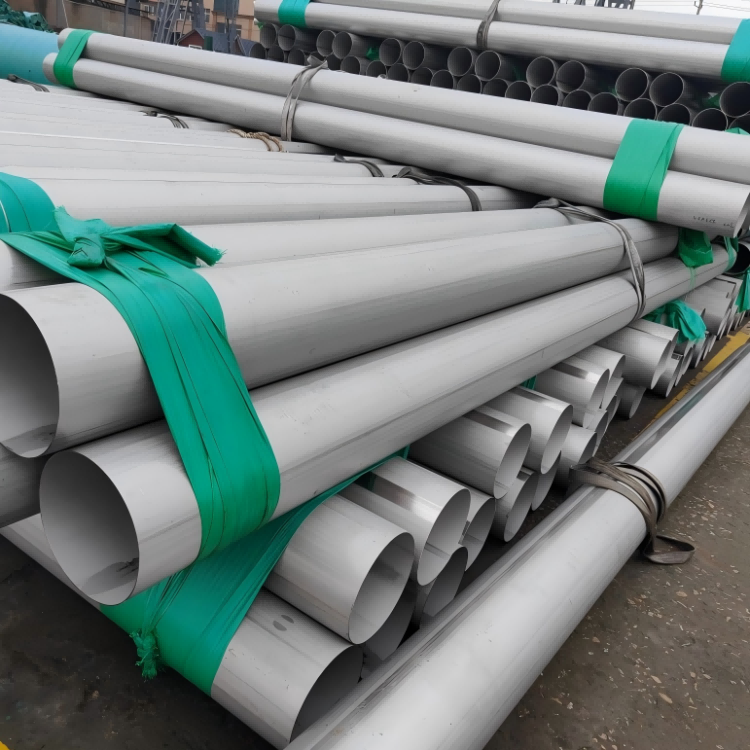
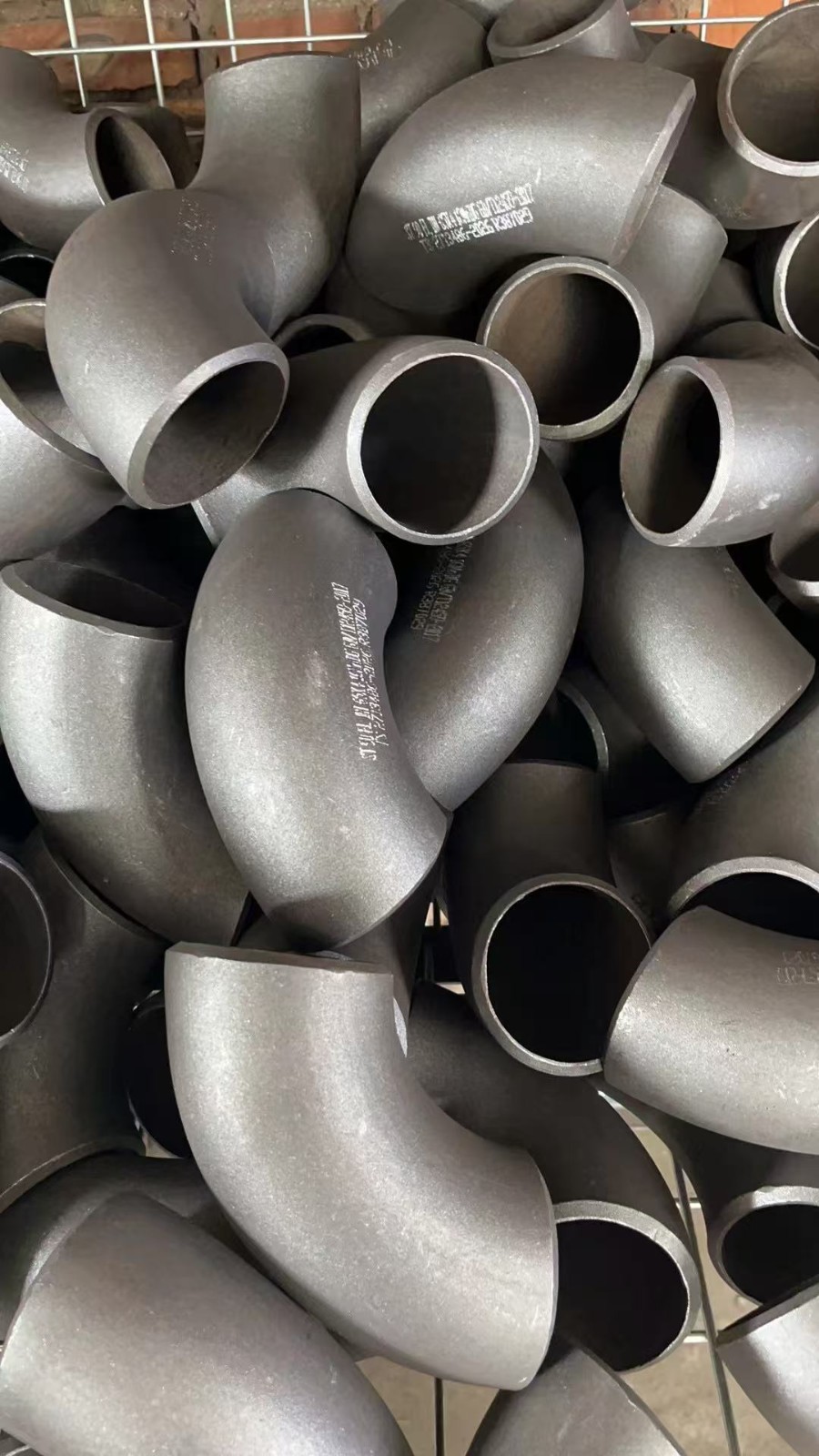
When evaluating erw vs seamless pipe manufacturing methods, understanding the fundamental differences between these two production techniques is essential for making informed decisions. Electric Resistance Welded (ERW) pipes are manufactured by forming flat steel strips into circular shapes and welding the seam using electrical resistance heat. This process creates a longitudinal weld line that runs the entire length of the pipe. Seamless pipes, conversely, are produced by piercing solid steel billets or bars without any welding process, resulting in a continuous metal structure without seams or joints. The erw vs seamless debate centers on their distinct manufacturing approaches and resulting properties. ERW technology utilizes high-frequency electrical current to heat the steel edges, allowing them to fuse together under pressure. This method enables rapid production and cost-effective manufacturing for various pipe dimensions. Seamless production involves heating steel billets to extreme temperatures and using specialized machinery to pierce and expand the material into hollow cylindrical forms. The erw vs seamless comparison reveals significant differences in structural integrity, cost considerations, and application suitability. ERW pipes typically feature uniform wall thickness and consistent dimensional accuracy due to their controlled manufacturing process. Seamless pipes exhibit superior strength characteristics in all directions since they lack welded joints that could potentially serve as weak points. Applications for erw vs seamless pipes vary considerably based on their respective properties. ERW pipes commonly serve in structural applications, water transmission systems, and general plumbing where moderate pressure requirements exist. Seamless pipes find extensive use in high-pressure applications, oil and gas transmission, power generation facilities, and critical industrial processes where maximum reliability is paramount. The technological features distinguishing erw vs seamless pipes include grain structure variations, pressure handling capabilities, and corrosion resistance patterns. Understanding these characteristics enables engineers and procurement specialists to select the most appropriate pipe type for specific project requirements and operational conditions.

Popular Products

The erw vs seamless comparison reveals distinct advantages that make each pipe type suitable for different applications and budget considerations. ERW pipes offer significant cost benefits due to their streamlined manufacturing process, which requires less energy consumption and shorter production cycles compared to seamless alternatives. This cost efficiency translates directly into savings for construction projects, infrastructure development, and industrial installations where budget optimization is crucial. Manufacturing flexibility represents another key advantage in the erw vs seamless evaluation, as ERW production can accommodate a wider range of diameters and wall thicknesses with relatively simple equipment modifications. Seamless pipes demonstrate superior performance in high-pressure environments where structural integrity is paramount. The absence of welded seams eliminates potential failure points that could compromise system safety under extreme operating conditions. This reliability factor makes seamless pipes the preferred choice for critical applications in oil refineries, chemical processing plants, and power generation facilities. The erw vs seamless strength comparison shows that seamless pipes maintain consistent mechanical properties throughout their circumference, providing uniform stress distribution under internal and external pressures. Quality control advantages differ significantly between erw vs seamless manufacturing processes. ERW production allows for continuous monitoring of weld quality through advanced inspection techniques, enabling immediate corrections and consistent output quality. Seamless manufacturing benefits from homogeneous material properties throughout the pipe structure, eliminating concerns about weld integrity and heat-affected zones. Installation considerations in the erw vs seamless debate favor ERW pipes for straightforward applications where standard connection methods are adequate. Their predictable dimensions and consistent wall thickness simplify fitting procedures and reduce installation time. Seamless pipes excel in complex piping systems where bending, forming, and custom fabrication requirements demand superior material ductility and workability. Longevity comparisons between erw vs seamless pipes depend heavily on application requirements and environmental factors. ERW pipes provide excellent service life in standard applications with proper coating and maintenance protocols. Seamless pipes offer extended operational life in demanding conditions where corrosion resistance, thermal cycling, and mechanical stress require maximum material performance and reliability.

Practical Tips

Strongwin Stainless Steel Group Achieves ISO 90012015 Certification and AD 2000 Merkblatt Approval

28

Feb

Strongwin Stainless Steel Group Achieves ISO 90012015 Certification and AD 2000 Merkblatt Approval

View More
Strongwin Stainless Steel Group Announces Major Production Capacity Expansion to Meet Growing Global Demand

11

Mar

Strongwin Stainless Steel Group Announces Major Production Capacity Expansion to Meet Growing Global Demand

View More
Strongwin Stainless Steel Group Announces Strategic Partnership with Leading European Engineering Firm

11

Mar

Strongwin Stainless Steel Group Announces Strategic Partnership with Leading European Engineering Firm

View More

Get a Free Quote

Our representative will contact you soon.
Email
Mobile/WhatsApp
Name
Company Name
Message
0/1000

erw vs seamless

Superior Pressure Handling Capabilities

Superior Pressure Handling Capabilities

The pressure handling superiority of seamless pipes in the erw vs seamless comparison stems from their continuous metal structure without welded joints or heat-affected zones. Seamless manufacturing eliminates the potential weak points that exist along ERW weld lines, enabling these pipes to withstand significantly higher internal pressures without risk of failure. This structural advantage becomes particularly critical in applications involving steam systems, hydraulic circuits, and high-pressure gas transmission where safety margins cannot be compromised. The uniform grain structure throughout seamless pipe walls provides consistent strength characteristics in all directions, unlike ERW pipes where the welded seam may exhibit different mechanical properties than the base material. Engineering specifications for high-pressure applications consistently favor seamless pipes because their burst strength ratings exceed ERW alternatives by substantial margins. The absence of longitudinal welds means that seamless pipes can handle pressure spikes and cyclic loading without developing stress concentrations that might lead to crack propagation. Industries such as petrochemical processing, power generation, and offshore oil drilling rely heavily on seamless pipes for their pressure vessels, steam lines, and critical fluid transport systems. The erw vs seamless pressure capability difference becomes even more pronounced at elevated temperatures where thermal expansion and material stress interact with structural integrity. Seamless pipes maintain their pressure ratings across broader temperature ranges because their homogeneous structure responds uniformly to thermal changes. Quality assurance in pressure applications strongly favors seamless pipes since there are no weld zones requiring special inspection procedures or potential rework. The continuous manufacturing process ensures that pressure-bearing capabilities remain consistent throughout the entire pipe length, providing engineers with reliable design parameters and safety factors for critical system components.
Cost-Effective Manufacturing and Installation

Cost-Effective Manufacturing and Installation

ERW pipes demonstrate significant cost advantages in the erw vs seamless comparison through their efficient manufacturing process and reduced material waste. The production method utilizes steel coil or strip material that can be processed continuously, resulting in higher throughput rates and lower per-unit manufacturing costs compared to seamless pipe production. This cost efficiency extends throughout the supply chain, making ERW pipes an attractive option for large-scale construction projects, infrastructure development, and applications where budget constraints are primary considerations. Manufacturing equipment for ERW pipes requires lower capital investment and operating costs, enabling producers to offer competitive pricing while maintaining profitable operations. The erw vs seamless cost differential becomes particularly significant for standard diameter ranges where ERW manufacturing achieves optimal efficiency. Installation advantages of ERW pipes include consistent dimensional accuracy and standardized connection methods that reduce field labor requirements and minimize specialized tooling needs. The predictable wall thickness and diameter tolerances simplify pipe fitting procedures and reduce the time required for system assembly. Inventory management benefits from ERW pipe standardization since common sizes and specifications can be maintained in stock without the premium costs associated with seamless alternatives. Transportation costs favor ERW pipes due to their lighter weight per unit length in many standard configurations, reducing shipping expenses for large-volume projects. The erw vs seamless economic comparison extends beyond initial purchase price to include lifecycle costs, installation expenses, and maintenance requirements. ERW pipes offer excellent value in applications where their performance characteristics meet system requirements without over-engineering or unnecessary premium features. Project managers frequently select ERW pipes for water distribution systems, structural applications, and general industrial piping where cost optimization directly impacts project viability and competitive positioning in the marketplace.
Material Consistency and Quality Control

Material Consistency and Quality Control

The material consistency achieved through seamless manufacturing represents a crucial advantage in the erw vs seamless quality comparison, as the absence of welded joints ensures uniform properties throughout the pipe structure. Seamless production creates homogeneous grain structures that provide predictable mechanical behavior under various loading conditions, thermal cycling, and environmental exposures. This consistency eliminates concerns about heat-affected zones, weld penetration variations, and potential metallurgical discontinuities that can occur in ERW manufacturing processes. Quality control procedures for seamless pipes focus on material composition and dimensional accuracy rather than weld integrity, simplifying inspection protocols and reducing the potential for manufacturing defects. The continuous metal structure of seamless pipes ensures that corrosion resistance properties remain uniform along the entire pipe length, preventing preferential attack at welded seams that might compromise system integrity. Material traceability in seamless production provides complete documentation of steel chemistry and processing parameters from initial billet to finished pipe, enabling precise quality assurance for critical applications. The erw vs seamless material consistency comparison reveals that seamless pipes maintain their specified properties across the full range of operating temperatures and pressures without concerns about differential expansion or contraction between base metal and weld zones. Manufacturing process control for seamless pipes involves precise temperature management, controlled cooling rates, and uniform mechanical working that produces consistent microstructures throughout the pipe wall thickness. This level of material control becomes essential in applications where pipe failure could result in catastrophic consequences, environmental damage, or significant economic losses. Quality certification for seamless pipes typically includes comprehensive material testing, dimensional verification, and non-destructive examination procedures that validate the absence of internal defects or discontinuities. The predictable material behavior of seamless pipes enables engineers to utilize full design stress values without reduction factors required for welded components, optimizing system performance while maintaining appropriate safety margins for critical industrial applications.

Get a Free Quote

Our representative will contact you soon.
Email
Mobile/WhatsApp
Name
Company Name
Message
0/1000