pipe erw vs seamless
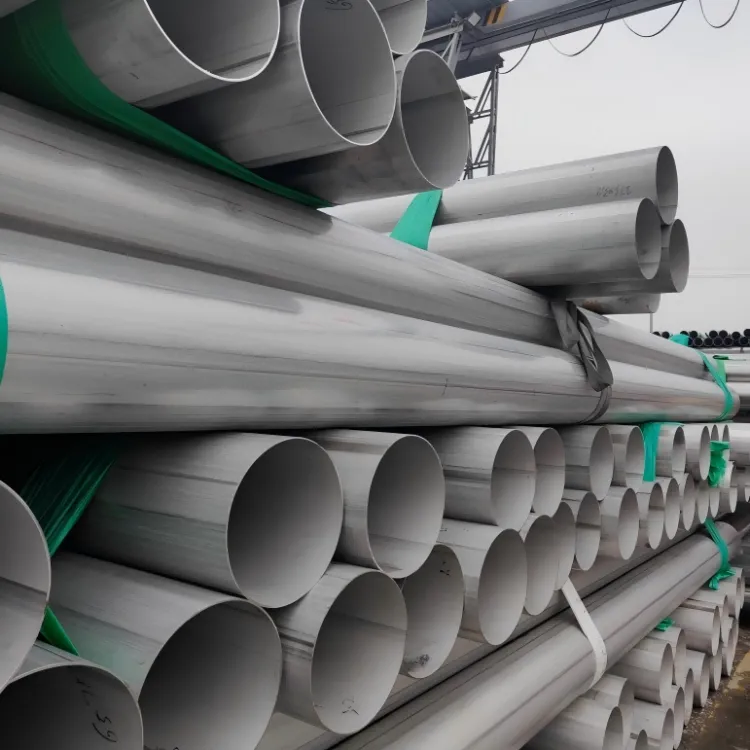
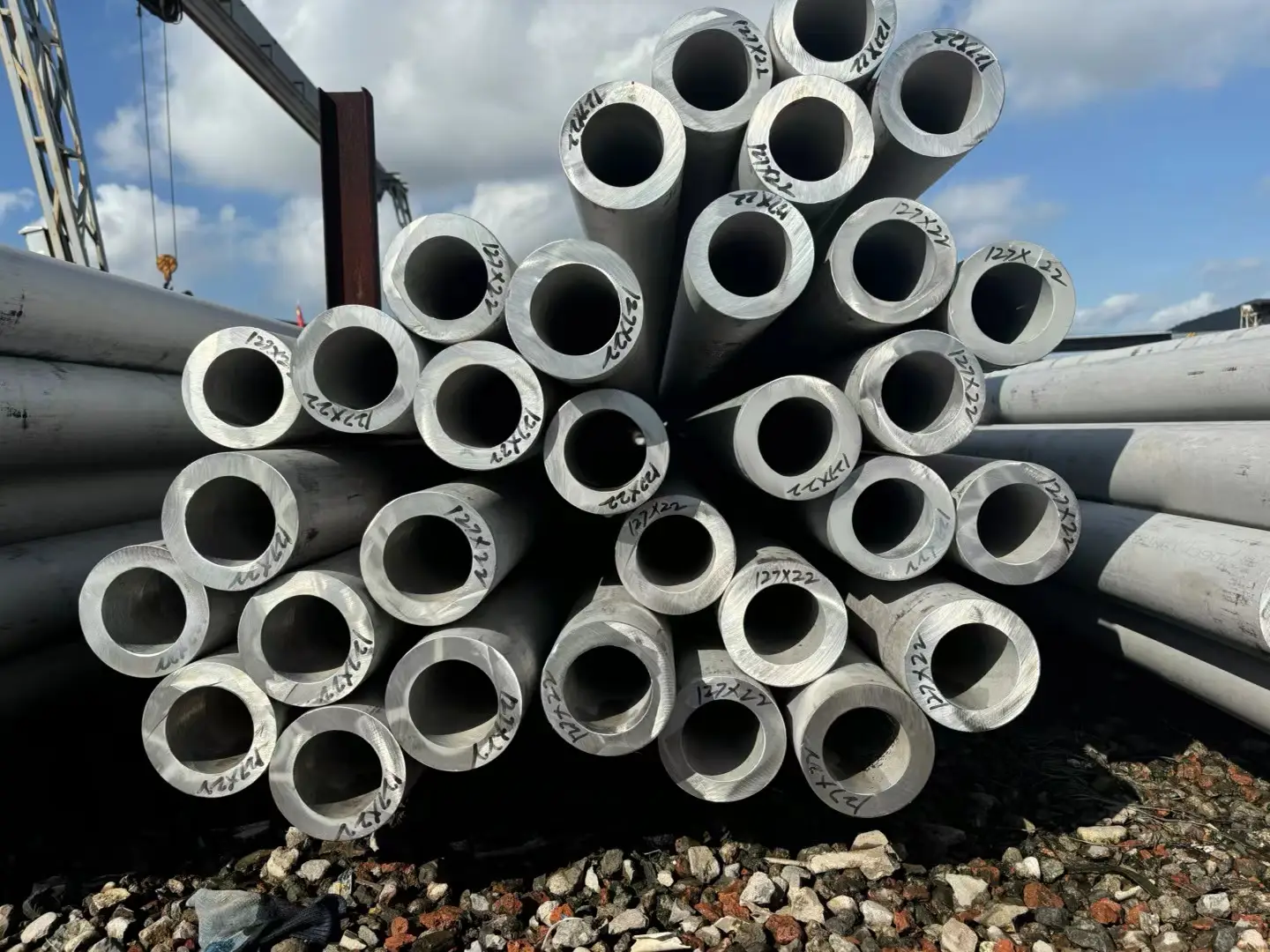
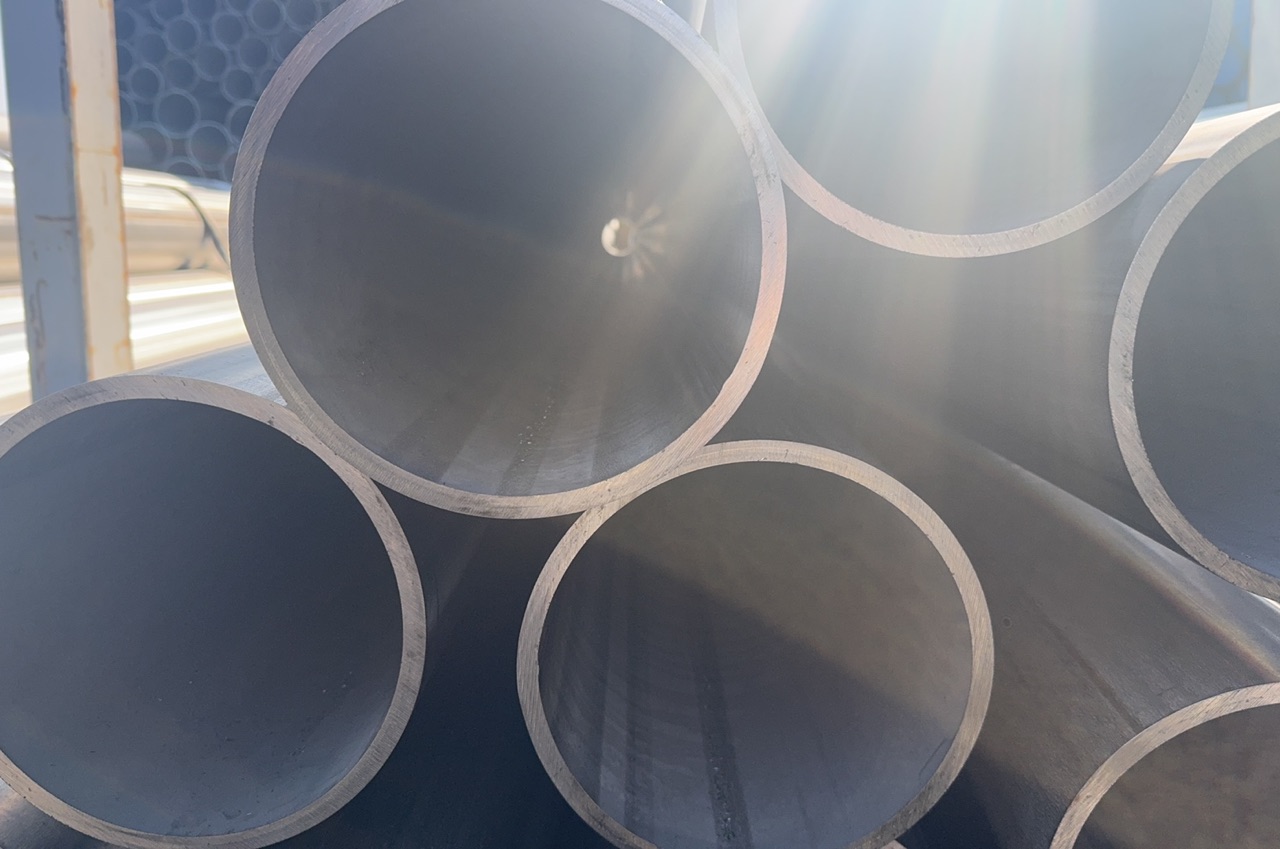
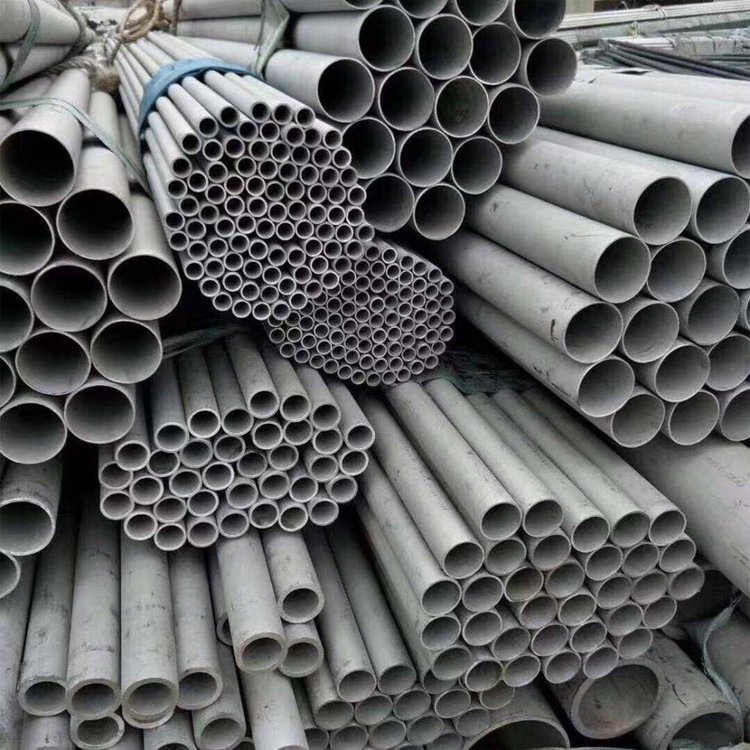
Understanding the distinction between pipe ERW vs seamless represents a critical decision for industrial applications requiring reliable tube solutions. ERW pipes, or Electric Resistance Welded pipes, are manufactured by rolling flat steel into a cylindrical shape and welding the seam using electrical resistance. Seamless pipes, conversely, are produced by piercing a solid steel billet without any welding process involved. When comparing pipe ERW vs seamless, each manufacturing method delivers distinct advantages suited to different operational requirements. ERW pipes offer cost-effectiveness and rapid production capabilities, making them ideal for general-purpose applications where budget constraints matter. Seamless pipes provide superior strength characteristics and corrosion resistance, excelling in high-pressure and extreme-temperature environments. The choice between pipe ERW vs seamless depends on specific project demands, pressure ratings, and environmental conditions. ERW pipes feature visible weld seams that require careful inspection, while seamless pipes eliminate welding concerns entirely. Both options undergo rigorous quality testing to ensure performance standards. Understanding pipe ERW vs seamless specifications helps engineers select appropriate solutions for construction, automotive, petrochemical, and manufacturing sectors. Modern industrial standards recognize both types as viable options, with selection criteria including pressure capacity, temperature tolerance, corrosion resistance requirements, and budget considerations. Industries worldwide rely on pipe ERW vs seamless solutions for critical applications ranging from fluid transport to structural support systems.
 EN
EN