seamless pipe vs erw pipe
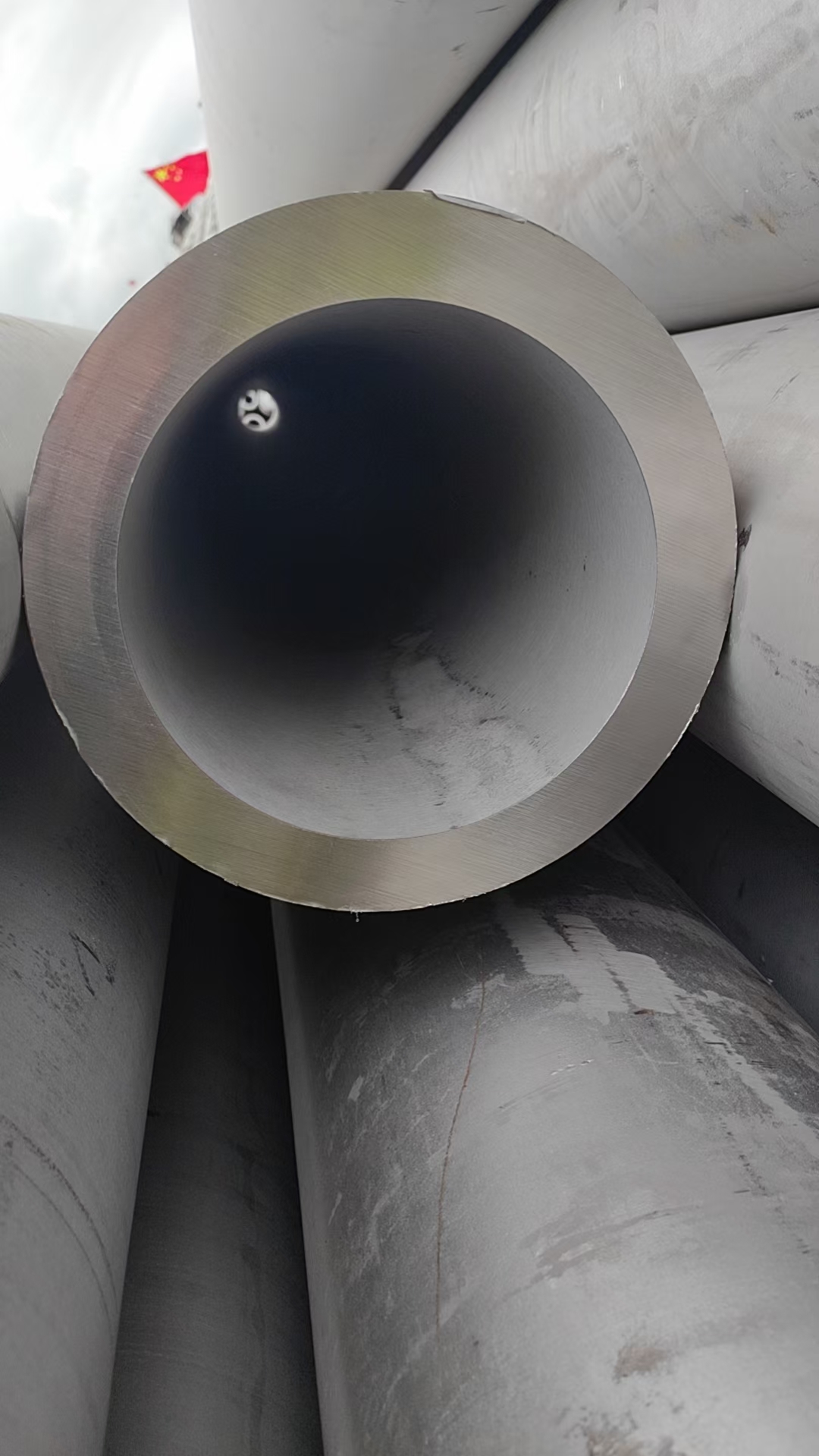
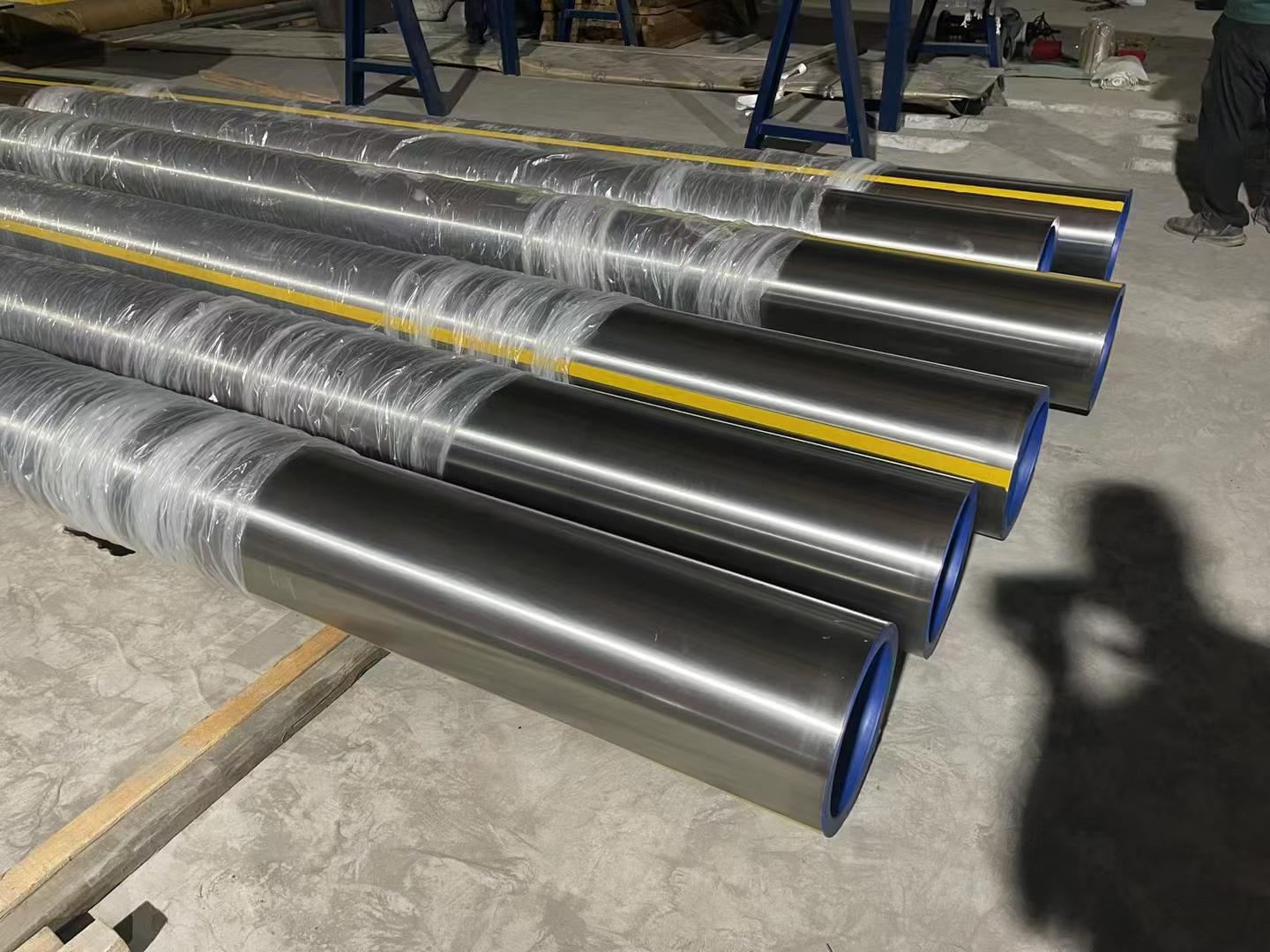
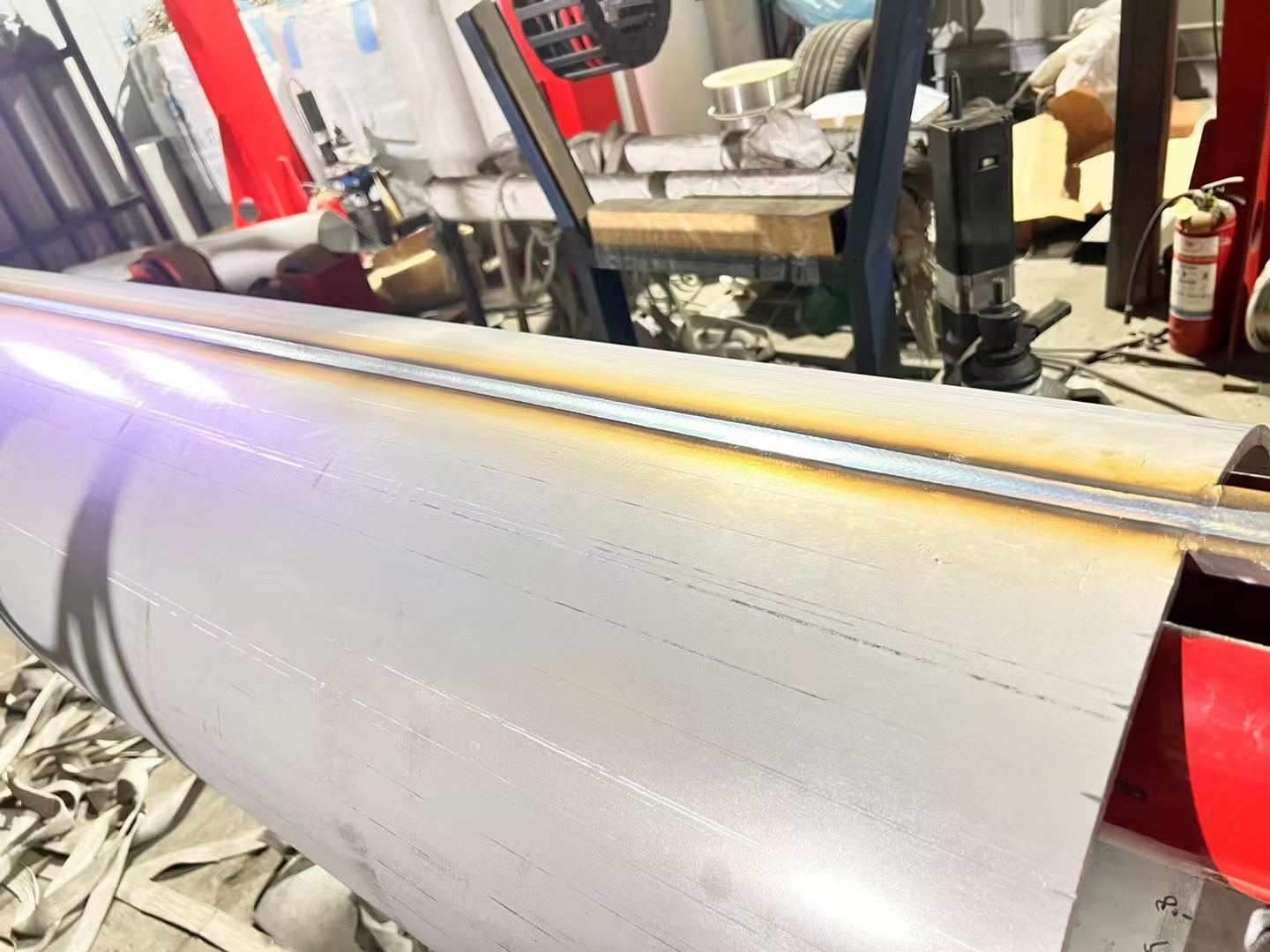
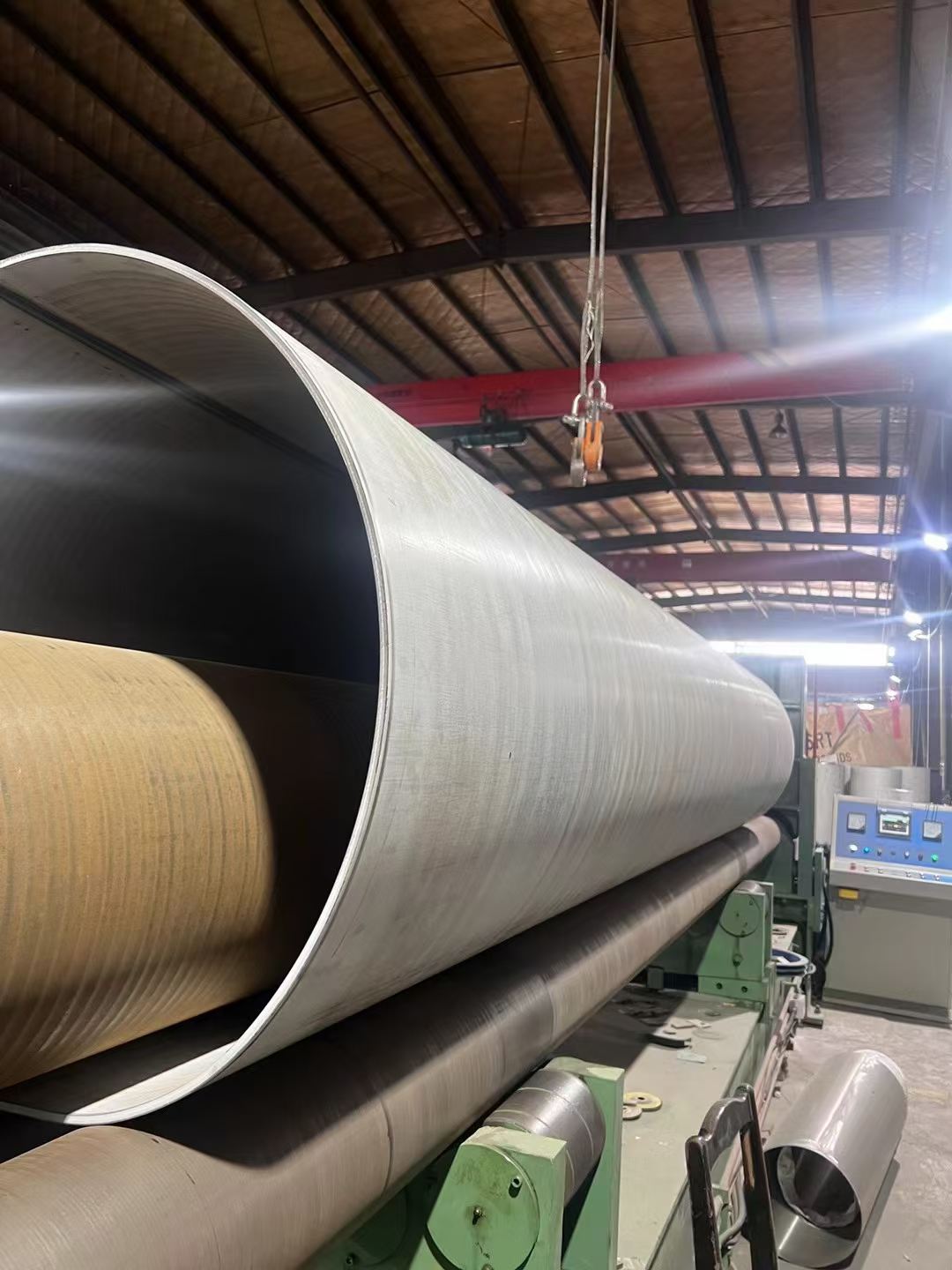
Seamless pipe vs erw pipe represents a fundamental distinction in metal tubing manufacturing, each offering unique construction methods and performance characteristics. Seamless pipes are produced by piercing solid billets and drawing them through dies, creating tubes without any welded seams. ERW pipes, or Electric Resistance Welded pipes, are manufactured by rolling flat steel coils into cylindrical shapes and then welding the edges together using electric current.
The main functions of both types include transporting fluids, gases, and solids across industrial applications. Seamless pipe vs erw pipe differences become apparent in their technological features. Seamless pipes offer uniform grain structures and superior strength due to their manufacturing process, making them ideal for high-pressure applications. ERW pipes provide excellent cost-effectiveness and are suitable for standard pressure requirements.
Technologically, seamless pipe vs erw pipe vary significantly in their structural integrity. Seamless construction eliminates weak points associated with welded joints, while ERW pipes benefit from advanced welding technology that ensures consistent quality. Applications for seamless pipe vs erw pipe span across petroleum, gas transportation, construction, and automotive industries. Seamless variants excel in demanding environments requiring extreme pressure and temperature resistance. ERW pipes serve effectively in general-purpose applications, water distribution systems, and structural frameworks where cost efficiency matters. Understanding seamless pipe vs erw pipe distinctions helps industries select appropriate solutions for their specific operational demands.
 EN
EN