ERW vs Seamless Pipe Cost Comparison: Complete Guide to Manufacturing Costs and Value Analysis

All Categories

Get a Free Quote

Our representative will contact you soon.
Email
Mobile/WhatsApp
Name
Company Name
Message
0/1000

erw vs seamless pipe cost

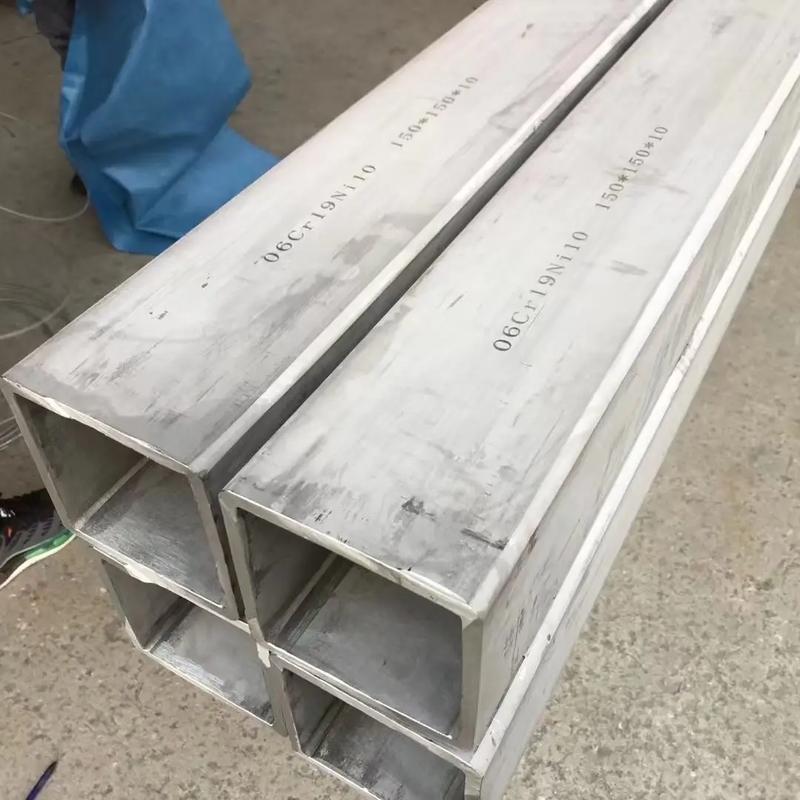
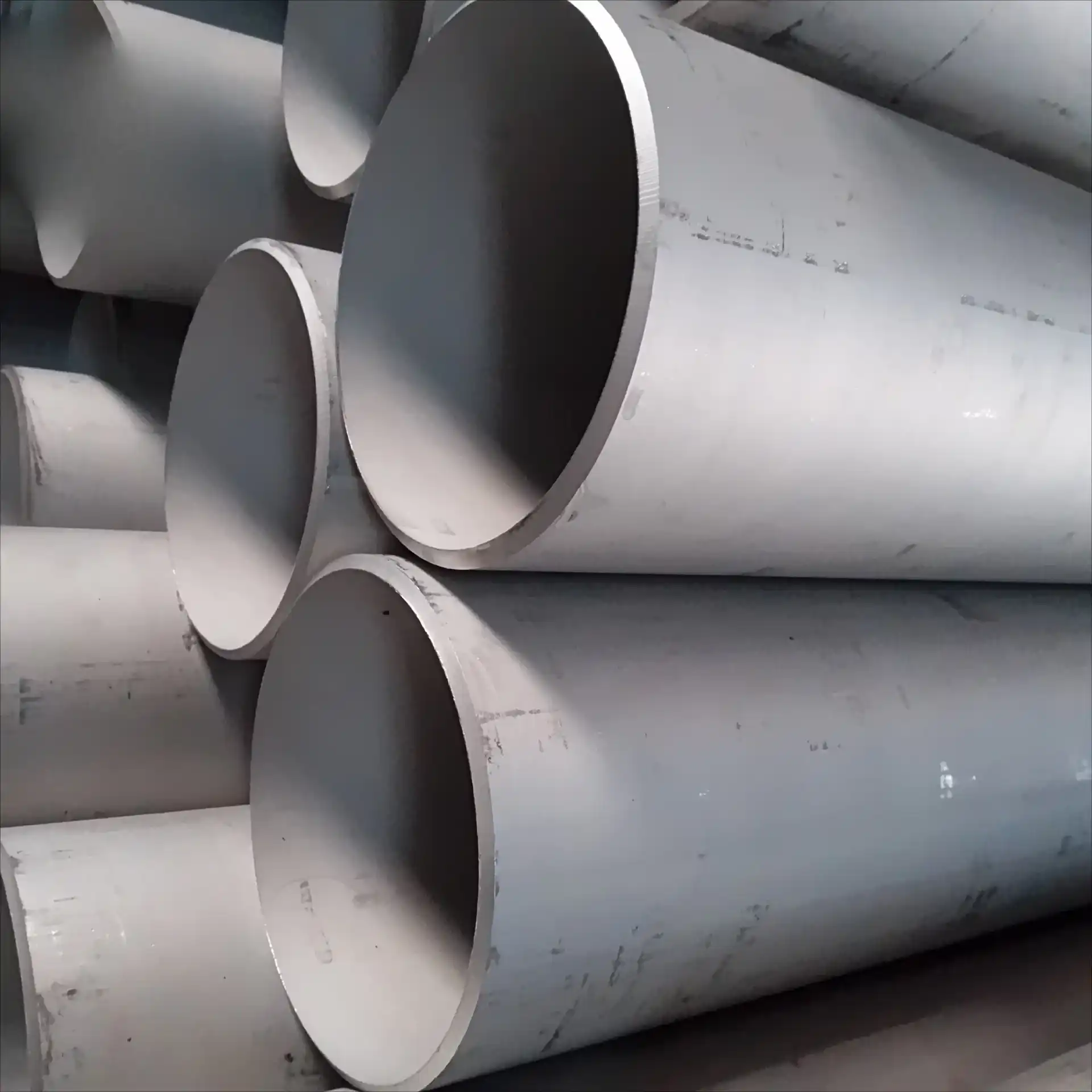
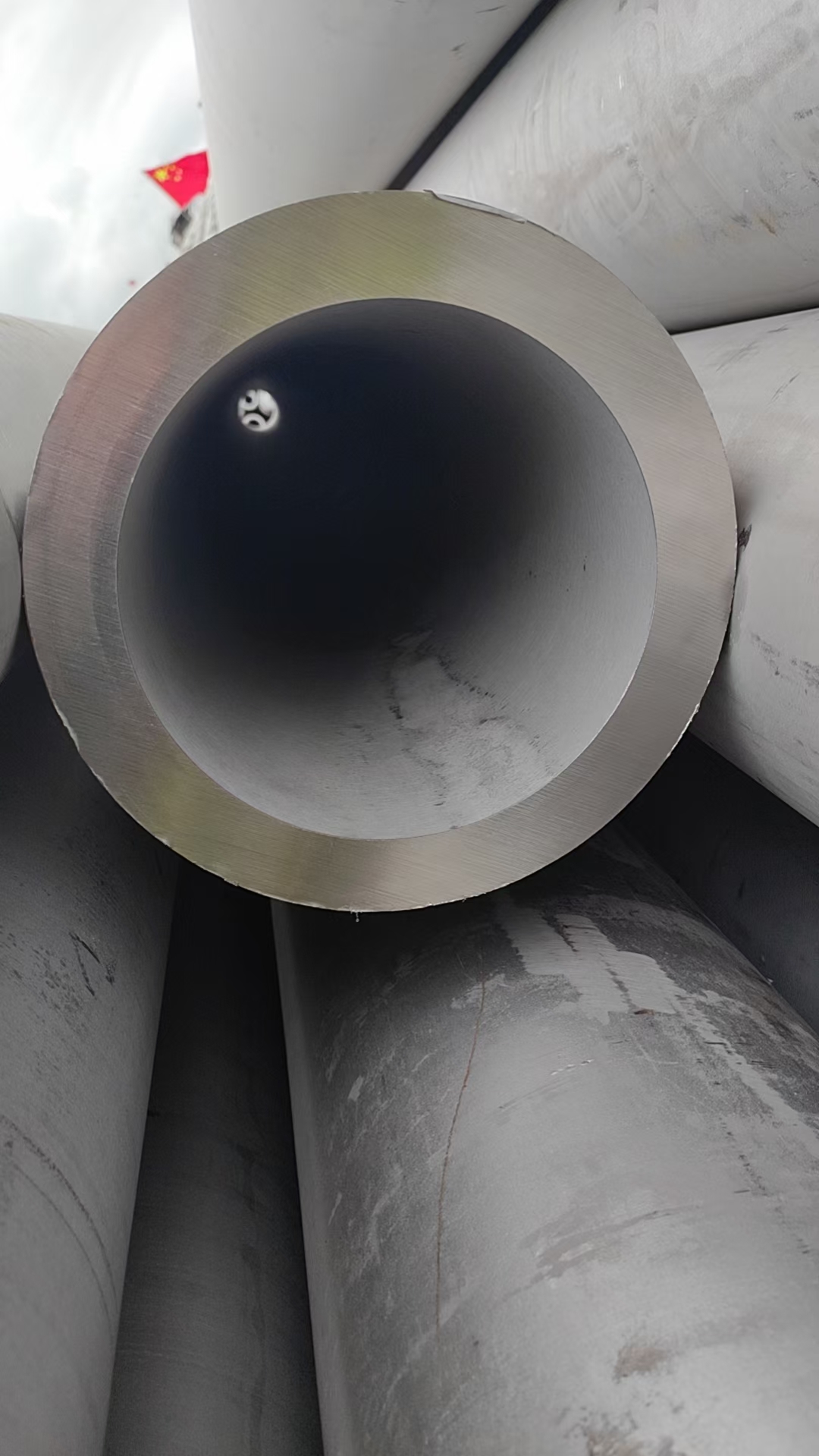
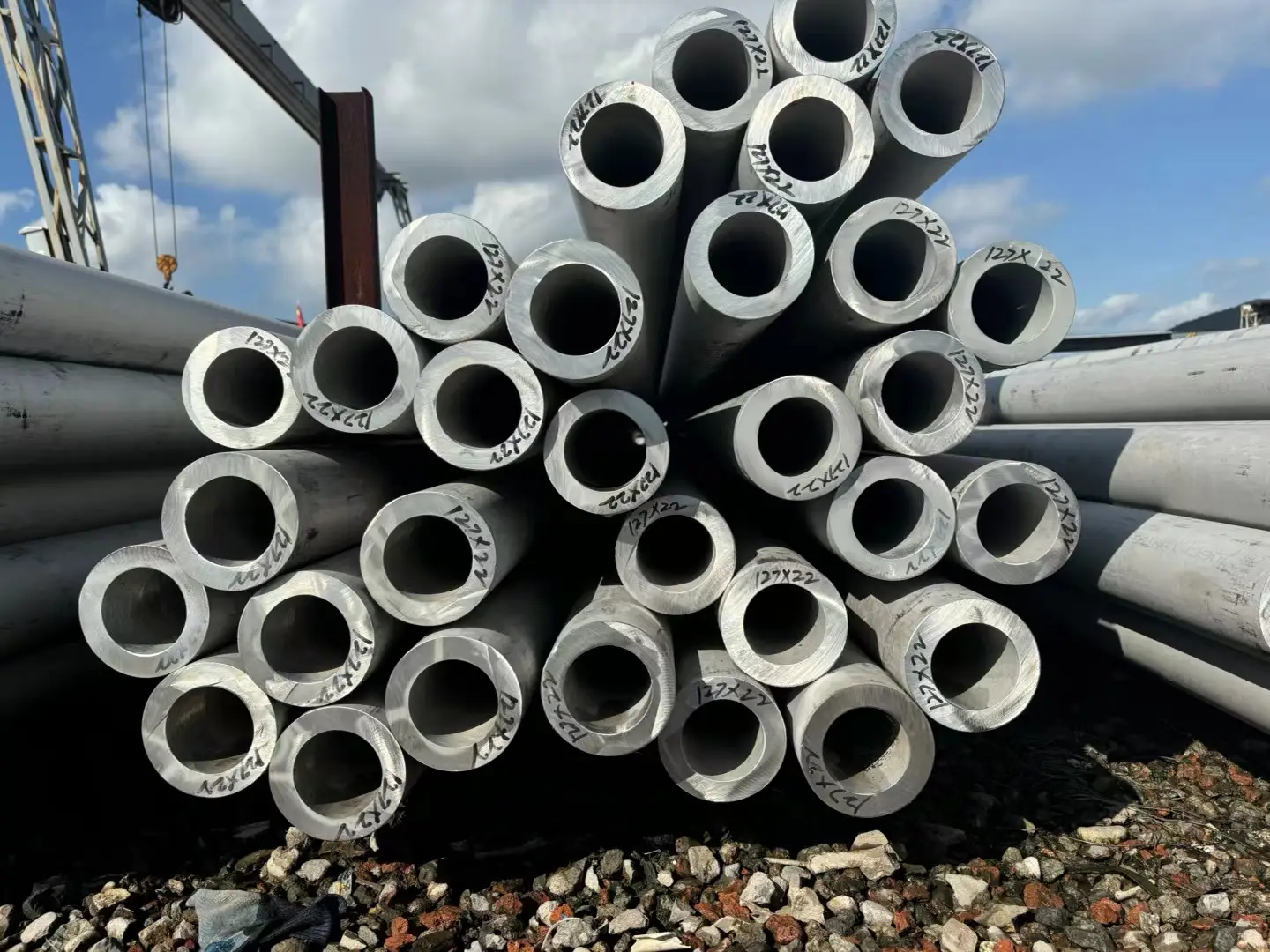
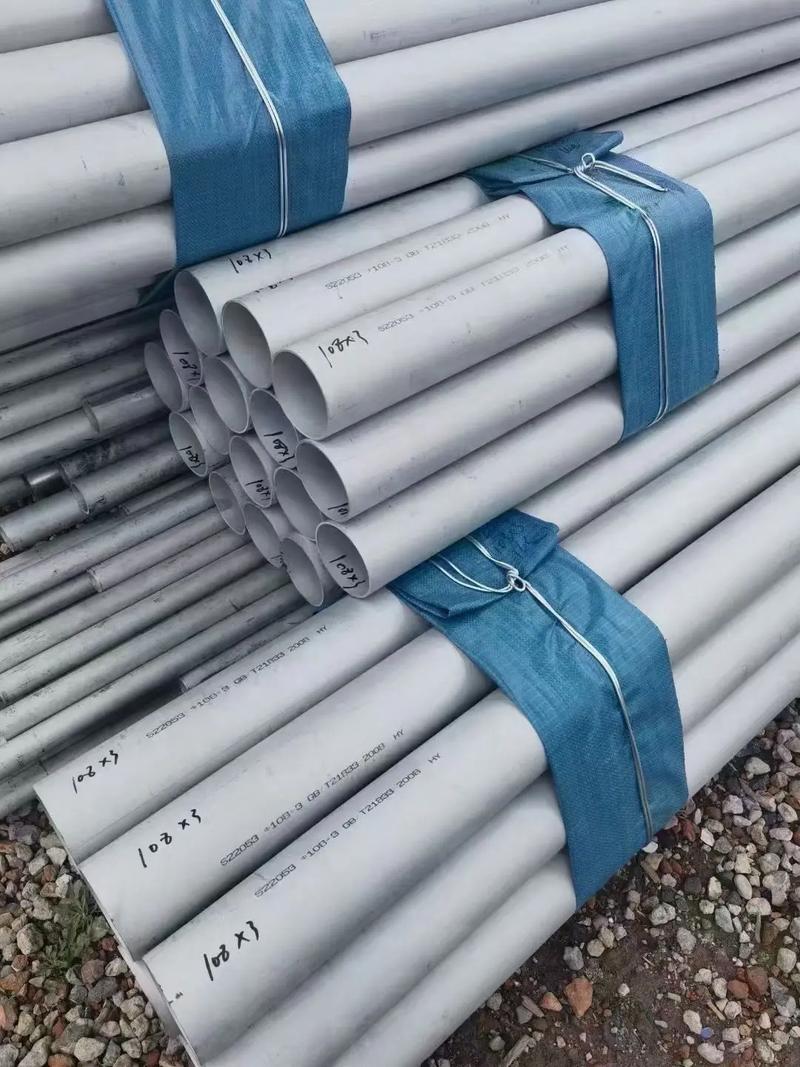
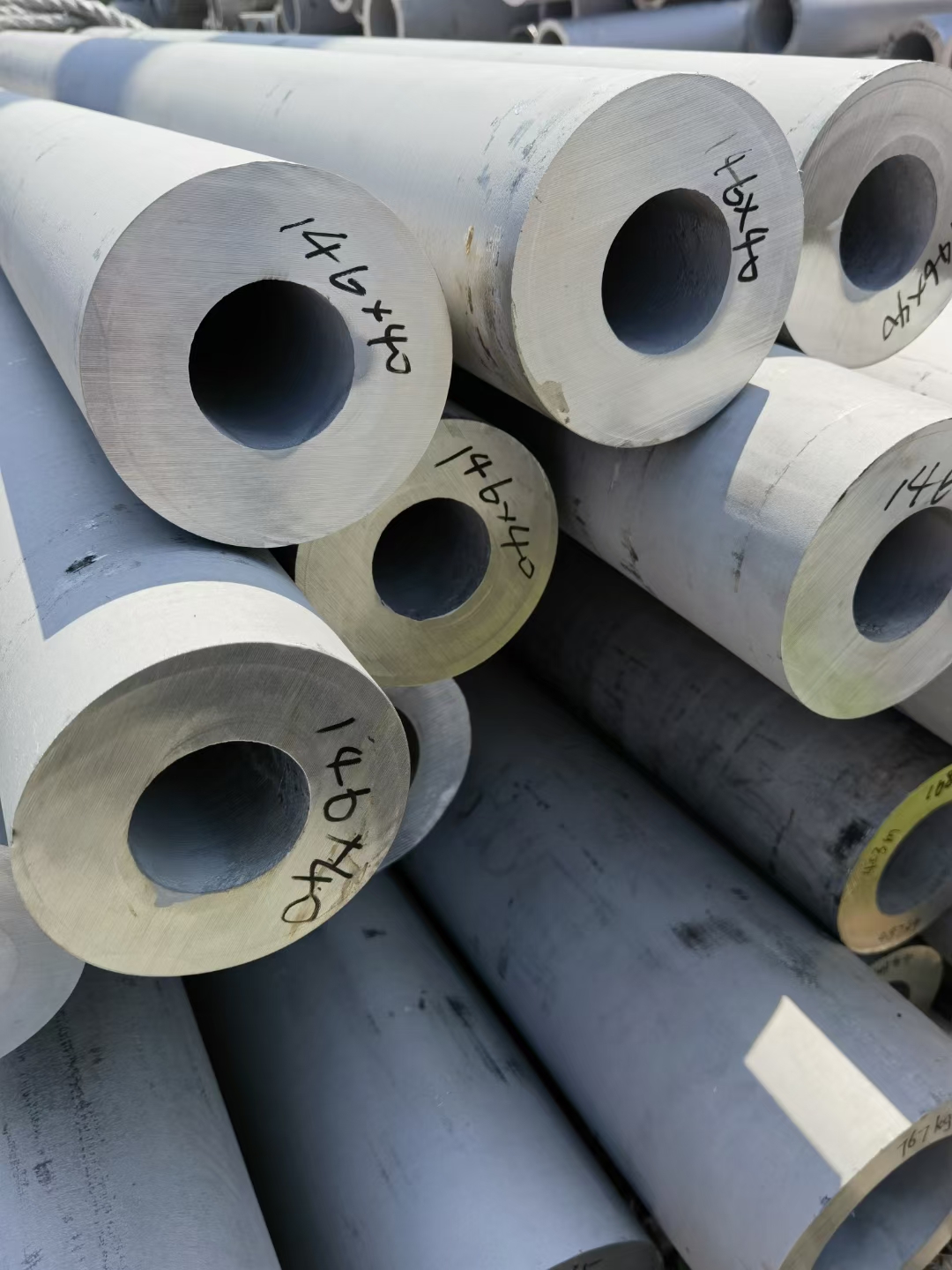
Understanding erw vs seamless pipe cost is crucial for making informed decisions in industrial piping projects. Electric Resistance Welded (ERW) pipes and seamless pipes represent two distinct manufacturing approaches, each offering unique cost considerations and performance characteristics. The erw vs seamless pipe cost analysis reveals significant differences in initial investment, production efficiency, and long-term value proposition. ERW pipes utilize a manufacturing process where steel strips are formed into tubes and welded along the longitudinal seam using electric resistance welding technology. This method creates a cost-effective solution for many applications while maintaining acceptable quality standards. Seamless pipes, conversely, are manufactured through hot rolling or cold drawing processes that eliminate weld seams entirely. The erw vs seamless pipe cost comparison shows that seamless pipes typically command higher prices due to their complex manufacturing requirements and superior structural integrity. Key technological features distinguishing these pipe types include wall thickness uniformity, pressure resistance capabilities, and dimensional accuracy. ERW pipes excel in applications requiring moderate pressure ratings and standard dimensional requirements, making them suitable for water distribution, structural applications, and low to medium-pressure gas transportation. Seamless pipes demonstrate superior performance in high-pressure environments, critical applications, and situations demanding maximum reliability. The erw vs seamless pipe cost evaluation encompasses raw material utilization efficiency, manufacturing complexity, and quality control requirements. Applications for ERW pipes span residential plumbing, irrigation systems, fencing, and general construction projects where cost optimization takes precedence over extreme performance demands. Seamless pipe applications include oil and gas exploration, high-pressure boiler tubes, automotive components, and aerospace applications where failure consequences are severe. Understanding erw vs seamless pipe cost factors enables engineers and procurement specialists to optimize their material selection based on specific project requirements, budget constraints, and performance expectations.

New Product Recommendations

The erw vs seamless pipe cost analysis reveals numerous practical benefits that directly impact project economics and operational efficiency. ERW pipes offer substantial cost savings compared to seamless alternatives, typically reducing material expenses by 15-30 percent depending on specifications and market conditions. This cost advantage stems from the streamlined manufacturing process that maximizes raw material utilization and minimizes production waste. The erw vs seamless pipe cost differential becomes even more pronounced in large-scale projects where volume purchases amplify savings potential. Manufacturing efficiency represents another significant advantage, as ERW pipe production requires less energy consumption and shorter processing times compared to seamless pipe manufacturing. This efficiency translates to faster delivery schedules and improved project timelines, particularly beneficial for time-sensitive construction projects. The erw vs seamless pipe cost benefits extend beyond initial purchase prices to include reduced inventory costs and simplified procurement processes. ERW pipes maintain consistent availability in standard sizes and specifications, eliminating the extended lead times often associated with seamless pipe orders. Quality control advantages include standardized manufacturing processes that ensure consistent wall thickness and dimensional accuracy across production runs. The erw vs seamless pipe cost comparison demonstrates that ERW pipes provide excellent value for applications not requiring extreme pressure ratings or specialized metallurgical properties. Installation advantages include lighter weight per linear foot, reducing transportation costs and handling requirements during construction phases. The predictable cost structure of ERW pipes enables accurate budget forecasting and eliminates unexpected price fluctuations common with specialized seamless products. Maintenance considerations favor ERW pipes in many applications due to their adequate corrosion resistance and service life performance in standard operating conditions. The erw vs seamless pipe cost analysis shows that ERW pipes offer optimal performance-to-price ratios for water systems, structural applications, and medium-pressure gas distribution networks. Standardization benefits include widespread availability of fittings, connections, and accessories specifically designed for ERW pipe systems. The erw vs seamless pipe cost evaluation confirms that choosing ERW pipes can significantly reduce total project costs while maintaining acceptable performance standards for appropriate applications.

Latest News

Strongwin Stainless Steel Group Achieves ISO 90012015 Certification and AD 2000 Merkblatt Approval

28

Feb

Strongwin Stainless Steel Group Achieves ISO 90012015 Certification and AD 2000 Merkblatt Approval

View More
Strongwin Stainless Steel Group Announces Major Production Capacity Expansion to Meet Growing Global Demand

11

Mar

Strongwin Stainless Steel Group Announces Major Production Capacity Expansion to Meet Growing Global Demand

View More
Strongwin Stainless Steel Group Announces Strategic Partnership with Leading European Engineering Firm

11

Mar

Strongwin Stainless Steel Group Announces Strategic Partnership with Leading European Engineering Firm

View More

Get a Free Quote

Our representative will contact you soon.
Email
Mobile/WhatsApp
Name
Company Name
Message
0/1000

erw vs seamless pipe cost

Manufacturing Cost Efficiency and Production Scalability

Manufacturing Cost Efficiency and Production Scalability

The erw vs seamless pipe cost comparison reveals dramatic differences in manufacturing efficiency and production scalability that directly impact end-user pricing and project economics. ERW pipe manufacturing utilizes a continuous production process where steel coils are unwound, formed into tubular shapes, and welded using electric resistance welding technology. This streamlined approach enables manufacturers to produce large quantities efficiently while maintaining consistent quality standards and cost control. The erw vs seamless pipe cost advantage becomes apparent when examining production capacity, as ERW facilities can manufacture significantly more linear footage per day compared to seamless pipe operations. Raw material utilization efficiency strongly favors ERW production, with minimal waste generation and optimized steel consumption patterns. The continuous nature of ERW manufacturing allows for automated quality control systems that monitor wall thickness, dimensional accuracy, and weld integrity throughout production cycles. This automation reduces labor costs and eliminates human error variables that can affect product consistency and manufacturing expenses. The erw vs seamless pipe cost differential reflects the capital investment requirements for production equipment, with ERW facilities requiring substantially lower initial investment compared to seamless pipe manufacturing plants. Energy consumption patterns also favor ERW production, consuming approximately 40-60 percent less energy per unit of finished product compared to seamless manufacturing processes. The scalability advantages of ERW production enable manufacturers to respond quickly to market demand fluctuations while maintaining competitive pricing structures. Production flexibility allows ERW manufacturers to adjust output levels efficiently without significant overhead cost increases, translating to stable pricing for end customers. The erw vs seamless pipe cost benefits extend to inventory management, as ERW pipes can be produced in standard lengths and specifications on shorter notice periods. Quality consistency remains high throughout production runs due to controlled manufacturing parameters and continuous monitoring systems. The economic advantages of ERW manufacturing ultimately benefit customers through lower purchase prices, improved availability, and reduced project costs across various industrial applications requiring reliable piping solutions.
Application-Specific Performance Value and Cost Optimization

Application-Specific Performance Value and Cost Optimization

The erw vs seamless pipe cost evaluation must consider application-specific performance requirements and long-term value propositions to optimize material selection decisions. ERW pipes excel in numerous applications where their cost advantages align with adequate performance characteristics, delivering exceptional value without compromising operational reliability. Water distribution systems represent ideal applications for ERW pipes, where moderate pressure requirements and corrosion resistance needs match ERW capabilities while maximizing cost savings. The erw vs seamless pipe cost comparison shows that ERW pipes provide optimal solutions for municipal water networks, residential plumbing systems, and commercial water supply installations. Structural applications benefit significantly from ERW pipe cost advantages, particularly in construction projects where load-bearing requirements fall within ERW specifications and budget optimization drives material selection decisions. The dimensional consistency and weldability of ERW pipes make them excellent choices for fabricated structures, scaffolding systems, and architectural applications where appearance and cost control are important factors. Fire protection systems utilize ERW pipes extensively due to their adequate pressure ratings, corrosion resistance, and substantial cost savings compared to seamless alternatives. The erw vs seamless pipe cost analysis demonstrates that ERW pipes meet fire protection code requirements while reducing system installation costs significantly. Industrial applications including compressed air systems, low-pressure process piping, and facility utilities benefit from ERW pipe cost efficiency without sacrificing operational performance. The predictable performance characteristics of ERW pipes enable engineers to design systems confidently while maintaining budget constraints and delivery schedules. Irrigation and agricultural applications represent growing markets for ERW pipes, where cost effectiveness enables larger system installations and improved agricultural productivity. The erw vs seamless pipe cost advantages allow farmers and irrigation system designers to maximize coverage areas within available budgets while ensuring adequate system longevity. Mechanical and general engineering applications utilize ERW pipes for components where welded construction provides sufficient strength and reliability at reduced costs. The erw vs seamless pipe cost comparison confirms that ERW pipes deliver appropriate performance levels for mechanical applications not requiring extreme pressure or temperature conditions. Selection criteria should focus on matching ERW pipe capabilities with specific application requirements to maximize value while ensuring adequate safety margins and operational reliability throughout the intended service life.
Market Availability and Supply Chain Cost Benefits

Market Availability and Supply Chain Cost Benefits

The erw vs seamless pipe cost advantages extend significantly into supply chain management and market availability factors that impact project planning and execution timelines. ERW pipes maintain superior market availability due to widespread manufacturing capacity and standardized production processes that enable consistent supply across global markets. The erw vs seamless pipe cost comparison reveals that ERW pipes experience fewer supply disruptions and price volatility compared to seamless products, which often face capacity constraints and longer lead times. Distribution networks for ERW pipes are more extensive and well-established, with numerous manufacturers producing standard sizes and specifications that facilitate quick procurement and delivery. This availability advantage reduces inventory carrying costs for distributors and end users while ensuring project schedules remain on track without material delays. The erw vs seamless pipe cost benefits include reduced procurement complexity and simplified vendor management processes due to multiple qualified suppliers offering comparable products. Standardization across ERW manufacturers enables interchangeable specifications and reduces dependency on single suppliers, providing procurement flexibility and competitive pricing opportunities. Transportation costs favor ERW pipes due to their lighter weight per unit length and efficient packaging characteristics that maximize shipping container utilization. The erw vs seamless pipe cost evaluation shows that logistics expenses represent a smaller percentage of total delivered costs for ERW products compared to seamless alternatives. Regional manufacturing capacity for ERW pipes reduces transportation distances and delivery times while supporting local economies and reducing carbon footprint impacts. Emergency replacement scenarios benefit from ERW pipe availability, as standard sizes and specifications can typically be sourced quickly from local distributors without extended downtime periods. The erw vs seamless pipe cost advantages include simplified inventory management for maintenance organizations and reduced spare parts investment requirements. Market competition among ERW manufacturers drives continuous price optimization and quality improvements that benefit end customers through better value propositions. Seasonal demand fluctuations affect ERW pipe pricing less dramatically compared to seamless products, providing more predictable cost planning for annual procurement budgets. The erw vs seamless pipe cost stability enables accurate project cost estimation and reduces financial risk associated with material price escalation. Quality certification processes for ERW pipes are standardized and widely accepted, simplifying approval procedures and reducing project approval timelines. The comprehensive availability of ERW pipes across various specifications and sizes ensures that system designers can optimize their designs around readily available materials while maintaining cost effectiveness and performance requirements.

Get a Free Quote

Our representative will contact you soon.
Email
Mobile/WhatsApp
Name
Company Name
Message
0/1000