Seamless Pipe vs ERW: Complete Comparison Guide for Industrial Applications

All Categories

Get a Free Quote

Our representative will contact you soon.
Email
Mobile/WhatsApp
Name
Company Name
Message
0/1000

seamless pipe vs erw

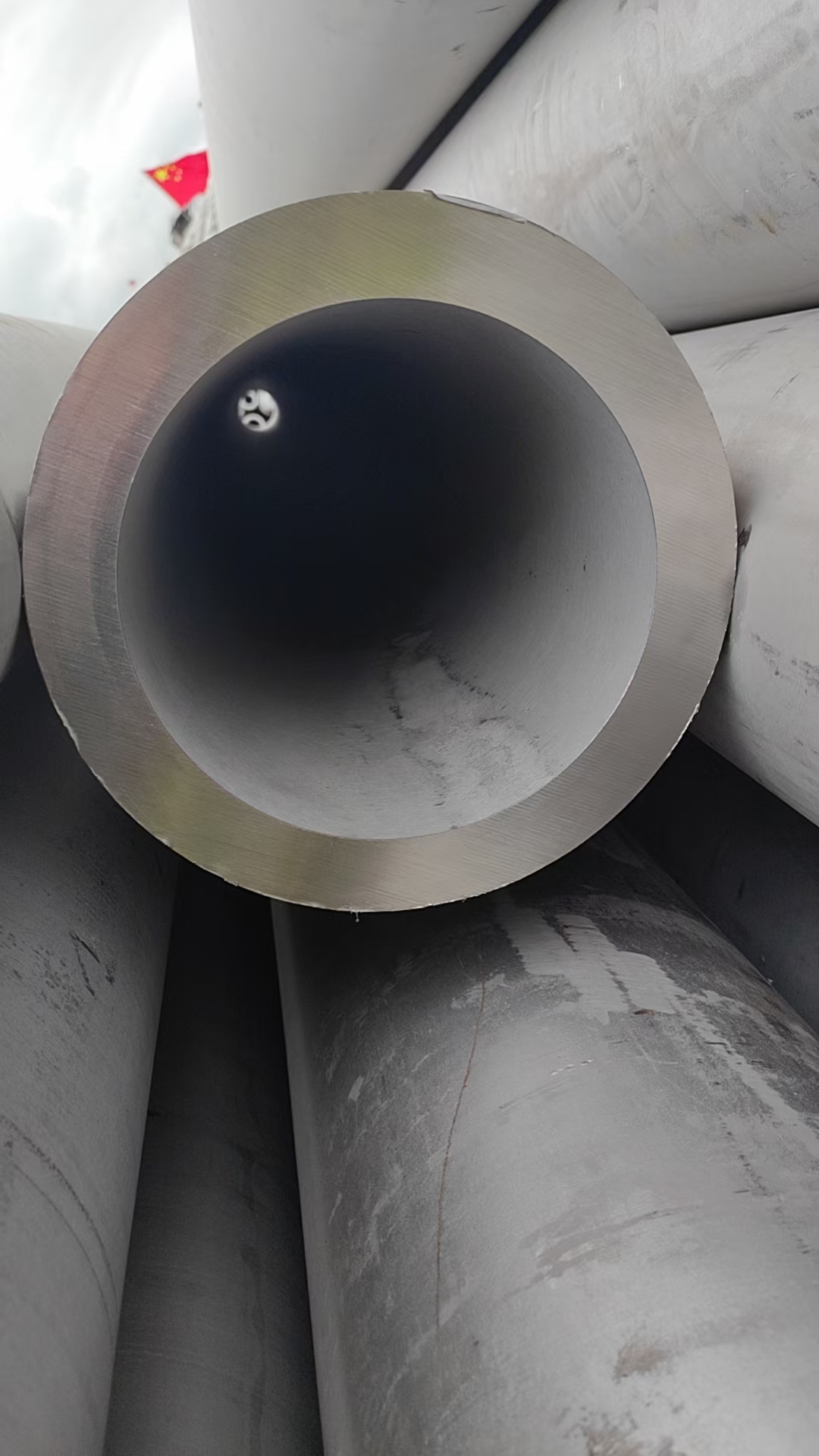
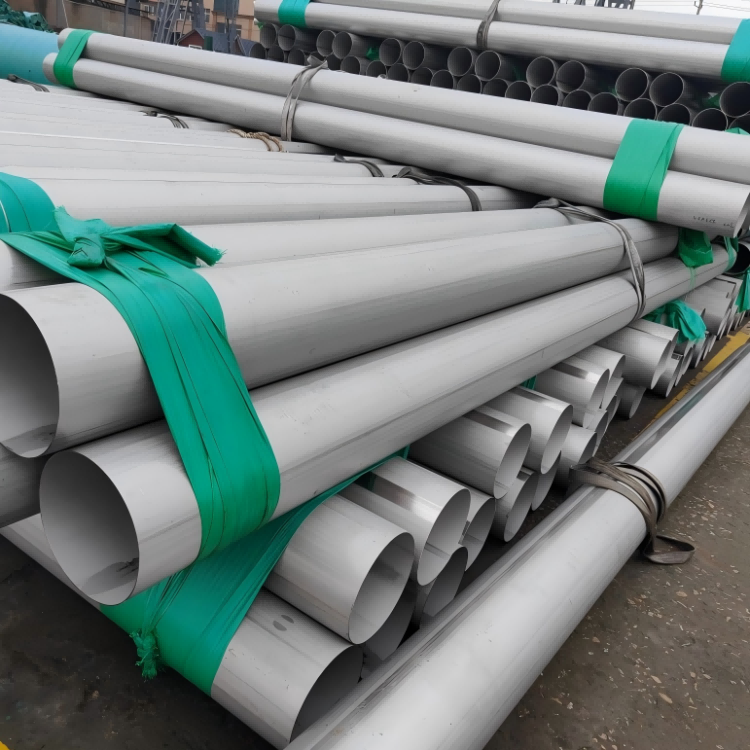
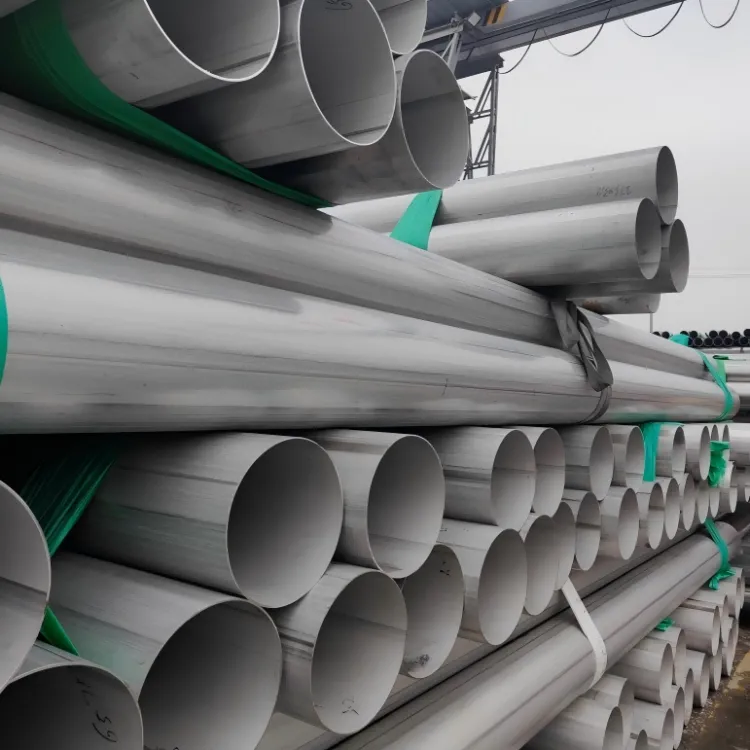
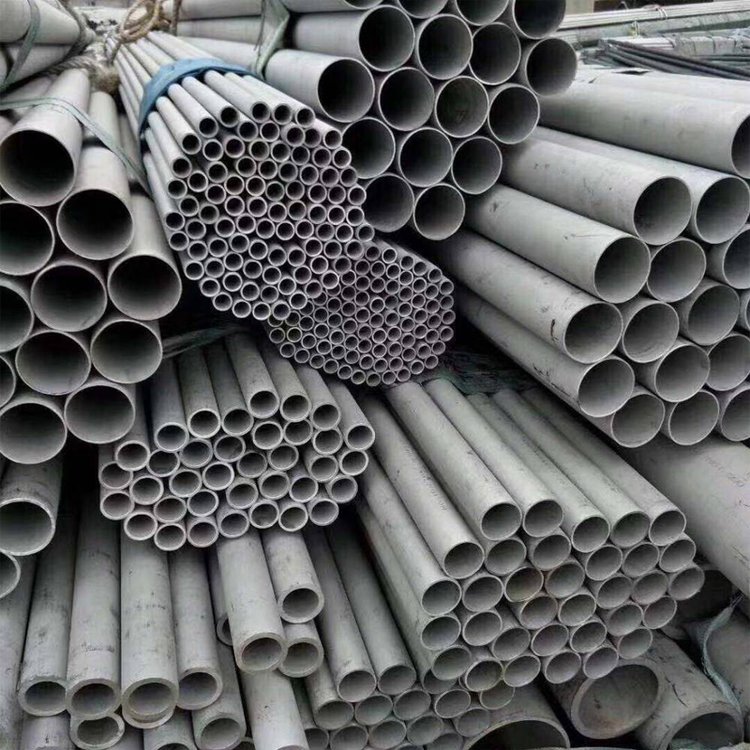
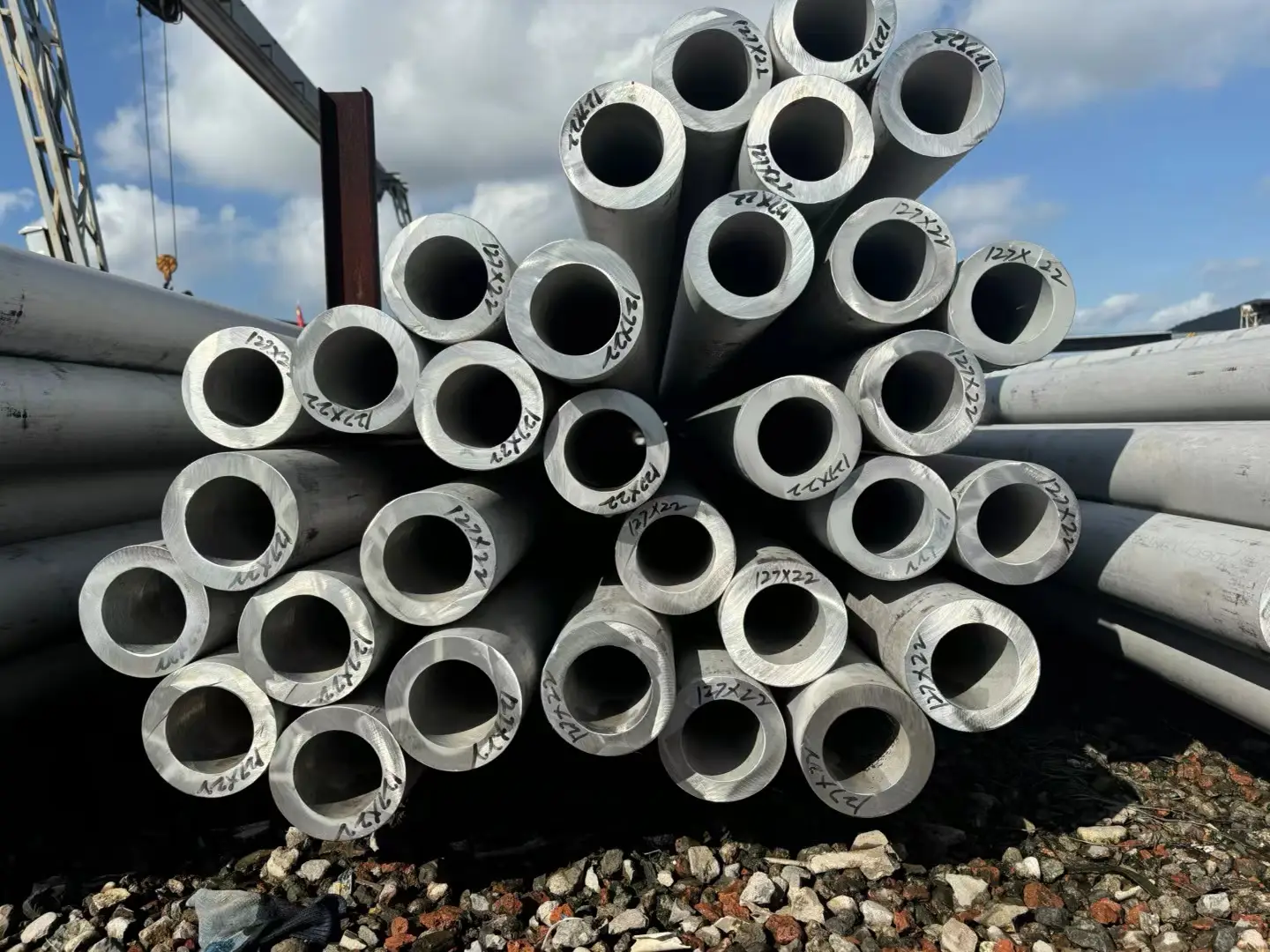
When evaluating seamless pipe vs ERW (Electric Resistance Welded) pipes, understanding their fundamental differences becomes crucial for industrial applications. Seamless pipes are manufactured through a hot rolling process where solid steel billets are heated and pierced to create hollow cylindrical structures without any welded joints. ERW pipes, conversely, are produced by rolling flat steel strips into cylindrical shapes and welding the seam using electric resistance welding technology. The seamless pipe vs ERW comparison reveals significant distinctions in manufacturing processes, structural integrity, and performance characteristics. Seamless pipes offer superior strength and reliability due to their uniform grain structure and absence of welded joints, making them ideal for high-pressure applications. Their manufacturing process involves heating steel billets to temperatures exceeding 1200°C, followed by rotary piercing to create the hollow structure. This method ensures consistent wall thickness and eliminates potential weak points associated with welded seams. ERW pipes utilize advanced welding techniques where high-frequency electrical currents create fusion along the pipe seam. While this process is more cost-effective and allows for precise dimensional control, the welded joint can potentially become a stress concentration point under extreme conditions. The seamless pipe vs ERW debate often centers on application-specific requirements, with seamless pipes dominating high-pressure, high-temperature environments such as oil refineries, power plants, and chemical processing facilities. ERW pipes excel in structural applications, water distribution systems, and general construction projects where moderate pressure and temperature conditions prevail. Quality standards for both pipe types are stringent, with seamless pipes typically conforming to ASTM A106, API 5L, and ASME specifications, while ERW pipes meet ASTM A53, API 5L ERW, and equivalent international standards. The seamless pipe vs ERW selection process must consider factors including operating pressure, temperature ranges, corrosive environments, and long-term reliability requirements.

New Products

The seamless pipe vs ERW comparison reveals numerous practical advantages that directly impact operational efficiency and project success. Seamless pipes demonstrate superior performance in high-pressure applications, withstanding pressures up to 15,000 PSI without compromising structural integrity. This exceptional pressure resistance stems from their uniform grain structure and absence of welded joints, eliminating potential failure points that could compromise system safety. Manufacturing precision represents another significant advantage in the seamless pipe vs ERW evaluation, as seamless pipes maintain consistent wall thickness throughout their length, ensuring reliable flow characteristics and predictable performance under varying operational conditions. The absence of welded seams in seamless pipes provides enhanced corrosion resistance, particularly beneficial in chemical processing environments where aggressive media could attack welded joints. ERW pipes offer distinct cost advantages, typically priced 20-30% lower than seamless alternatives due to their streamlined manufacturing process and efficient material utilization. This cost efficiency makes ERW pipes attractive for large-scale projects where budget constraints influence material selection decisions. The seamless pipe vs ERW analysis shows that ERW pipes provide excellent dimensional accuracy, with precise outside diameter control and consistent wall thickness achieved through advanced forming and welding technologies. Installation flexibility favors ERW pipes in many applications, as their availability in longer lengths reduces the number of joints required, minimizing installation time and labor costs. Quality assurance protocols for both pipe types ensure reliable performance, with seamless pipes undergoing ultrasonic testing to verify wall thickness uniformity and detect any internal flaws. ERW pipes benefit from 100% weld seam inspection using electromagnetic and ultrasonic testing methods. The seamless pipe vs ERW decision should consider long-term operational costs, as seamless pipes often provide lower maintenance requirements and extended service life in demanding applications. Delivery schedules typically favor ERW pipes due to their faster production rates and standardized manufacturing processes. However, seamless pipes offer superior performance in critical applications where failure consequences could be catastrophic. Environmental considerations also influence the seamless pipe vs ERW selection, with both pipe types offering recyclable steel construction that supports sustainable industrial practices.

Tips And Tricks

Strongwin Stainless Steel Group Achieves ISO 90012015 Certification and AD 2000 Merkblatt Approval

28

Feb

Strongwin Stainless Steel Group Achieves ISO 90012015 Certification and AD 2000 Merkblatt Approval

View More
Strongwin Stainless Steel Group Announces Major Production Capacity Expansion to Meet Growing Global Demand

11

Mar

Strongwin Stainless Steel Group Announces Major Production Capacity Expansion to Meet Growing Global Demand

View More
Strongwin Stainless Steel Group Announces Strategic Partnership with Leading European Engineering Firm

11

Mar

Strongwin Stainless Steel Group Announces Strategic Partnership with Leading European Engineering Firm

View More

Get a Free Quote

Our representative will contact you soon.
Email
Mobile/WhatsApp
Name
Company Name
Message
0/1000

seamless pipe vs erw

Superior Structural Integrity and Pressure Resistance

Superior Structural Integrity and Pressure Resistance

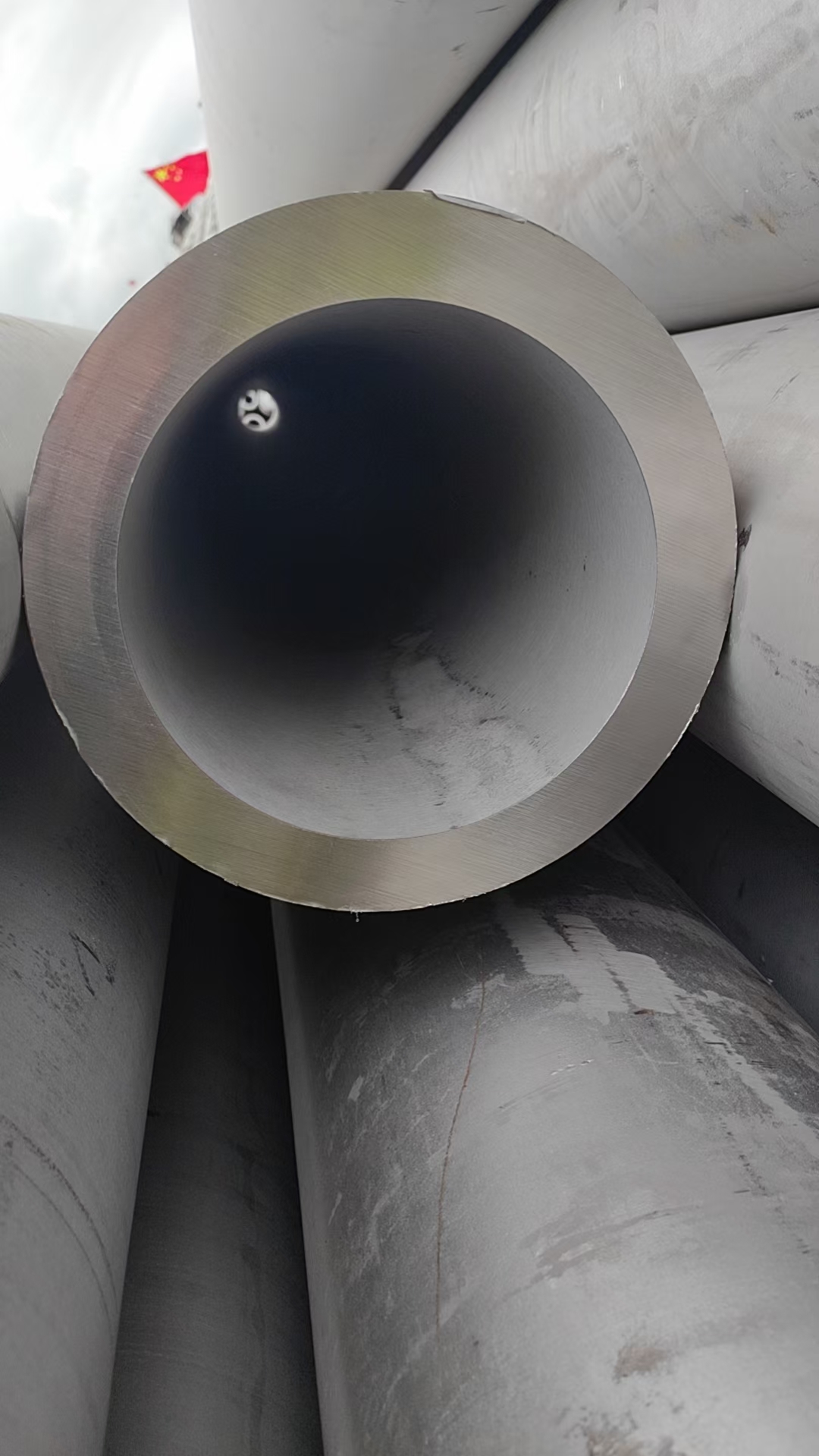
The seamless pipe vs ERW comparison prominently features structural integrity as a defining characteristic that sets seamless pipes apart from their welded counterparts. Seamless pipes demonstrate exceptional structural integrity through their unique manufacturing process, which creates a homogeneous steel structure without any welded joints or seams. This continuous grain structure eliminates the inherent weak points associated with welded connections, providing superior resistance to internal pressure, external loads, and thermal cycling. The manufacturing process begins with solid steel billets heated to approximately 1200°C, followed by rotary piercing that creates the hollow cylindrical form while maintaining the steel's original grain structure. This process ensures that seamless pipes can withstand pressures up to 15,000 PSI, making them indispensable for critical applications in oil and gas exploration, power generation, and chemical processing industries. The absence of welded seams eliminates stress concentration points that could potentially lead to premature failure under extreme operating conditions. In contrast, ERW pipes, despite their advanced welding technology, retain a heat-affected zone along the welded seam where material properties may differ from the base metal. The seamless pipe vs ERW analysis reveals that seamless pipes maintain consistent mechanical properties throughout their cross-section, ensuring predictable behavior under various loading conditions. This uniformity proves particularly valuable in applications involving pressure cycling, where repeated loading and unloading could exploit weak points in welded structures. Quality assurance testing for seamless pipes includes comprehensive ultrasonic inspection that verifies wall thickness uniformity and detects any internal discontinuities that could compromise performance. The superior structural integrity of seamless pipes translates into enhanced safety margins for critical applications, reduced maintenance requirements, and extended service life. This reliability factor becomes especially important in offshore drilling operations, nuclear facilities, and high-pressure steam systems where failure could result in catastrophic consequences. The seamless pipe vs ERW evaluation consistently demonstrates that while ERW pipes offer excellent performance for many applications, seamless pipes remain the preferred choice when maximum structural integrity and pressure resistance are paramount considerations for project success.
Enhanced Corrosion Resistance and Chemical Compatibility

Enhanced Corrosion Resistance and Chemical Compatibility

The seamless pipe vs ERW comparison reveals significant advantages in corrosion resistance and chemical compatibility that make seamless pipes the preferred choice for harsh operating environments. Seamless pipes exhibit superior corrosion resistance due to their uniform metallurgical structure and absence of welded seams, which eliminates potential galvanic corrosion cells that can develop along welded joints. The manufacturing process of seamless pipes preserves the original steel composition without introducing heat-affected zones or filler materials that could create localized corrosion initiation points. This homogeneous structure provides consistent corrosion resistance throughout the pipe wall, ensuring reliable performance in aggressive chemical environments. ERW pipes, while featuring advanced welding technology, inevitably contain heat-affected zones along the welded seam where material properties may differ from the base metal, potentially creating areas of increased corrosion susceptibility. The seamless pipe vs ERW analysis demonstrates that seamless pipes maintain their protective oxide layers more effectively, as the continuous surface without welded interruptions provides fewer opportunities for corrosive media penetration. Chemical processing industries particularly benefit from the enhanced chemical compatibility of seamless pipes, as their uniform composition ensures predictable reactions with process fluids. The absence of welded seams eliminates concerns about filler metal compatibility with specific chemicals, simplifying material selection for complex chemical environments. Seamless pipes demonstrate superior performance in sour service applications containing hydrogen sulfide, where welded joints could become susceptible to sulfide stress cracking. The seamless pipe vs ERW evaluation shows that seamless pipes require less frequent inspection and maintenance in corrosive environments, reducing operational costs and downtime. Surface finish quality also favors seamless pipes, as their manufacturing process produces smoother internal surfaces that resist fouling and facilitate cleaning operations. This characteristic proves valuable in food processing, pharmaceutical manufacturing, and other sanitary applications where product purity is essential. The seamless pipe vs ERW comparison consistently demonstrates that while ERW pipes offer adequate corrosion resistance for many applications, seamless pipes provide superior performance in aggressive environments where long-term reliability and minimal maintenance are critical factors for operational success.
Manufacturing Precision and Dimensional Accuracy

Manufacturing Precision and Dimensional Accuracy

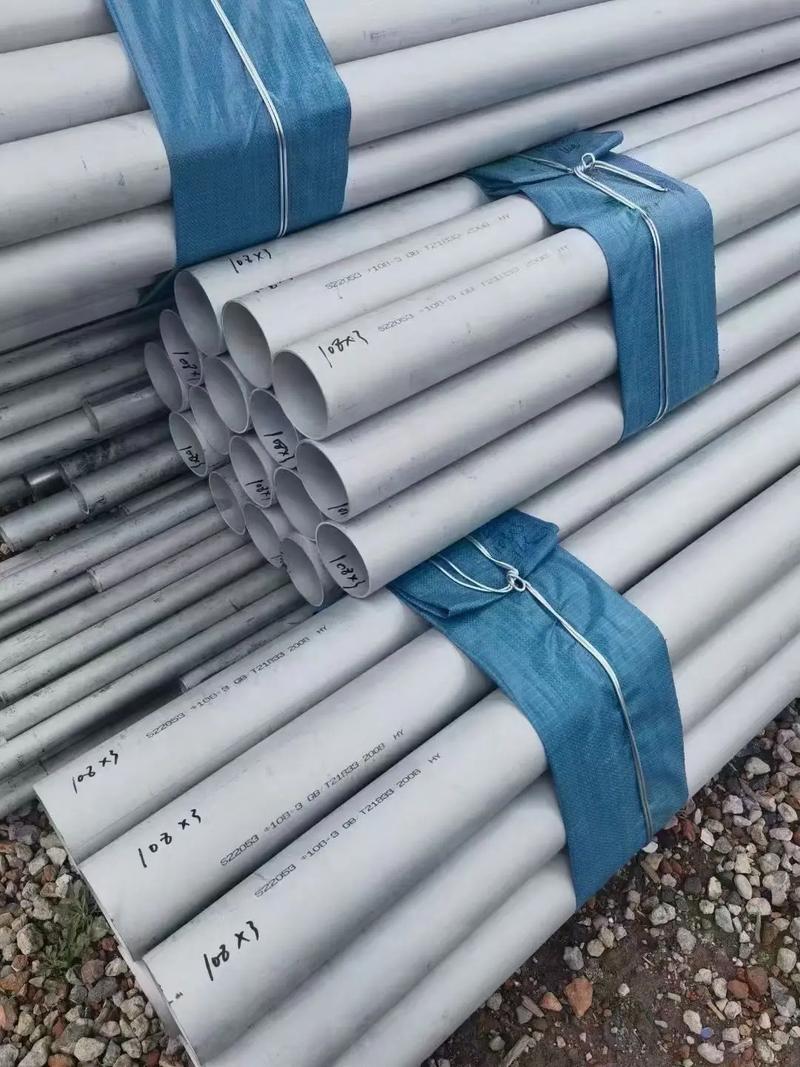
The seamless pipe vs ERW comparison highlights manufacturing precision and dimensional accuracy as critical factors that influence system performance and installation efficiency. Seamless pipes achieve exceptional dimensional consistency through their controlled manufacturing process, which begins with precisely machined steel billets and maintains tight tolerances throughout the hot rolling and finishing operations. The rotary piercing process used in seamless pipe manufacturing creates uniform wall thickness distribution, typically maintaining variations within ±10% of nominal thickness, which ensures consistent flow characteristics and predictable stress distribution under operating loads. This precision proves particularly valuable in applications requiring accurate flow calculations and pressure drop predictions. ERW pipes also demonstrate excellent dimensional control through their advanced forming and welding processes, often achieving even tighter outside diameter tolerances than seamless pipes due to their cold forming manufacturing method. The seamless pipe vs ERW analysis reveals that both pipe types can meet stringent dimensional requirements, but their manufacturing approaches offer different advantages depending on application requirements. Seamless pipes excel in wall thickness uniformity, which becomes critical for high-pressure applications where any thin sections could compromise safety margins. The absence of welded seams in seamless pipes eliminates concerns about weld crown height and potential flow restrictions that could affect system hydraulics. Quality control protocols for seamless pipes include comprehensive dimensional inspection using advanced measuring equipment that verifies outside diameter, wall thickness, and straightness parameters. Length accuracy represents another advantage in the seamless pipe vs ERW comparison, with both pipe types available in standard lengths that minimize waste and optimize material utilization. The manufacturing precision of seamless pipes extends to their internal surface finish, which typically exhibits lower roughness values that reduce friction losses and improve flow efficiency. This smooth internal surface also facilitates cleaning operations and reduces the risk of product contamination in sanitary applications. ERW pipes offer advantages in achieving precise outside diameter specifications, which proves valuable for threaded connections and mechanical joining systems. The seamless pipe vs ERW evaluation demonstrates that manufacturing precision directly impacts installation efficiency, system performance, and long-term reliability, making dimensional accuracy a crucial consideration in material selection decisions for demanding industrial applications.

Get a Free Quote

Our representative will contact you soon.
Email
Mobile/WhatsApp
Name
Company Name
Message
0/1000