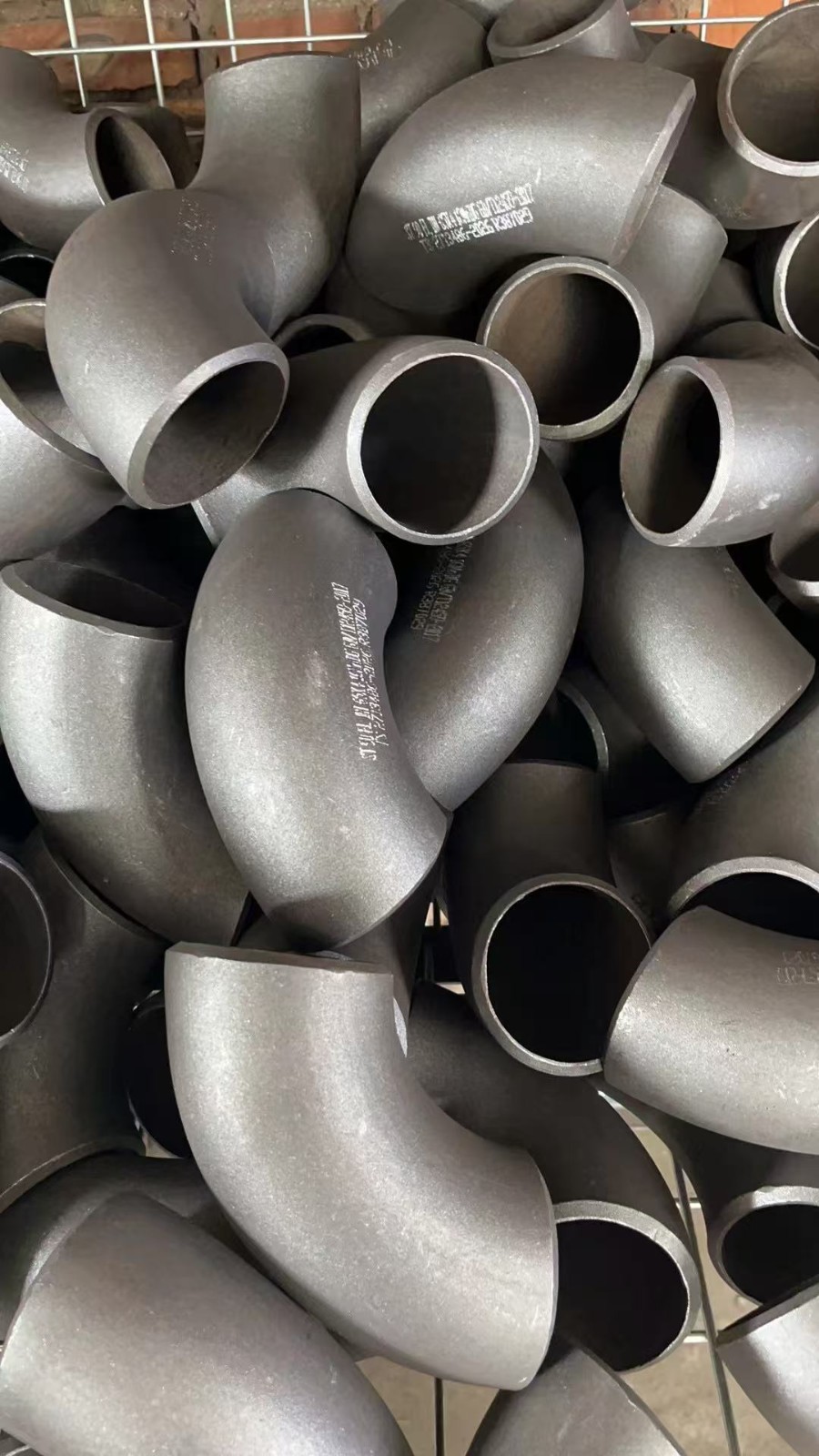
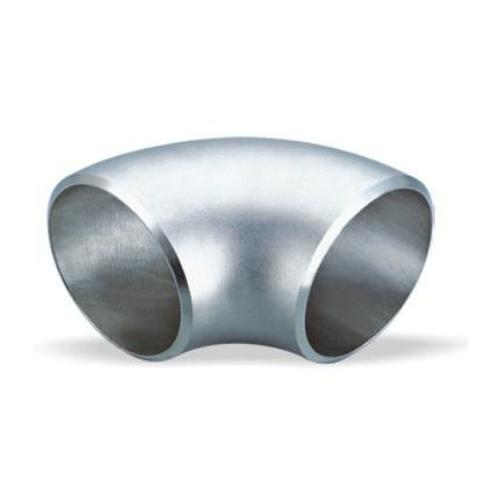
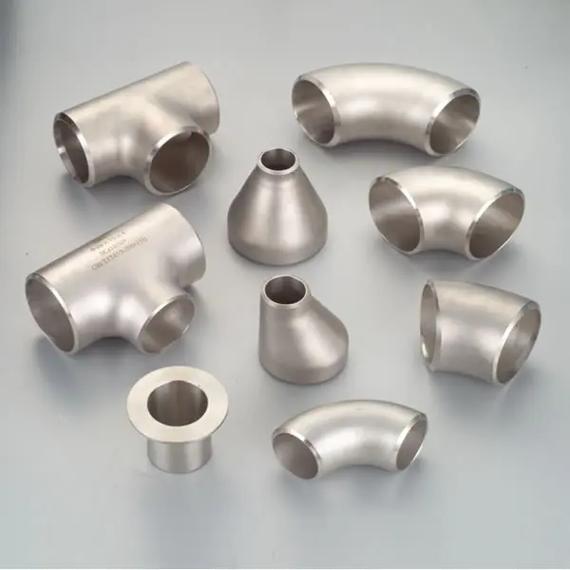
short radius seamless elbow
A short radius seamless elbow is a precision-engineered pipe fitting designed to change the direction of fluid or gas flow with minimal space requirements. This specialized component features a tight bend radius compared to standard elbows, making it ideal for confined spaces and complex piping systems. The short radius seamless elbow is manufactured from high-quality materials without seams or welds, ensuring superior structural integrity and leak-free performance.
The primary function of a short radius seamless elbow is to redirect flow at specific angles, typically 90 degrees, while maintaining consistent pressure and minimizing turbulence. The seamless construction eliminates weak points commonly found in welded fittings, providing exceptional durability and reliability. This design characteristic makes the short radius seamless elbow particularly valuable in demanding applications where space is limited and performance cannot be compromised.
Technologically, the short radius seamless elbow utilizes advanced manufacturing processes such as cold drawing or hot forming to achieve precise dimensions and smooth internal surfaces. These methods ensure optimal flow characteristics and reduced friction losses. The short radius seamless elbow accommodates various pipe sizes and material specifications, including stainless steel, carbon steel, and alloy compositions, allowing customization for specific industrial requirements. Applications span across petroleum refining, chemical processing, HVAC systems, and hydraulic installations where efficient flow management and space optimization are critical success factors.
 EN
EN